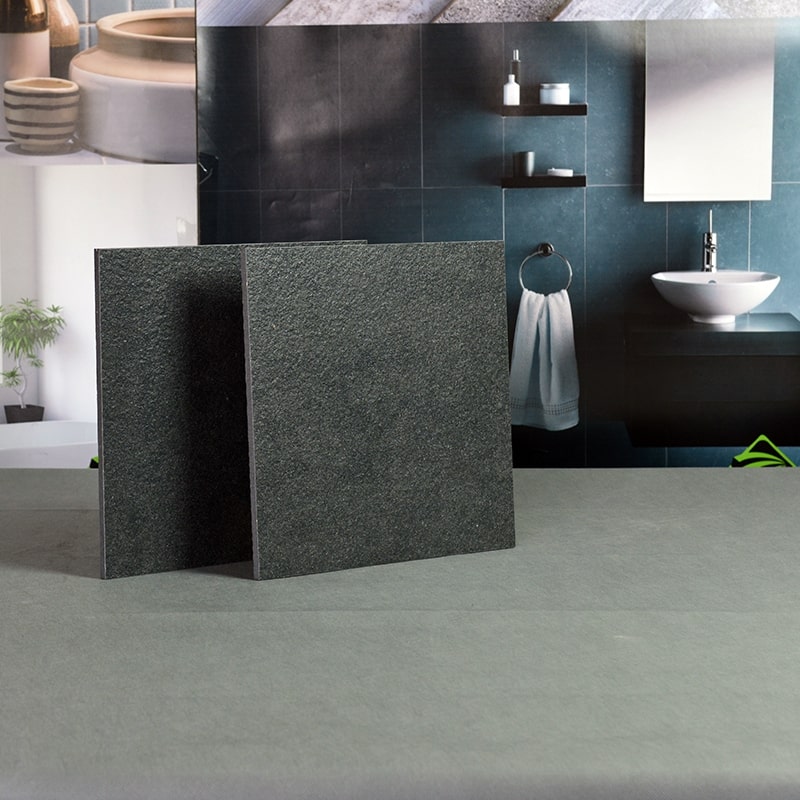
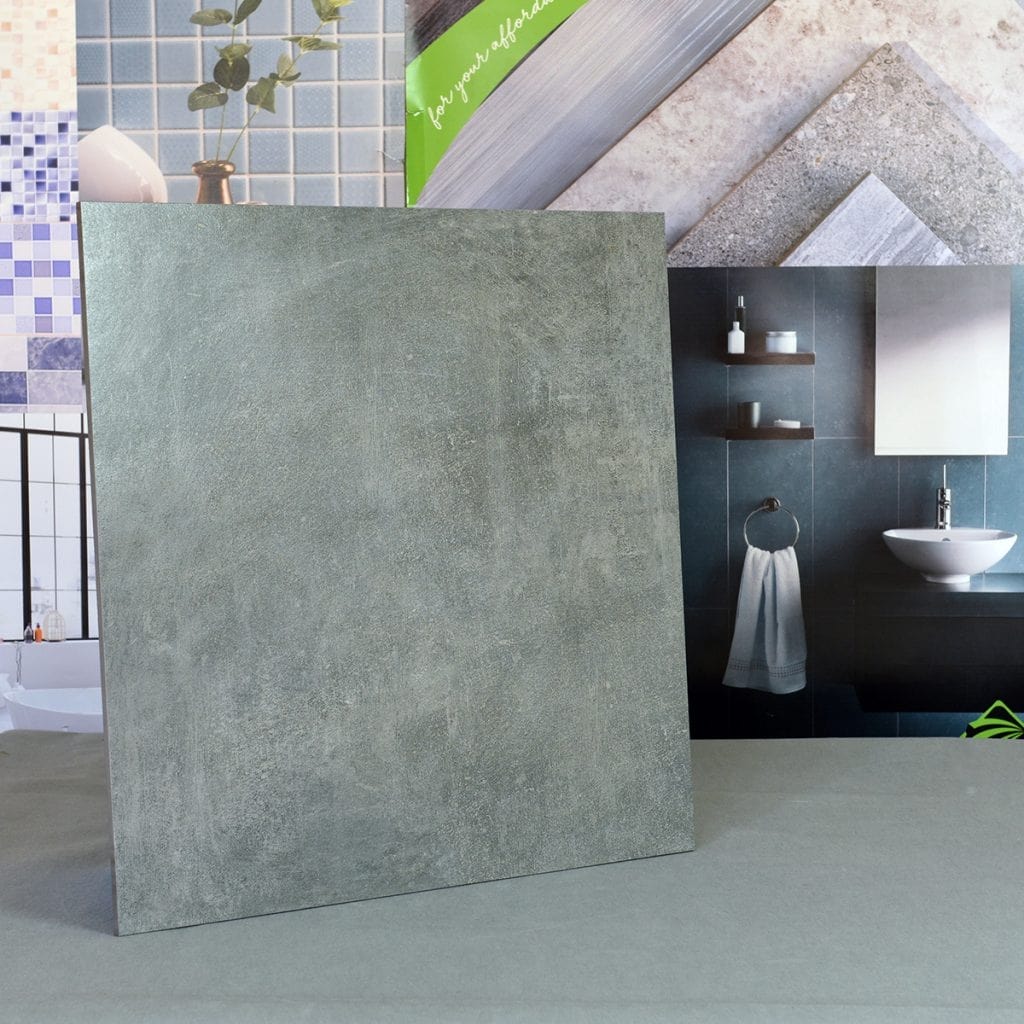
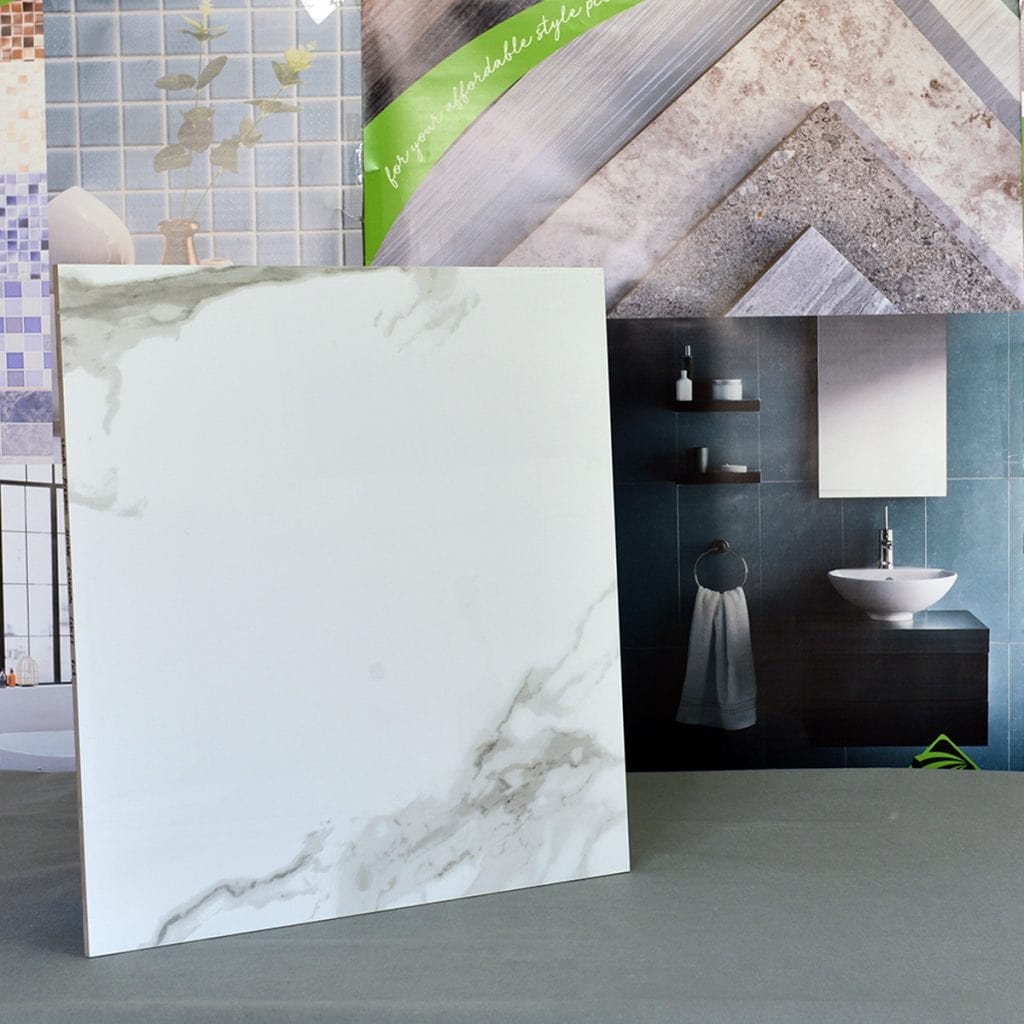
Let’s be honest: most “affordable” floor tiles are just regrets with a discount sticker.
You don’t need to be a structural engineer to know that the wrong tile, installed in the wrong place, in the wrong climate (Adelaide), is basically a countdown to chipped corners, mystery stains, and grout that mysteriously never looks clean again. And no, it won’t matter how “on trend” the colour was.
Adelaide homes—especially those with a bit of age, charm, or a slightly suspicious 1970s concrete slab—have needs—real, non-negotiable, sometimes ugly ones. Your floor tiles can’t just look like they belong. They need to handle a soil type that shifts more than your weekend plans, a climate that swings from “cozy” to “oven”, and indoor traffic that ranges from barefoot toddlers to your cousin who drags furniture like it’s sport.
And here's where it gets interesting: the tiles that survive all this aren’t always the expensive ones.
What most people don’t tell you (either because they don’t know or they’re hoping you’ll just pick the one that looks “nice enough”) is that Adelaide’s renovation game has its own rules. And unless you’re cool with retiling by Christmas, you’ll want to know how to play smart.
Let’s talk about affordability that doesn’t implode after six months. Let’s talk about the quality that doesn’t come with a mortgage extension. And let’s absolutely not talk about tiles like they’re decorative sprinkles. They’re the thing your house walks on. They'd better be tough.
It’s affordable. And then there's the “I’ll be fixing this in six months” approach, which is often seen as cheap.
Tiles that cost less but soak up moisture, crack at the corners, or lose their surface finish after two mops are not affordable. They’re liabilities. Adelaide’s weather doesn’t care about your receipt. If your tiles can’t handle the heat (or the cold swings, or the soil shifts), they’re going to fail early—quietly and then catastrophically.
Now, the part nobody says: you don’t need the expensive imported brands to avoid this. You just need to know what makes a tile worth buying for this postcode.
Start with this:
If a tile seller can’t tell you those things about what they’re selling? They’re selling you a headache.
Here’s a local delight: Adelaide’s famous reactive clay soil. It shifts when it’s wet, it shifts when it’s dry, and your floor doesn’t care which direction it moves—it just cracks if your setup’s wrong.
So if you’re laying tiles directly over a slab in suburbs like Campbelltown, Modbury, or anywhere that sees seasonal movement, you’re at risk. You need underlay and adhesives that flex. You need expansion joints that actually exist. And you need a tile that doesn’t pretend to be something it’s not. (Looking at you, thin “budget” tiles dressed up in fake marble glaze.)
Bonus tip that way too many renovators miss:
Tiles with a thickness below 8mm? Not worth it. They chip easier, and they’re less forgiving on uneven floors—which most of us have.
White grout. Yes, it’s crisp. Yes, it’s fresh. And no, it won’t stay that way unless you mop daily and lie about it.
For floor tiles in Adelaide homes, mid-tone grout is a smarter choice. Not beige. Not charcoal. Just somewhere in the middle where it hides dirt, resists discolouration from Adelaide’s mineral-rich water, and doesn’t highlight every dropped crumb or coffee drip.
Also, if your tiler doesn’t mention grout sealant? Mention it for them. And don’t back down. Grout absorbs moisture, stains, and bacteria faster than anyone wants to admit. Seal it or suffer.
Oversized tiles are trendy. They also demand perfection. Your subfloor needs to be perfectly flat, your cuts need to be immaculate, and the layout requires careful planning. One bad placement and the whole thing’s off.
Also: bigger tiles require more glue, often need levelling systems, and can end up costing more in labour—especially if your floor isn’t cooperating. So no, they’re not always the shortcut to a “luxury look.”
If you do want a large format? Go with rectified edges for tighter grout lines—but only if your installer is knowledgeable about the process. Otherwise, every edge will look like a DIY misfire.
This bit stings for some people. However, a well-presented showroom means nothing if the staff cannot discuss the specifications. You want transparency—not stock clearance disguised as design advice.
The best tile suppliers in Adelaide will tell you:
And if they ever say, “oh, that should be fine”? Ask them why. Every tile comes with a technical sheet for a reason. Make them show it.
Oh, and one more:
Grout width is not just aesthetic. Too narrow and it cracks; too wide and it looks like a brick wall. You need a balance, based on tile size and material. Most people get that wrong.
Floor tiles should last at least a decade. If yours don’t, it wasn’t bad luck—it was a bad setup.
You’re not just choosing colour and texture. You’re choosing whether your tiles in Adelaide can hold up under soil shifts, blazing summers, foot traffic, dropped mugs, and your mate who never removes his work boots indoors.
So yeah—affordable and high-quality aren’t mutually exclusive. But only if you know what you’re looking at.
Ask better questions. Demand real specs. Don’t fall for showroom lighting.
And absolutely, positively, stop thinking “tiles are just tiles.” That’s how regrets begin.