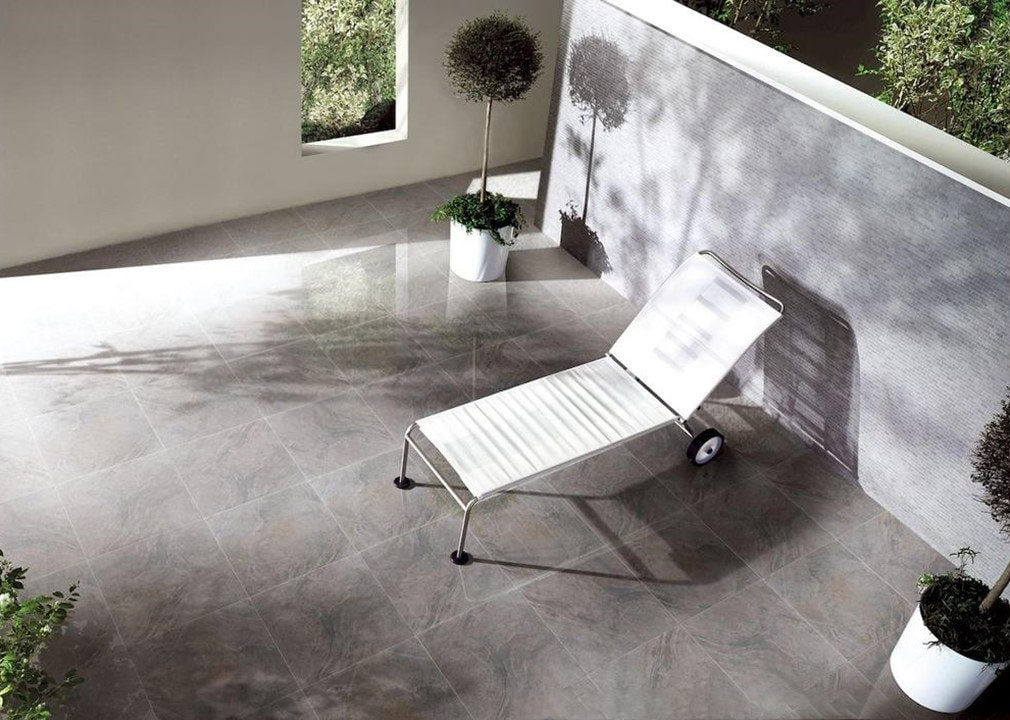
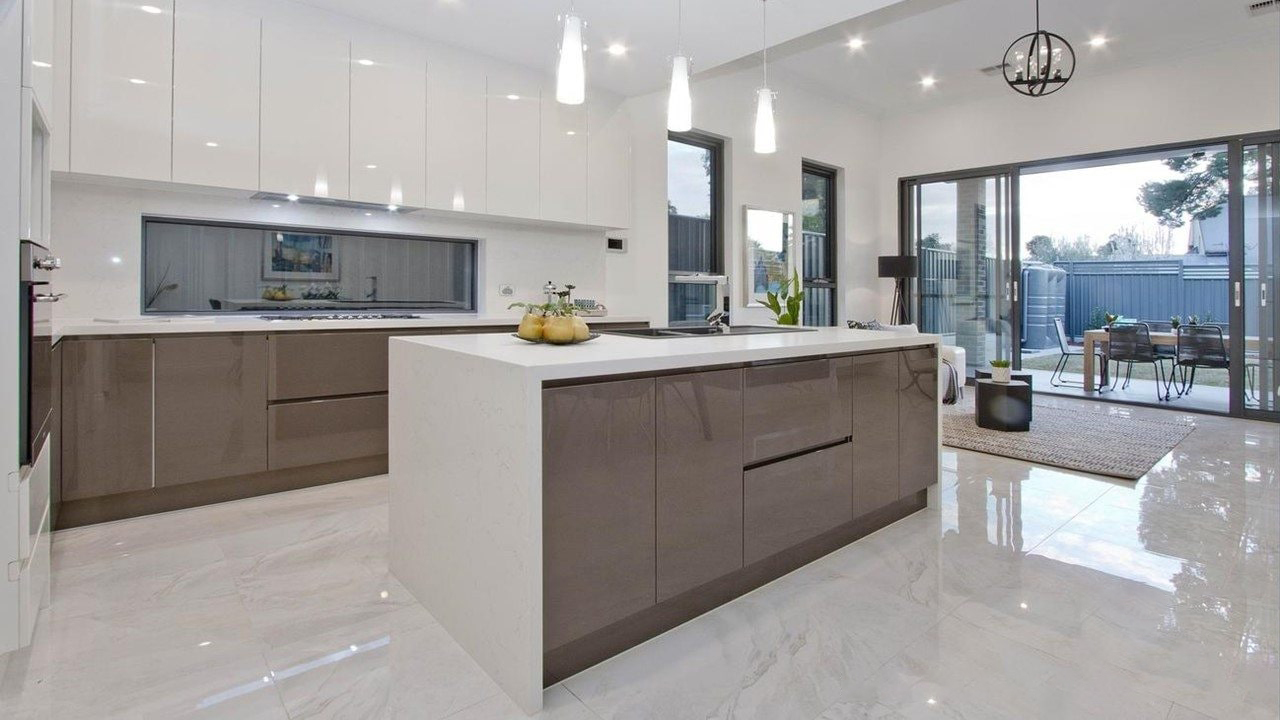
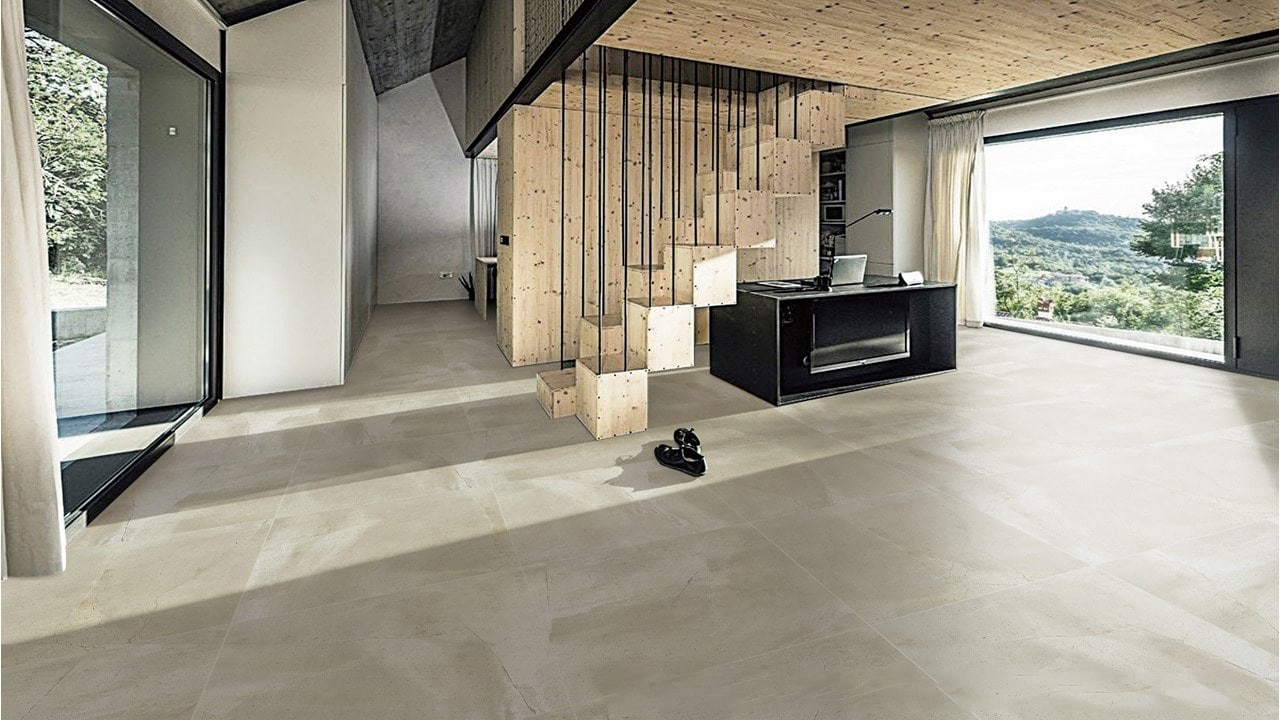
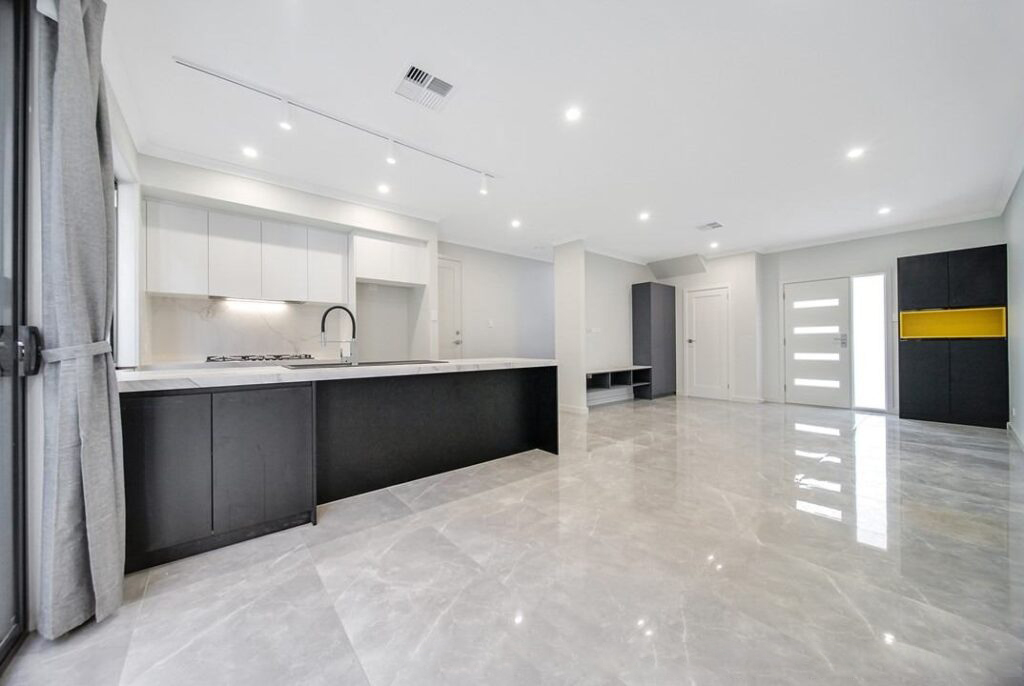
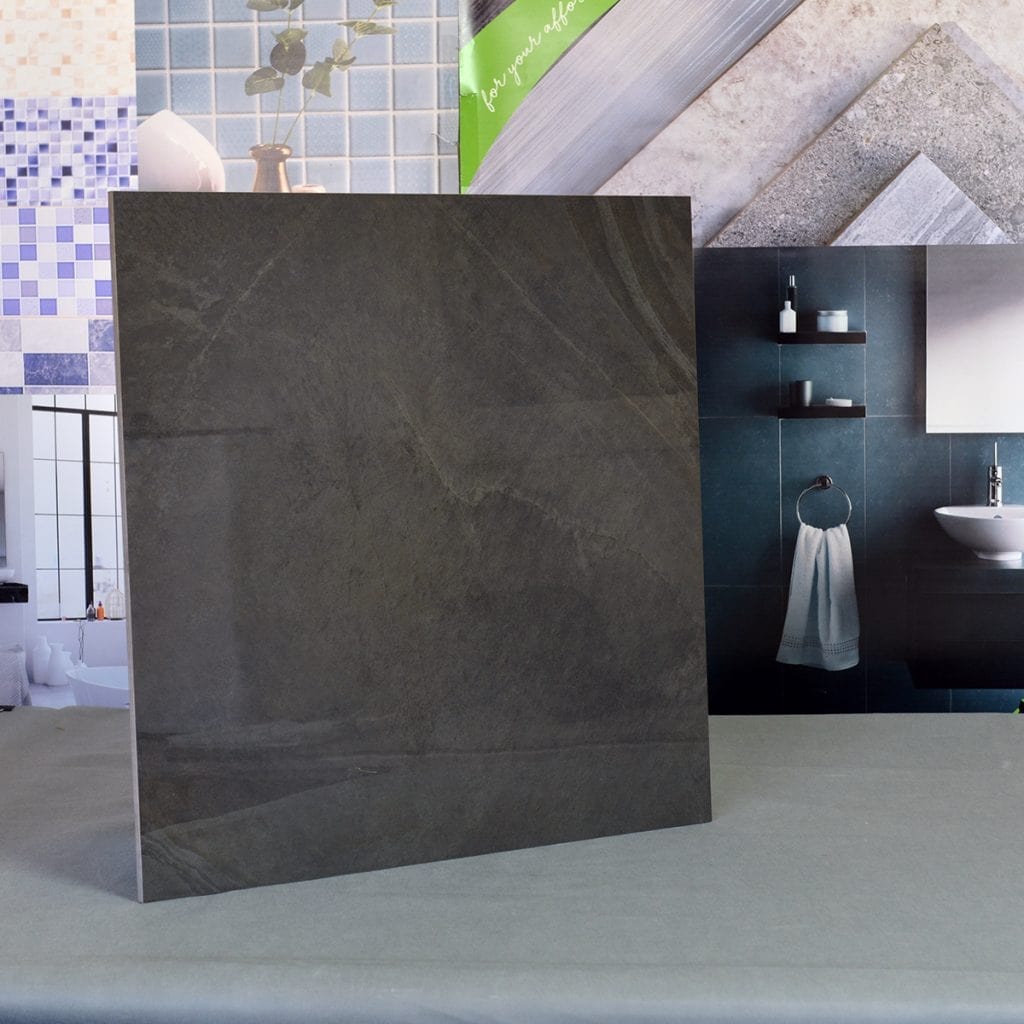
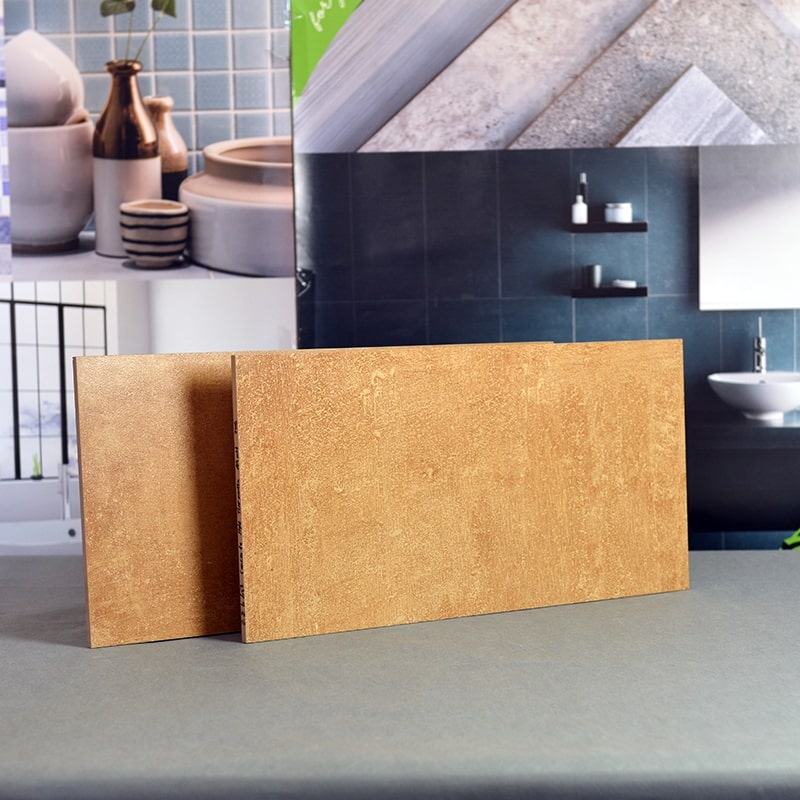
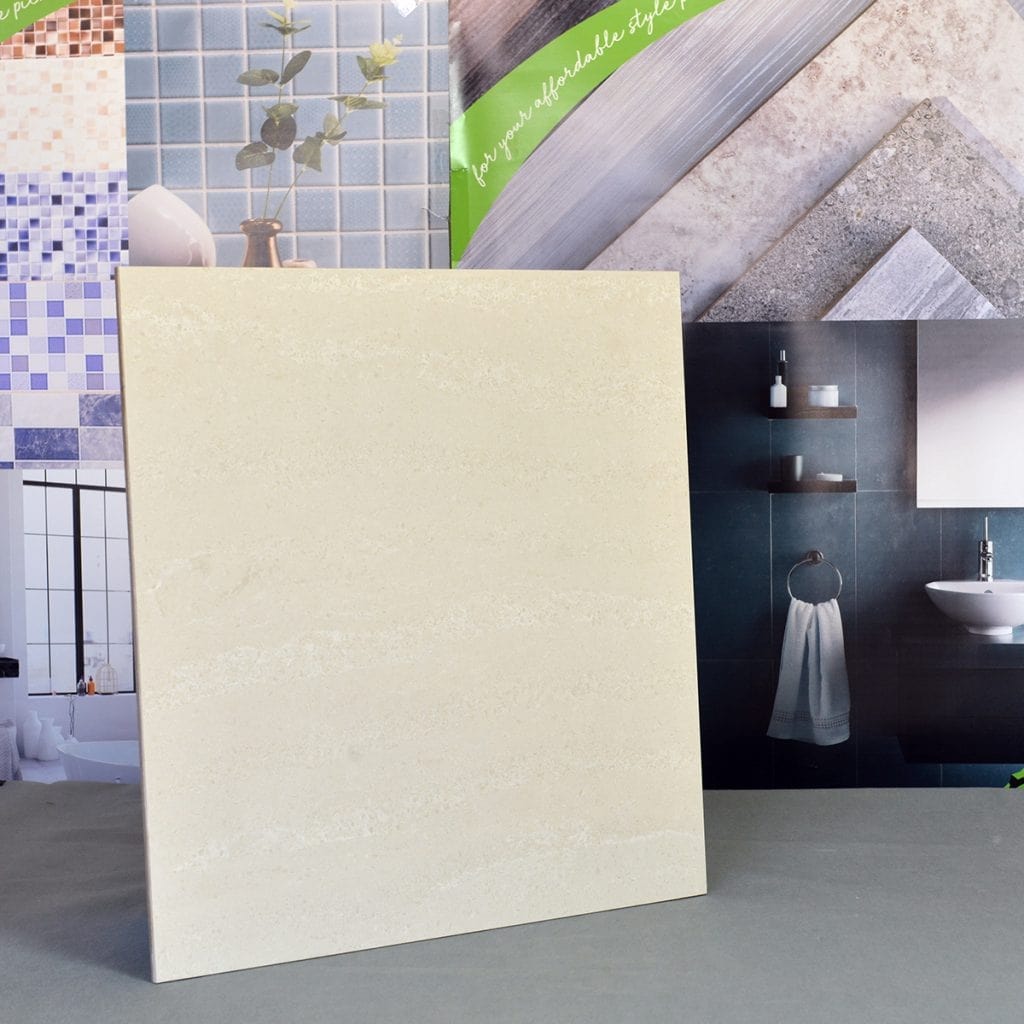
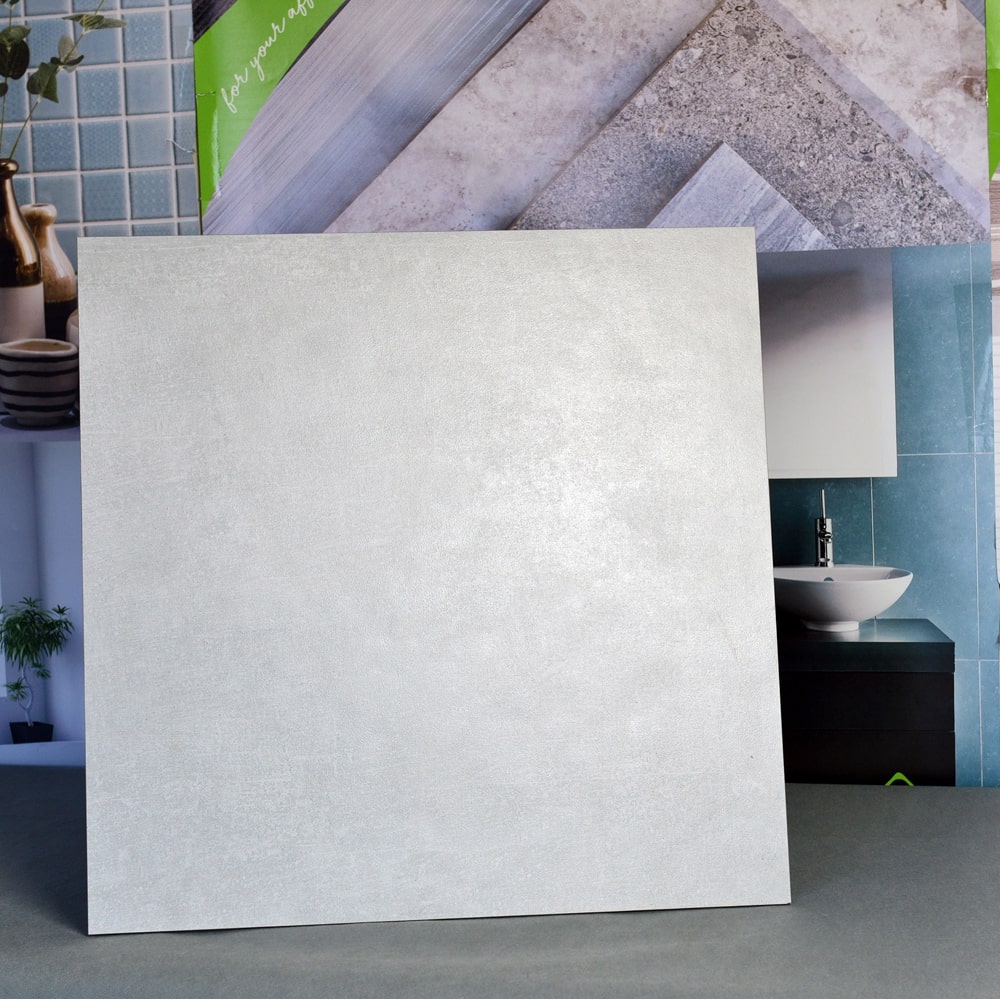
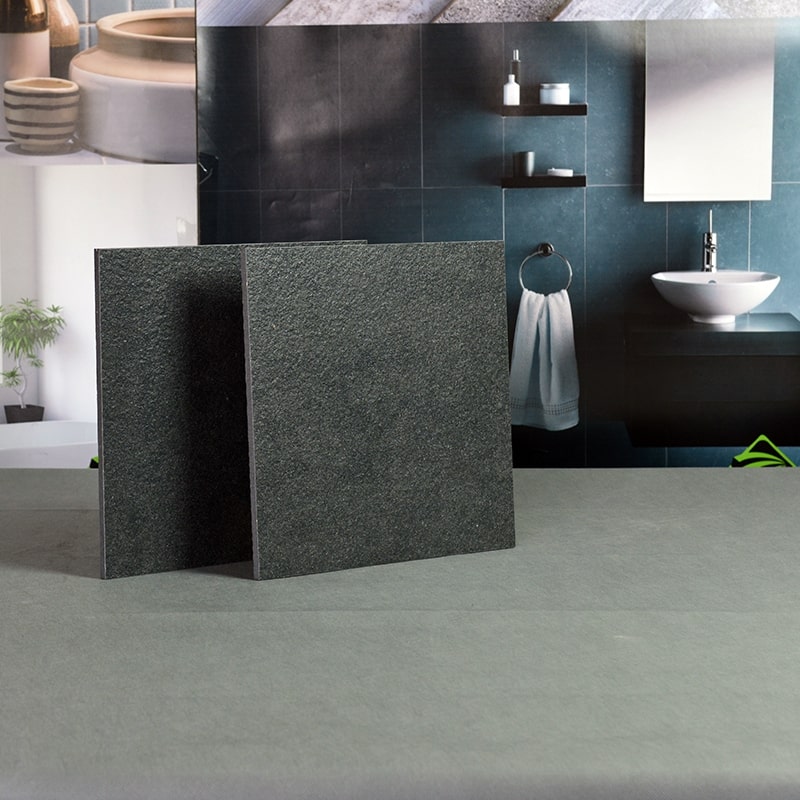
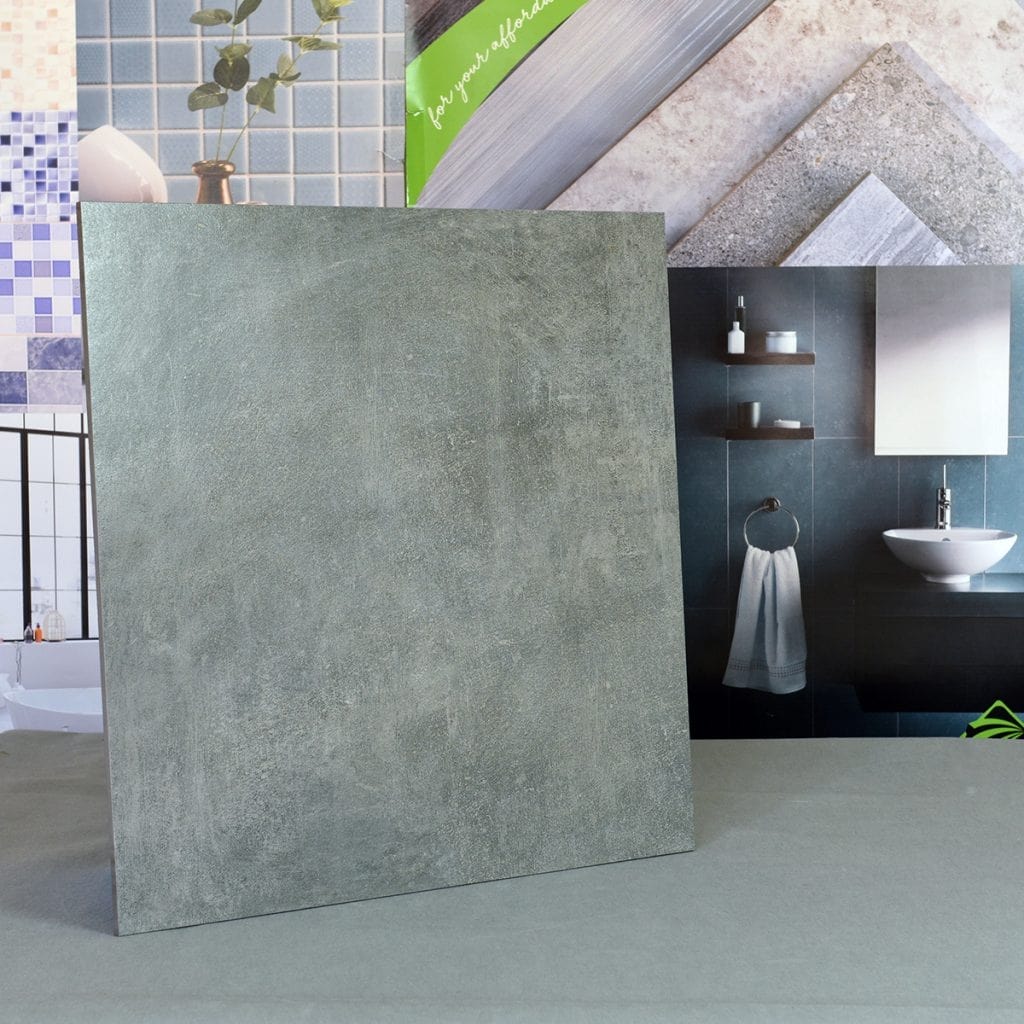
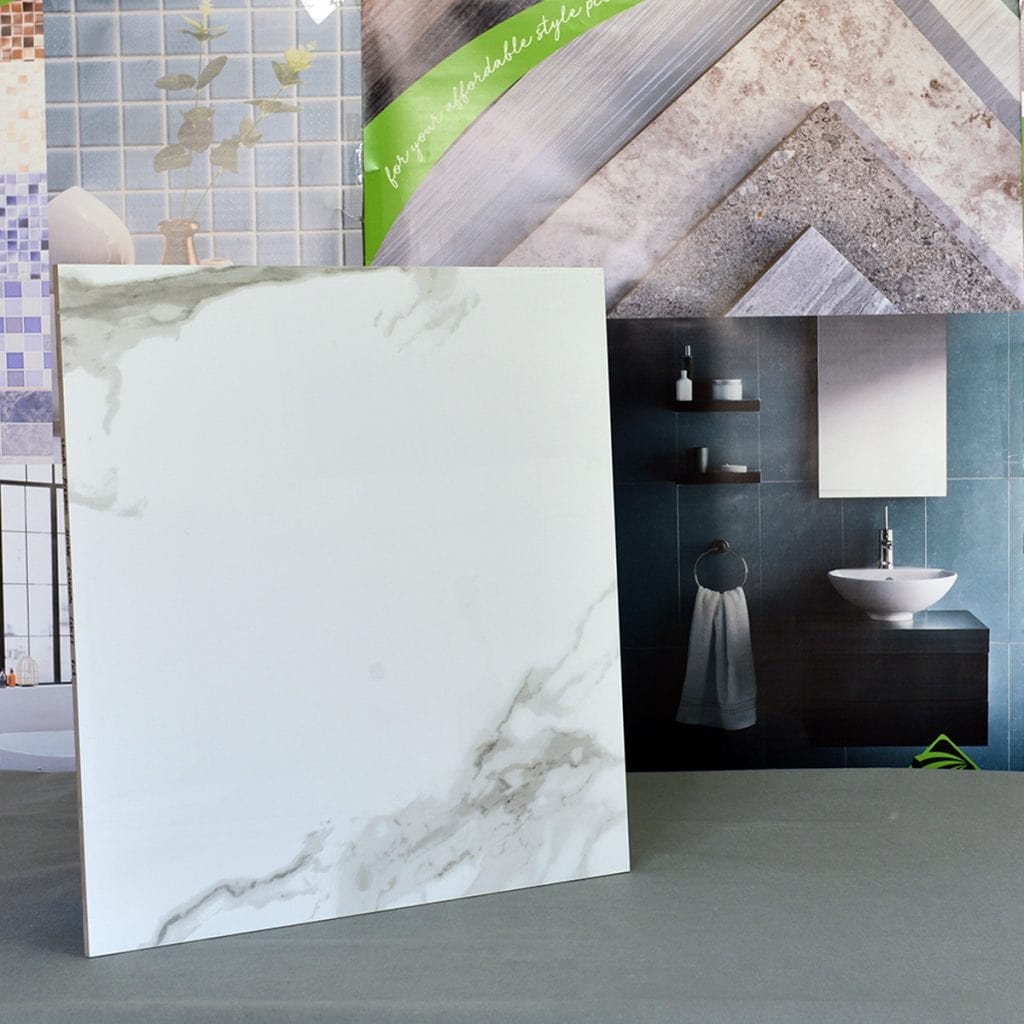
Outdoor tiles in Adelaide have no business looking pretty if they can’t survive a brutal January, a rogue hailstorm, and that charming combo of eucalyptus sap, barbecue grease, and footy boots.
However, most people don’t opt for outdoor tiles. They pick indoor tiles they hope will behave themselves outdoors—and then act shocked when the grout peels, the glaze fades, and the whole thing starts looking like a smashed-up ceramic regret.
Tile advice is full of fluff. Everyone’s regurgitating the same “choose non-slip” and “go with porcelain” nonsense, like that alone will stop your courtyard from becoming a cracked mess by next year. As if durability is just a checkbox and not a whole equation involving sun, salt, slope, and, let’s not forget, your suburb’s microclimate doing its weird little thing.
So, if you're tired of tile talk that reads like it was written for Melbourne apartments or Bali villas—good, you should be. Adelaide needs tougher rules. Different logic. And a zero-tolerance policy for the kind of tile “advice” that forgets you’ve got Hills frost and Henley Beach salt just a few postcodes apart.
You’re about to get the non-boring breakdown. The actual stuff that makes outdoor tiles last and look decent—without you having to tile twice, mop every week, or explain why your once-white grout now resembles soggy Weet-Bix. Let’s get into it.
You’ve seen "non-slip" on packaging before. Sounds great. Means little. The R9 to R13 scale gets tossed around as if it’s gospel, but half the time it’s marketing noise unless you know what you're actually buying.
In reality, P-ratings (yes, a different thing entirely) provide more useful details. You want a tile rated P4 or P5 for outdoor areas—especially if there’s water, dust, leaves, or general foot traffic involved. That smooth finish might feel nice underfoot in the store, but when you’re running across it with wet shoes in July? Not so pleasant. Or safe.
There’s porcelain, and then there’s porcelain that belongs outdoors. And if you don’t know the difference, congratulations—you're halfway to a crumbling courtyard.
Outdoor-grade porcelain should be full-body or double-loaded. Not the decorative kind that cracks if you blink at it the wrong way. You’re looking for low porosity, high density, and a tile that won’t soak up moisture like a sponge, then explode in the middle of winter.
Tiles in Adelaide need to do more than survive a photo shoot. They need to withstand that unique combo of blazing sun, backyard hose floods, and wild temperature swings. Half the tiles sold in retail chains aren’t even close.
It’s tempting to assume all of Adelaide behaves the same. It doesn’t. You’ve got salty air chewing through glazes by the beach and frost sneaking into grout lines in the Hills. Two suburbs apart, completely different tile demands.
Living near the coast? You need high-resistance to salt corrosion. Not optional. Not “nice to have.” Living up high? Frost resistance matters, even if your installer says, “You’ll be fine.” That same installer will mysteriously vanish when you call six months later about surface flaking.
Grout and adhesive matter, too. The right tile with the wrong supporting products is like putting racing tyres on a shopping trolley.
Yes, glossy tiles sparkle. Until the sun turns them into foot fryers and they start reflecting like polished aluminium.
Here’s the unfiltered truth: lighter colours stay cooler and make dirt less visible. Matte finishes don’t blind you. They’re easier to clean, and they don’t betray you every time someone walks across them with wet feet.
And if the tile hasn’t been UV-tested for outdoor use? That dark grey you fell in love with could bleach into a concrete beige. Slowly. Awkwardly.
Big tiles = less grout, right? Sure. But more slipping, more lifting, more “Why is there standing water where it should be draining?”
The larger the tile, the more challenging it is to lay properly on a gradient. And unless your entire outdoor area is levelled with military precision (doubtful), you’re creating puddles that’ll make winter more miserable than it needs to be.
If your area slopes, smaller tiles are more forgiving. They let you build in drainage without butchering the aesthetic. Bonus tip: epoxy grout. It costs more but doesn’t stain, crack, or disintegrate when the rain gets smug.
You probably won’t want to hear this: half the tiles people choose for style don’t make it through the second year. Not without chipping, fading, or becoming harder to clean than a toddler’s lunchbox.
A tile should suit the space and the purpose. Poolside tiles need a different texture and absorption than those used for alfresco dining. Pathways need higher resistance to wear. Mixing form with function isn’t some revolutionary idea—it’s common sense that somehow keeps getting skipped.
And no, you don’t need to match your outdoor tiles to your indoor flooring. That indoor tile isn’t suitable for UV, rain, or pressure washing. Let it stay where it belongs.
You pick a tile. It looks great. It gets discontinued three months later. Now what? Good luck finding a match when two of them crack and you’re left Googling “why does my patio look like a tile crime scene?”
You want locally held stock. Adelaide-based supply chains. Warranties that don’t require 14 calls to someone in another time zone. And if they can’t tell you whether they’ll still carry that tile next year—that’s a red flag you can’t afford to ignore.
There’s no badge of honour in choosing pretty tiles that fail under pressure. Design matters—but only if the tile can withstand the elements in your outdoor space.
This isn’t about playing it safe. It’s about not wasting time, money, and patience on a surface that can’t keep up with your lifestyle, your climate, or your expectations. Tiles in Adelaide need grit—literal and figurative.
Pick them like you mean it.
Conclusion
Look, you can wing it. You can pick based on looks, hope the product label isn’t lying, and convince yourself the installer knows more than they let on. Or—you can make a better call now, so you’re not chasing repairs, replacements, and refund emails later.
Choosing outdoor tiles in Adelaide isn’t hard. It’s just that no one bothers telling you the truth about what actually matters. Now you know.
Use it.