You’d think by now we’d run out of ways to talk about tiles. But no—because just when you thought you had grout figured out, the tile world sneaks in with something like “rectified edge porcelain with a P5 slip rating” and suddenly your bathroom feels like it’s wearing Crocs to a black-tie dinner.
In 2025, Adelaide’s tile trends are brutally specific. If you live here—with our cranky clay soils, hair-trigger weather shifts, and that bizarre tradition of adding outdoor kitchens to houses that already have four BBQs—your tile choices matter. You don’t just need something pretty. You need something that survives a January scorcher, doesn’t turn into an ice rink in May, and preferably doesn’t require resealing every second Sunday.
The design crowd will tell you we’re in the age of “earth tones and tactile finishes.” Great. But which ones won’t clash with your 90s kitchen cabinets? Or better—which ones won’t explode your reno budget because someone decided to zigzag them on the floor like a mosaic tribute to chaos?
That’s what this is for. Not a puff piece, not a moodboard. Actual, usable info. Specific to Adelaide. Specific to 2025. And specific to the kind of person who’s smart enough to know that trends are pointless unless they work for you. Which, frankly, most don’t.
Let’s fix that.
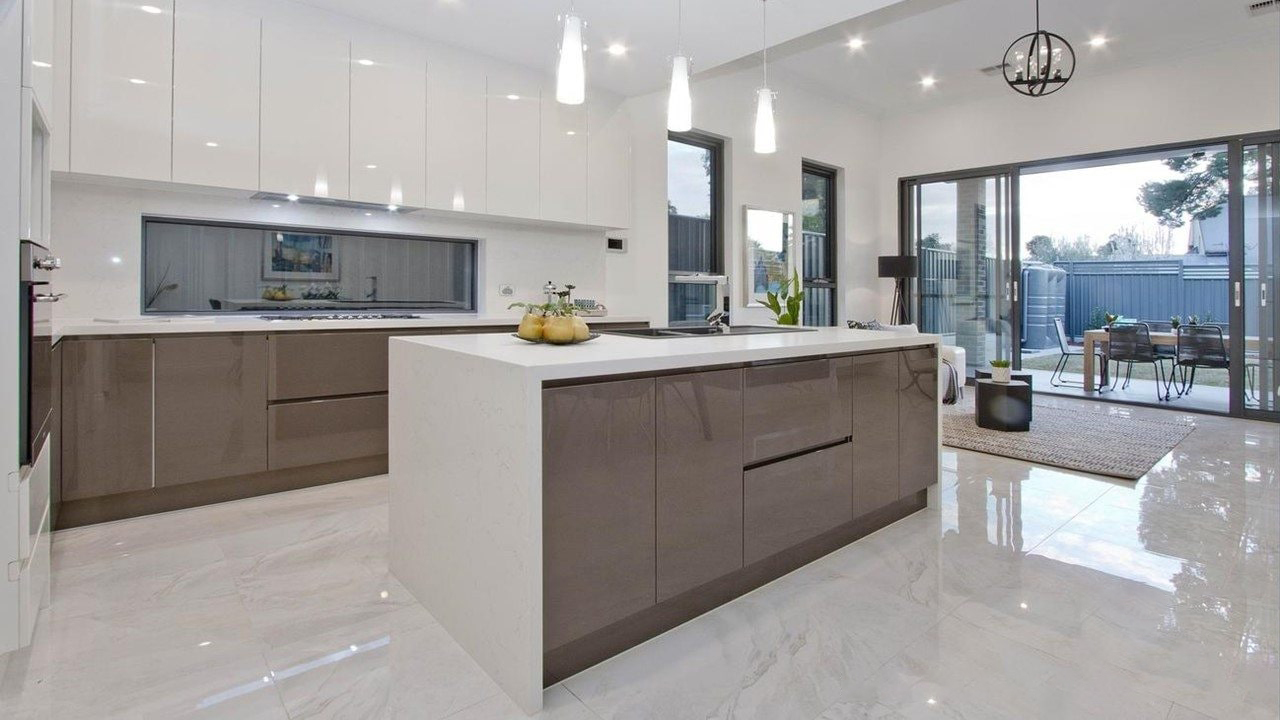
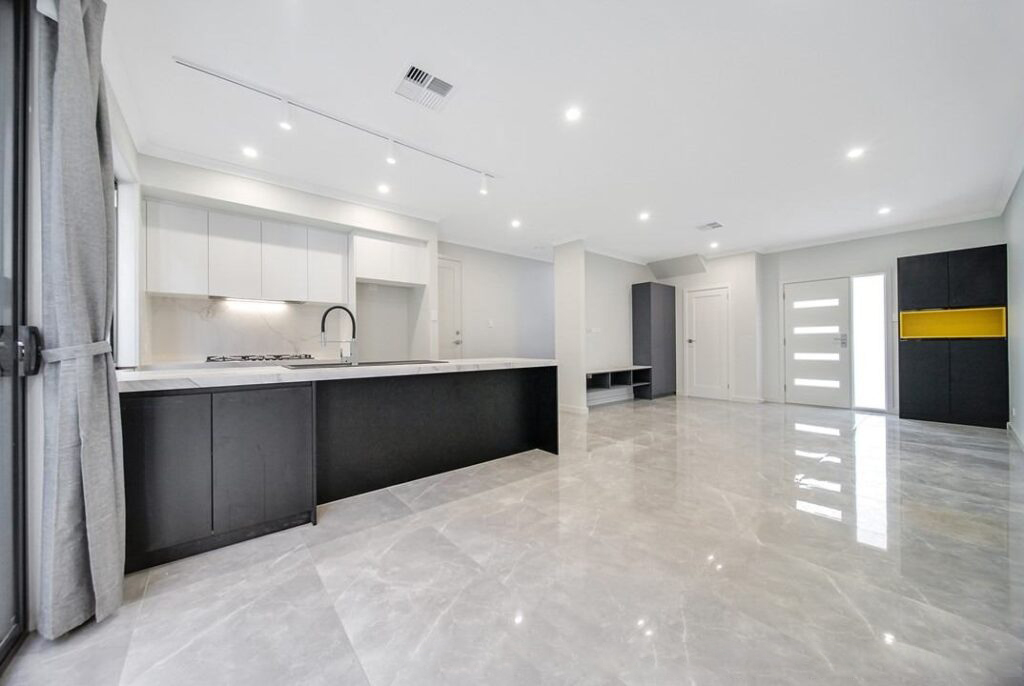
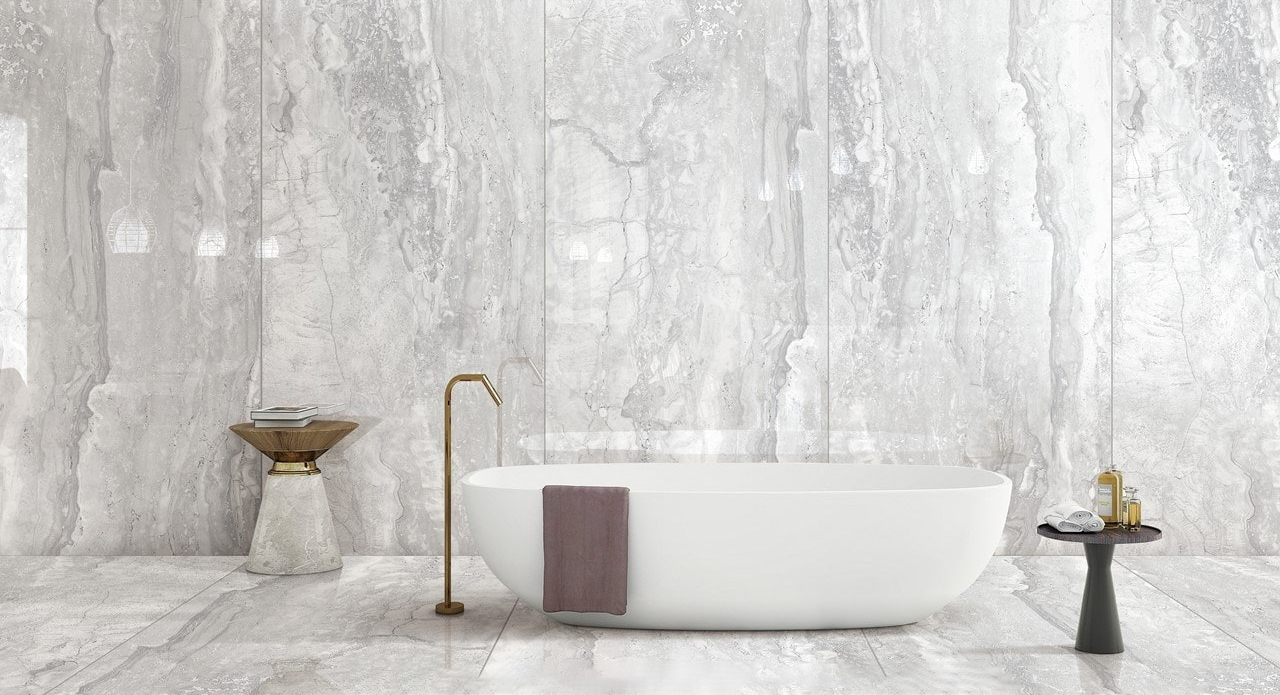
Yes, they’re still in. Yes, they’re getting bigger. Some are so wide they need two tilers and a sacrificial offering to move them. But don’t confuse size with drama. The oversized tile trend is about reducing grout lines—which means fewer spots for grime, mould, and regret.
In Adelaide, where older homes rarely have level subfloors (thanks, reactive clay), large format tiles can either make your space seamless… or a cracked mess. You’ll need proper levelling. Not the “yeah, that’s close enough” kind. Get it wrong, and those beautiful slabs might start shifting like tectonic plates.
Not all floors can handle 900x1800mm slabs, and that's fine. But if yours can? Fewer grout joints. Smoother look. Slightly smug satisfaction.
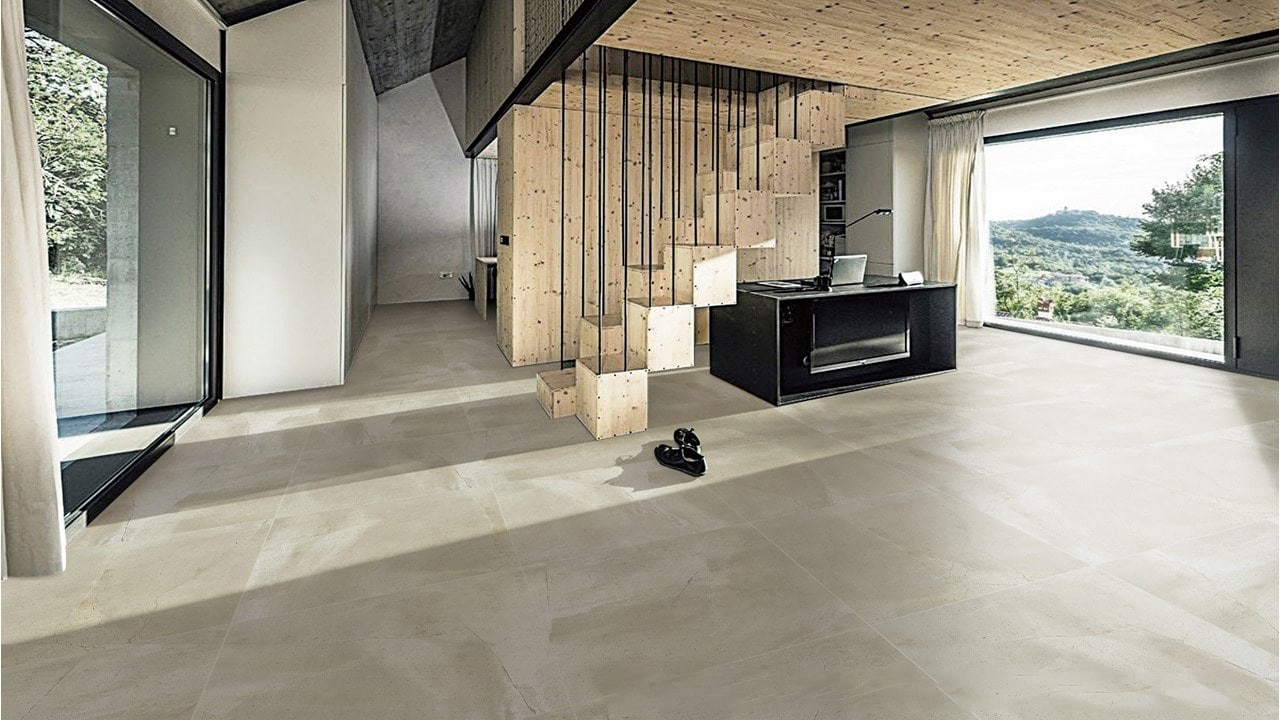
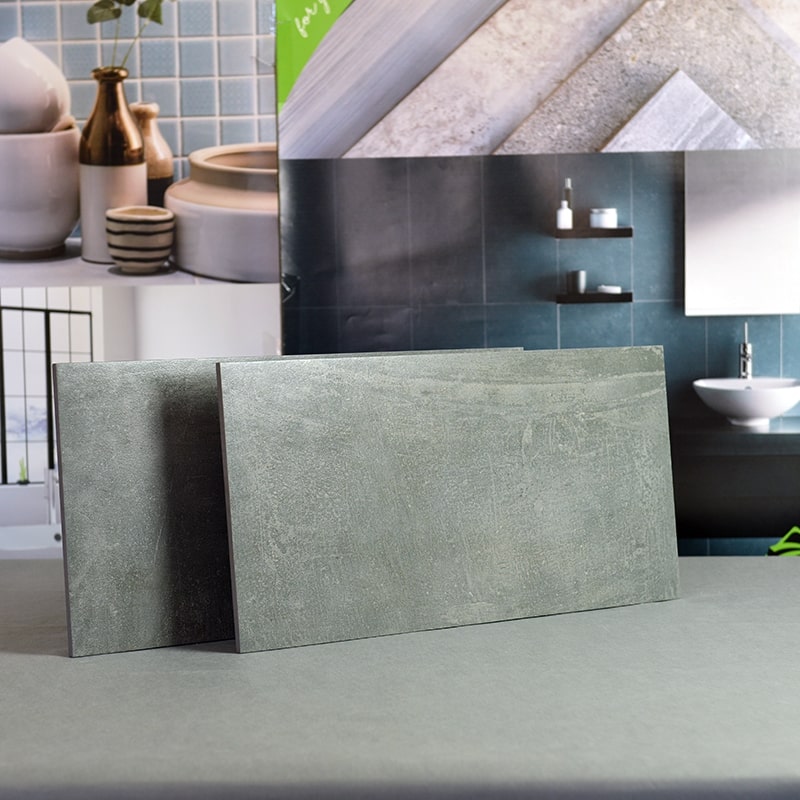
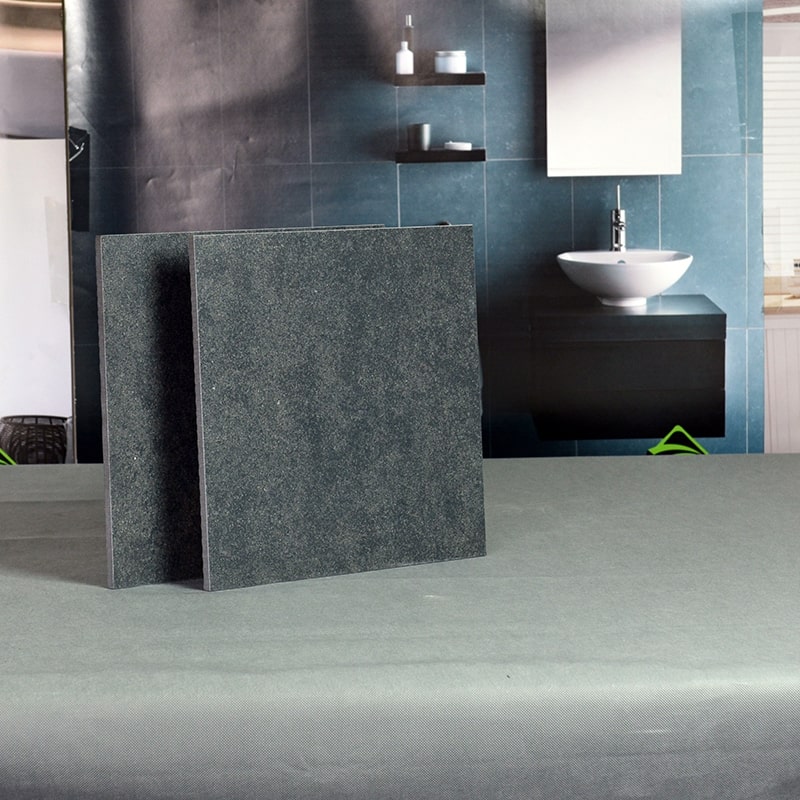
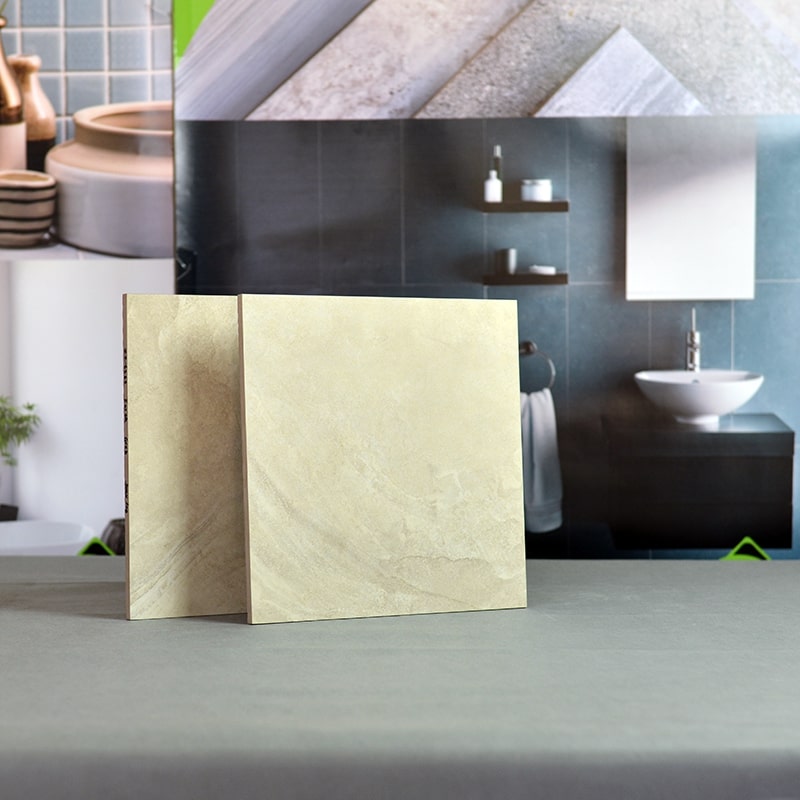
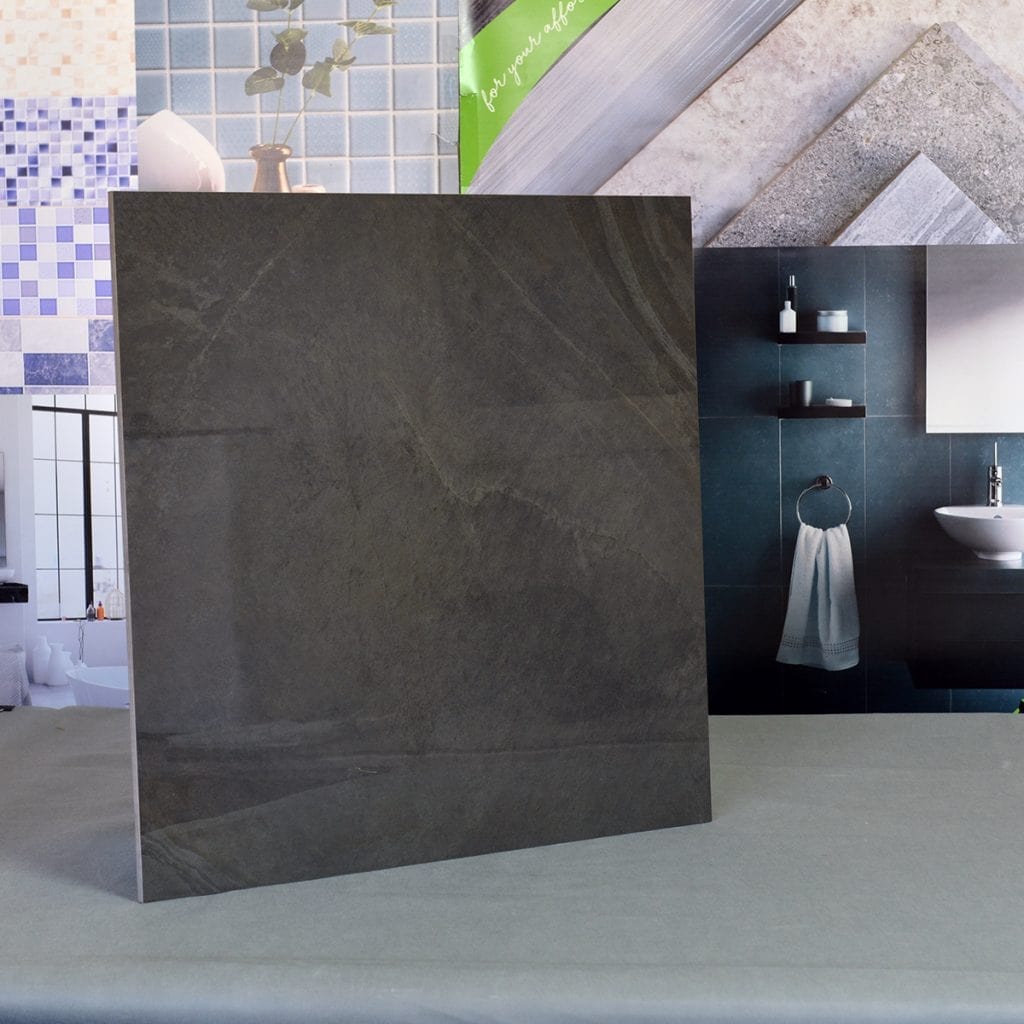
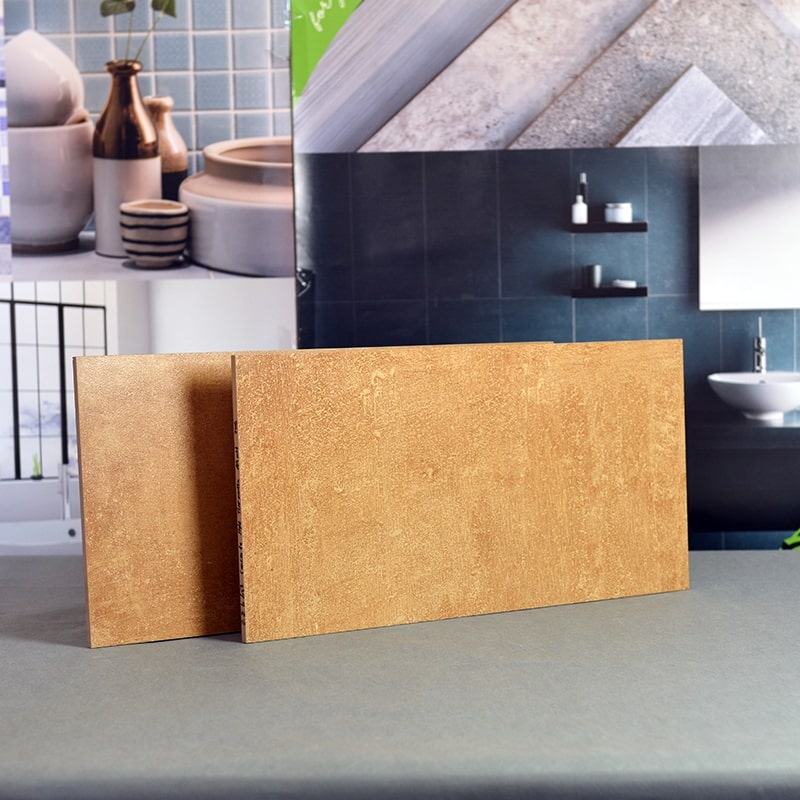
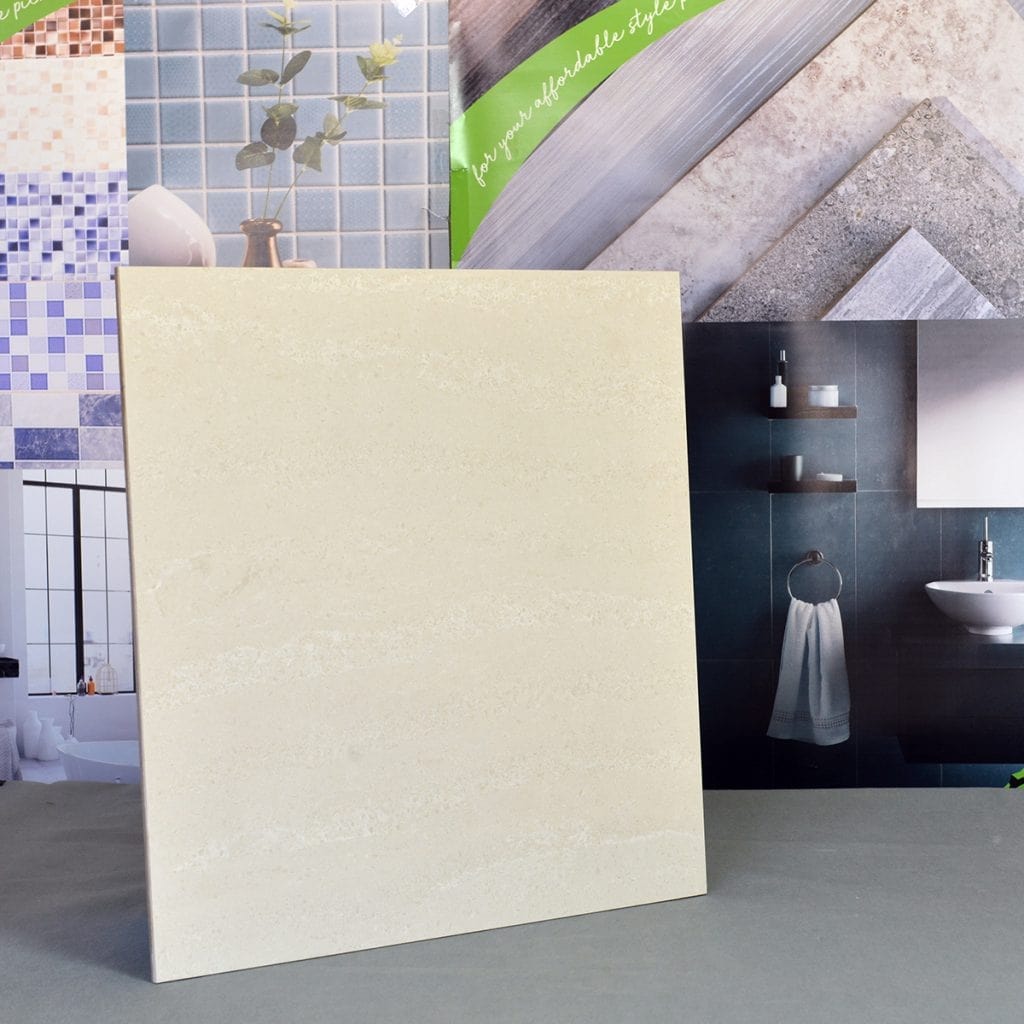
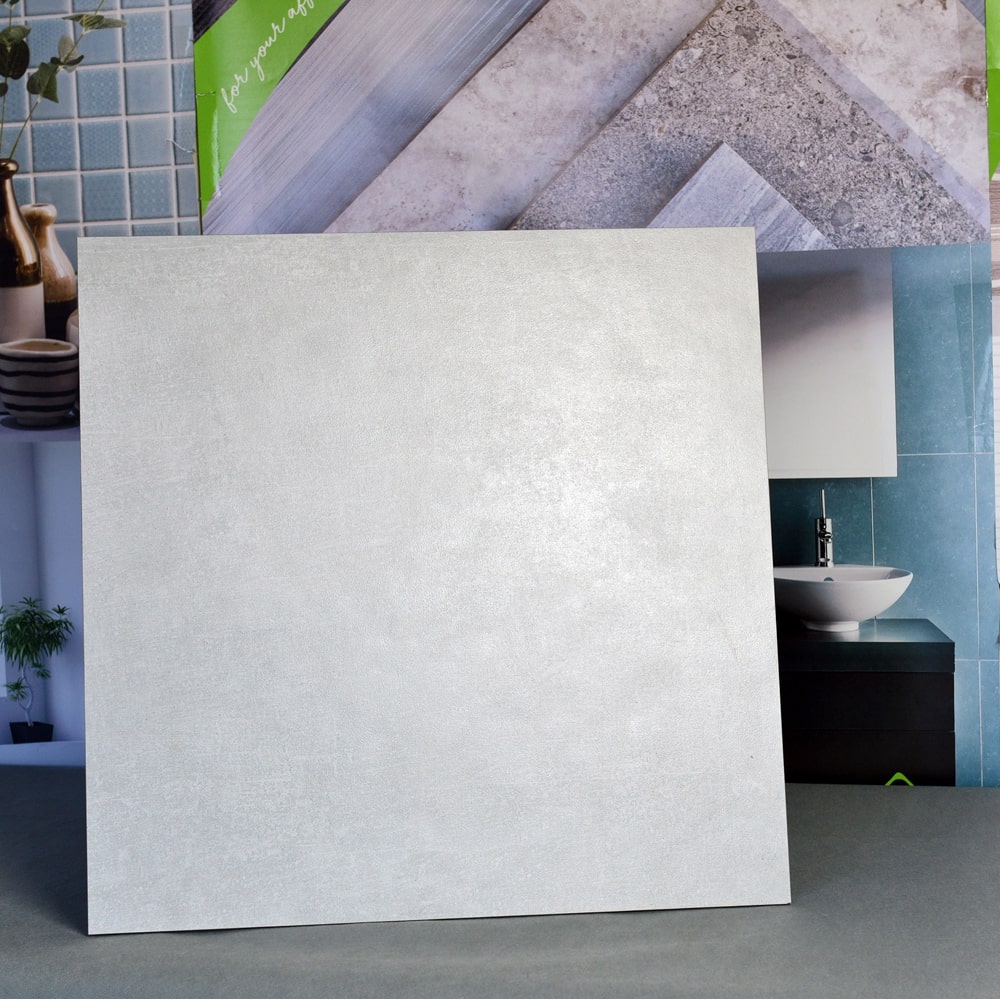
White-on-white-on-glossy-white? Done. 2025 is dragging tiles back to earth—literally. Clay, ochre, olive, rust, and even concrete greige are leading the pack not just because they look grounded and refined. Because they do what shiny white tiles never could: camouflage everyday filth.
And yes, it’s deliberate. People are sick of cleaning. They want floors that don't tattle every time someone walks in with damp feet or drops a crumb. These tones work particularly well with Adelaide’s love affair with timber accents and recycled brick, which is why you’ll see them everywhere this year.
Matte finishes are doing most of the heavy lifting here. And they’re pulling it off without making your floors look dusty 24/7. That’s a real win.
Not rough like sandpaper, but definitely not flat either. In 2025, texture is subtle, strategic, and incredibly functional, especially in a city like Adelaide, where homes juggle summer heat, bathroom condensation, and floors that double as indoor–outdoor thoroughfares.
These textures aren’t just about grip (though that matters). They soften light, they add depth, and they break up those too-perfect surfaces that somehow make your whole home feel like a dentist’s office.
You’ll want to keep an eye on finishes like lappato (semi-polished), raked, or soft matte. Skip ultra-slick polish unless you enjoy involuntary yoga poses in the bathroom.
If you still think green building is for hippies and school libraries, you’ve missed the memo. Tile manufacturers have started pushing sustainability hard—and Adelaide homeowners are asking tougher questions in return.
Tiles made with recycled content are now strong enough for high-traffic floors, not just feature walls. You’ll find slabs with 40%+ recycled body content and proper third-party certifications. These aren’t charity tiles. They’re engineered to perform.
And here's the catch most people miss: choosing locally or regionally produced tiles (or those shipped with shorter freight distances) might actually help with council approvals and future energy reports. Whether or not you care about the planet, that kind of compliance friction is worth avoiding.
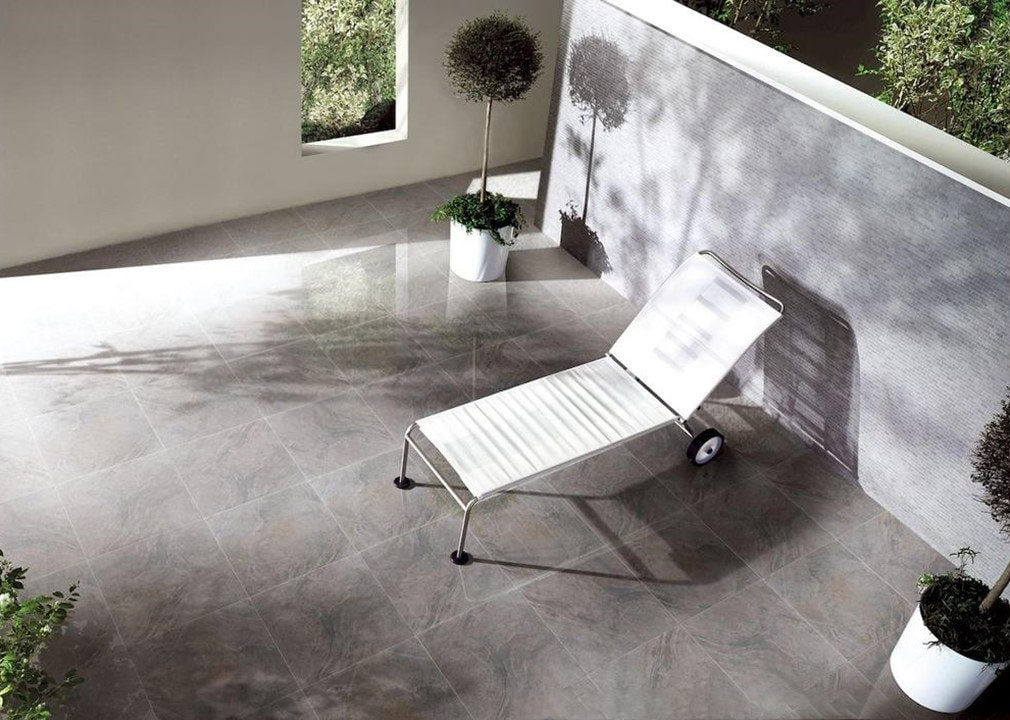
Adelaide’s weather isn’t subtle. Outdoor tiles in this city are exposed to UV, flooding, dirt, and backyard DIY projects gone wrong—sometimes all in one week.
Porous stone is out unless you love resealing it twice a year and still watching it discolour. Porcelain pavers are your best bet now—dense, non-porous, and rated for slip resistance that actually means something. If you're doing anything near water—pool, garden hose, drunken uncle with a beer—go for a P4 or P5 slip rating.
Also, start checking for "vitrified" porcelain. That just means it barely absorbs water. And less water = less chance of cracks when temperatures swing 15 degrees in an afternoon.
Colour isn't the only thing making waves. Layouts have started showing some teeth. Stacked verticals. Mixed formats. Herringbone that isn’t just a kitchen backsplash cliché.
People are using bold layout patterns in neutral colours, which makes the design feel layered without making it unhinged. You can keep the palette clean and still have a floor that doesn’t feel like a developer special.
But watch your tiler. These layouts don't require decision-making, especially in tight Adelaide rooms, where even a slight misalignment can disrupt the entire space. Ask to see photos of previous work. If they flinch, move on.
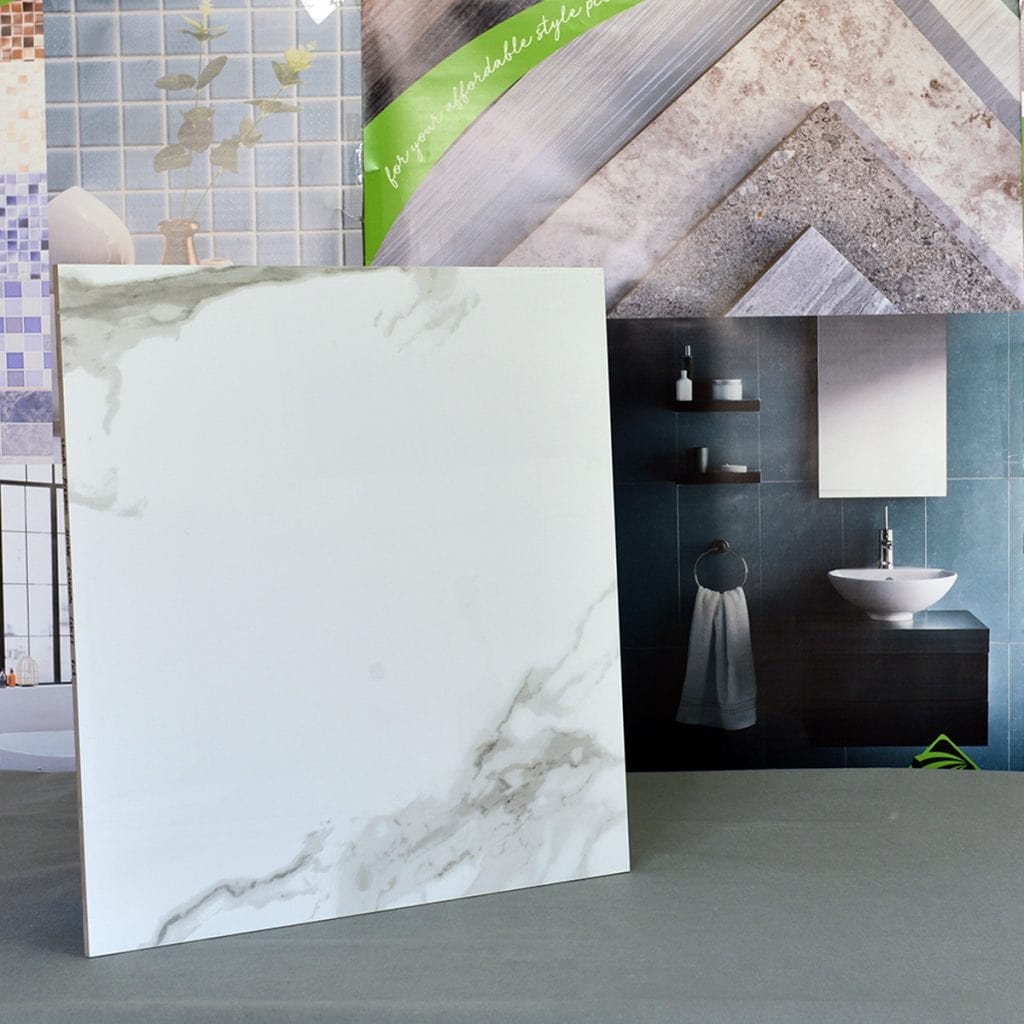
Marble. Terrazzo. Timber. You know the look. You’ve probably been burned by a bad knockoff before—repetitive patterns, plastic-y finish, fake veining you can spot from three suburbs over.
That’s changed. In 2025, digital tile printing has reached a level of realism that’s honestly unnerving. You’ll see unique faces, natural flow, and enough surface variation that even tile nerds have to double-check.
If you're buying timber-look tiles, ask how many "faces" the range has. Eight is a minimum. Anything less and you're playing pattern roulette. You’ll end up with three identical "planks" lined up like a glitch.
Grout lines used to be an afterthought—just a necessary evil. Now they’re becoming intentional design choices. And thank god for that.
Contrasting grout makes light tiles pop. Colour-matched grout makes bold tiles feel more refined. But the real shift is in performance: UV-stable, stain-resistant, flexible grout. Particularly handy in sun-drenched Adelaide homes where the light does its best to fade everything you’ve ever loved.
Oh, and yes—grout still needs sealing if it's cement-based. No shortcuts.
Wrap Up!
Trends are great. But none of them matter if your tiles can’t handle your real life—your climate, your budget, your subfloor that’s seen better decades.
So don’t just pick what looks good on someone else’s Pinterest board. Pick what works for tiles in Adelaide—where durability is just as trendy as design. And where your tile decisions will outlast your latest paint colour, your current dog, and probably your will to renovate again any time soon.