You don’t need a spreadsheet to know that half the kitchens in Adelaide are doing the absolute most with tiles that are doing the absolute least.
Somewhere along the way, style became a Pinterest board, and functionality got left behind, along with that one tile sample you were definitely going to come back to. At Aurees Tiles, we help Adelaide homeowners cut through the noise by offering options that strike a balance between style and practicality from the very beginning. You’ve seen it: sleek-looking floors that turn into indoor slip-n-slides in summer, grout lines wide enough to host a herb garden, and finishes that seemed fine until the sun hit them like a freight train.
It’s not your fault. Most tile advice out there is either aggressively generic or weirdly committed to European farmhouse aesthetics. And not one of those influencers has ever tried to mop a high-gloss ceramic in 42°C heat with dry air stealing the water as it hits the ground.
Look, what works in Melbourne probably won’t hold up here. Adelaide kitchens play by a different rulebook, the weather’s spikier, the light is brutally honest, and let’s just say your tiles need more than a pretty face. They need to work. Quietly, smartly, relentlessly. And yes, they still need to look good while doing it.
So if you’re after tiles that won’t quit the moment the temperature does something weird, and if you’d rather not replace your floor the next time trends do a full 180, keep going.
Yes, even tiles have local baggage. And in Adelaide, that includes dry heat, sudden cold snaps, and daylight that exposes every surface like it's on trial.
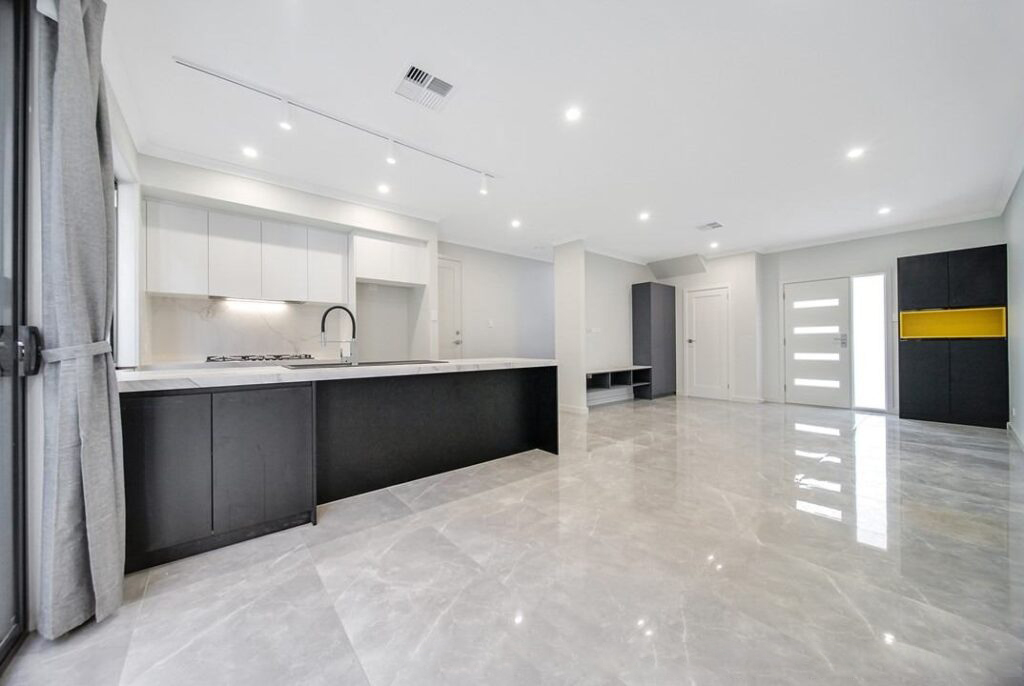
The sun here doesn’t glow—it interrogates, which is why tiles that looked perfect in the showroom might glare like polished aluminium once they’re under your skylight. You don't need that. What you need is something that plays nice with UV without trying to blind you.
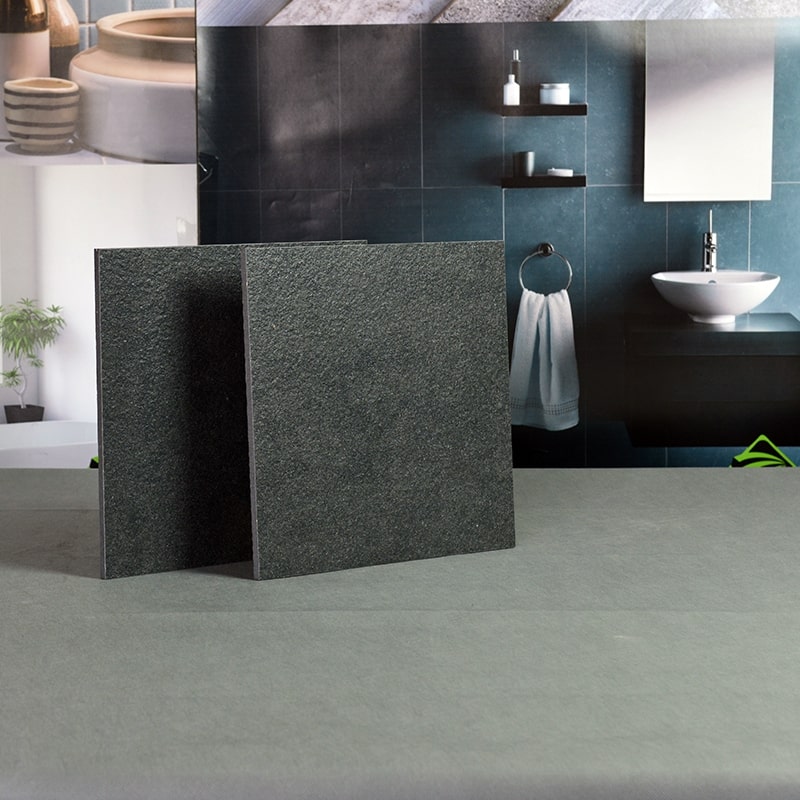
That’s where Matt and Satin's finishes come in. They're quieter, less reflective, and (minor but worth noting) a lot more forgiving when you haven’t cleaned for, well, a while.
There’s a reason why porcelain tiles in Adelaide kitchens have quietly taken over. Not because they’re trendy. Because they just don’t crack under pressure. Or temperature swings. Or the inevitable dropped serving spoon.
Here’s what most people miss: Adelaide’s dryness messes with adhesives, and not all tile materials handle movement well. Porcelain’s denser. Less porous. Doesn’t freak out when the weather changes its mind. It's also a dream for kitchens, because it won’t soak up every oil splatter and turn into a living timeline of your cooking habits.
It’s not glamorous, but neither is retiling your floor two years in because your grout looks like it went through three lifetimes.
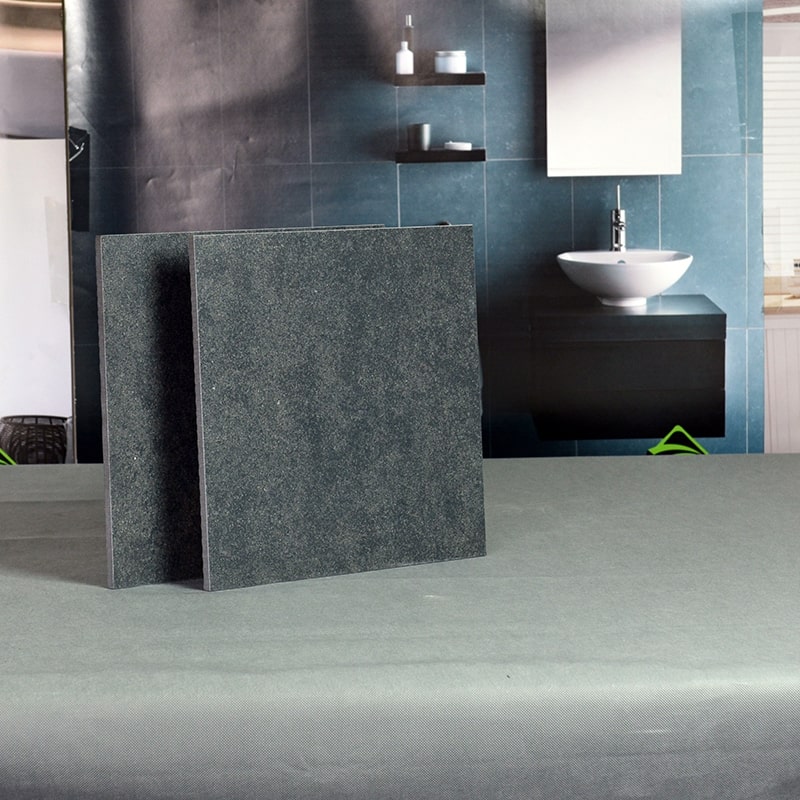
Texture’s not just a design detail. It’s what stops your socks from becoming sleds on Monday morning when you’re half-asleep and carrying coffee. Subtle grip can be the difference between “sleek and modern” and “regret and bruised tailbone.” Adelaide homes need that more than most; the climate’s dry, and dust likes to travel.
Now, grout. That unsung little line that everyone forgets about until it’s filthy. Here’s the thing: the right grout colour does more than blend. It protects the aesthetic. Light grout + red wine = you know how that ends. Mid-tone or darker? Much safer, and it holds its dignity longer.
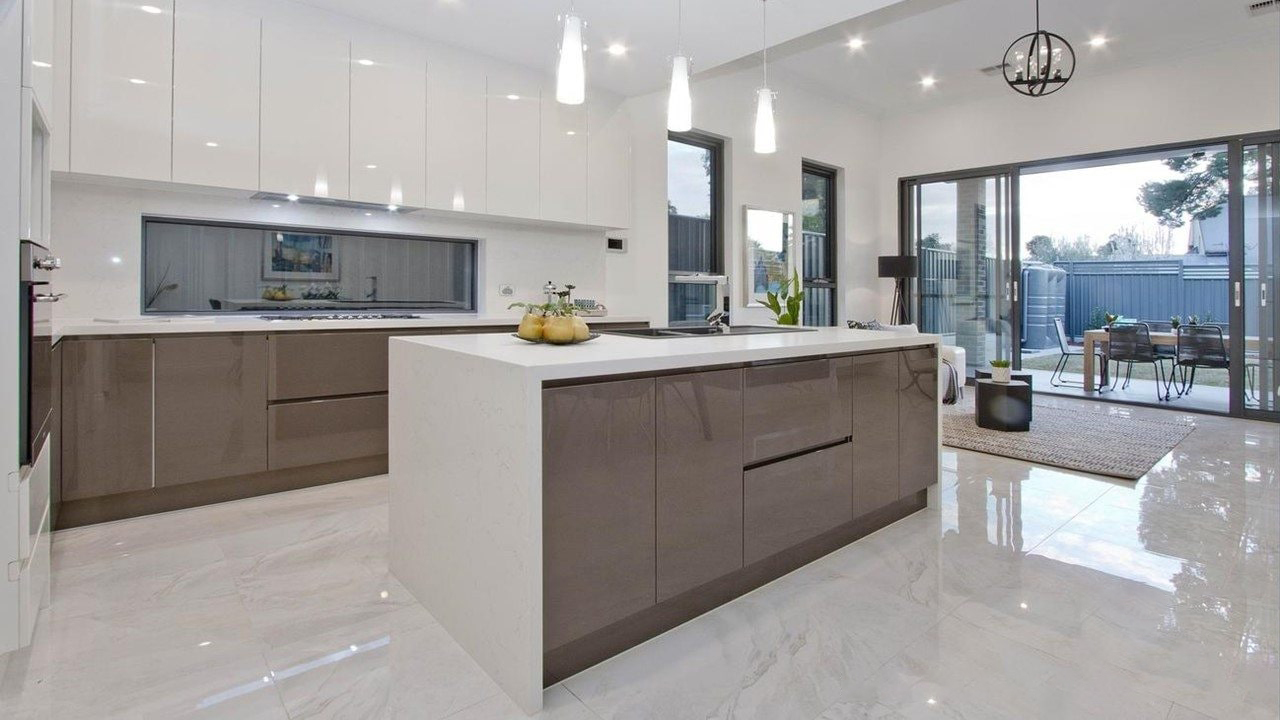
And size? Larger format tiles mean fewer grout lines, faster cleaning, and less visual noise. Not always the cheapest option upfront, but long-term? Worth every cent.
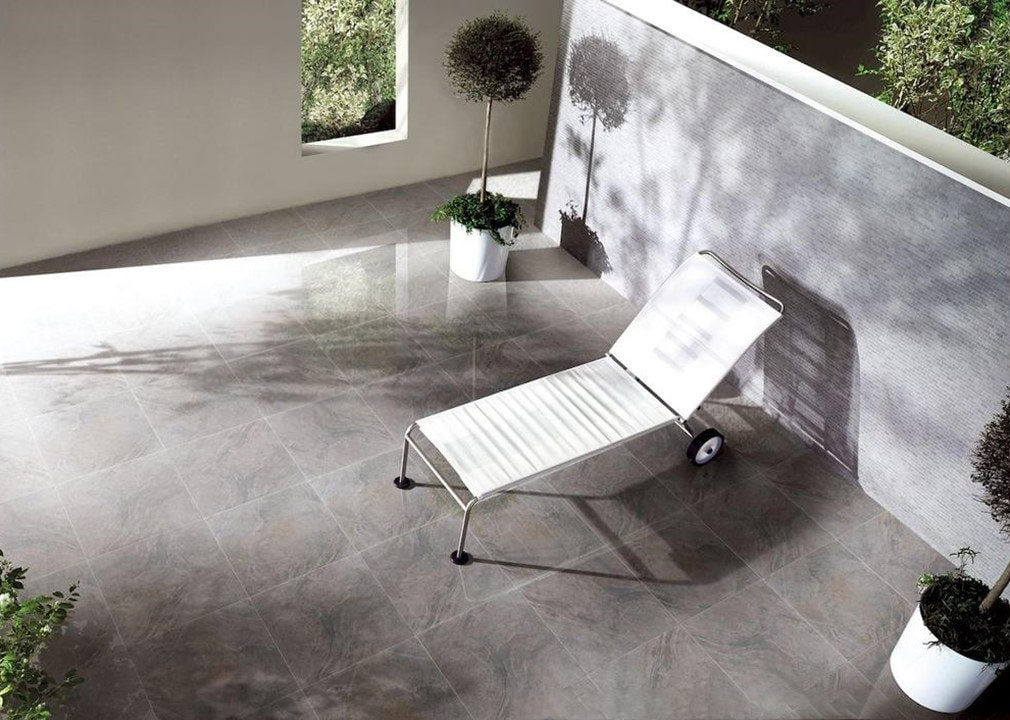
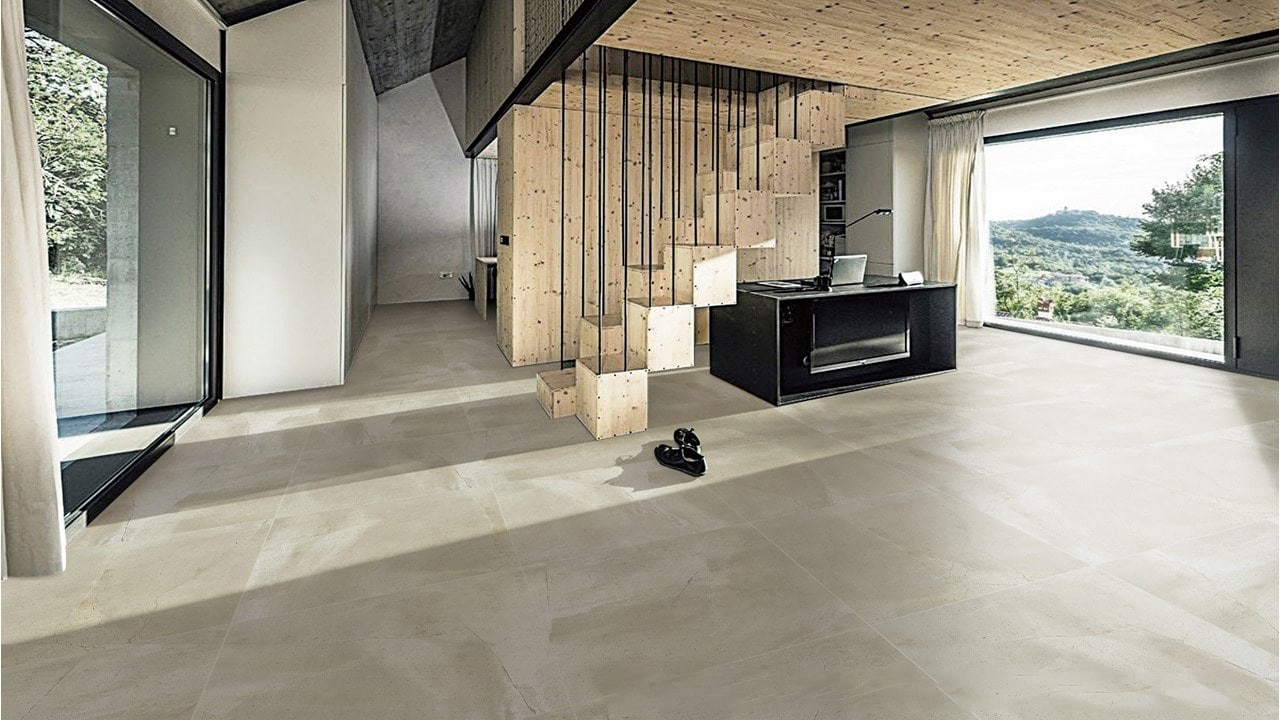
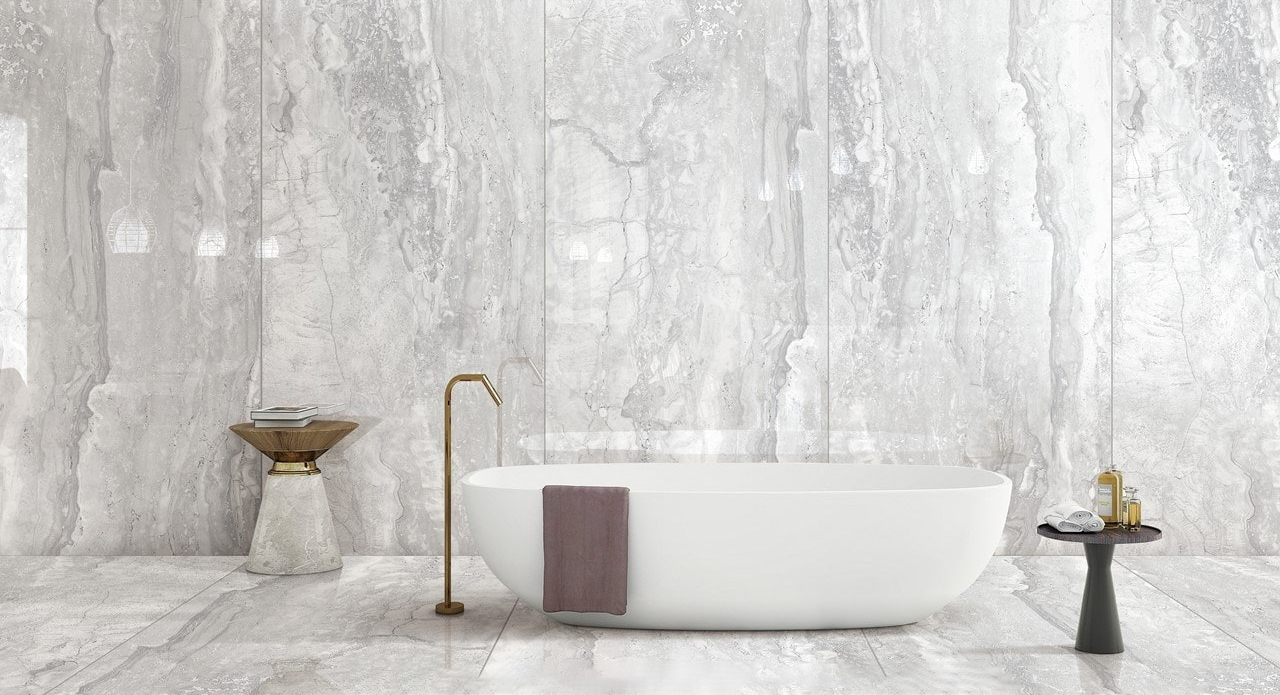
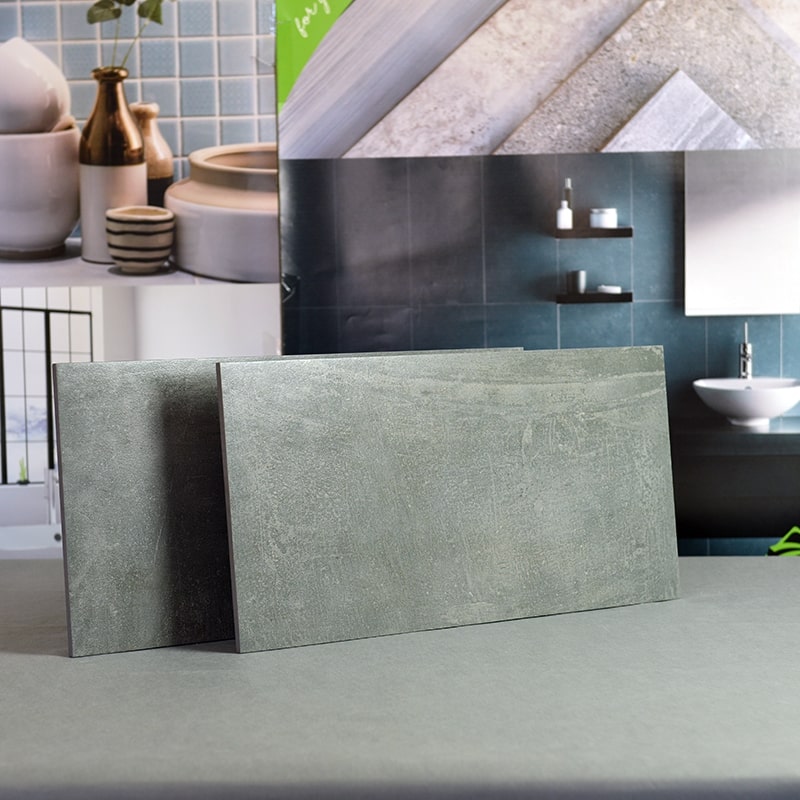
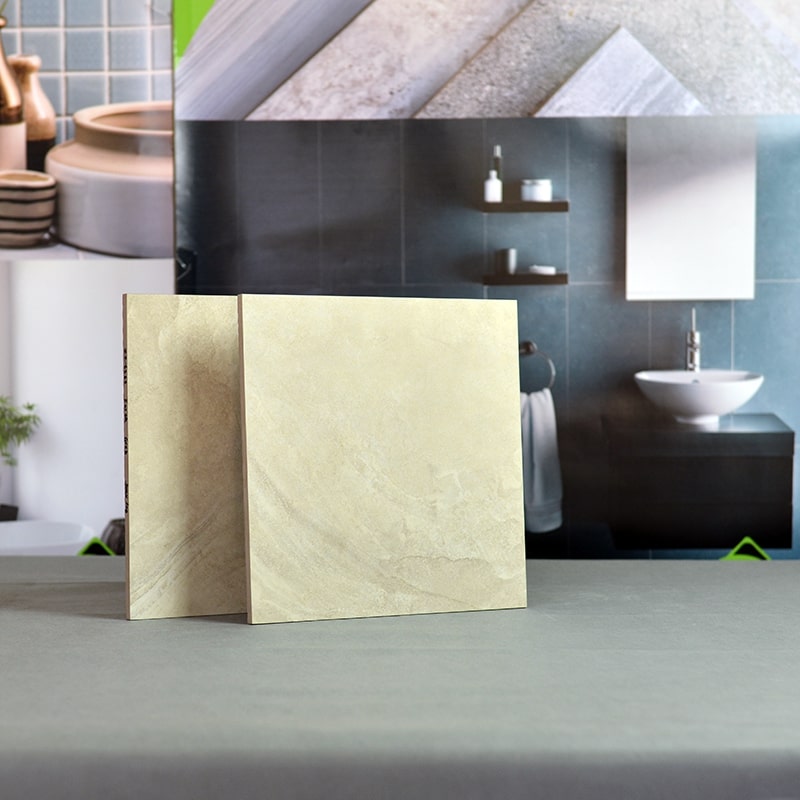
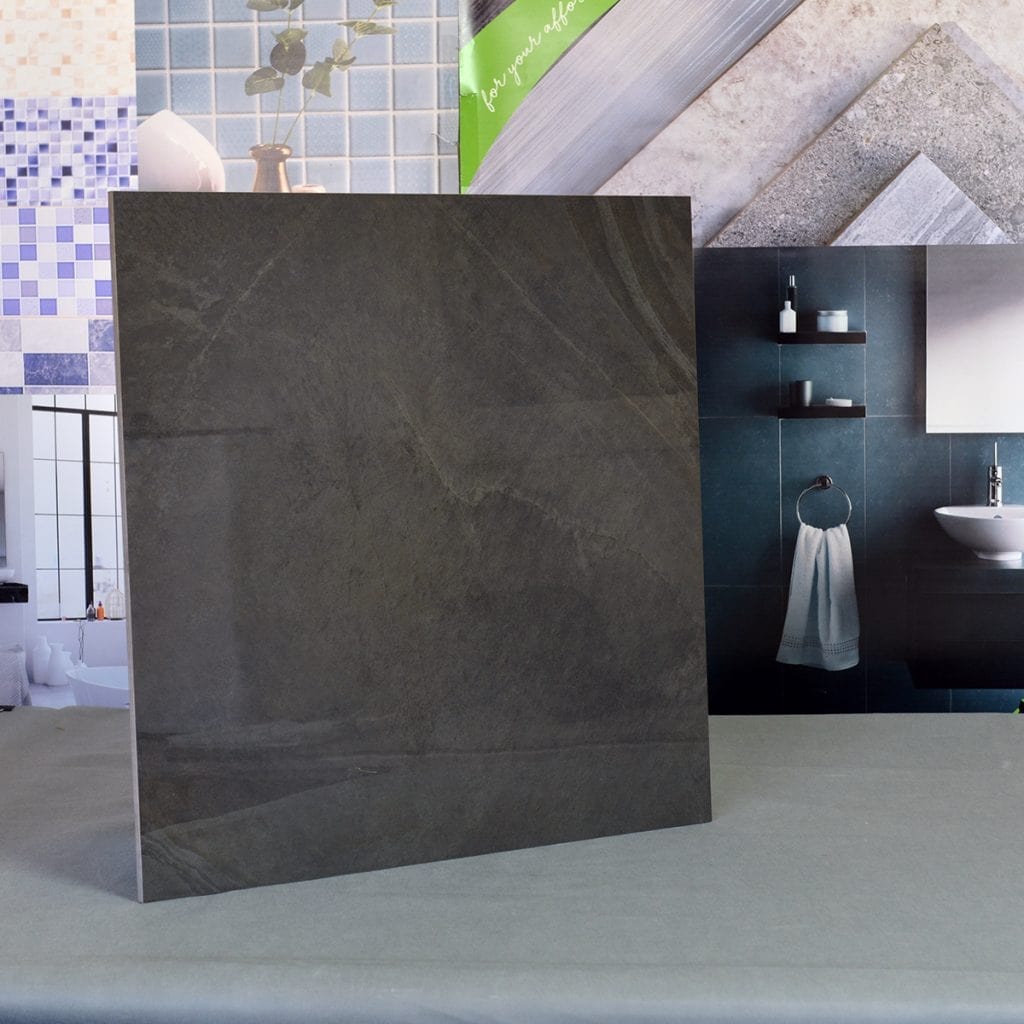
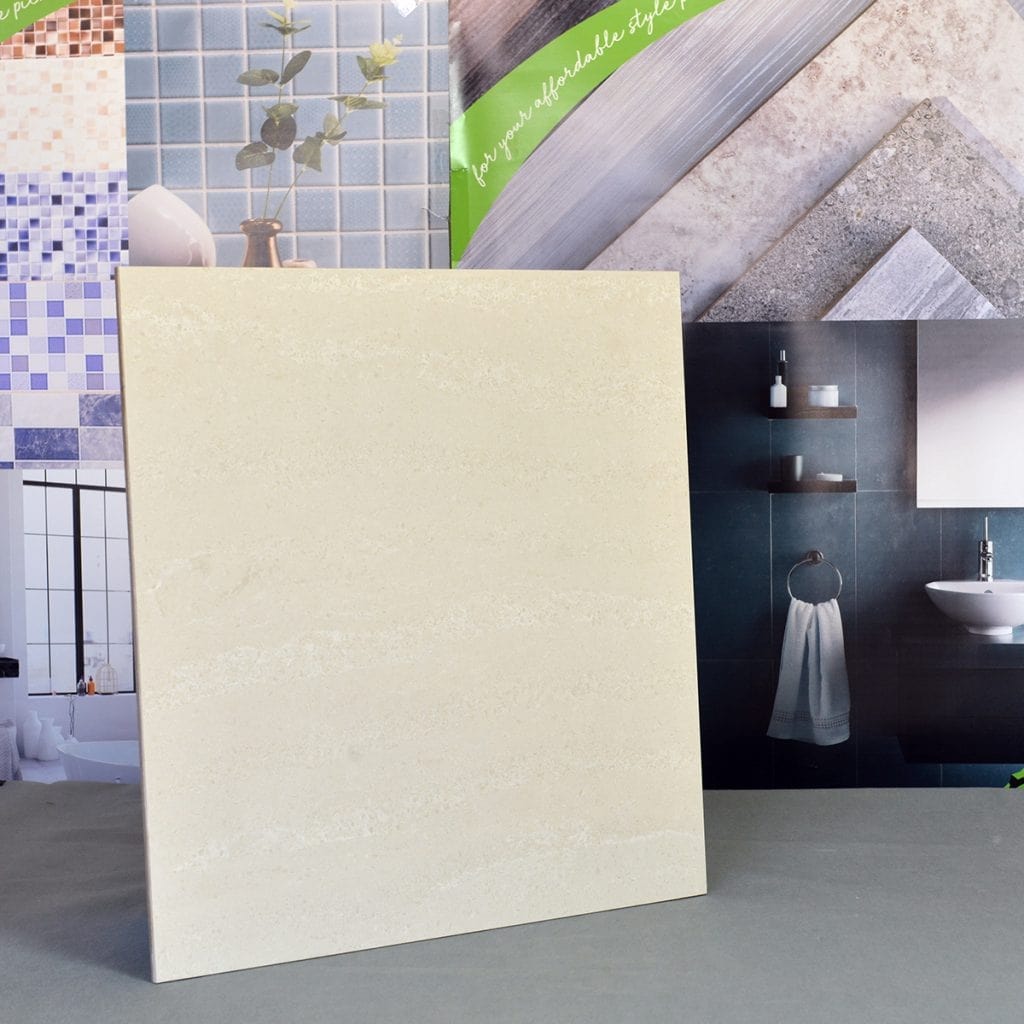
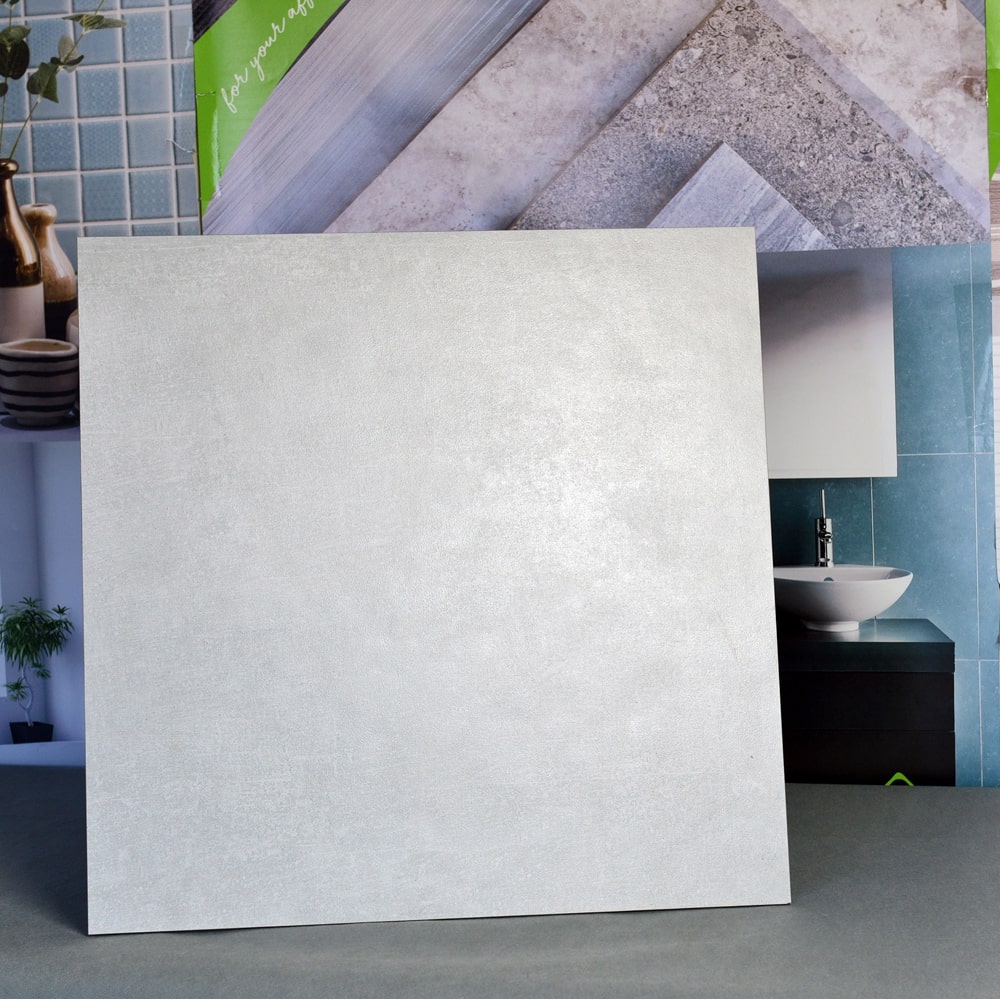
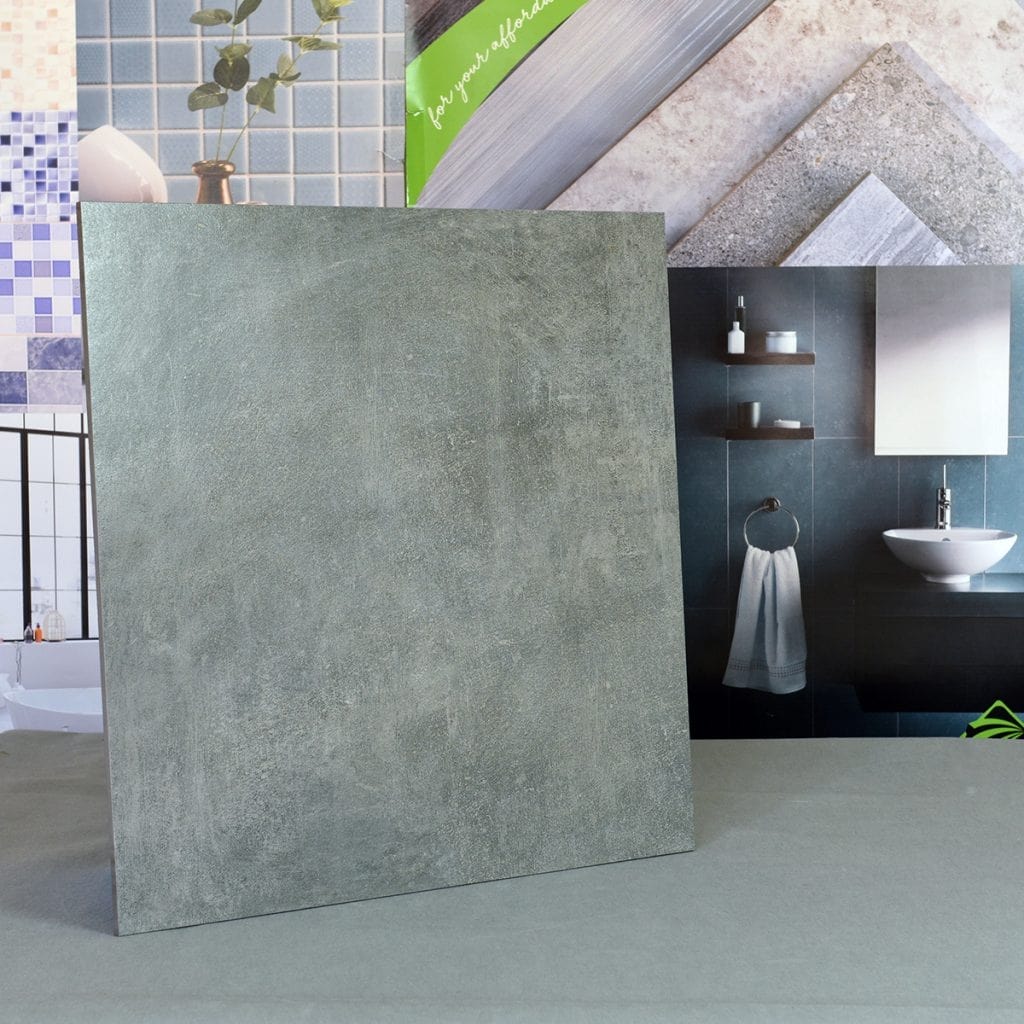
You don’t need to commit to “bland” to avoid disaster. Adelaide kitchens tiles tend to lean minimal—not sterile, just intentional. Subtle textures. Soft greys. Understated limestone tones. Things that don’t scream 2015 when you walk in five years later.
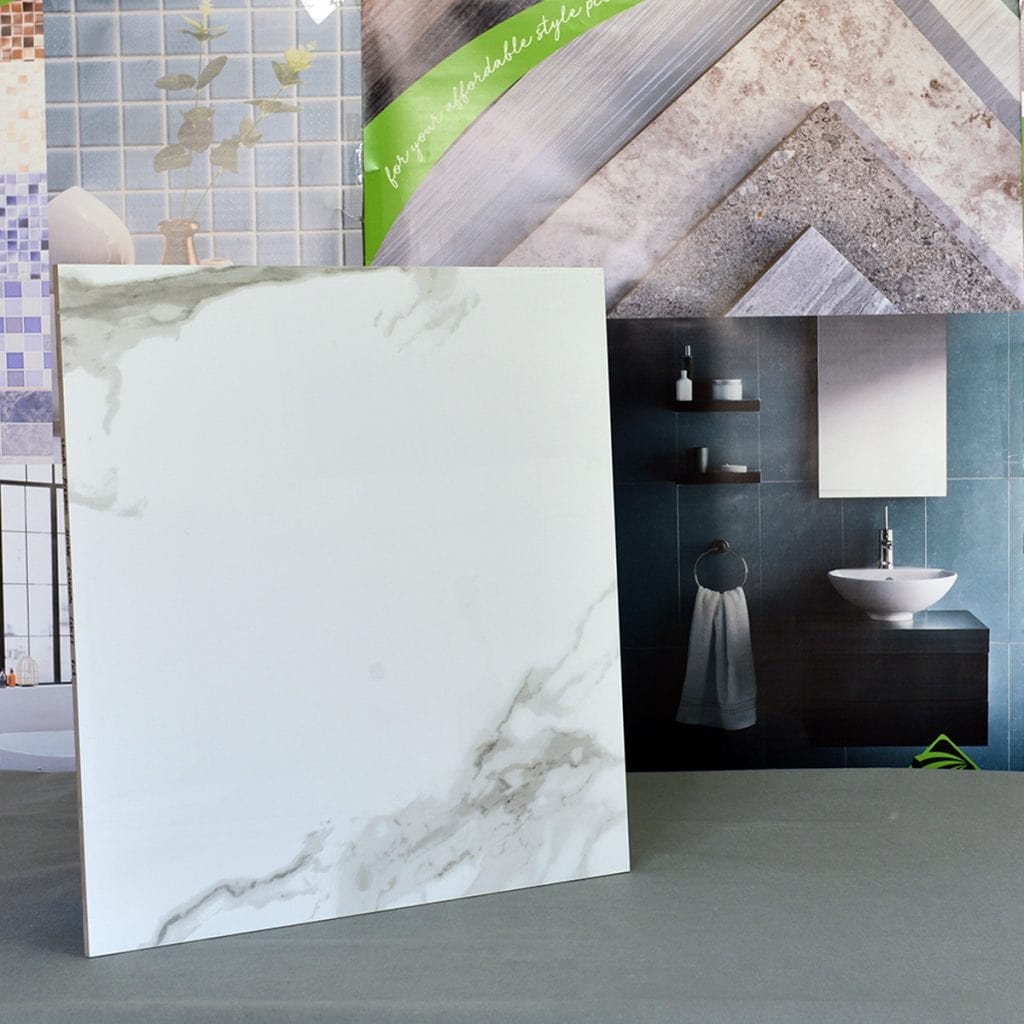
Go trendy if you want. Please note that high-pattern tiles tend to age quickly. Fast, like that white leather bar stool trend no one admits to anymore. If you want visual interest without dating your kitchen to a specific year, look for tiles with fine grain, light veining, or soft terrazzo patterns. Enough detail to keep things from looking flat. Not enough to hijack the room.
Most people associate eco-conscious choices with paint or lightbulbs. Tiles? Not even close to the top of mind. But they should be.
Some porcelain tiles now come with recycled content. No, they don’t look like trash. They perform just like virgin material, except without the extra environmental baggage. Also worth noting: if you're choosing locally produced tiles in Adelaide or sourcing through suppliers who care, you’re already shaving off unnecessary transport impact.
And grout sealants? Another unsexy topic. However, a decent one will prevent you from resealing every year and adding more waste to the mix. That’s sustainability, in the background, doing its job.
Sure, you could scroll through a thousand tiles online. However, most of those suggestions are designed for markets that don’t experience the same climate swings as Adelaide. You need people who’ve seen what holds up in Kensington kitchens and what curls at the edges in Glenelg after two summers.
You get real advice. You learn which finishes make sense under Adelaide’s heavy light. And you avoid the unfortunate moment when your expensive tile choice reacts badly to your chosen group, like it’s having a midlife crisis.
And look, not every salesperson cares whether your tiles age well. But the good ones do. And chances are, they’re the ones who’ve been working with tiles in Adelaide since before “kit-kat mosaic” became a search term.
Functionality doesn’t mean bland. Style doesn’t mean impractical. If anything, the best kitchens in Adelaide, the ones that actually get used, are proof that both can exist without fighting each other.
So next time someone hands you a tile sample and says, This one’s popular,” ask the right questions. Will it handle Adelaide's heat? Will it reflect too much light? Is it going to betray you after one wine night and a splash of tomato sauce?
That’s the real checklist. And now, you’ve got it.