Some kitchen tiles should come with a warning label. Not for danger, just for disappointment.
You think you’re buying timeless. What you actually get is “every second kitchen from 2008.” You opt for a modern look, and now your splashback resembles a corporate office lobby. Shiny. Cold. Expensive in ways it shouldn’t be.
And yet, here we are—surrounded by advice that acts like your options are limited to either: Minimalist Gallery or the Heritage House Tour, Tea Included.
Let’s be real. Choosing kitchen tiles in Adelaide isn’t a style quiz with two boxes. It’s a compatibility test. Your lifestyle, your home’s architecture, your weather (because yes, Adelaide’s 40°C summers do matter when your tiles feel like stovetops), and your willingness to clean grout lines ever.
This isn’t about following trends or clinging to “safe” choices that scream resale value louder than personal taste. It’s about knowing what works, what actually lasts, and what doesn’t make your kitchen look like it’s trying too hard.
And that’s where things get interesting. Because there’s a pile of stuff most people don’t tell you when you’re choosing between “modern” and “classic”—stuff that goes way beyond colour palettes and Pinterest boards. Like, why gloss tiles are secretly high-maintenance snitches. Or how grout colour can ruin your whole look (and your mood).
If you're looking for the usual list of “pros and cons,” please keep scrolling. But if you want to make a tile choice you won’t regret every time you wipe down your benchtop or flick on the overhead lights? You’re in the right place.
Let’s talk about what really works in Adelaide kitchens, and what you don’t want to learn the hard way.
Modern tiles love to show off. Oversized formats. Grout lines so thin they’re practically rumoured. Rectified edges allow you to level a spirit line with. You get the vibe. But peel back the buzzwords, and what you’re really getting is a finish designed to work harder, not just look cleaner.
That’s great—if you actually need it. And if your kitchen doesn’t already have, say, detailed cornices or a weird attachment to heritage green joinery.
Now, modern tiles in Adelaide do make sense in plenty of cases. Especially if you’re dealing with:
Open-plan living areas that need visual continuity
A house built this century (and proud of it)
Cooking routines that generate more mess than Michelin
Low-porosity porcelain? You’re safe. Matte finish? Safer. Large slabs? Safe, unless you’ve got walls that lean like they’re dodging responsibility.
What most people don’t realise? Gloss tiles are tattletales. They exaggerate everything—your lighting, your grout inconsistency, the thumbprint from yesterday’s olive oil bottle. They look polished until you realise they’re high-maintenance in all the wrong ways.
Also, modern colour schemes (greys, whites, blacks) only work if you’ve factored in Adelaide’s particular relationship with dust. Light grout on dark tiles? Pretty much guaranteed regret if you live near a construction site, which… well, you probably do.
People think classic tiles are like vanilla ice cream. Neutral. Predictable. Hard to mess up. Vanilla is easy to mess up if you use cheap extract and don’t churn it right. The same goes here.
Going “classic” doesn’t mean your kitchen gets a free pass to be bland. Or worse, generic. The truth is, most “classic” designs aren’t timeless; they’re just too old to argue with. But when done properly, classic tiles bring character without screaming for attention.
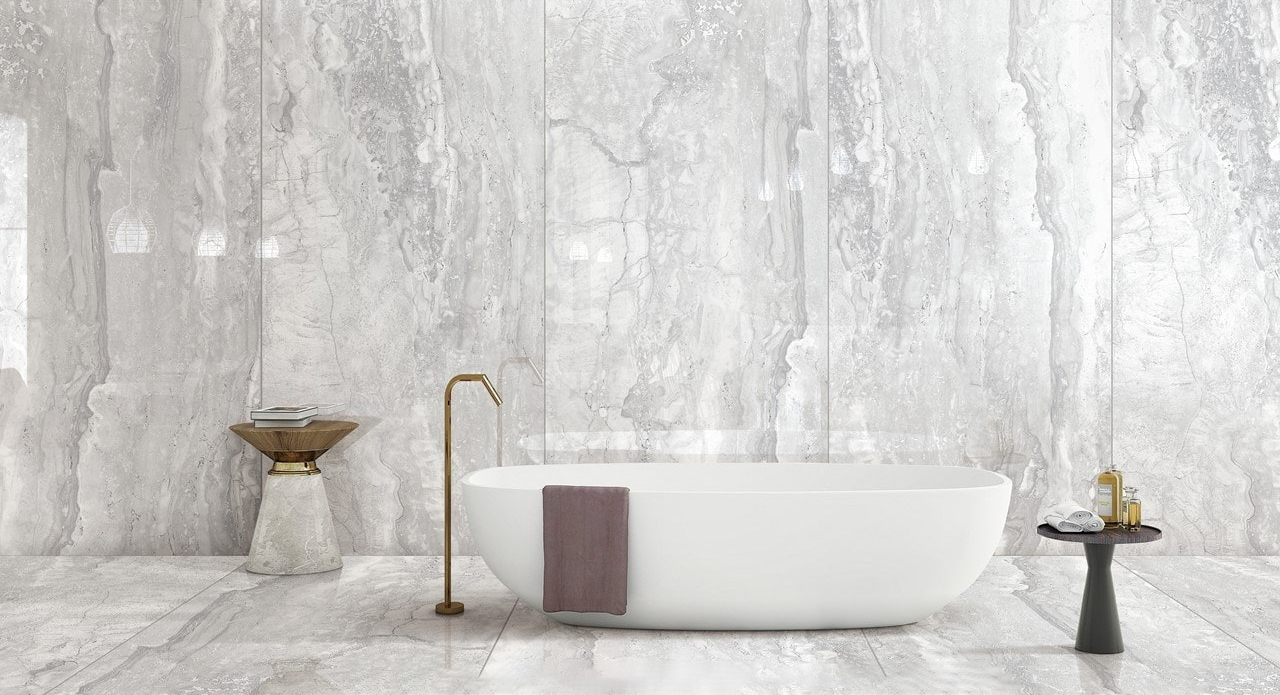
In Adelaide, they’re often the better fit, especially in homes with federation bones or architectural details that clash with ultra-modern minimalism. Natural stone-look porcelain tiles, textured subways in smart patterns, or warm neutrals in thoughtful layouts? That works.
What doesn’t work? Installing actual travertine and then acting shocked when it soaks up curry like a sponge with trust issues. Or running glossy bevelled tiles across your splashback and calling it timeless, when it reads more “rental reno 2014.”
You want classic that’s grounded. Not trapped in someone else’s nostalgia.
Tiles in Adelaide don’t get the same life as tiles in Sydney or Melbourne. Here, you’re working with:
Real heat (mid-summer foot-scorching tile regret)
Older homes with uneven substrates
A design culture that skews practical, not performative
So, you can’t always chase what's trending nationally. Adelaide’s light, temperature swings, and architectural quirks all affect how tile choices land once installed.
And grout (yes, grout) matters more here than you think. Choose the wrong colour or width, and it’ll age your kitchen overnight. Opt for high-contrast grout, thinking it’ll be “bold,” and you might find yourself scrubbing lines every weekend, wondering where it all went wrong.
Look—modern vs. classic isn’t a moral dilemma. You’re allowed to mix. In fact, most of the smart kitchens in Adelaide do.
Like pairing classic tile shapes (say, subway) with a staggered vertical layout and a muted matte finish. That’s not cheating, it’s just knowing where the line is between “safe” and “lazy.” Or going modern in material, like stone-look porcelain, but classic in tone, which makes it suit older homes without looking like it’s desperately trying to impress the neighbours.
Fusion works only if you understand the properties of each component. It’s not about compromise. It’s about editing with confidence.
Let’s end on the truths that don’t make it into the tile brochures:
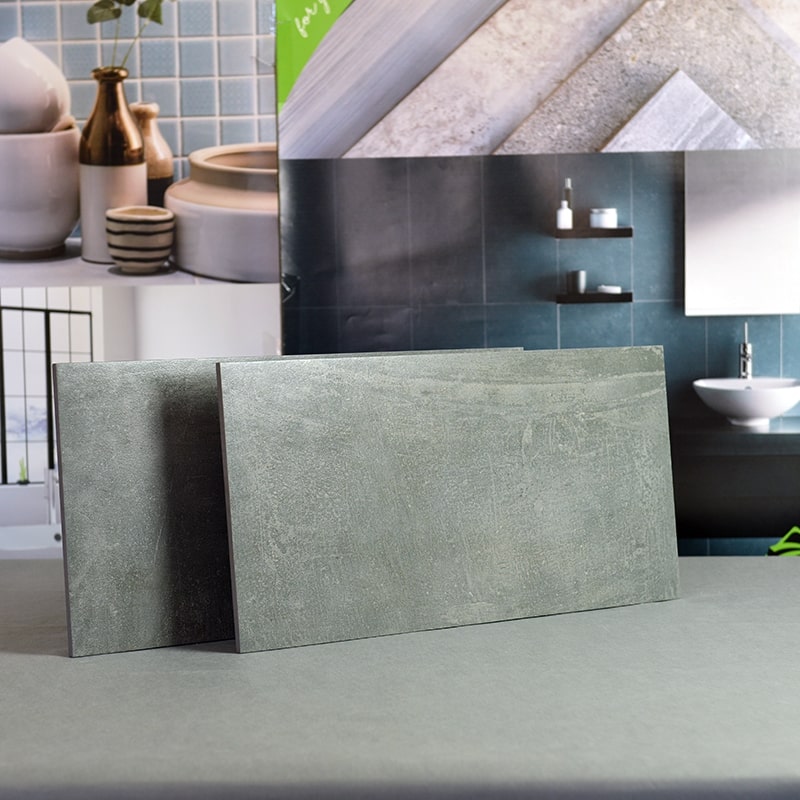
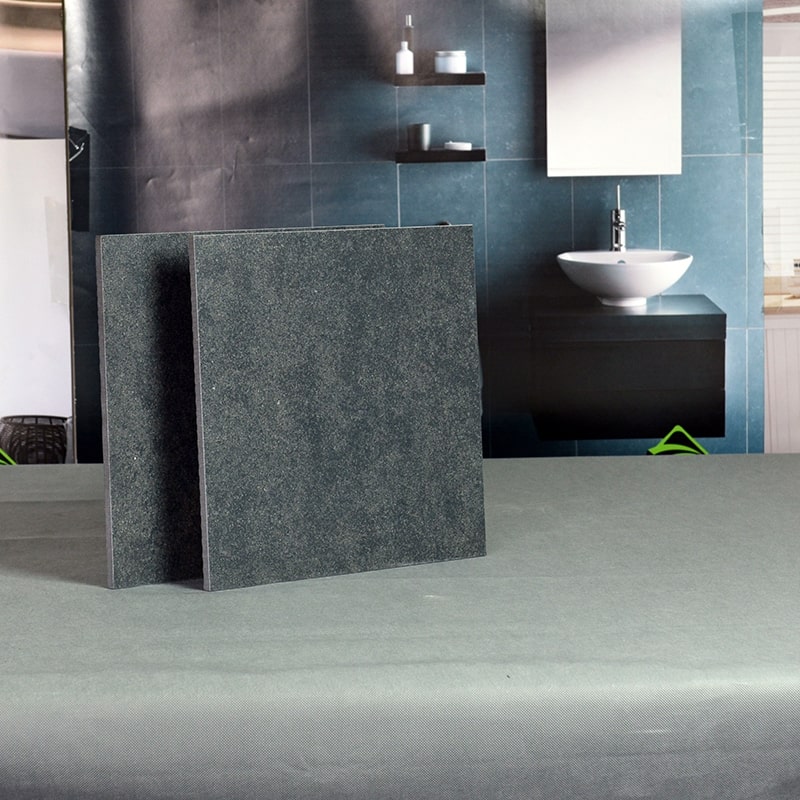
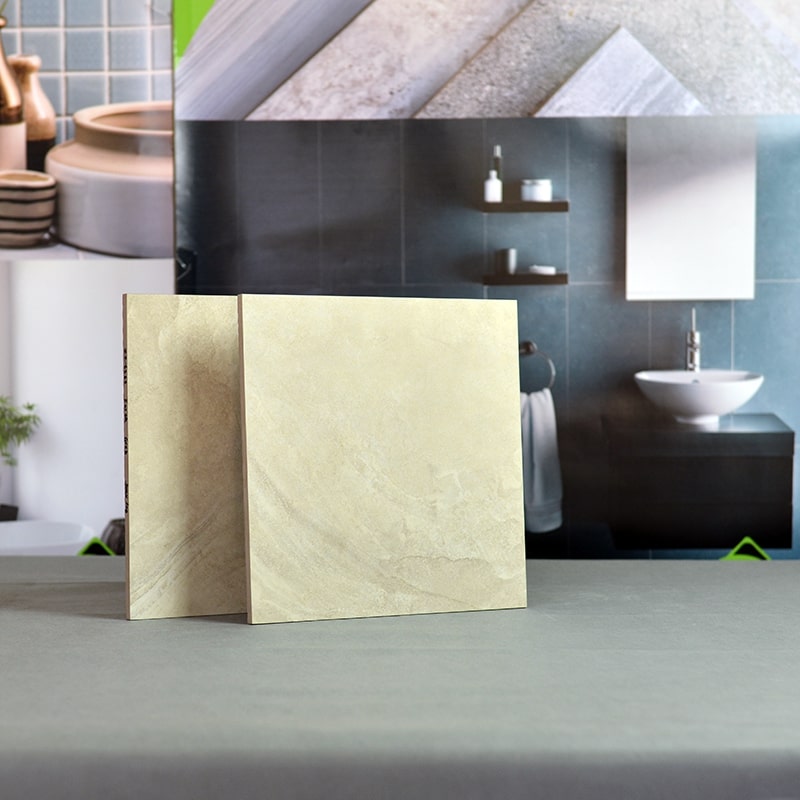
Tile samples lie. Under showroom lighting, everything appears more appealing. Always look at samples in your kitchen lighting, even if it means walking into Bunnings with three slabs in your handbag.
Gloss ≠ “cleaner.” It’s shinier, yes. However, it reveals dust, haze, and tiny scratches, as if it were being paid to snitch.
Stone tiles are high-maintenance. Even when sealed. And especially if your kitchen sees actual cooking.
Grout is a design element. Not a filler. Get it wrong, and your $2,000 tile install will still look like a DIY job.
Trend fatigue is real. What feels “fresh” now might feel offensively overdone in 18 months. Pick what fits your house, your habits, and your ability to not scream at a mop.
There’s no universal answer to whether modern or classic is better. But if you live in Adelaide, you’ve already got a few variables that other places don’t. If your tiles don’t account for those, no amount of aesthetic polish is going to make them work.
So take the label off the trend. Ask yourself what actually fits your kitchen, your lifestyle, and your tolerance for tile regret. The rest is just noise.