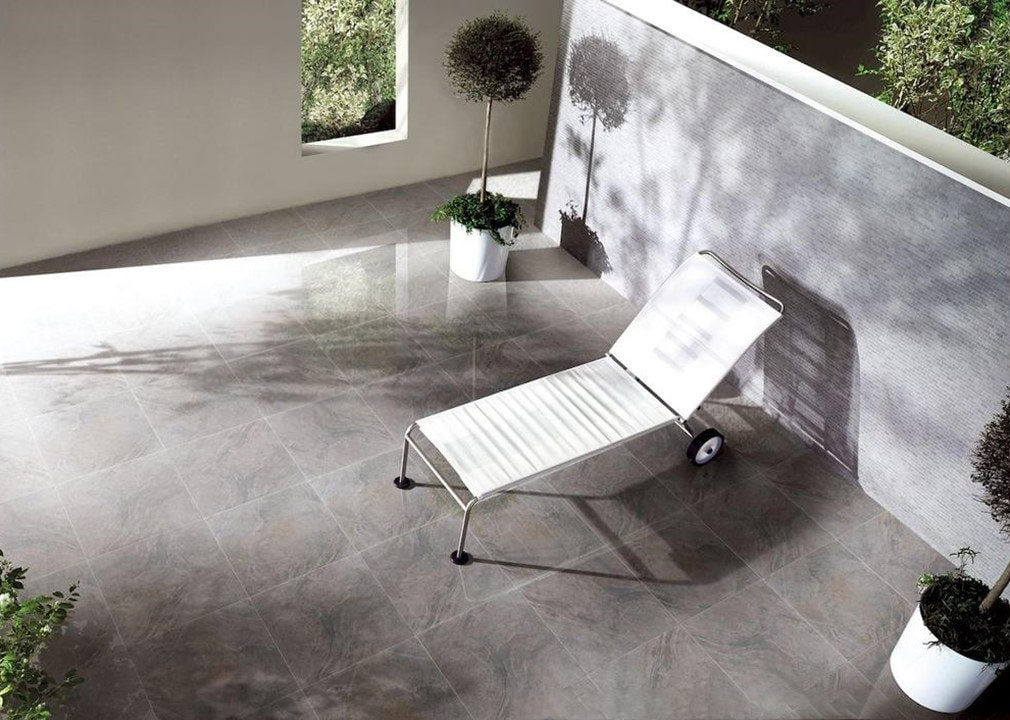
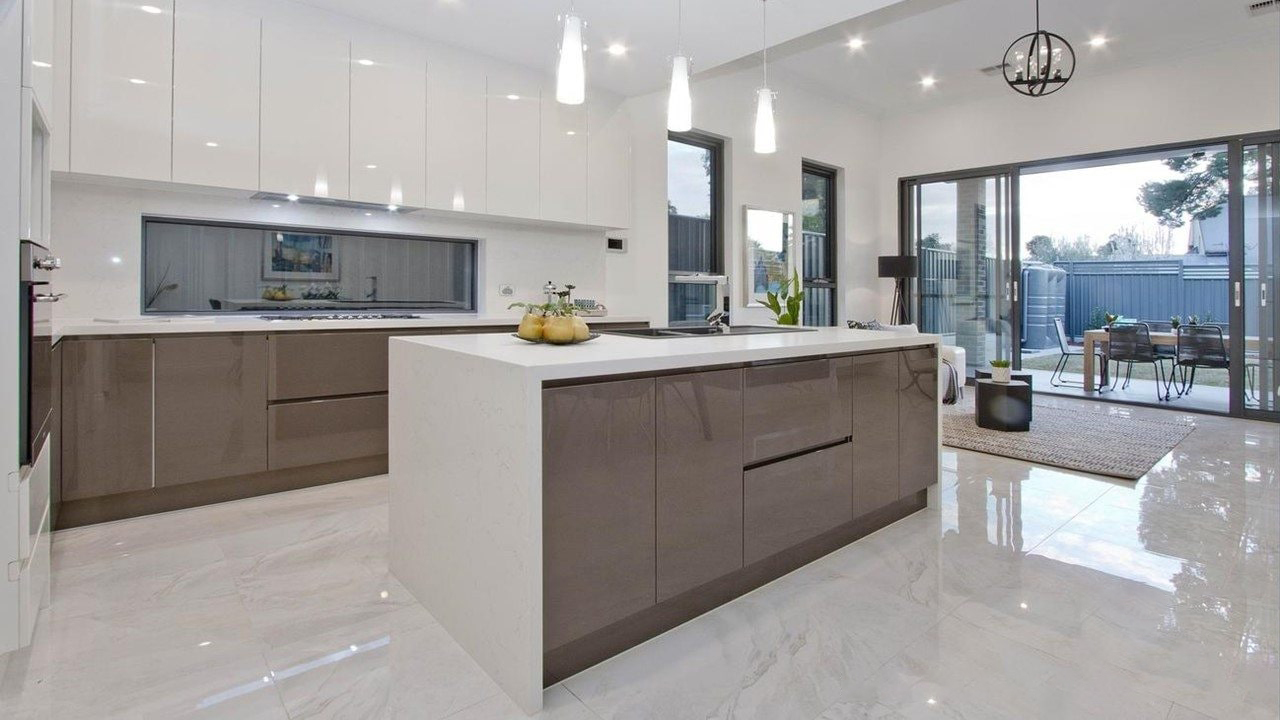
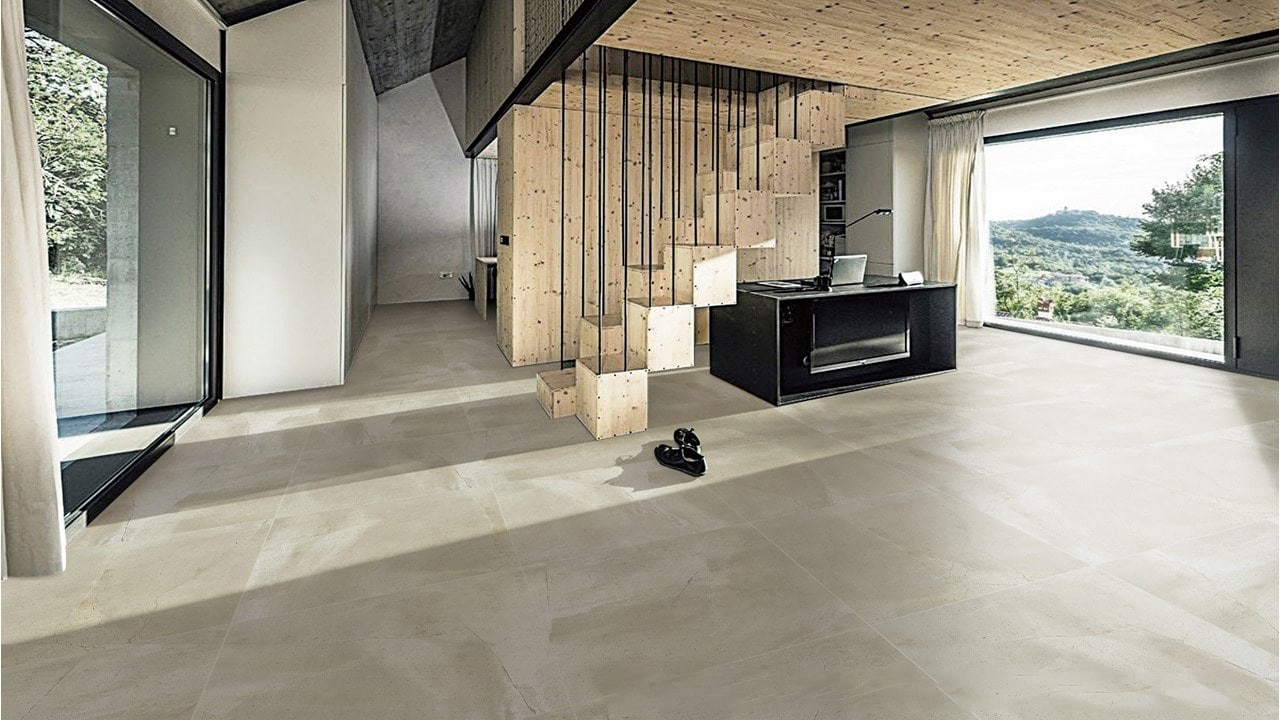
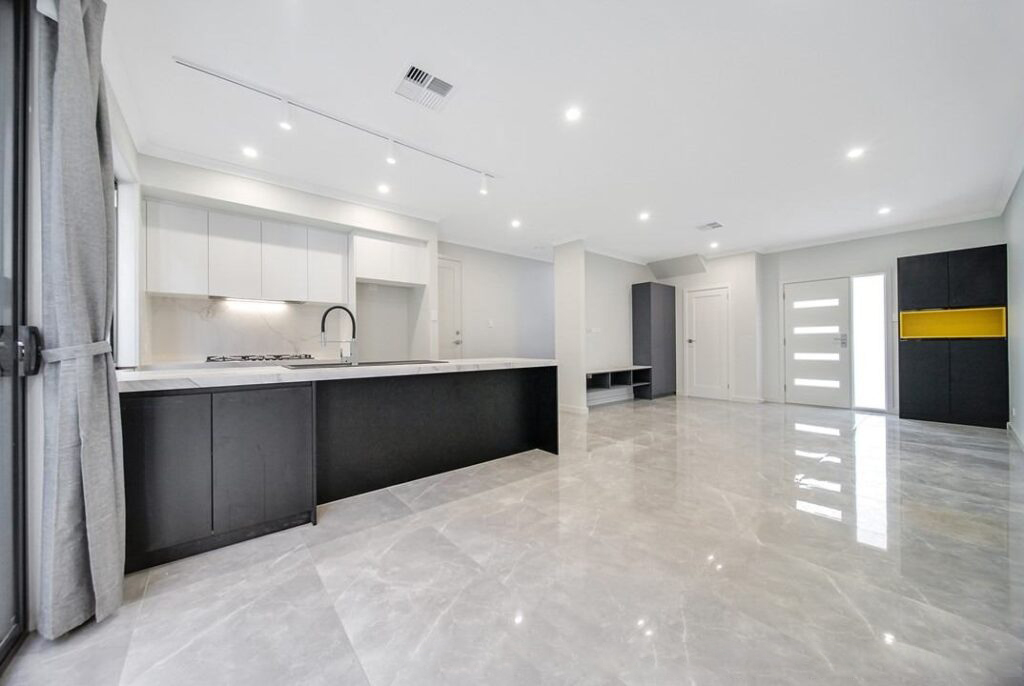
Concrete cracks. Grout discolours. Some tiles buckle before your BBQ’s even cooled down. And yet, people keep buying the same stuff, expecting a different outcome, like outdoor flooring amnesia is part of the renovation package. At Aurees Tiles, we help Adelaide homeowners choose outdoor tiles that actually stand up to our climate, rather than collapsing under it.
Most tiles aren’t made for Adelaide. They’re made for markets, not microclimates. Mass-produced, mass-shipped, and mass-failed. And when they’re laid out under Adelaide’s ruthless sun, that “textured sandstone-look” beauty you saw in the showroom? Yeah, it starts to fade faster than your enthusiasm during a Bunnings car park sausage queue.
But you? You’re here because you're not keen on reliving another summer of hot, slippery regrets. You’re not sold on tiles that look nice for half a season, then spend the next decade slowly divorcing your concrete. You’re after the stuff that lasts, the materials that actually hold up under our dry heat, our chemical-soaked pools, our surprise hailstorms (don’t act like they don’t happen), and those charming little 17°C-to-39°C-in-a-day temperature swings.
Now, there’s no one-size-fits-all. Patios and pools have their own tile drama. What works around your pool edge might be an actual lawsuit waiting to happen on a sloped alfresco. Not to mention that outdoor grout? It’s quietly conspiring against you unless you know what to pair it with. But you’ll get all of that (and more) in here.
You live in a city where UV doesn’t just fade colours, it annihilates them. Where a Tuesday can start at 9°C and end at 37°C. And if you're near the coast, you’ve got salt air chewing at your grout as it owes it money.
Outdoor tiles here aren’t optional showpieces; they’re foot soldiers. They need to resist chemical attacks, stay cool under blistering sun, and not start warping just because the temperature drops 20 degrees in four hours.
That’s not being dramatic. It’s physics. Materials expand and contract with heat. And if you don’t pick tiles that can handle that flex, you’ll start hearing cracking sounds you definitely didn’t budget for.
Not every tile labelled “outdoor” deserves to be one… especially not on a patio in Adelaide. You’ve probably seen those ones that look great on Instagram, until the grout starts flaking and the surface starts cooking your feet by lunchtime.
Start with this: porcelain tiles with a water absorption rate of less than 0.5%. That’s what separates a tile that survives from one that gets replaced.
Avoid gloss. Skip anything overly polished. Adelaide’s sun will turn it into a mirror you can fry eggs on. Go for matte, mid-sheen, or textured finishes that diffuse light and don’t blind you at midday.
And while we’re here: size matters. Larger tiles mean fewer grout joints, which means fewer places for moisture, dust, and dirt to settle in.
Let’s cut to it. Salt-chlorinated pools might be easy on the eyes, but they’re absolute tyrants on tile finishes.
If your current setup is limestone or unsealed travertine, I hope you like scrubbing… or slipping… or both. Because salt doesn’t just eat away at your surface—it penetrates, crystallises, and expands. The result? Flaking edges, crumbling grout, and tiles that feel like they’ve aged a decade in one summer.
You need porcelain. No arguments. High-density, low-porosity, and chemically inert, it doesn’t care how much chlorine you throw at it.
Oh, and check your slip rating. You’re aiming for P5 minimum around pools. P3 might seem fine until you’re doing the splits in front of your guests.
There’s a specific type of tile that looks incredible… right until the sun hits it.
Adelaide’s natural light doesn’t just brighten—it distorts. That earthy taupe you loved in the shop? It’ll read as “washed beige” by 10 am. That sleek charcoal? Now it’s black. Or maybe blue.
The fix is testing tiles outdoors. On your site. With real daylight. Yes, it’s a bit of a hassle. But it’s the difference between “design choice” and “permanent regret.”
Also, contrast matters. Subtle shifts between tile and grout can make a surface look clean longer. Too similar, and dirt becomes too visible. Too different, and it looks like someone traced your whole patio with a marker.
Tiles don’t fail. Installations do.
Doesn’t matter how expensive or high-end your tile is, if it’s slapped down with the wrong adhesive, laid over a badly prepped base, or grouted with something better suited to an indoor splashback, you’re just scheduling a problem.
Outdoor areas are constantly changing, especially in Adelaide. You need expansion joints. Flexible adhesive. Grout that doesn’t crumble after its first winter. This isn’t the place for shortcuts.
And if the quote from your installer sounds too good? There’s a reason. Re-laying costs more than doing it right the first time.
No one likes talking about maintenance. However, you’ll likely dislike replacing your patio even more.
Sweep often. Avoid pressure cleaning unless your grout is bulletproof. Use pH-neutral cleaners—those generic “tile sprays” found at the supermarket. Half of them contain acid. You won’t see the damage right away, but give it a few seasons, and you’ll start seeing discolouration, joint erosion, and surface etching.
Sealing? Only if it’s a natural stone. And use breathable sealers—anything too thick traps moisture and accelerates decay.
Porcelain? You’re off the hook. Mostly. Just don’t assume “low maintenance” means “no maintenance.” Nothing outdoors is truly zero-effort.
There’s local. And then there’s actually local.
You want tiles specifically selected for Adelaide, not just those stocked here because someone ordered too many in Sydney. The light’s different. The temperature swings harder. And the ground moves.
Suppliers like Aurees Tiles don’t just sell tiles in Adelaide; they know what works in Adelaide. That’s not a detail. That’s your budget, your build, and your sanity on the line.
Want a weird little secret?
Some batches of the same tile design are made with different backing compounds depending on where they’re headed. Buy from someone who knows how to read those specs, or you might as well be ordering from a vending machine.
Wrap Up!
If your tiles can’t hold up to Adelaide’s UV, handle salt without tantrums, and stay cool enough not to roast your toes… they shouldn’t be on your patio. Or near your pool. Or in your cart.
You’ve already done the hard bit—learning what to avoid. Now do the smart bit: choose like someone who knows precisely what this climate does to average tiles because it will.
And when your mate from interstate visits and says, “How’s this still looking brand new?”—you won’t even have to answer.
You’ll just smile. And step on tiles that haven’t aged a day.