Tiles aren’t neutral. Whoever told you that lied.
Sure, they sit there, stuck to your floor or clinging to your splashback, acting like background extras. But don’t be fooled, tiles are design's most passive-aggressive element. They remember every lazy decision. Every trend-chasing impulse. Every “she’ll be right” moment that aged like warm milk. At Aurees Tiles, we’ve seen how the right tile choice can completely shift a space and prevent those regret-filled design decisions before they happen.
You think beige-on-beige is timeless? So does every tired rental from 2004. You want creativity? Then get honest: creativity isn’t about colour explosions or that one mosaic strip you saw in a Bunnings aisle five years ago. It’s knowing how to make a space look smart and outlast your mood swings.
And if you’re living in Adelaide, where the sun’s got a personal vendetta in summer, and the air turns into a crisp bite in July, creativity has to work harder. You don’t just pick what looks nice on a showroom wall and hope it survives a Hills winter or a beachside breeze. That’s not creative. That’s denial with grout lines.
Tiles, when chosen well, do what no paint colour or overpriced pendant light can: they change how you use a space. They absorb chaos without complaint. They either elevate your taste or silently expose it.
So no, this isn’t going to be one of those posts telling you to “have fun with patterns” or “think outside the box.” You don’t need box-thinking advice. You need solid, smart, cheeky guidance on how to actually make tiles work for you, in a way that feels considered, a little clever, and definitely not ripped from a Pinterest board built by someone in a different postcode.
Because the truth is, Adelaide homes have a rhythm. A light. A feel. And what works in Fremantle or Fitzroy won’t necessarily cut it on a dry Norwood morning.
You’ve been sold a false idea of creativity. Bright colours. Loud mosaics. Tiles with patterns that look like they’re in a visual argument with your benchtop. But real creativity? It’s quieter. Sharper. Intentional. It solves more problems than it creates.
Start with the layout. Running tiles vertically instead of the usual horizontal direction? That shifts a room’s feel without needing anything loud. You’ll get height, structure, and, here’s the kicker, you don’t need to change the tile itself. Just rotate it: minimal effort, maximum impact.
Then there’s texture. A matte tile paired with a gloss trim sounds subtle. And it is. But when the sun hits it (which it will, relentlessly, if you’re in Adelaide), those subtle contrasts do more than any feature wall ever could. This is about control, not chaos. Using restraint, editing properly, that’s where creative tiling earns its money.
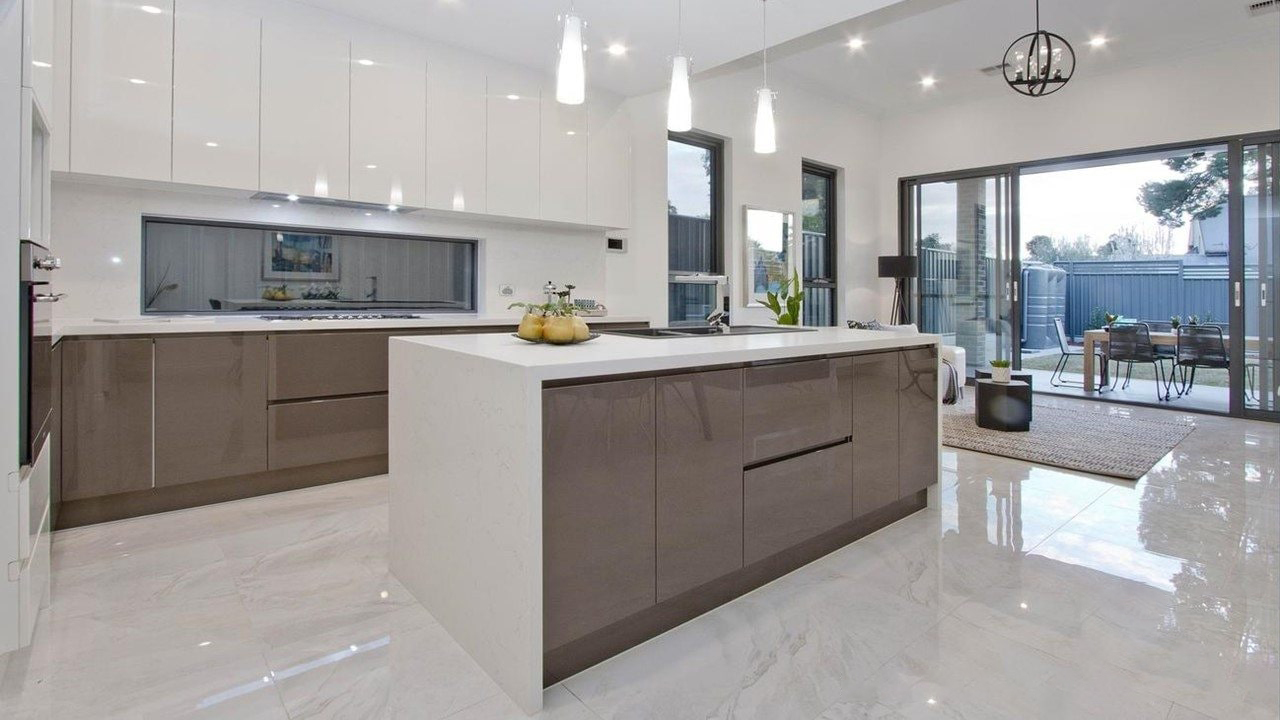
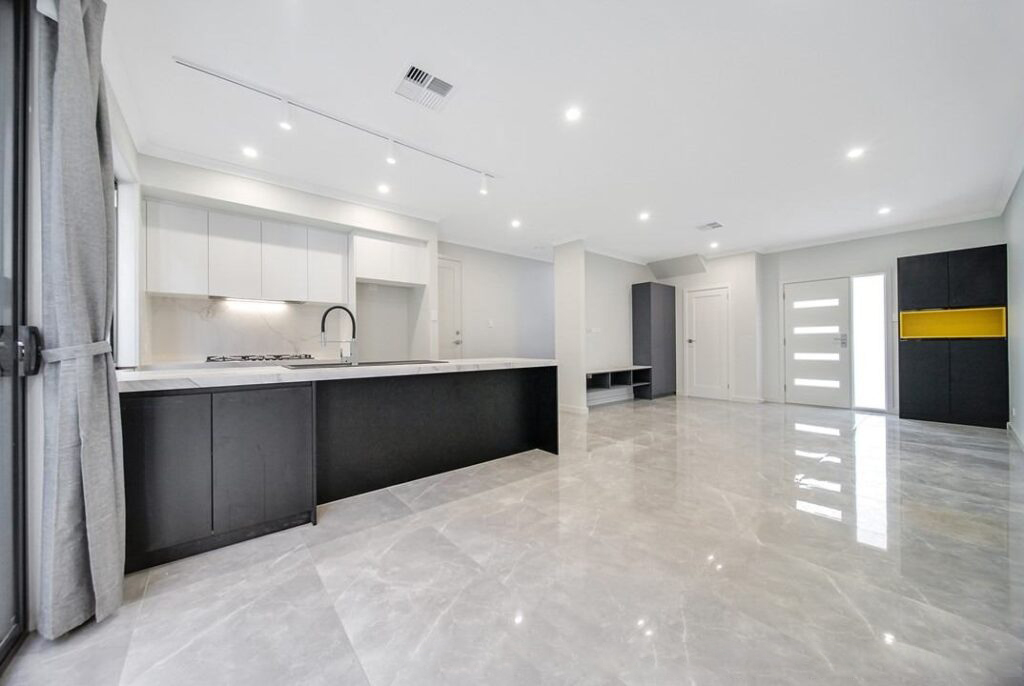
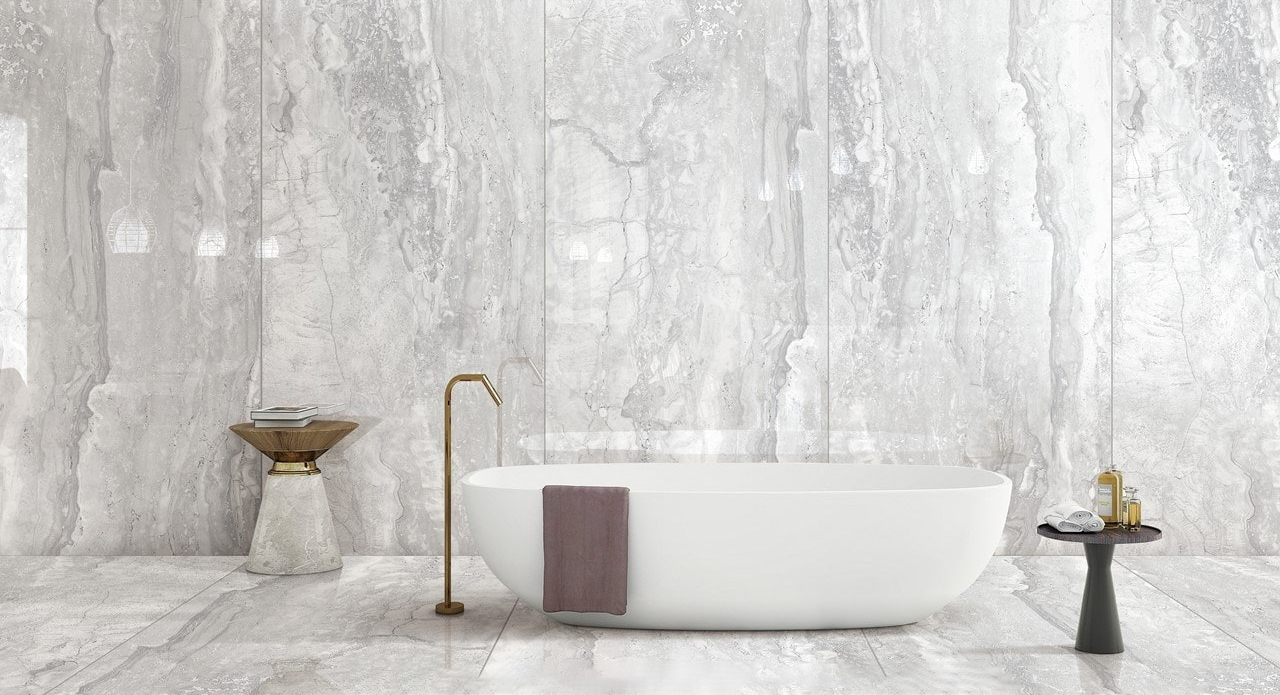
Also, large tiles aren’t a trend. They’re a visual cheat code. Fewer grout lines make spaces feel less chopped up. And in older Adelaide homes with tight layouts, you want that visual openness unless you enjoy scrubbing grout every second weekend, of course.
There’s a point where design meets practicality, and that’s where most tile projects either shine or fall apart.
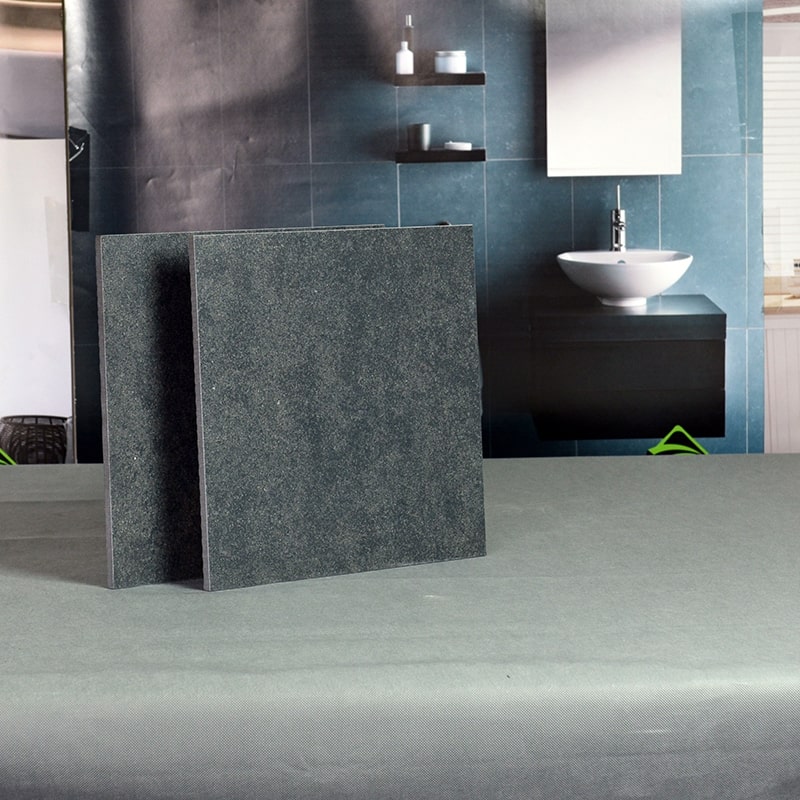
Take porcelain tiles, for example. They’re not just tough; they have low water absorption, which matters in Adelaide because your house goes from Sahara to Swiss Alps between January and June. Ceramic? Cracks under pressure. Porcelain? Keeps its cool, literally.
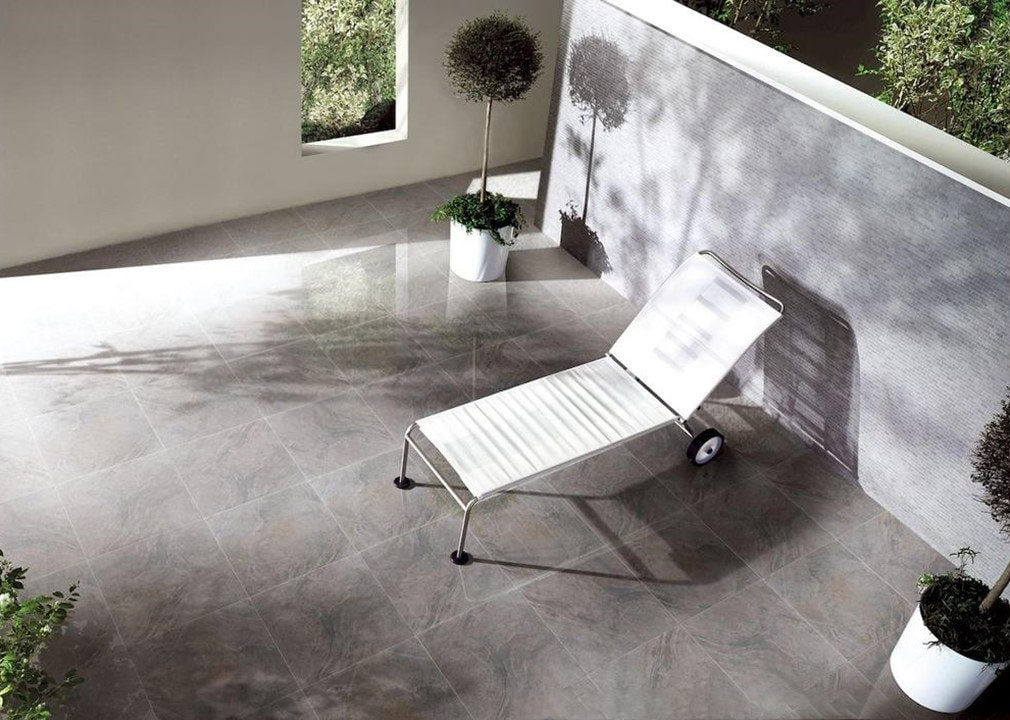
Now look at the outdoor areas. You get full sun, dry heat, and dust storms if you're lucky. And someone suggests smooth, glossy outdoor tiles because “they look expensive.” Great, until someone ends up in the ER. Textured tiles are non-negotiable here, not because it’s trendy, but because slipping over with a tray of drinks isn’t a vibe.
Also, while we're here, grout colour is not a finishing touch. It’s an architectural decision. Match it, and your tiles blend. Contrast it, and they snap into focus. Either way, it should be deliberate. Choosing grout as an afterthought is how you end up with floor regret.
Tiles in Adelaide don’t just have to look good. They need to make sense, economically and environmentally. Because let’s be honest, ripping out tiles every 6–8 years because you got bored? Not a great look. Or smell, depending on what was underneath.
Start with tile longevity. Choosing a neutral base tile that actually suits your space (not just the current trend cycle) means you can change everything else around it without the hassle of demo dust. That’s creative thinking that doesn’t need a second mortgage.
Now let’s talk local supply chains. Buying tiles stocked locally, from suppliers who actually understand how Adelaide’s climate messes with materials, reduces transport emissions and delays. This isn’t a marketing point; it’s a logistical one. If your “coastal-inspired” tiles were made for Brisbane humidity and you’re laying them in Burnside, good luck. They weren’t designed for that dryness.
And here’s something no one mentions: recycled tile content. Porcelain made with reclaimed materials is a thing. A smart, functional, genuinely sustainable thing. No, it won’t look like it came from a landfill. And yes, your builder probably hasn’t told you about it. Ask anyway.
You want to know what the pros rarely admit? It’s not always the tile itself; it’s how you use it.
Let’s start with rectified edges. Sounds boring. Isn’t. These are machine-cut tiles with perfectly straight sides, which means thinner grout lines. Cleaner finish. That sleek, expensive look without the drama. The difference is subtle, until it’s not. Then it’s all you see.
Then there’s grout again (yes, again, because people get it wrong twice). Going dark on light tiles? That’s a decision, not a default. It highlights the layout, which is great if it’s flawless. If it’s not… well, you better hope no one looks too closely.
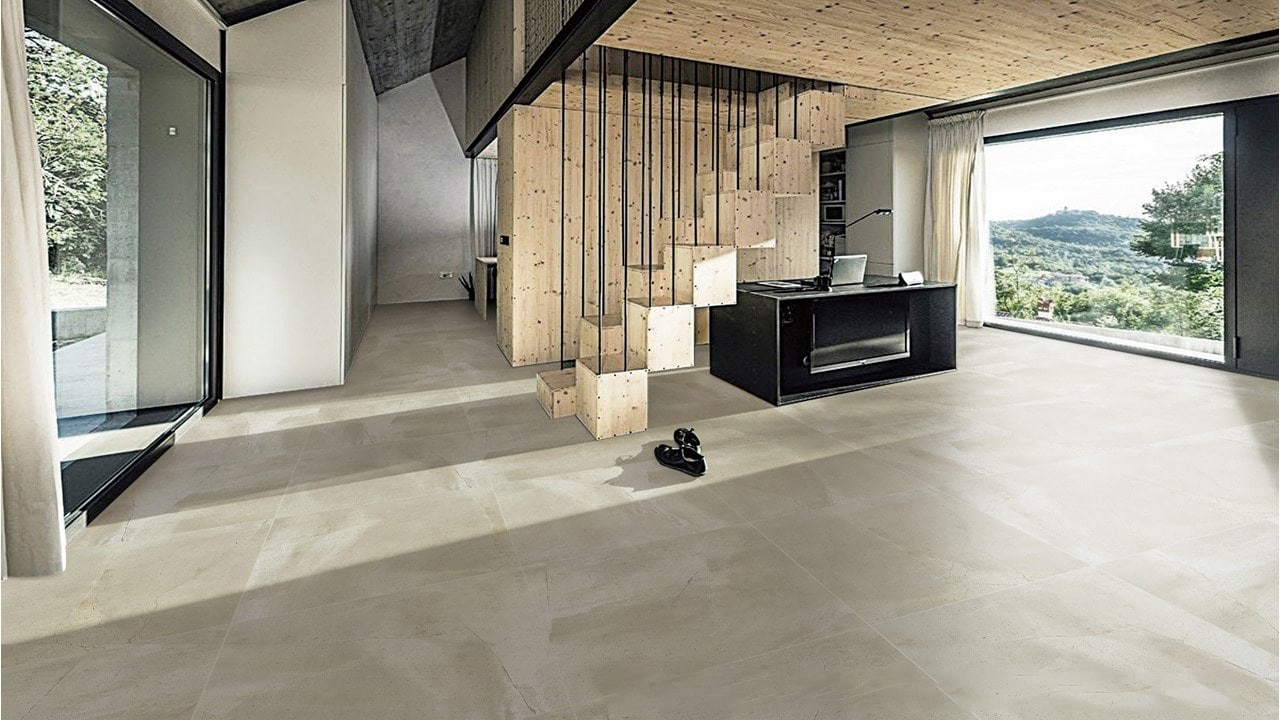
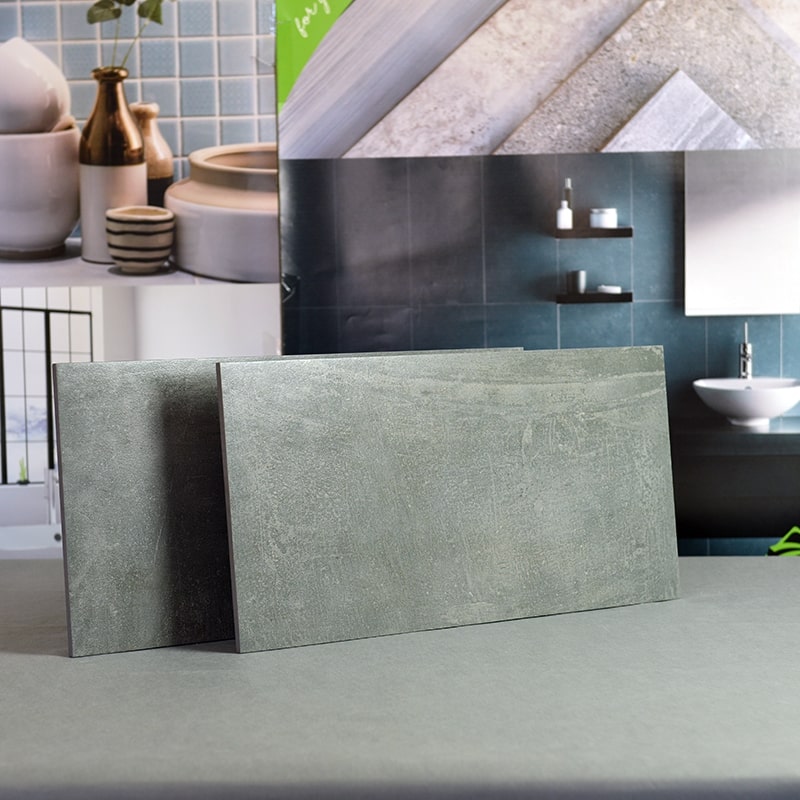
Mixing materials, not clashing, just balancing. Like pairing a stone-look tile on the floor with a soft concrete-look wall. It doesn’t scream “creative,” but it feels put-together. The best design choices are the ones that feel like they’ve always been there. Natural, confident, unbothered.
And if someone tells you to “add a feature wall,” ask them which wall they're paying for. If a design choice doesn’t make sense with the function of the space, then it’s just decoration pretending to be design.
Wrap-Up
You don’t need to throw colour bombs or tile seven surfaces just to prove you’ve got vision. You need good judgment. Restraint. Some hard truths about tile performance. And a supplier that doesn’t just sell you what’s popular, but what actually works, especially when it comes to tiles in Adelaide.
Creativity isn’t the loudest voice in the room. It’s the one that knows what it’s doing. That’s how you get results that last, both in taste and in temperature fluctuations.
You now have enough ammo to ignore the recycled advice and start designing like someone who knows tiles are more than something you step on. Use it. And for the love of grout, choose with intention.