
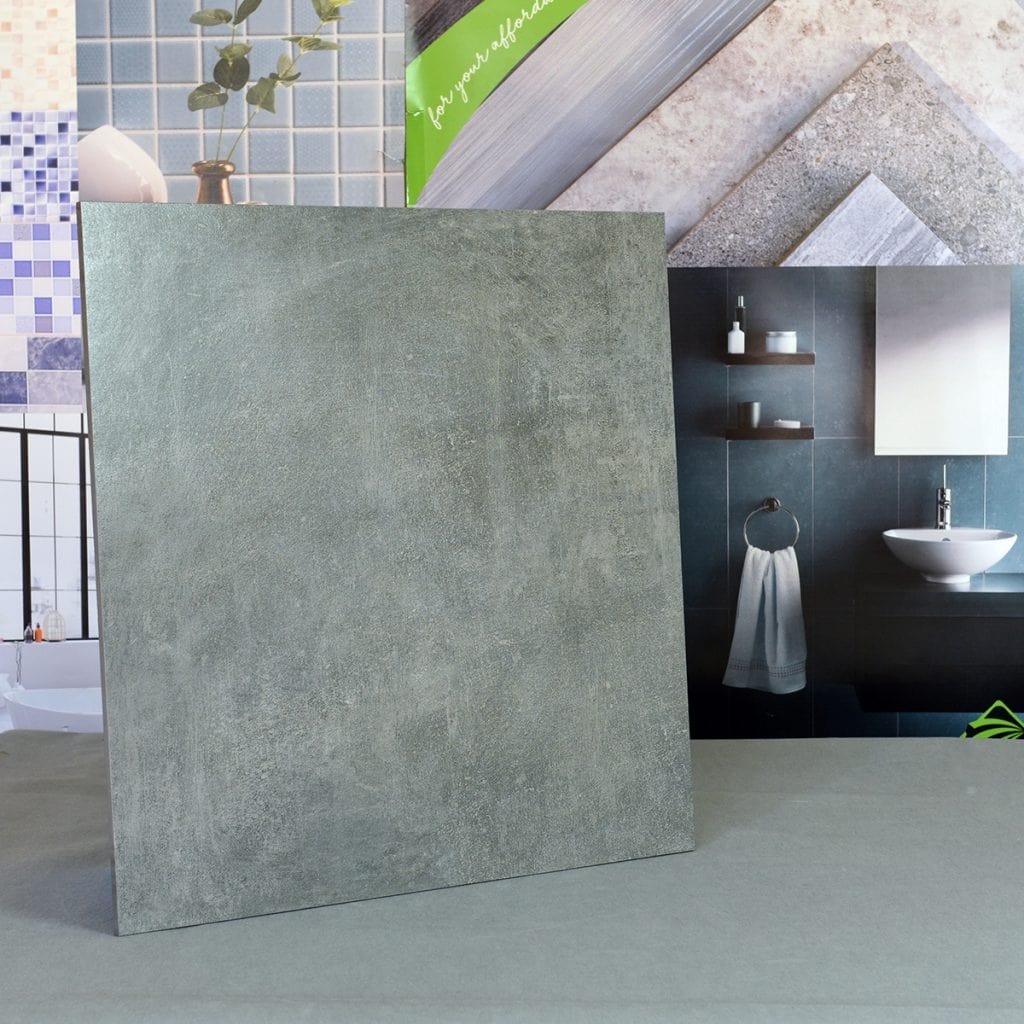
Wall Tiles Adelaide
Choosing wall tiles Adelaide homeowners love starts with one idea: your walls are the design decision. Colour, format and layout do more for a room than any other single choice, because walls fill your whole eyeline. We stock more than 2,000 varieties at factory-direct prices, from subway and mosaic to marble-look slabs, all backed by a 10-year warranty. Here's how to choose the style, layout and grout that suit your space.



Wall tile styles and formats
Each style changes how a wall reads, so start with the look you want, then narrow it down by room.
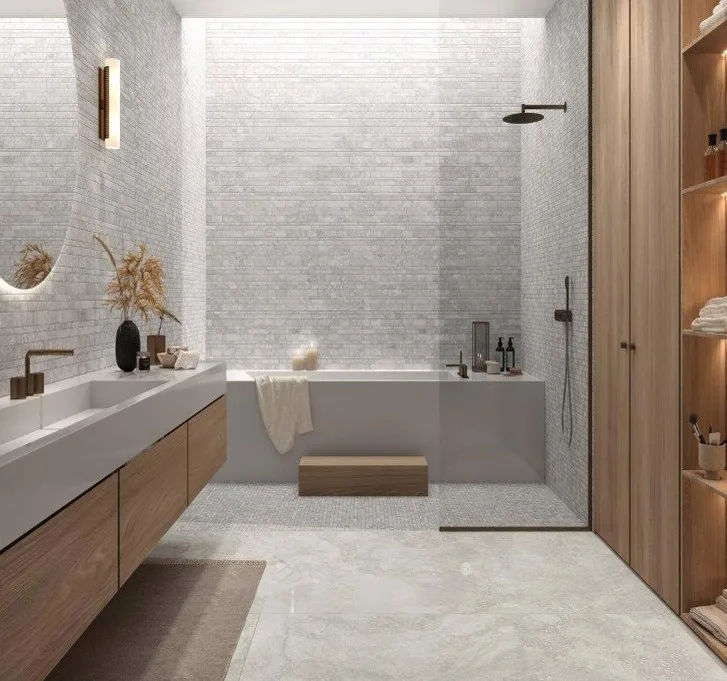
Subway tiles Adelaide renovators choose give a clean, classic rhythm that suits kitchens, laundries and heritage bathrooms. Laid in a brick bond, even a longer rectangle reads as subway, and our White Wall Matt 300×600 does exactly that on a budget. Browse our brick look tiles.
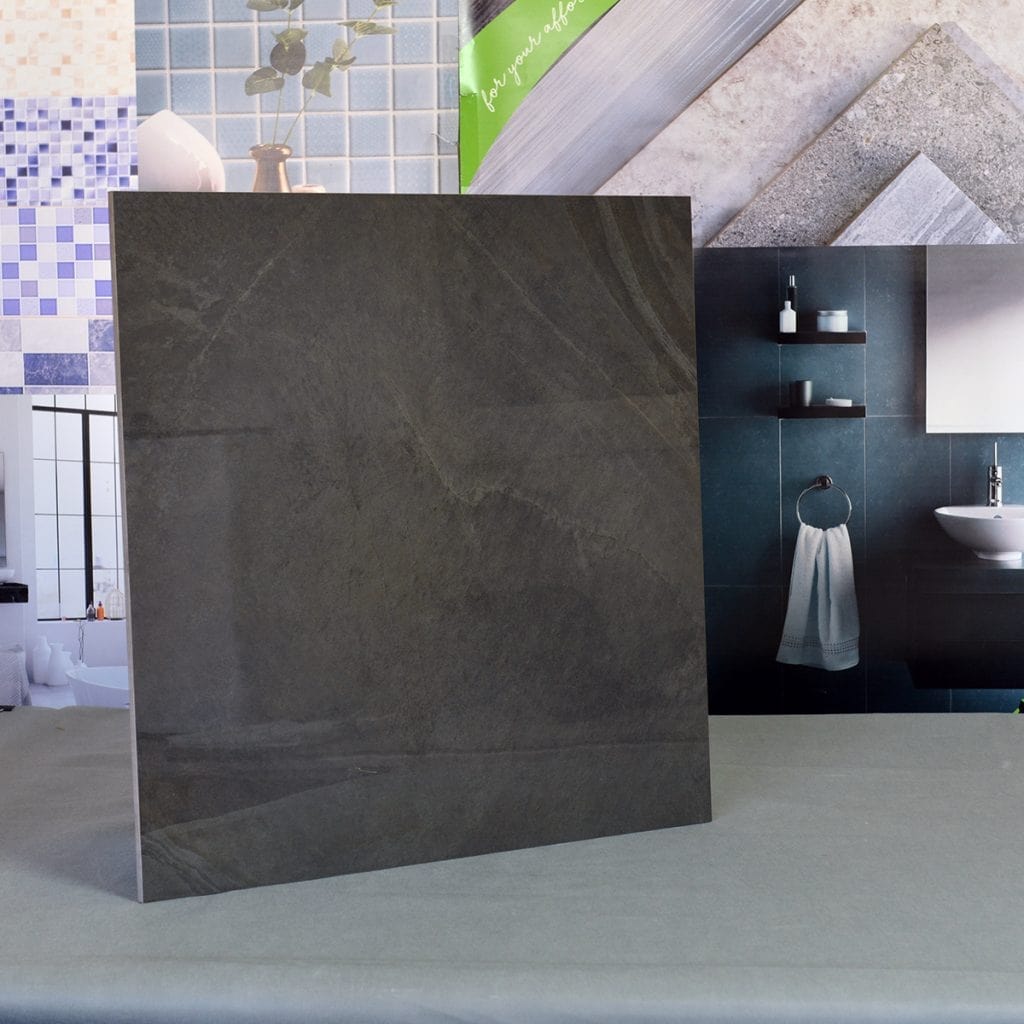
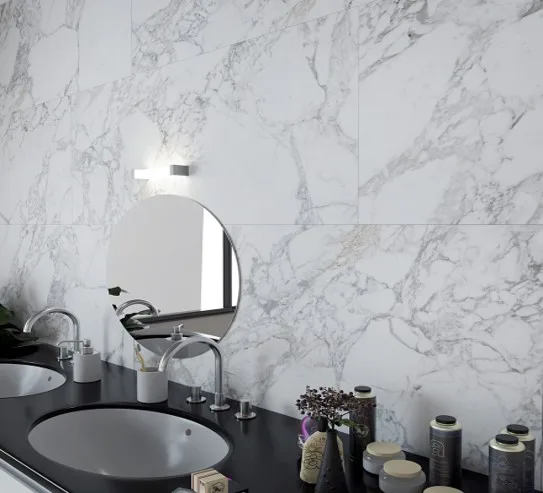
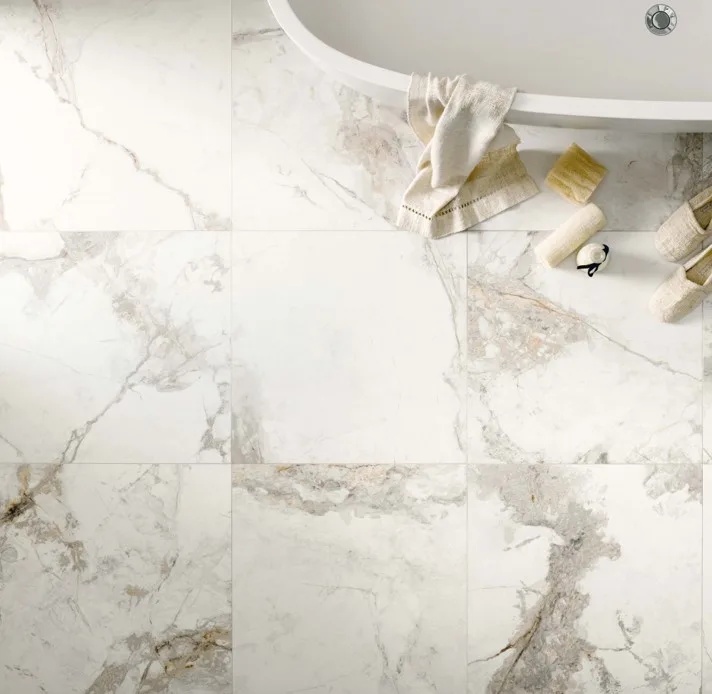
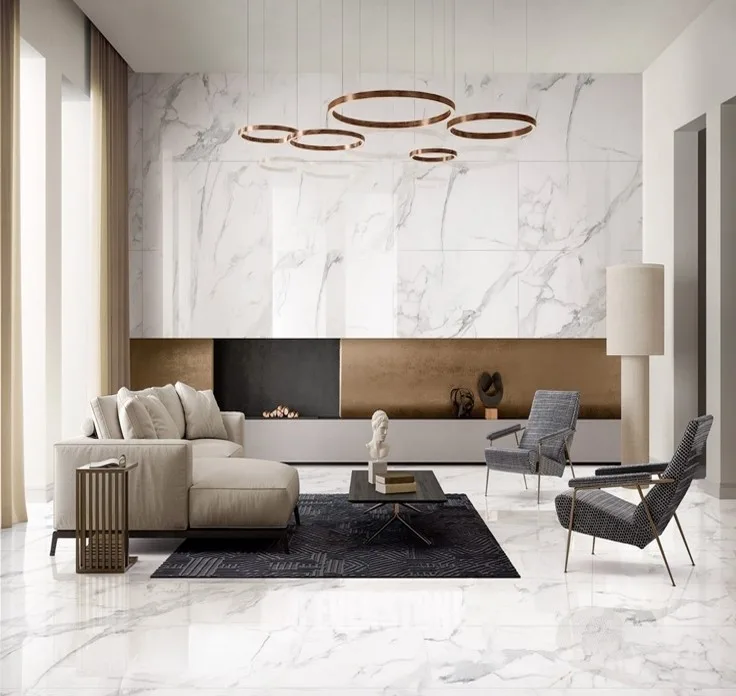
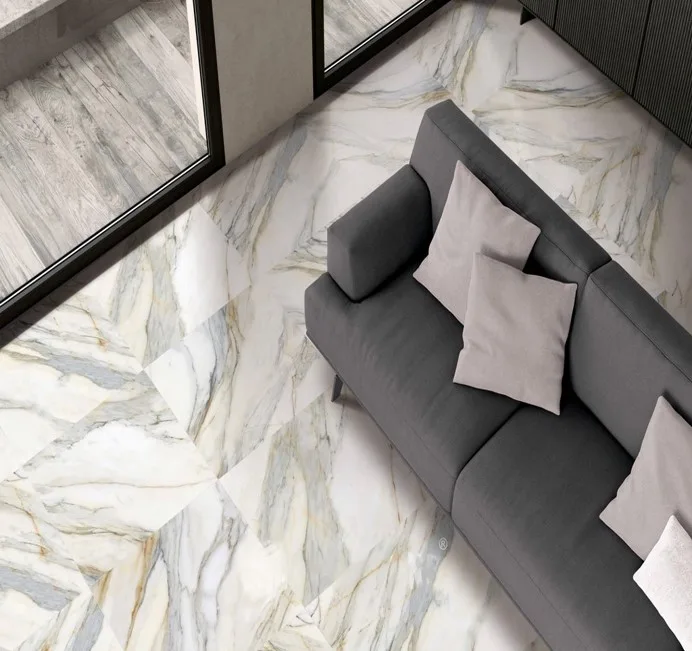
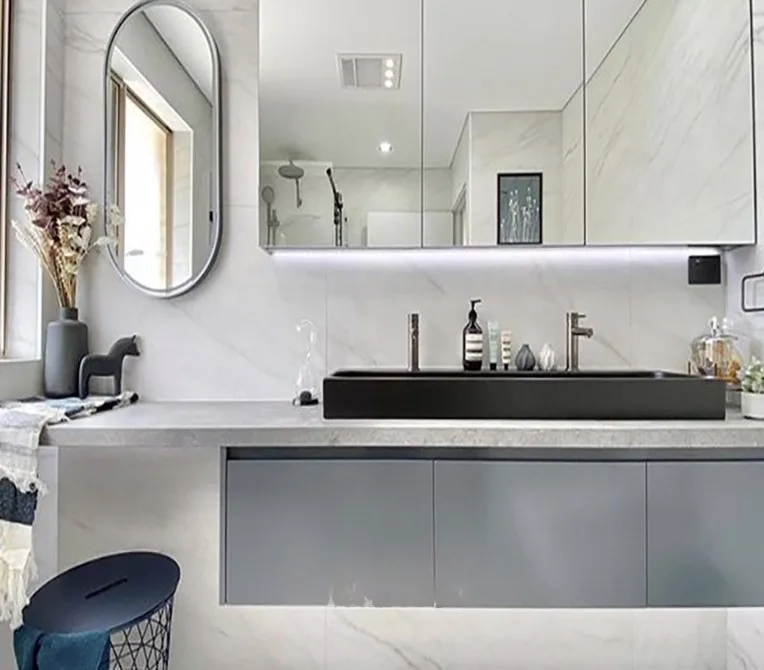
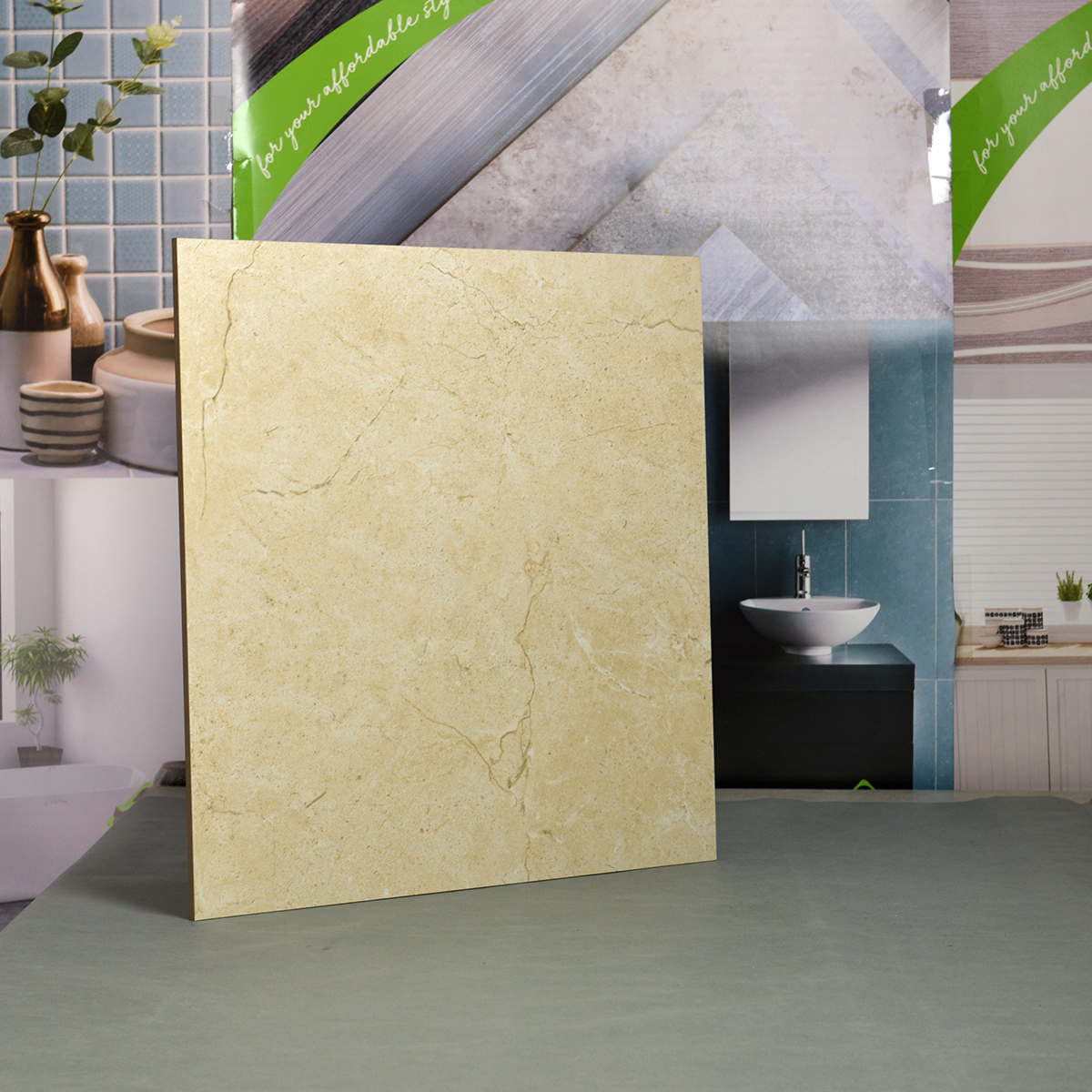
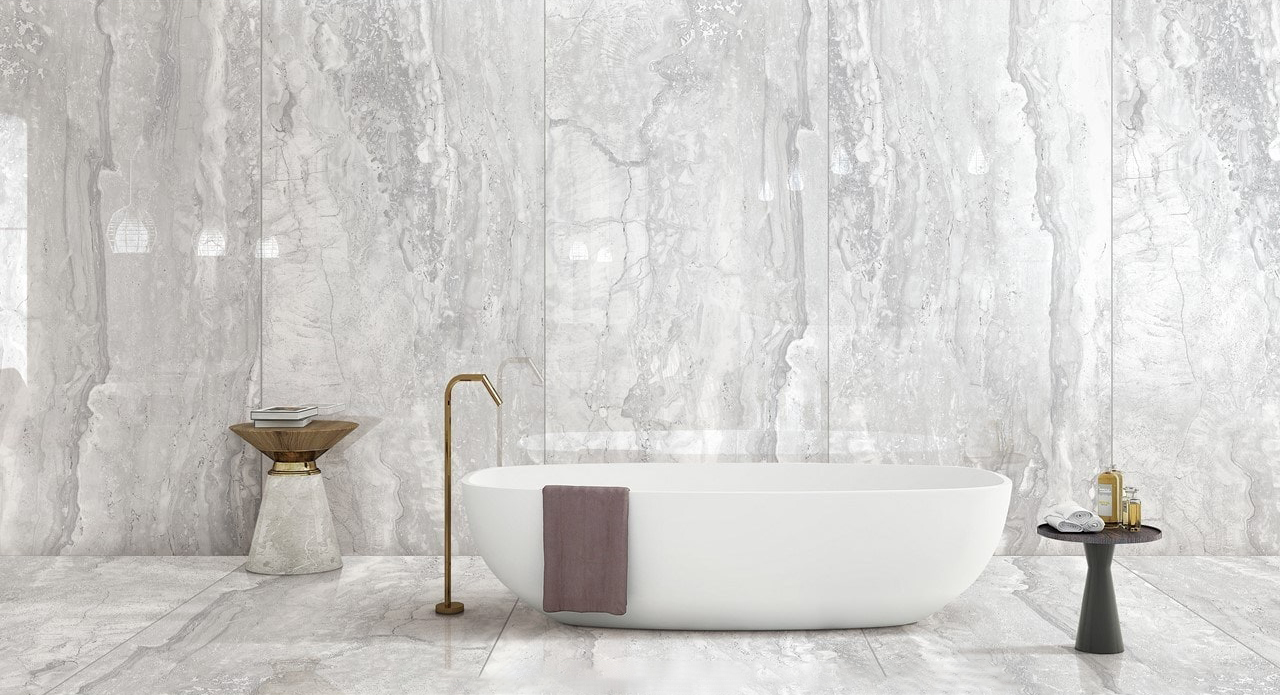
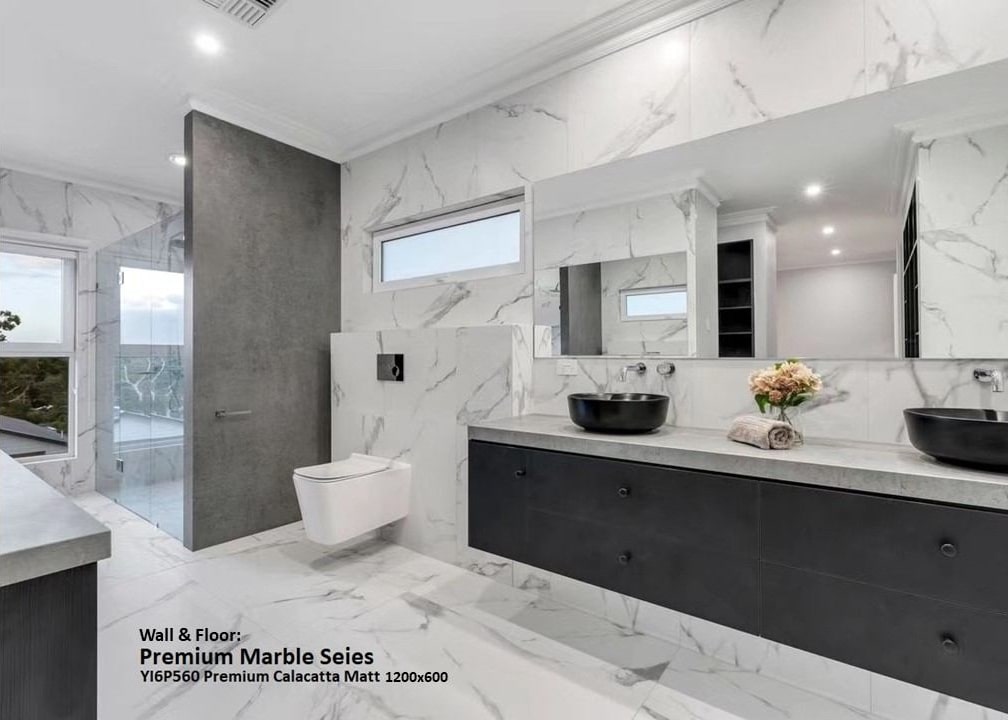
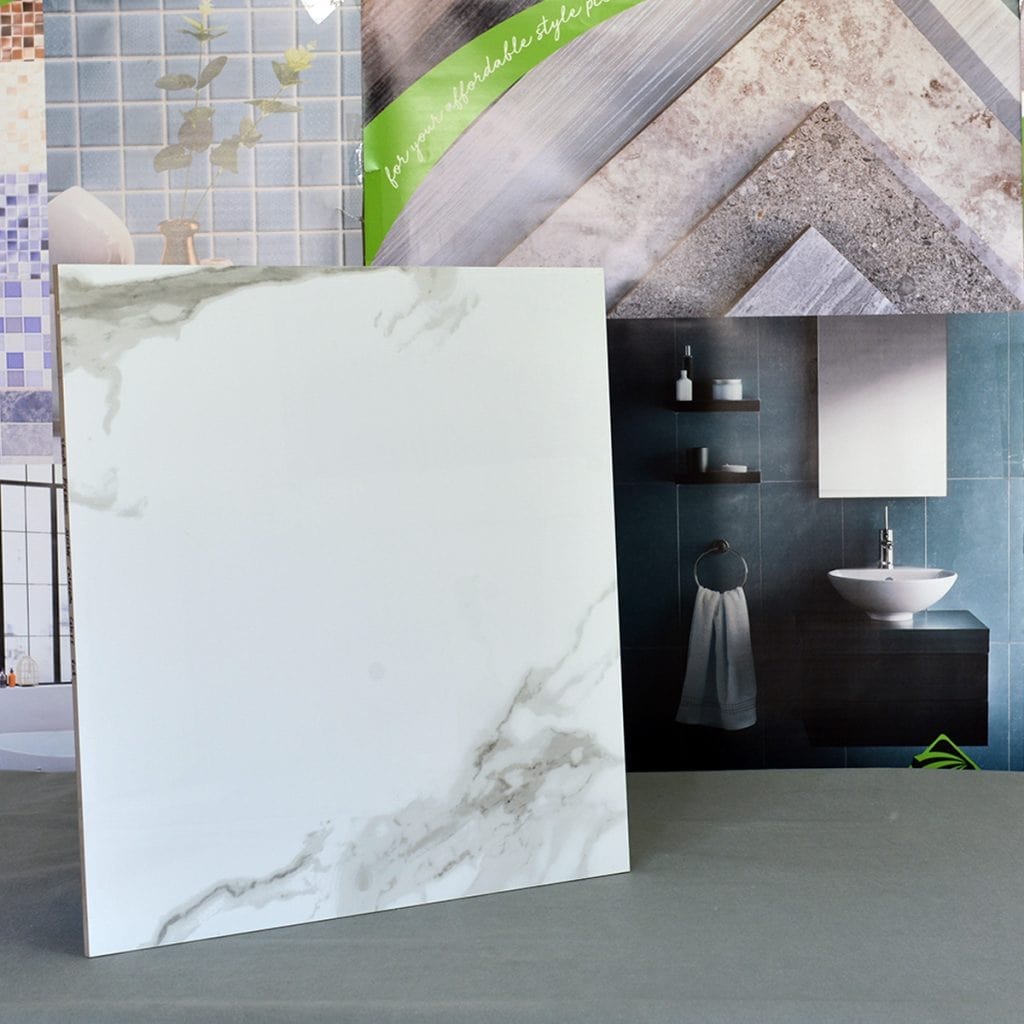
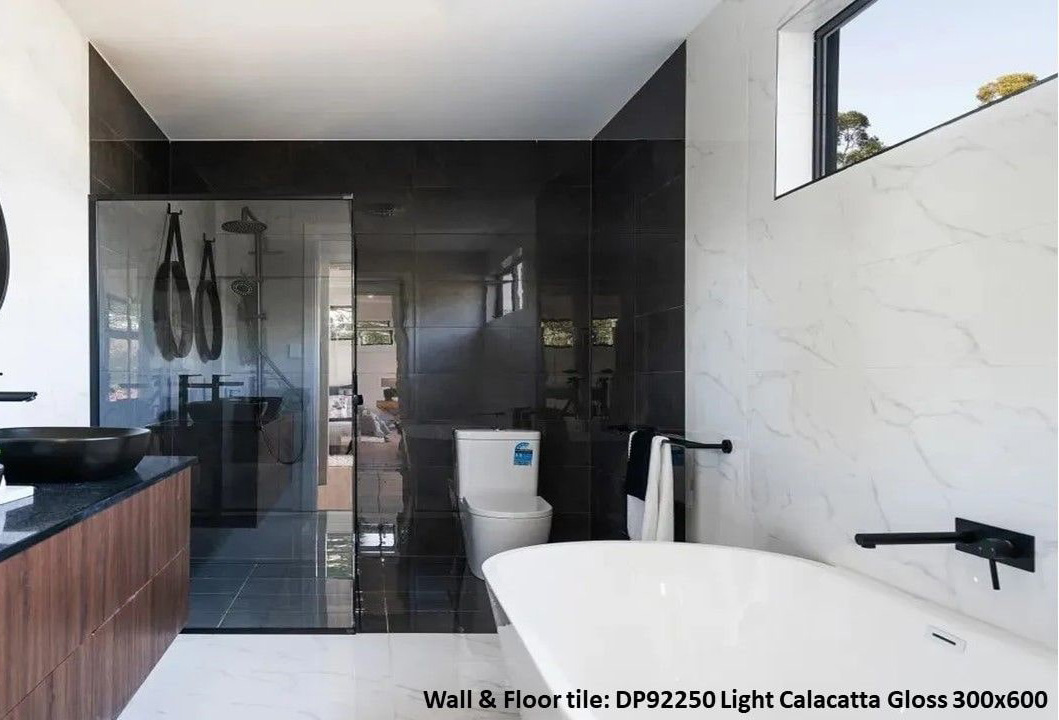
Large format wall tiles in a marble look cover a wall with fewer joints, so the veining flows almost uninterrupted across vanity walls, showers and living-room features. Grand Marble Calacatta Extra comes up to 600×1200 in polished or satin. See our marble look tiles.
Small pieces on mesh sheets wrap around niches and curves and add fine texture. Mosaic wall tiles Adelaide homeowners pick most often finish splashbacks, shower niches and powder-room walls. Ask to see our [mosaic range name — confirm], or explore our mosaic tiles.
Pattern brings instant character to a powder room, laundry or splashback. Keep it to one wall or a splashback so it doesn't compete with the rest of the room. Ask about our [Moroccan range name — confirm] and browse our Moroccan tiles.
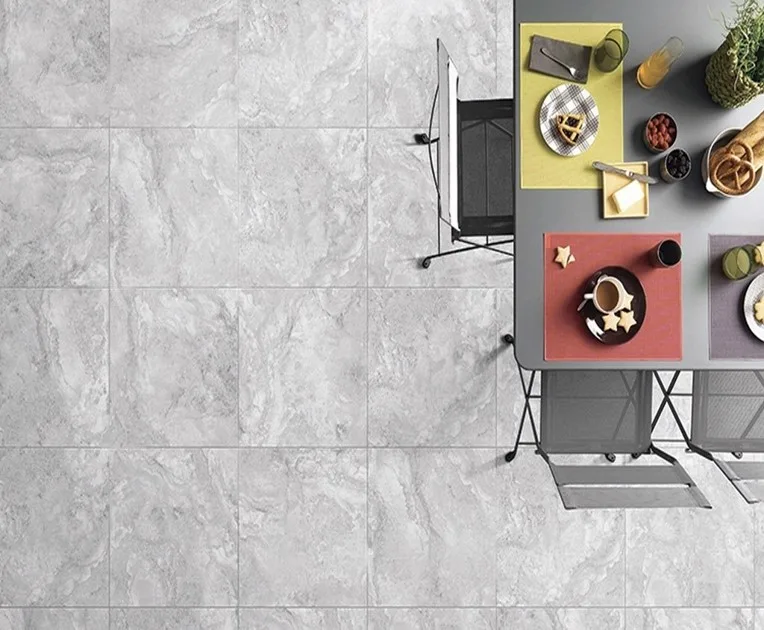
Raised, fluted and stone-textured faces catch side light and cast soft shadow, which makes them ideal for entries and bedhead walls. Stoneage 3D Antarctic comes in 600×300 up to 1200×600 in a natural finish that suits living areas too. Pair it with our grey tiles.
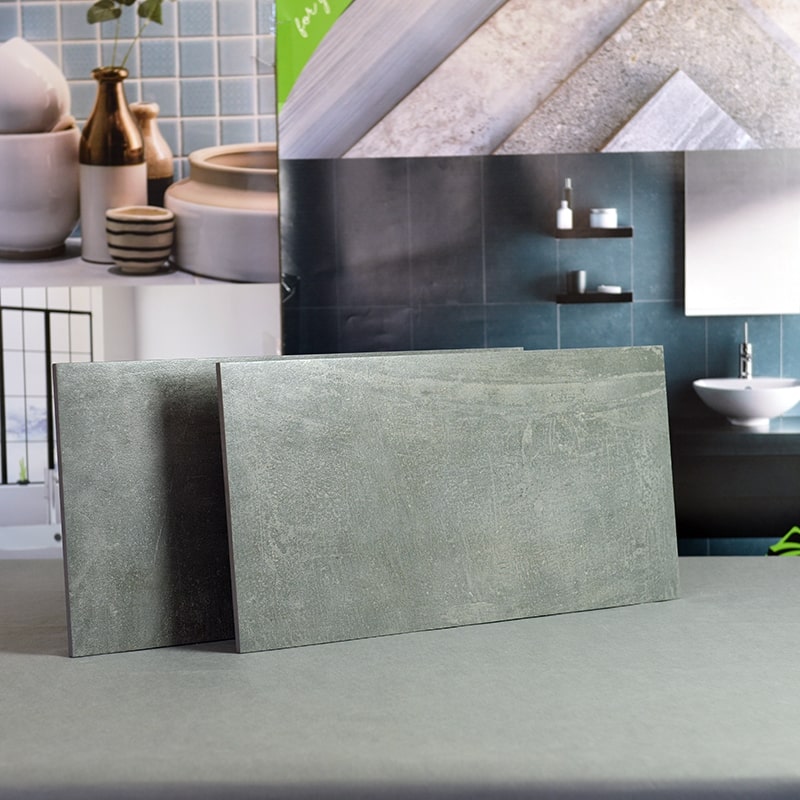
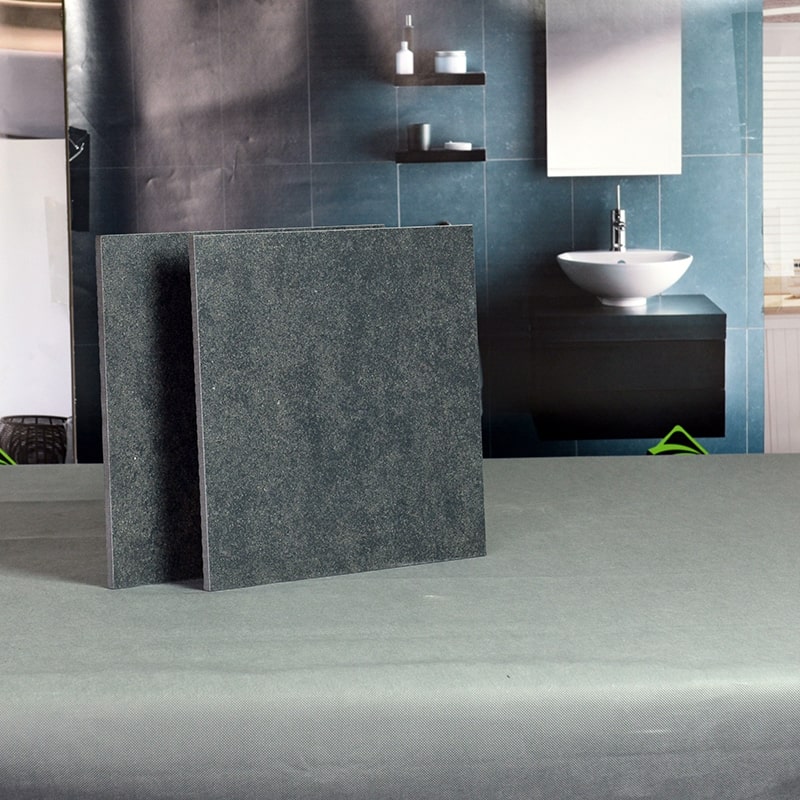
Timber-look tile adds warmth behind a vanity without timber's moisture risk, while concrete-look brings an industrial edge to laundries and alfresco walls. Classic Cement White Lappato has a soft semi-polished sheen in 300×600. See our timber look and concrete look tiles.
Stack bond
Running bond / brick
Herringbone
Vertical stack
Chevron
Layout changes the look of the same tile more than most people expect, and it affects labour time too. These are the five we're asked about most:
- Stack bond: Tiles line up in a straight grid for a crisp, modern finish. It's quick to lay but needs a flat wall and rectified edges, because any misalignment shows.
- Running bond/brick: Each row offsets by half a tile for a relaxed, familiar look. It's the most forgiving layout, although tiles longer than 600 mm are best offset by a third.
- Herringbone: Rectangles meet at right angles in a zigzag that adds movement to splashbacks and feature walls. It needs more cuts, time and spare tiles, so labour costs rise.
- Vertical stack: Tiles stand upright in straight columns to draw the eye up and make ceilings feel higher in small bathrooms. It installs like a stack bond, with the same need for precision.
- Chevron: Angled tiles meet in a continuous V for a sharp, tailored pattern. It usually needs purpose-made chevron tiles or angled cuts, making it the most complex of the five.
Planning a patterned layout behind the cooktop? Browse our splashback tiles, then bring your measurements in and we'll help you choose.
Matching grout
Contrasting grout
Grout is the easiest way to change a tile's personality without changing the tile. Matching grout, such as white on white, blurs the joints so the wall reads as one calm surface, which suits marble-look tiles, large formats and small bathrooms. Contrasting grout, like charcoal with white subway, outlines every tile and turns the layout into the feature.
Also, joint width is important. Rectified tiles are cut to precise sizes, so the joints are only about 1.5 to 2 mm wide, giving you a nearly seamless finish. Non-rectified tiles typically require 3 mm or more to accommodate small size variation. Your tiler will confirm the minimum for your tile. Thicker joints provide a more rustic look while fine joints look sleek and modern.
Tackling a DIY splashback or laundry wall? Adhesives and grouts are available in-store, so you can match colour and product to your tile in one visit.
The feature wall tiles Adelaide renovators get the most value from sit where your eye naturally lands: the shower niche, the vanity wall, the kitchen wall tiles behind the cooktop, a fireplace surround or the alfresco wall you see from inside. For bathroom wall tiles Adelaide homeowners want to stand out, a tiled vanity wall or niche delivers impact without overwhelming a small room.
The golden rule is to pair a busy feature tile with a plain field tile. Let the pattern or veining do the talking, then surround it with white tiles or a soft neutral pulled from the feature itself. Keep finishes consistent, and stop the feature at a natural edge such as a niche, corner or ceiling line. If the feature is bold, keep the field tile matt so the two don't compete.
We've helped Adelaide homeowners with vanity walls in Norwood, splashbacks in Unley and fireplace surrounds in North Adelaide. See more finished rooms in our gallery.
| Wall tile type | Indicative price |
|---|---|
| Ceramic wall tiles, 300×300 to 300×600 | $20–$35 per m² |
| Subway and brick-format tiles | $25–$50 per m² |
| Porcelain and marble-look, 600×600 to 600×1200 | $40–$90 per m² |
| Moroccan and patterned tiles | $40–$90 per m² |
| Large format and premium Italian porcelain | $70–$150 per m² |
| Mosaics (approx. 300×300 sheet) | $10–$35 per sheet |
Most of our wall range sits between $20 and $150 per square metre, depending on material, format and origin. Plain ceramics sit at the lower end, while large format and premium Italian porcelain sit at the top. Because we're factory direct, there's no retail markup added on top, and our premium Italian tiles carry the same 10-year warranty as our budget lines.
But watch the mosaic pricing closely. Mosaics are sold per sheet, not per square metre, so a cheap sheet price can look cheaper than it really is. Therefore a usual 300×300 sheet is about 0.09 m2, which means that you need about 11 sheets per square metre. First do the multiplication, then do the comparison. Prices fluctuate with the shipments. Include adhesive, grout and installation too. Get an up to date quote from our team.
Measure the length and height of each wall in metres and multiply them to get square metres. Deduct large openings such as windows and doors, but leave small gaps like power points and switches in, since they still create cuts. Then add wastage:
- Tiles up to 600×600: add 10%
- Tiles larger than 600×600: add 20%
For example, a 3 m × 2.4 m wall is 7.2 m², so order 7.92 m² of 300×600 tiles, rounded up to full boxes. Use our wall tile calculator for multiple walls or rooms. Order everything from the same batch, as shades vary between production runs.
Wall tile calculator
Measure in metres. We add 10% wastage for tiles up to 600 × 600 and 20% for anything larger.
Deduct doors, windows & openings
Totals are rounded up. Buy full boxes from the same batch and keep a few spares for future repairs.
Check stock with our team
“Michael and Raphael were incredibly helpful and patient with us as we went through our selection and purchasing process. I have never encountered such great customer service and I do not hesitate in recommending them to others. Five stars for value and service.”
“Aurees Tiles is the best place I found for wholesale tiles in value for money. A friendly team of professionals with years of experience and are willing to share their knowledge. Highly recommended and you won't be let down.”
“We received excellent service. The staff went out of their way to obtain some discontinued floor tiles for us. These had to come from interstate but the price was very reasonable and delivery was on time. Shellvey is a super customer service person but all staff were friendly and there were no hiccups.”
What Adelaide Customers Say


See wall tiles in person at our Cavan showroom
A tile looks different on a wall than in hand.

Our showroom displays let you see wall tiles Adelaide homes are using at full wall scale, check how veining and pattern repeat, and compare them under natural and artificial light. Take samples home to test against your paint, benchtops and cabinetry in your own light.
Visit us at Unit 2/517 Cross Keys Road, Cavan SA 5094, open seven days a week:
- Monday to Friday: 7:30am – 4:15pm
- Saturday: 8:00am – 3:45pm
- Sunday: 9:00am – 3:15pm
Call (08) 8359 5933 or drop in and our team will talk you through styles, layouts and quantities. Most in-stock tiles are ready for same-day pickup.
Wall tiles FAQs
Normally, yes. Most floor tiles can be used on walls as well as long as the wall and the adhesive can take the weight. Each wall board has a maximum weight per square metre for tiling, including adhesive. Heavy porcelain or stone may need a stronger substrate. The reverse is rarely true: Most wall tiles aren't strong enough or slip-resistant enough for floors.
Larger formats such as 300×600 or 600×1200 usually make a small bathroom feel bigger, because fewer grout lines keep the walls visually calm. Light colours and matching grout add to the effect. Save small mosaics for a niche or shower floor, where their extra joints add detail and grip.
It's a design choice as much as a practical one. Full-height tiling looks modern and is the easiest to clean, while tiling to around 1200 mm with paint above saves money. In showers, tile at least as high as the waterproofing, which Australian Standard AS 3740 requires to 1800 mm above the floor.
Rectified tiles are ground to exact sizes after firing. This results in sharp, square edges that can be butted up with very fine grout lines. These are non-rectified tiles with softer, slight rounded edges and small size variations so they require wider joints. Rectified is used for modern, nearly seamless walls; non-rectified for a softer, more traditional look.
Most mosaics are priced and sold per sheet, and sheet sizes vary between ranges. A typical 300×300 sheet covers about 0.09 m², so you'll need roughly 11 sheets per square metre before wastage. Give us your wall measurements and we'll convert them into the right number of sheets.
Yes, very often. Existing tiles should be sound, well bonded and free of drummy or cracked pieces, then cleaned and primed. Painted walls will need the paint well adhered, scuffed up or primed, and gloss paint may need to be stripped off. In wet areas, tile only over a compliant waterproofing membrane – so check with your tiler first.