Tiles don’t just “stay popular” in Adelaide—they outlive trends so ruthlessly that if tiles had an ego, you’d probably accuse them of showing off. And honestly, you wouldn’t be wrong. You live in a city where materials either tolerate the heat, the soil, the long renovation cycles, and the hard water… or they pack their bags. Tiles stay. Quietly smug. Unbothered. Still leading the renovation conversation like that one friend who keeps being right every year, and you can't even be annoyed about it because they're right again.
The funny part is… you’re not choosing tiles because “they look nice.” You’re choosing them because every other material has already failed one test or another in this state. Adelaide’s temperature spikes expose fakes fast. Laminates curl. Some flooring swells. Vinyl loses its confidence. Even timber has its fragile moments when the heat hits that “why is the road melting?” level. Tiles, though, hold their form like they’re collecting loyalty points for it.
And that’s the bit renovation blogs keep skipping. Adelaide isn’t following tile trends; you’re driving them whether you intend to or not. The climate, the soil, the long gaps between renovations… they all funnel you toward one material that doesn’t flinch under pressure. It’s not glamour; it’s survival. Well, and a little style flex, because you’re allowed that.
But tiles lead in Adelaide because they make your home look like someone knew what they were doing. Even when the renovation decisions were powered by “let’s not deal with a disaster in five years,” tiles still come out looking like you planned it all. They give you the long game. They give you fewer headaches. And sometimes (accidentally) they give you bragging rights.
So yes, tiles reign here. Not because of some glossy trend report. Not because Instagram told you. Tiles dominate Adelaide because they’ve outperformed every contender on the things locals rarely talk about openly: structural stability, heat tolerance, soil reactivity, long-term value, and the kind of durability that borders on disrespectful. And if you’ve ever renovated in this city, you already have a good idea why.
The temperature range here is wild enough to stress-test materials without needing a lab. And this isn’t exaggerated; engineers talk about it all the time. Materials that expand, contract, soften, or shift end up causing problems faster than you’d expect.
Tiles handle temperature variations with a kind of silent arrogance. They don’t warp. They don’t bloat. They don’t behave differently because the weather can’t decide if it’s finishing summer or starting winter. Their thermal stability is the real reason they dominate. You aren’t choosing tiles because you’re “loyal to a look.” You’re choosing them because you subconsciously understand that anything less durable becomes expensive.
This is the first quiet reason tiles run the renovation scene: they’re one of the few materials that don’t complain about the climate.
South Australia has more reactive clay soil than many people realise. Engineers classify whole suburbs as Class M, Class H, or even Class E for a reason. This soil moves. Sometimes a little, sometimes enough to make your slab do something unhelpful.
Tiles absorb this stress distribution better than most competing materials. They spread the load evenly, which prevents localised pressure spots. That results in fewer cracks, fewer lifted sections, and fewer “why is there a line running through my hallway?” moments. In other words, tiles work with the ground instead of pretending it isn’t shifting.
Once you understand this, the renovation trends make sense. Tiles don’t lead because they’re trending; they lead because the geography pushes you toward materials that reduce risk.
Adelaide homeowners renovate less frequently than homeowners in big cities. It’s a documented behaviour pattern in the industry. People here like to “do it once and be done for a long time,” which changes everything. If you’re renovating on a multi-year timetable, durability becomes the core requirement.
Tiles last 15–30+ years with minimal maintenance. Other products… not so much. When your renovation cycle is slow, you choose something that won’t embarrass you after a few summers. Tiles prove their value by outlasting alternatives over decades, locking them in as the obvious front-runner every time.
Trends don’t lead Adelaide. Long-term logic does. Tiles just happen to be the only material ready for that logic.
Water composition plays a bigger role in material survival than most homeowners think. South Australia’s water is known for being on the harder side, which affects surfaces over time… and grout even faster.
Dense tiles with low porosity resist mineral buildup far better. They maintain surface integrity. They don’t degrade as quickly. And you don’t spend your weekends fighting deposits caused by hard water. This isn’t glamorous, but it’s a real, measurable advantage.
Tiles win because they aren’t fazed by what SA Water brings to the table.
The trade community is a powerful force in shaping what rises and falls in popularity. Tilers, plumbers, designers, and builders repeatedly recommend tiles because they’re predictable. That predictability matters more than Pinterest, mood boards, or trend lists.
Tiles install cleanly. They respond well to correct adhesives. They deliver stable results on slabs affected by reactive soil. And if repairs are ever needed, tiles allow targeted fixes without ripping up entire floors.
This isn’t marketing. It’s a professional preference, and professional preference quietly steers consumer behaviour.
Adelaide buyers have a particular appreciation for finishes that don't require future spending. Tiles are a visible signal of “low maintenance,” which immediately affects perceived value.
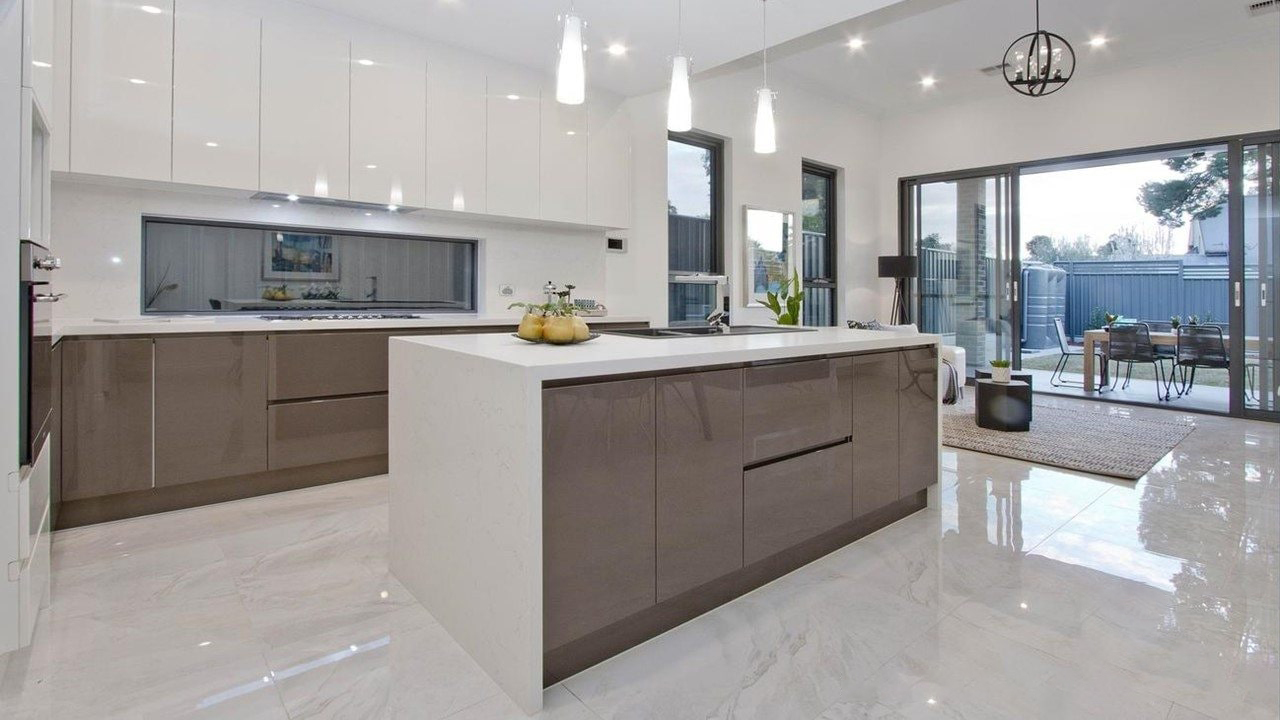
A beautifully tiled bathroom or kitchen tends to attract better interest because the buyer knows the likelihood of future failures is low. You reduce long-term risk by choosing tiles, and Adelaide buyers place value on that reduction. This dynamic reinforces tiles as the default premium choice for renovations aimed at adding value.
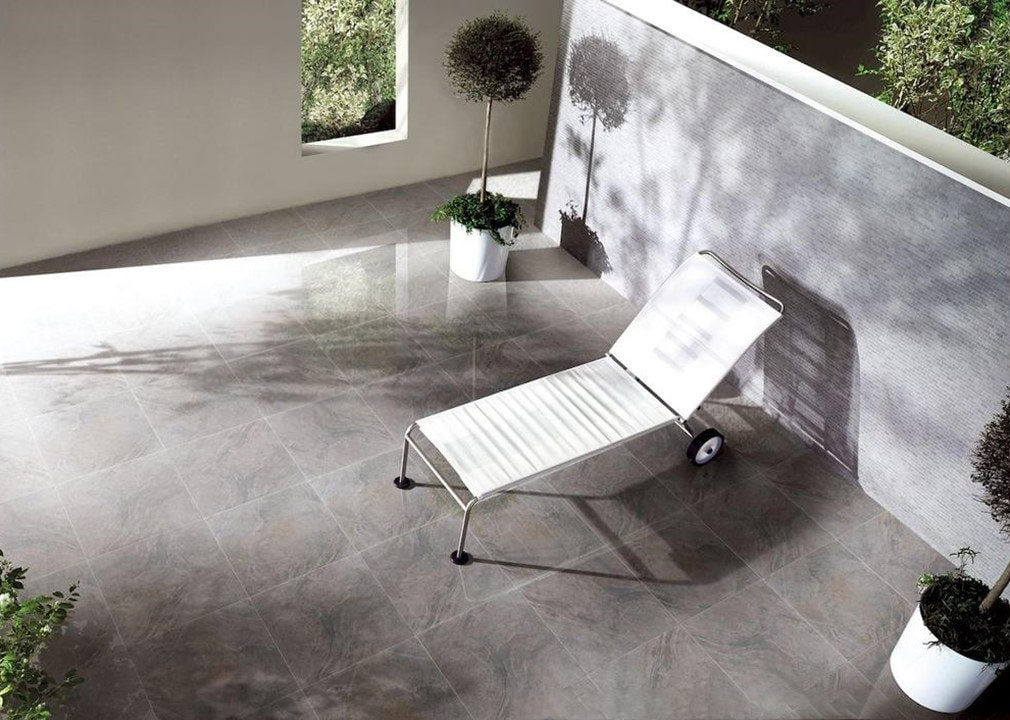
Adelaide’s climate pushes outdoor areas into constant use. You know this already. But here’s the critical part: outdoor materials must handle heat, cool-down periods, and surface friction without failing.
Anti-slip, heat-resistant tiles are designed for environments with extreme temperature fluctuations. Other outdoor materials don’t always cope as well, leading to problems like surface fatigue or early wear. Tiles pass this test easily, which means they naturally dominate alfresco areas, verandas, and patios across Adelaide.
You’re not choosing them because everyone else does. You’re choosing them because you’ve heard enough horror stories about materials that didn’t cope.
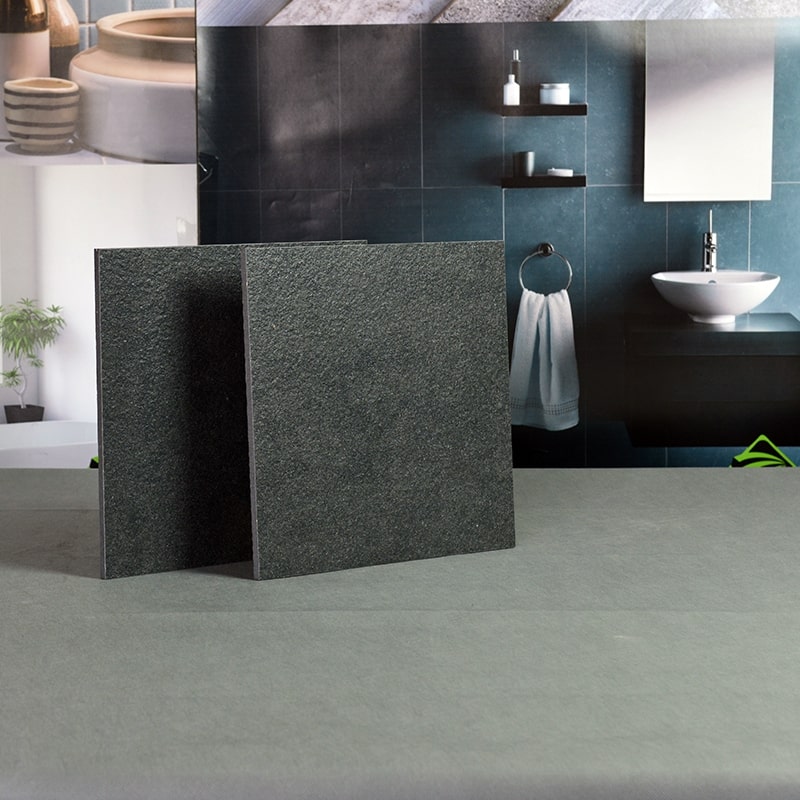
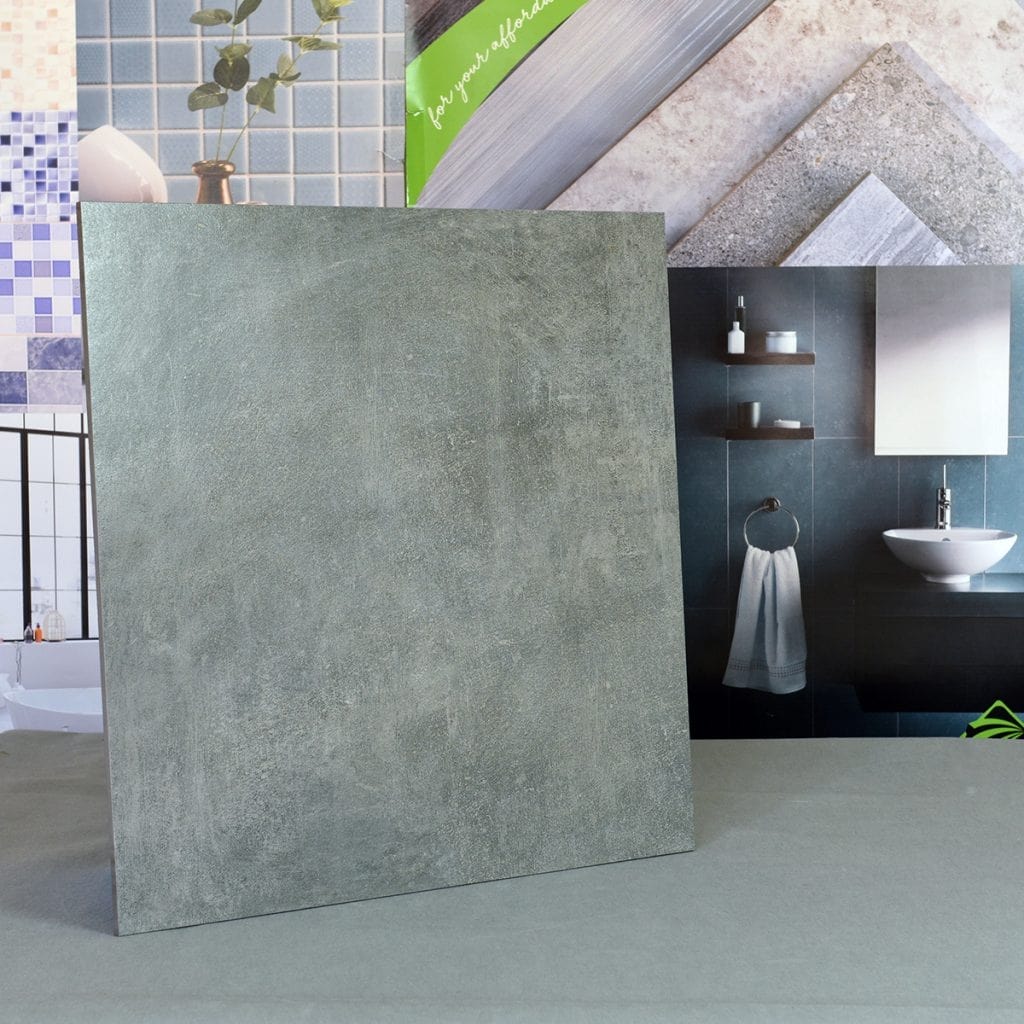
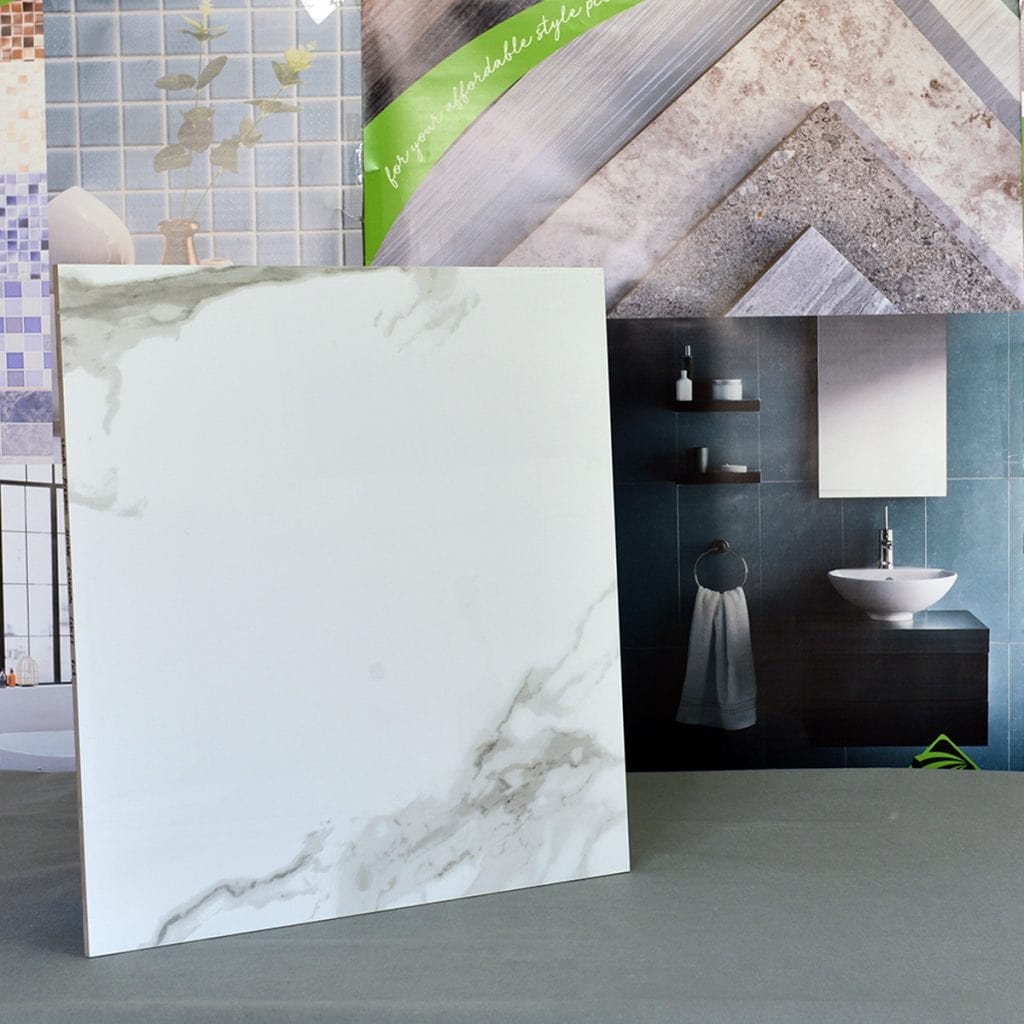
A trend survives only when supply meets demand at a high standard. Aurees Tiles has spent years serving Adelaide homeowners with products suited to local conditions. With access to reliable porcelain, ceramic, stone-look tiles, textured finishes, and technical guidance, you avoid trial-and-error purchases.
When a supplier knows the region’s environmental challenges, they help you select materials that work with the climate, the soil, and your lifestyle. That’s why tiles remain strong; they’re backed by consistent expertise and a supply chain designed for Adelaide’s conditions.
Tiles are not the trend, they’re the standard. They don’t falter when the temperature spikes. They don’t react badly to the soil. They don’t get intimidated by hard water. And they certainly don’t age out of relevance when your renovation cycle takes its time.
Tiles dominate because Adelaide demands materials that don’t fold under pressure. You’re not following a trend. You’re choosing what works, what lasts, and what won’t give you a maintenance bill you’ll regret later.
That’s why tiles in Adelaide continue to lead, and they’re not slowing down any time soon.