Trends don’t always arrive with a clear announcement.
More often, they show up gradually—across different homes, in slightly different ways—until you start noticing a pattern. Not the kind that feels overdone, but the kind that quietly works.
That’s where things get intriguing.
If you’ve been browsing tile styles used across Adelaide homes, you might have picked up on a few recurring choices. Not flashy. Not overly styled. Just consistent, well-considered materials showing up again and again.
And there’s usually a reason behind that.
Many designers are not making bold statements; instead, they are looking for materials that support a space rather than take over.
Across current projects, a few preferences stand out:
It’s less about standing out and more about getting the foundation right.
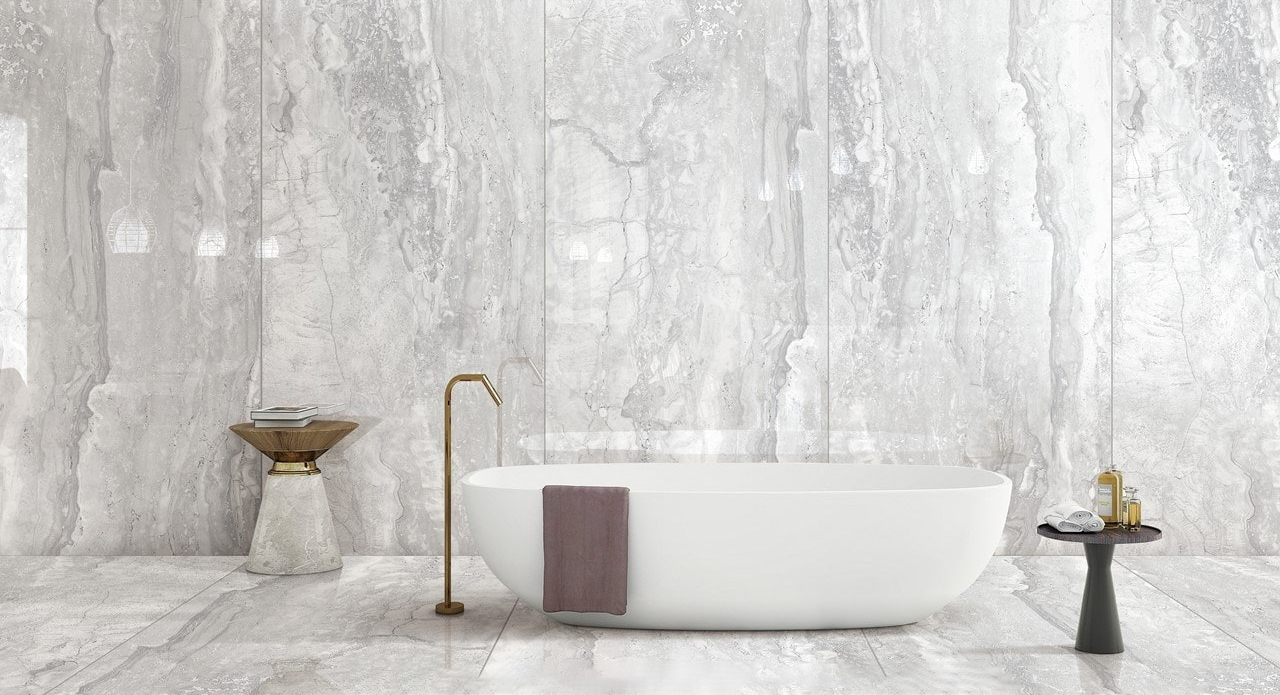
Stone-inspired tiles aren’t new. But the way they’re being used has shifted.
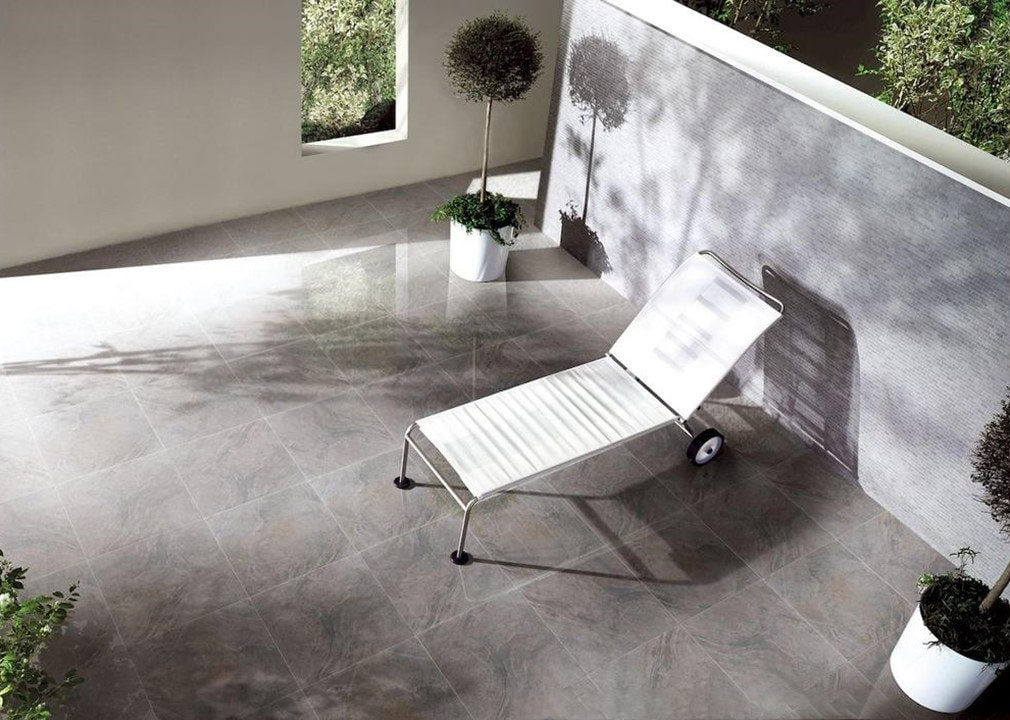
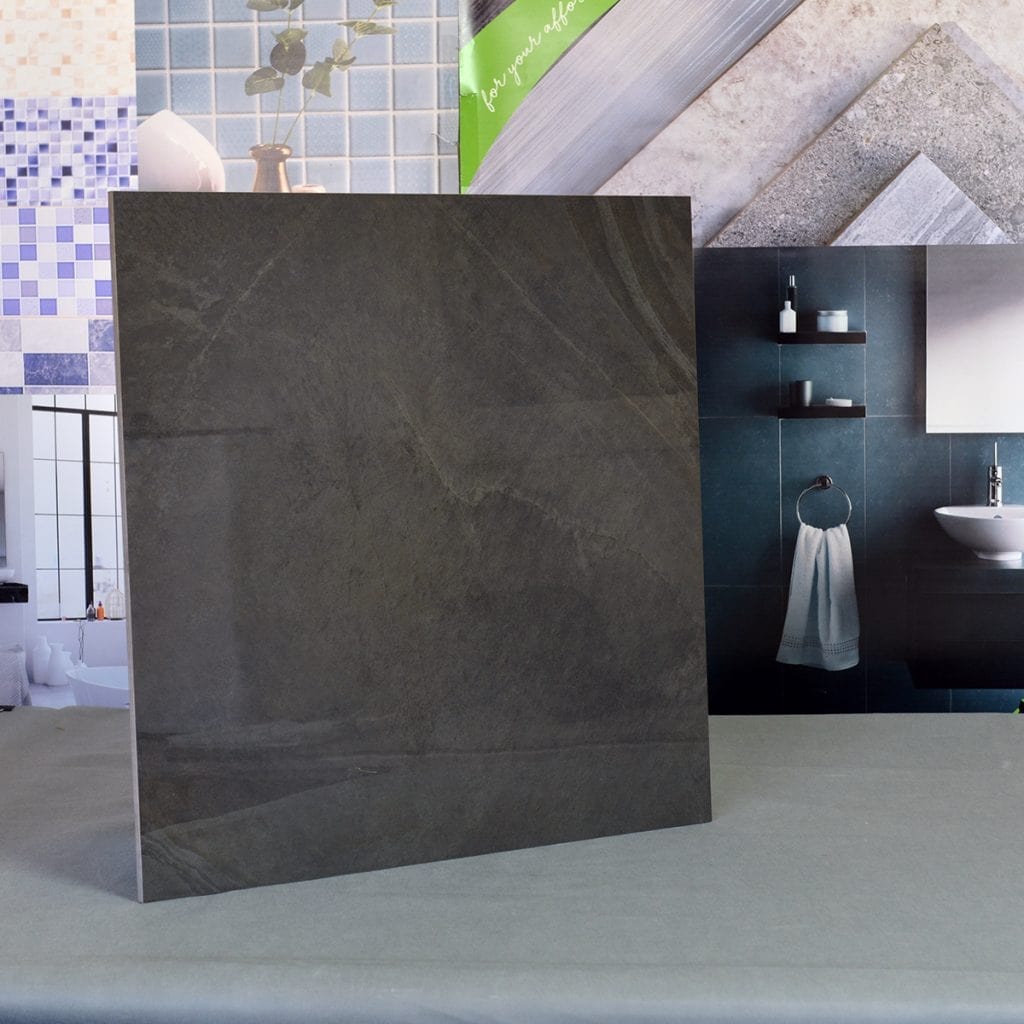
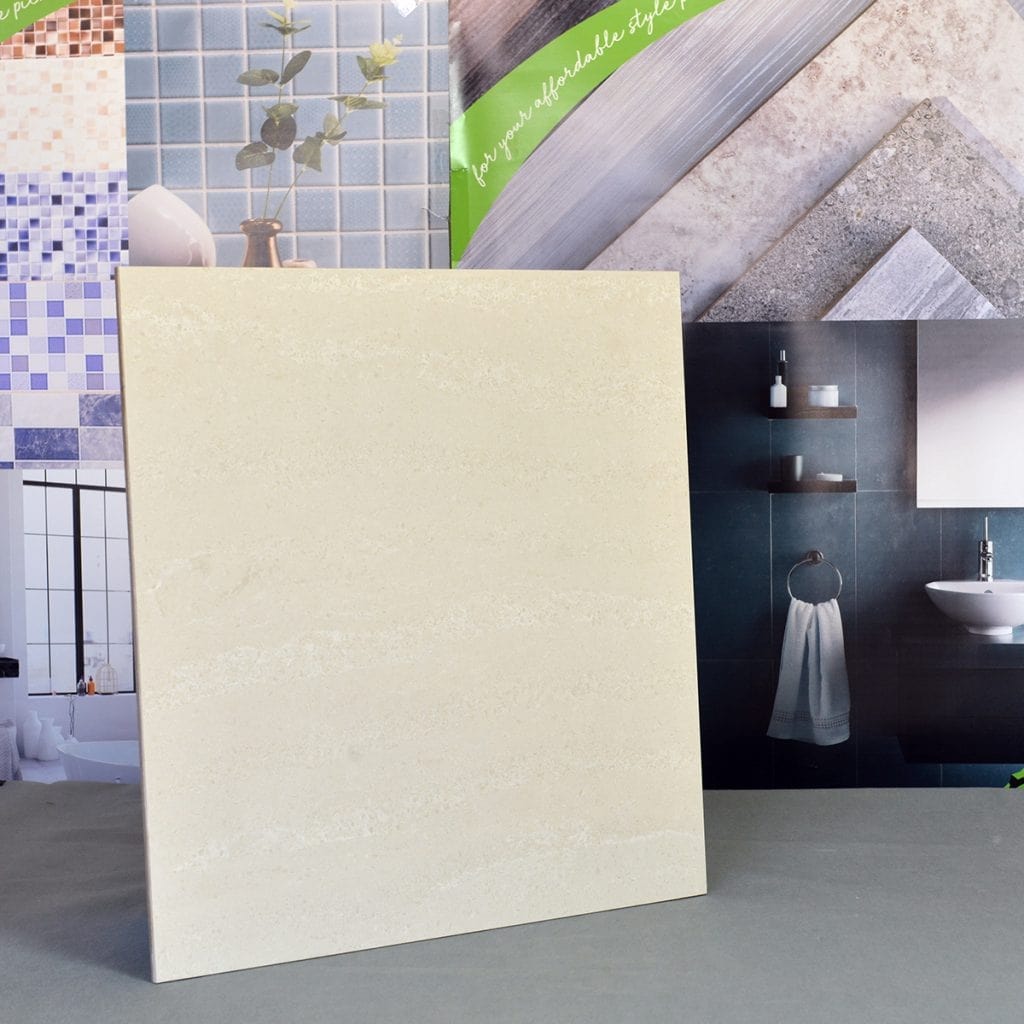
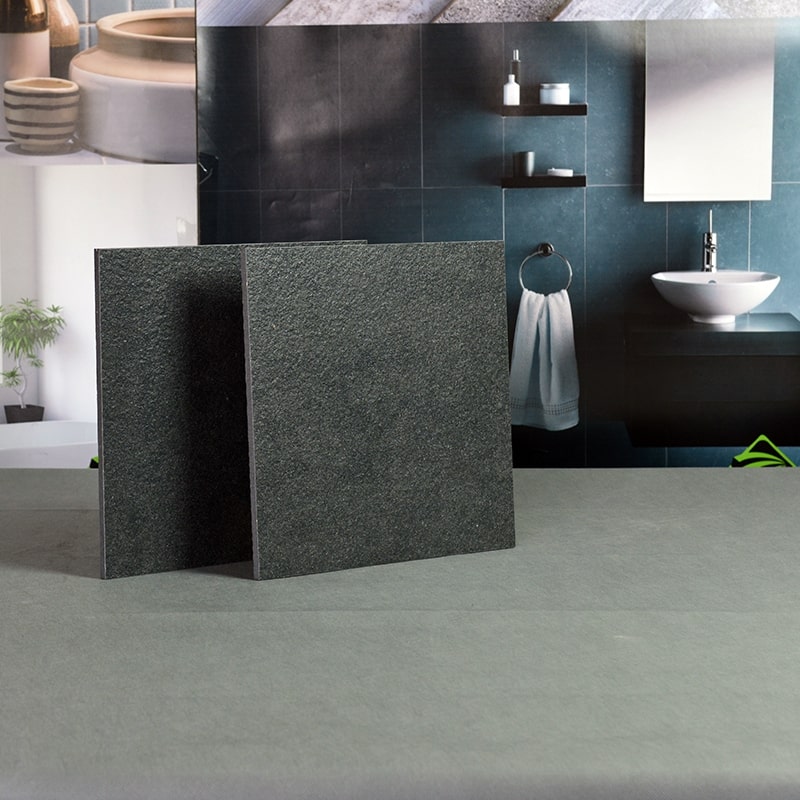
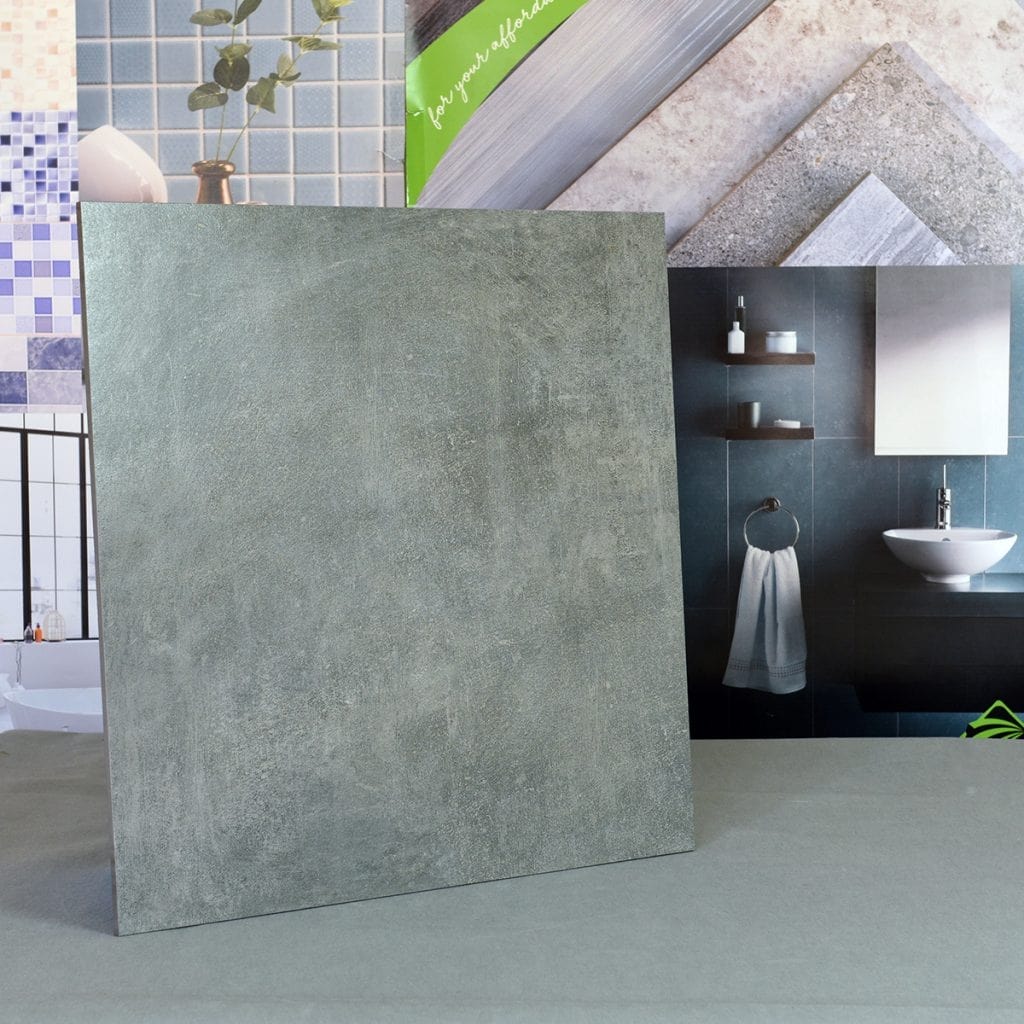
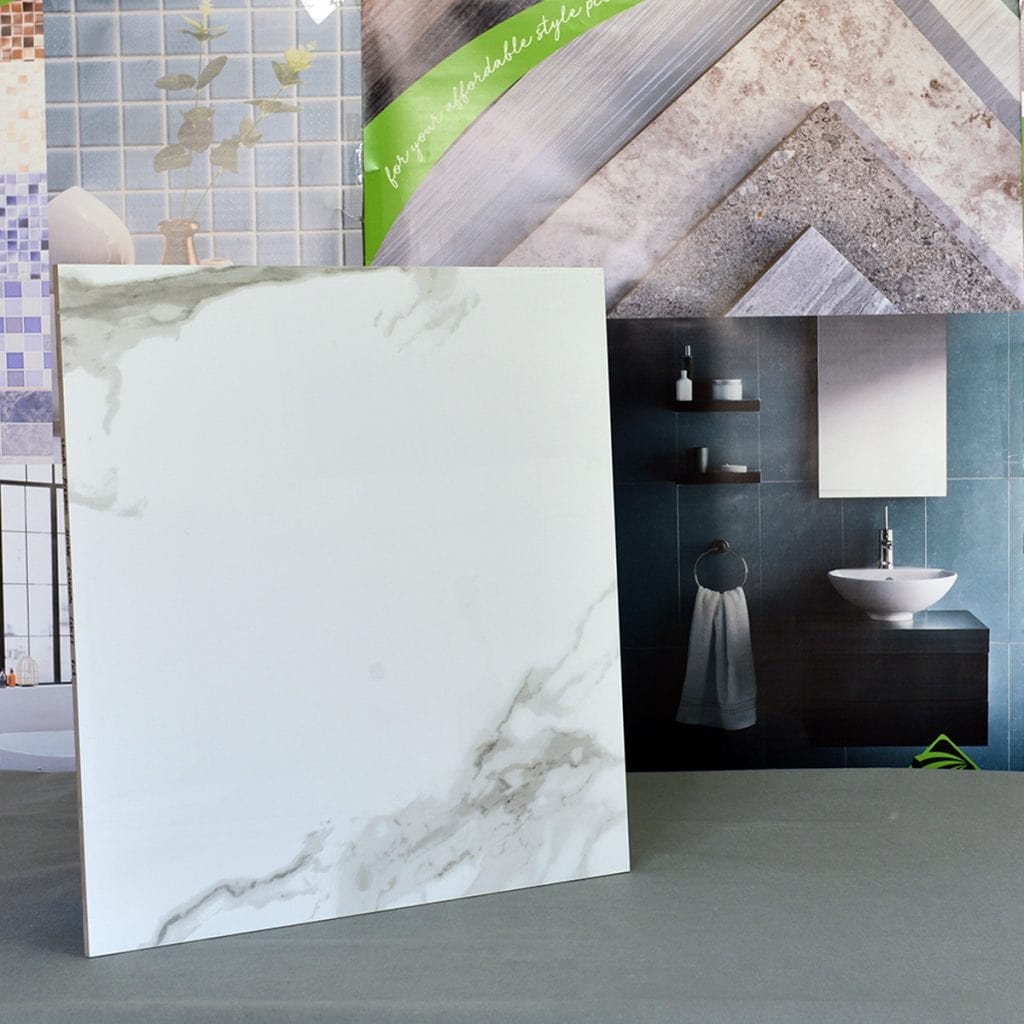
People are moving away from high-contrast veining and dramatic patterns toward softer, subtler versions. Imagine soft changes, muted colours, and finishes that feel more like honed stones than polished marble.
These tiles work because they can be changed. They look good in both modern and more traditional settings, and they don't tie a home to a certain style cycle.
If you're exploring this direction, it helps to look through porcelain tiles that replicate natural materials without the maintenance (https://aureestiles.com.au/porcelain-tiles/). These options offer a practical balance of appearance and durability, making them a smart choice for many homes.
Bigger tiles aren’t just about scale—they’re about clarity.
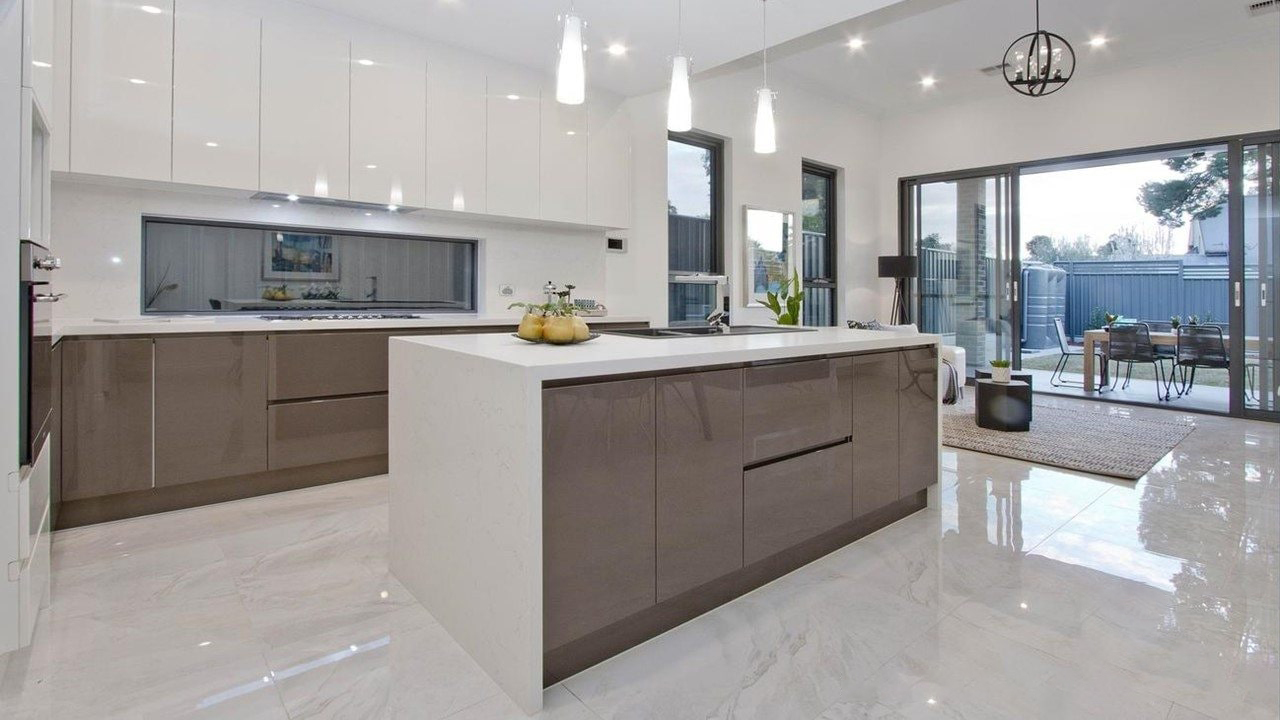
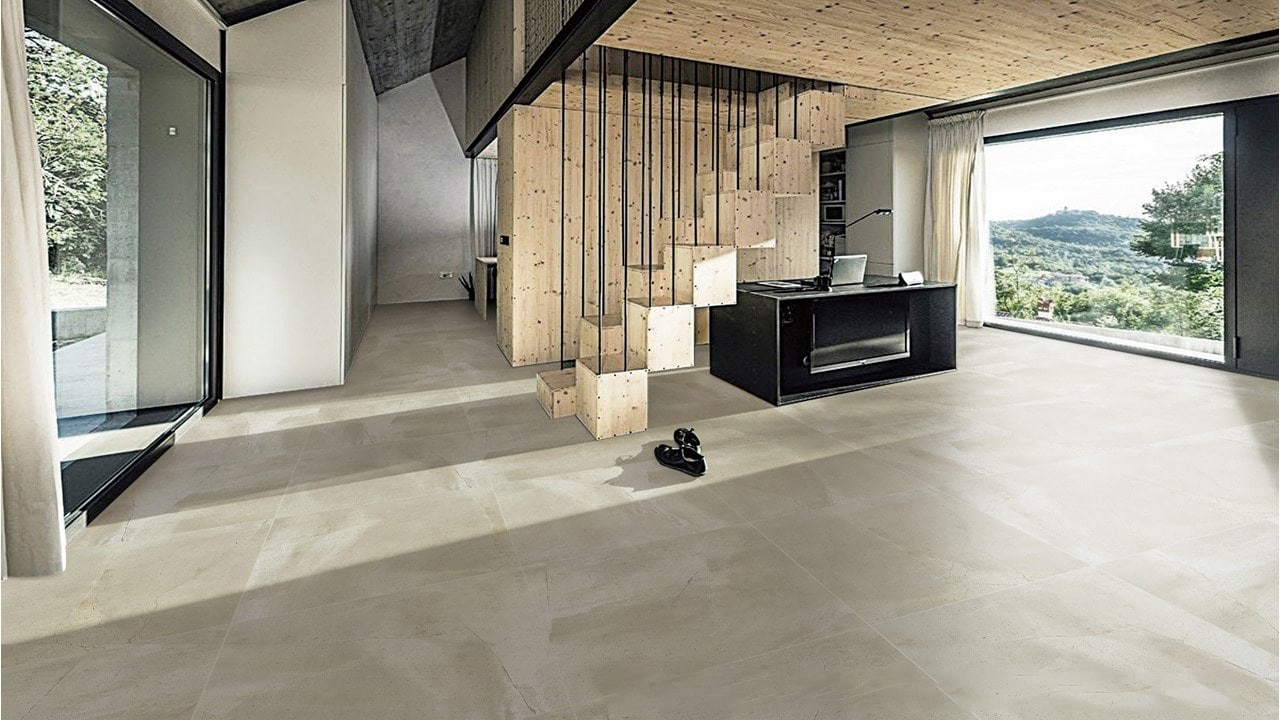
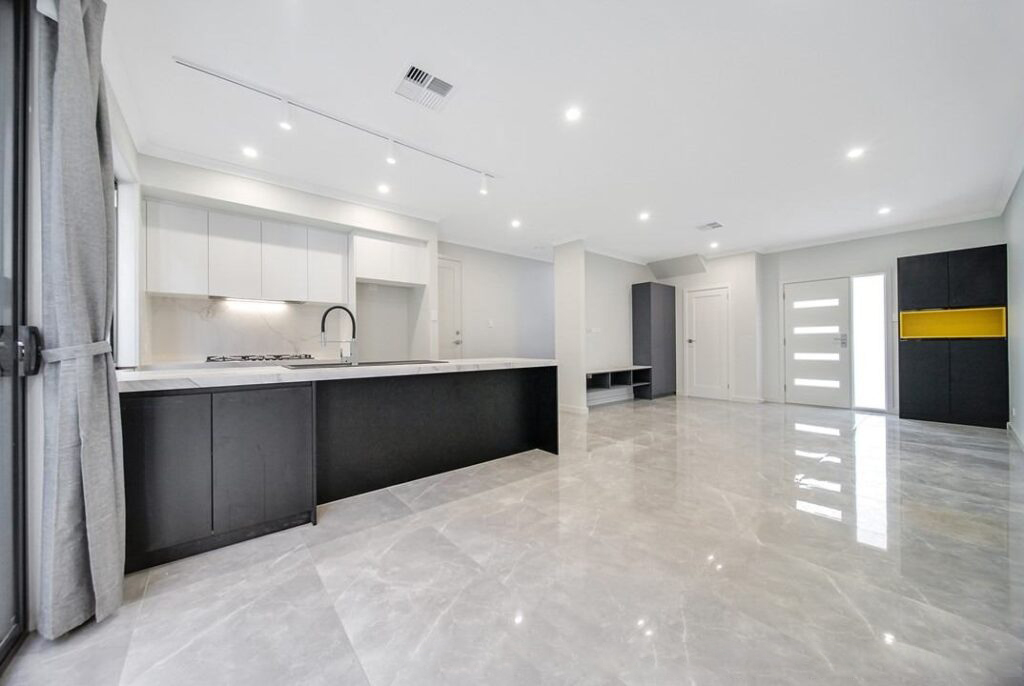
Large-format tiles make a cleaner surface because they have fewer grout lines. The space feels less broken up and more connected. This works especially well in homes with open floor plans, where the flooring needs to flow through several areas without breaking.
They’re also being used more confidently in smaller areas. Bathrooms, for example, can feel noticeably more open when finished with larger tiles rather than smaller, segmented ones.
It’s a subtle shift—one that changes how a space is experienced.
Glossy tiles used to be the default. Easy to clean, reflective, bright.
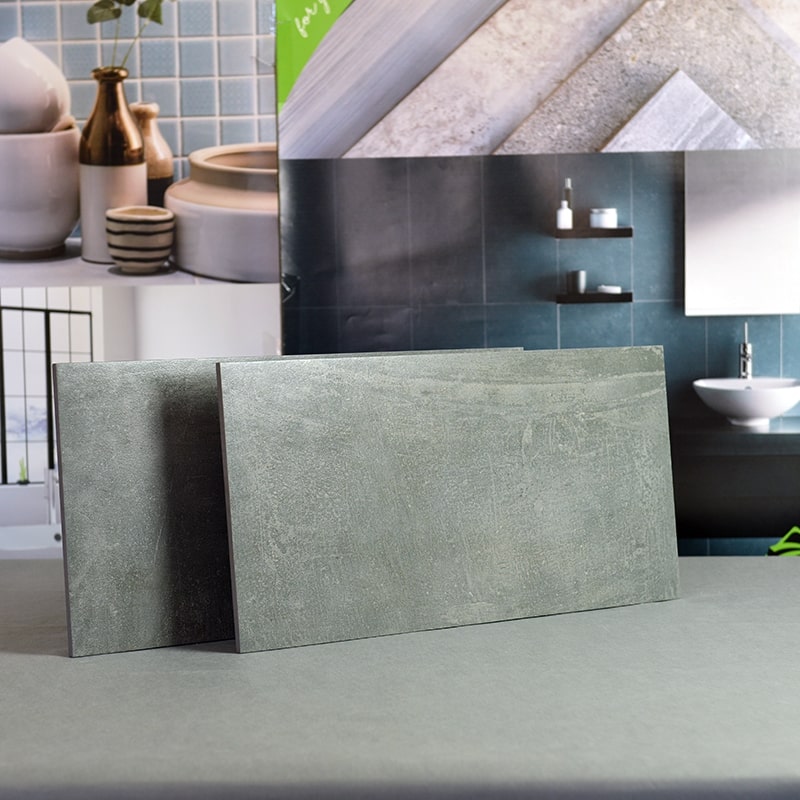
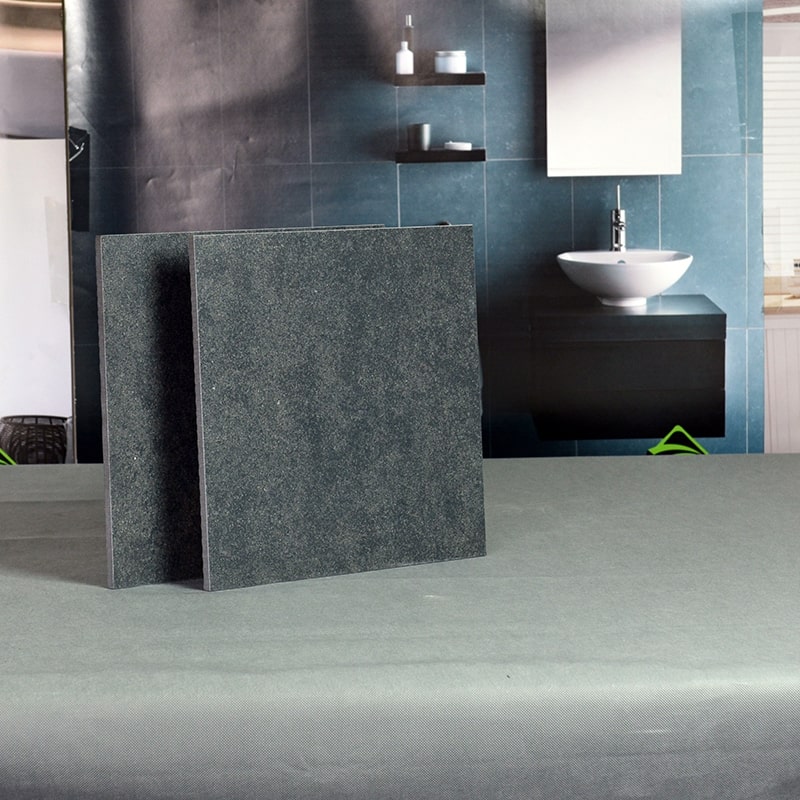
Now, there’s a clear move towards mattes.
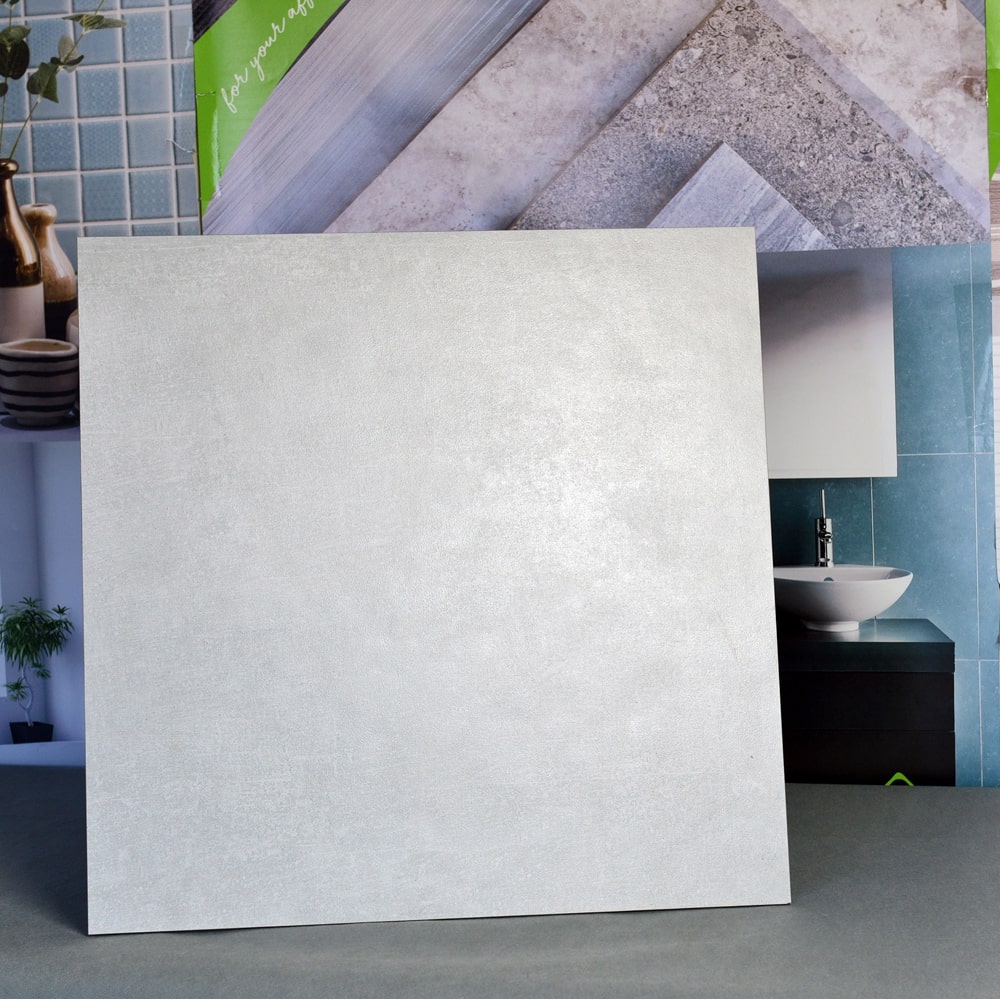
Soft finishes absorb light rather than bounce it around, which tends to feel more comfortable—especially in homes with strong natural light. They also reduce glare and create a more relaxed atmosphere overall.
This is particularly noticeable in bathrooms and living areas, where a softer surface can make the space feel more settled.
And in practical terms, matte finishes are often more forgiving of everyday marks and wear.
One of the more considered approaches designers are using is continuity.
Rather than switching materials between rooms, the same tile is carried through:
This approach creates a more unified feel. The home reads as a whole, rather than a series of separate rooms.
In wet areas, that same thinking applies—but with a focus on performance as well. It’s important to choose bathroom tiles that handle moisture while still aligning with the overall design so the transition between spaces feels seamless.
Flat, uniform surfaces can sometimes leave a space lifeless.
That’s why texture—used carefully—is becoming more prominent.
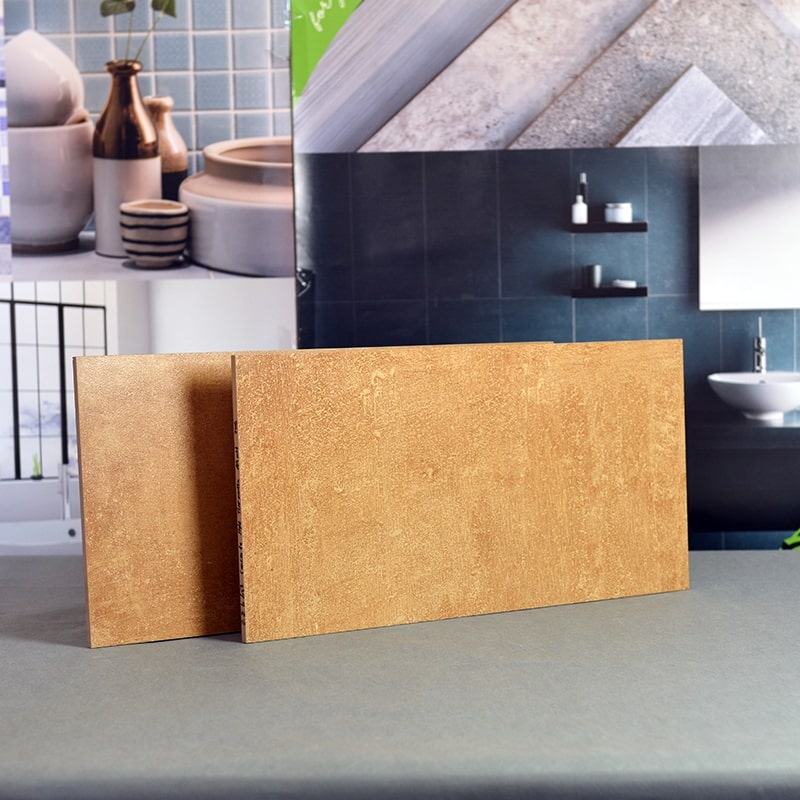
Not heavy or overly tactile, but just enough variation to catch light differently throughout the day, adding a quiet sophistication that appeals to renovators aiming for refined spaces.
These details don’t stand out immediately. But they build depth over time, which makes a space feel more considered.
All of these trends share a common thread.
They’re not trying too hard.
Each one supports the space rather than competing with it. They allow other elements—furniture, lighting, architecture—to sit comfortably alongside them.
And importantly, they tend to age well.
Because they lack strong visual statements, they remain relevant longer. They continue to feel appropriate, even as other aspects of the home evolve.
Knowing what works is one thing—seeing it in context is another.
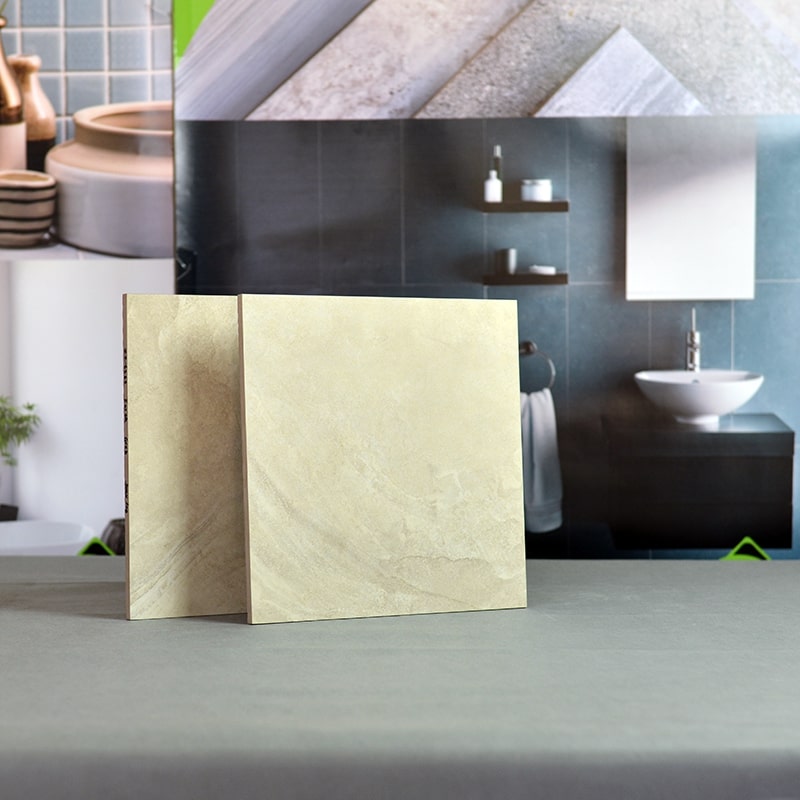
Tiles can look completely different depending on scale, lighting, and how they’re laid. That’s why it helps to step beyond individual samples and look at how combinations come together.
If you're at that stage, it’s worth taking the time to browse a curated selection of tiles in Adelaide and compare styles in real settings . It often makes the decision feel more straightforward.
Final Thoughts
The tile designers are using right now aren’t defined by boldness.
They’re defined by restraint.
Across Tiles Adelaide projects, the direction is clear: materials that feel natural, layouts that simplify space, and finishes that hold up over time.
If you're choosing tiles for your home, it’s worth paying attention to these quieter trends—and exploring tile options that balance design with long-term practicality .
Because in the end, the best choices aren’t always the ones that stand out immediately—they’re the ones that continue to feel right, day after day.
Stone-look tiles, large-format tiles, and matte finishes are among the most commonly used styles in modern Adelaide homes.
It depends on the space, but matte tiles are often preferred for their softer look, reduced glare, and practicality in everyday use.
They make spaces feel more open and connected by creating fewer visual breaks, which is especially helpful in open-plan layouts.