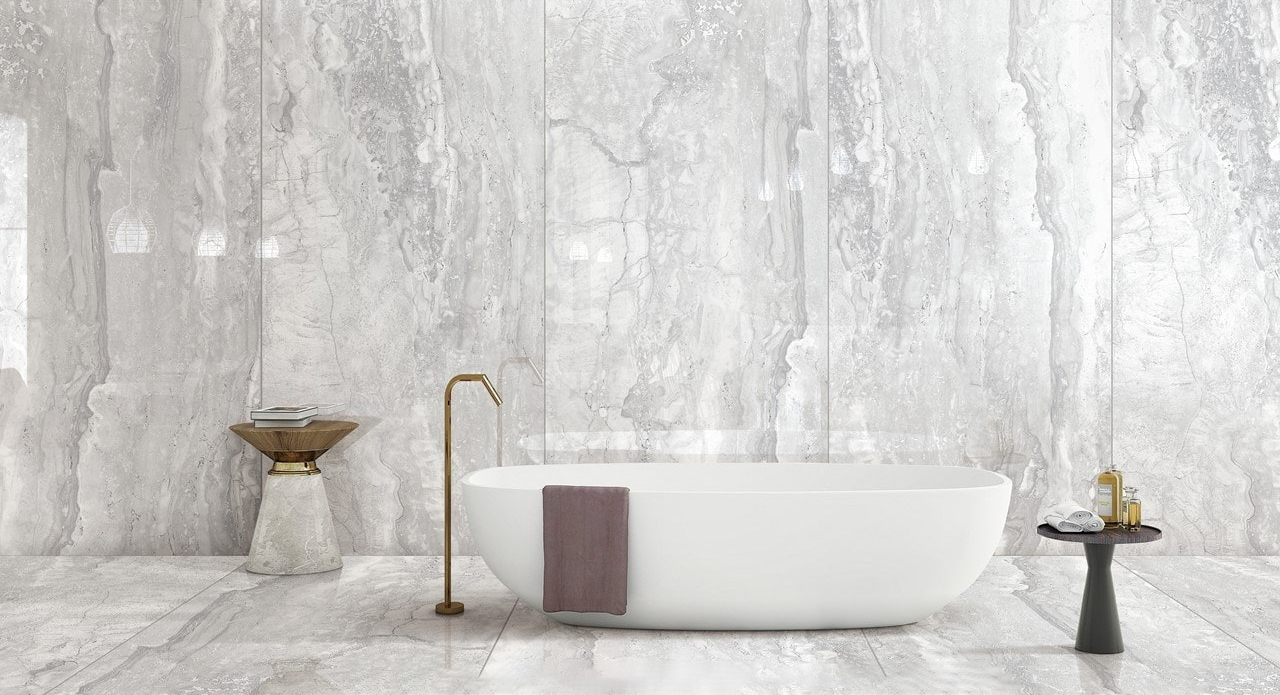
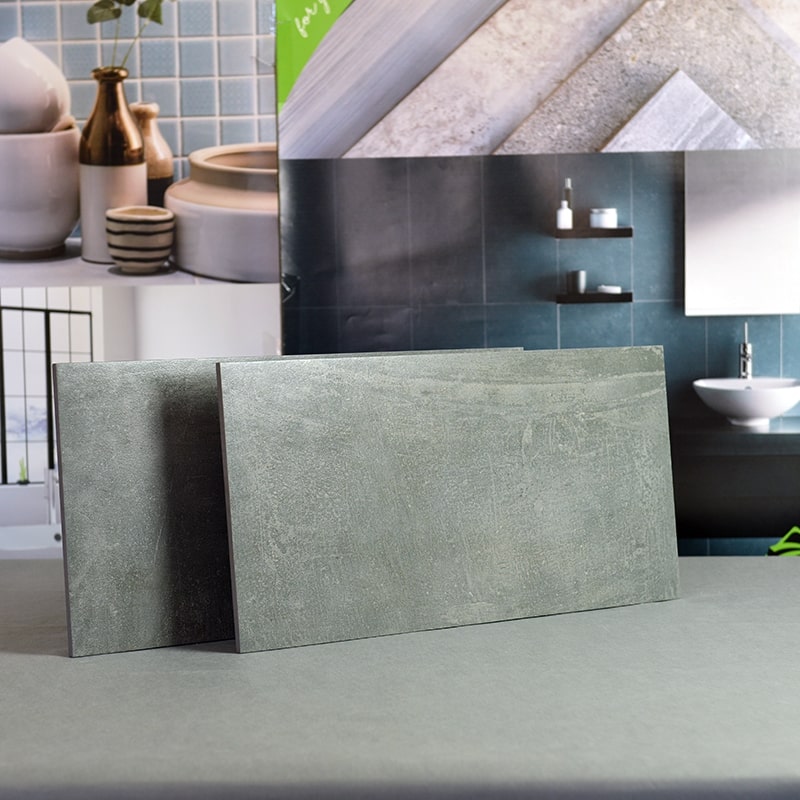
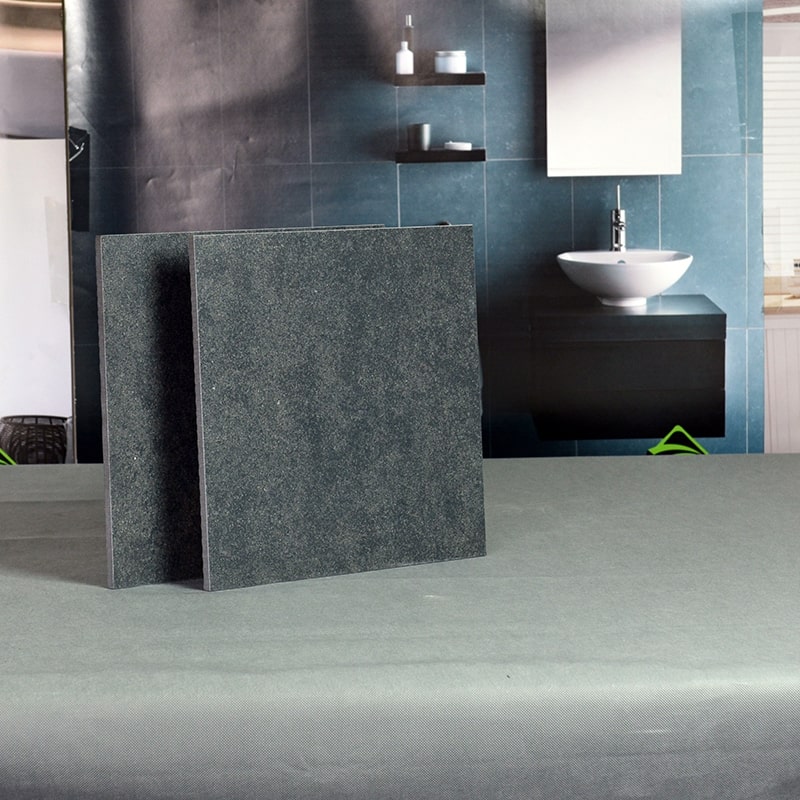
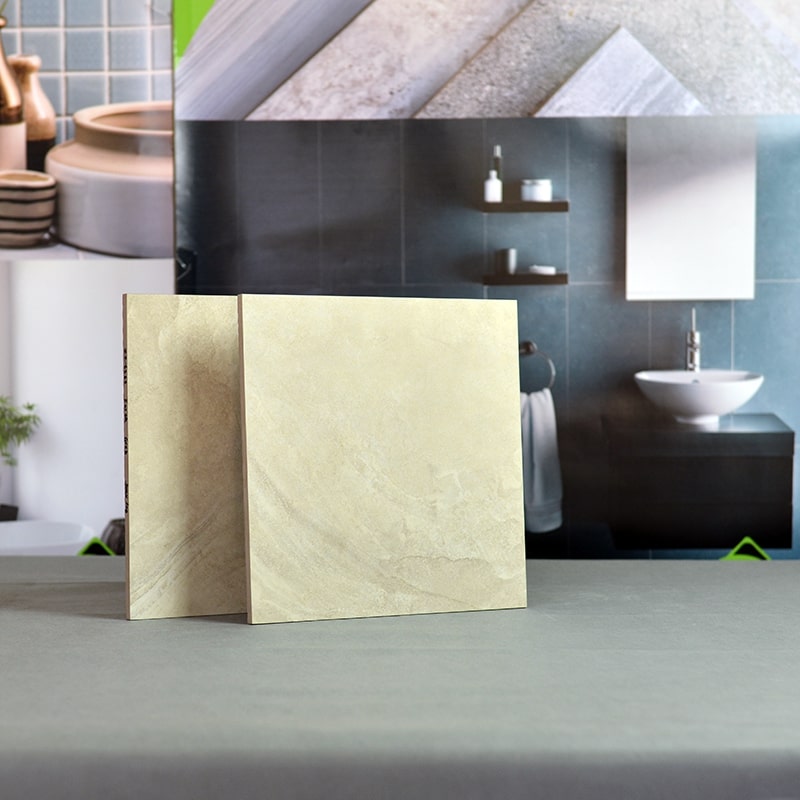
If you live in Adelaide, you probably already know we’ve got tiles everywhere, literally. Kitchens. Bathrooms. Entryways. Even those outdoor zones that cop real heat. But what’s kinda surprising is that while some tiled spaces still look tight after ten years, others start to feel tired just after three years.
That gap isn’t usually taste, but the decisions most people never realise they’re making.
For tiles in Adelaide, you’re basically choosing how your space will age under South Australian conditions. Under heat swings, hard water, fine dust and even foot traffic.
Yes, most tiles are tested in labs. But only a few (very few) are tested in Adelaide.
There’s a myth in Adelaide that modern tiles prioritise looks over strength. But that’s far from it. Really far.
Current manufacturing focuses on tighter firing tolerances. And that means denser bodies, lower water absorption, and edges that stay square over time. No wonder rectified tiles have become common.
As well as reducing micro-movement between tiles, rectified edges also give you slimmer grout lines. So, less movement means fewer hairline cracks. This is especially important in Adelaide homes where slab movement is subtle, but constant.
You’ll see many low-quality tiles pass basic strength tests but fail the consistency test. Most durability failures actually start underneath the surface. One tile absorbs slightly more moisture. Another expands faster in summer. That mismatch (over time) shows up as lipping, tiles that feel uneven underfoot, or grout breakdown.
Good tiles behave predictably. And that predictability is the difference between “yeah, still fine” and “why is this happening”?
When you’re assessing tiles in Adelaide, density and absorption matter. Porcelain, for example, is more rigid and more stable in temperature shifts. That counts for so much here.
Price easily gets misunderstood in tiles.
Affordable usually means efficient production, not weaker material. Large-scale suppliers with strong logistics can offer tiles that hit modern standards without boutique pricing. That’s how you get durability without overpaying for scarcity or unnecessary finishes.
Knowing that changes how you shop.
Adelaide’s climate strictly punishes shortcuts.
Heat cycles stress adhesive beds. Outdoor tiles face UV exposure that fades cheap glazes faster than brochures admit. Even hard water affects grout longevity.
Tiles designed for European interiors don’t always love Australian conditions, and rightly so. But tiles selected with local use in mind last longer. Full stop.
That’s why suppliers who’ve been operating here for years tend to curate differently. They’ve already seen what fails and what works.
Look, a bigger range isn’t helpful if you can’t filter it properly.
Modern tile collections are designed in systems. Matching indoor and outdoor finishes. Slip ratings that don’t force you into ugly textures. Sizes that align with standard room proportions, so cuts don’t dominate the install.
That kind of range saves money during installation and avoids visual noise later.
Yes, it’s boring.
But it’s why good spaces stay calm.
Suppliers who’ve been around long enough understand how tiles behave once they leave the showroom. So, that experience shapes what gets stocked and what disappears.
Since 2009, Aurees Tiles has focused on precisely that. Range depth. Customer service that’s based on knowing what works locally. Pricing that reflects scale.
They’ve indeed grown into one of the largest suppliers of tiles in Adelaide without chasing gimmicks.
Tiles are permanent in a way paint isn’t.
You could repaint.
But you don’t usually re-tile just because you’re bored.
Choosing modern, durable, and affordable tiles helps avoid the regret that can show up years later.
And in Adelaide, that’s the most innovative way to buy.