Spend ten minutes reading tile specification sheets, and one question dominates: how do you weigh up rectified vs non-rectified tiles? When planning a tiling project for an Adelaide home, it helps to understand that edge type matters—just not always in the way people expect. It affects how fine the grout lines can be, how forgiving the installation is, and how the finished surface reads from across the room.
Since 2009, the team at Aurees Tiles has helped homeowners, builders and designers work through this exact decision, and the honest answer is that edge type matters, just not always in the way people expect.
It affects how fine the grout lines can be, how forgiving the installation is and how the finished surface reads from across the room. This guide explains the difference in plain terms, where each type makes sense and what to check before you commit.
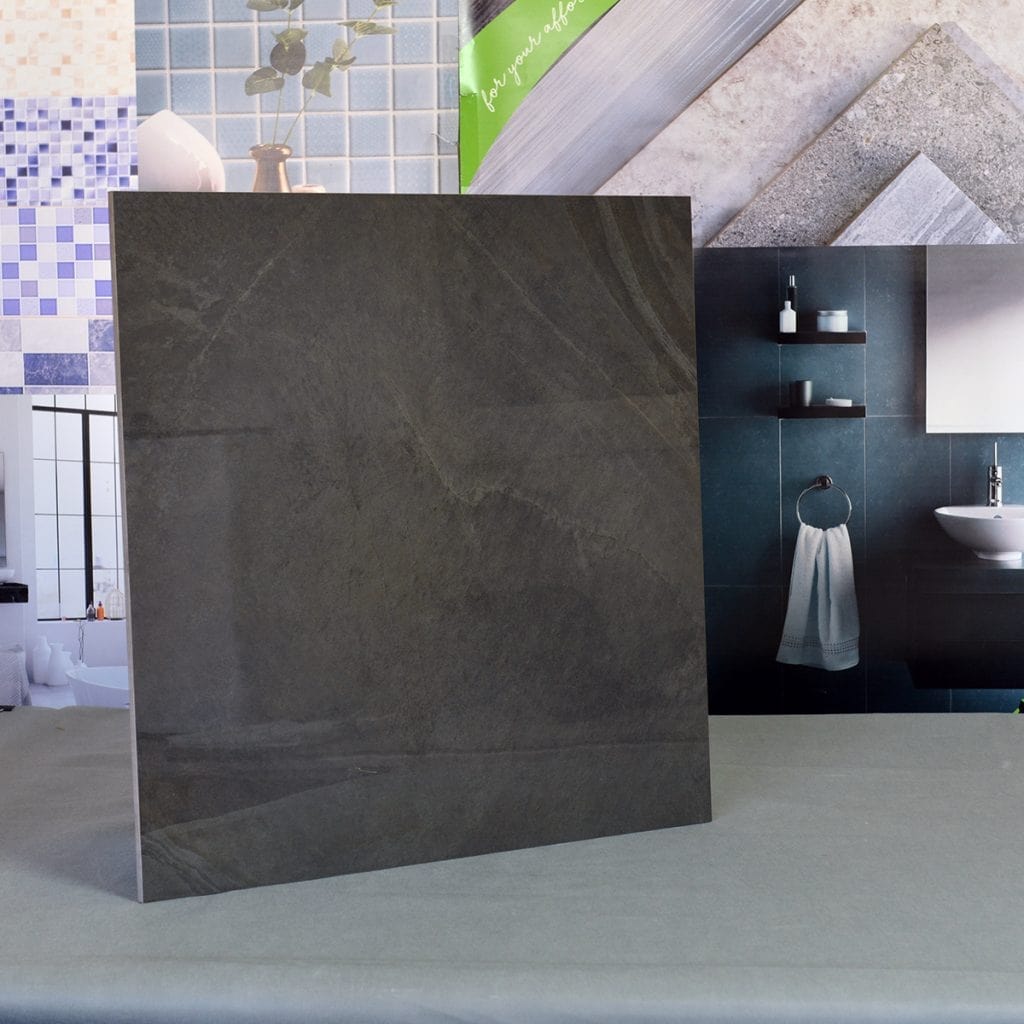
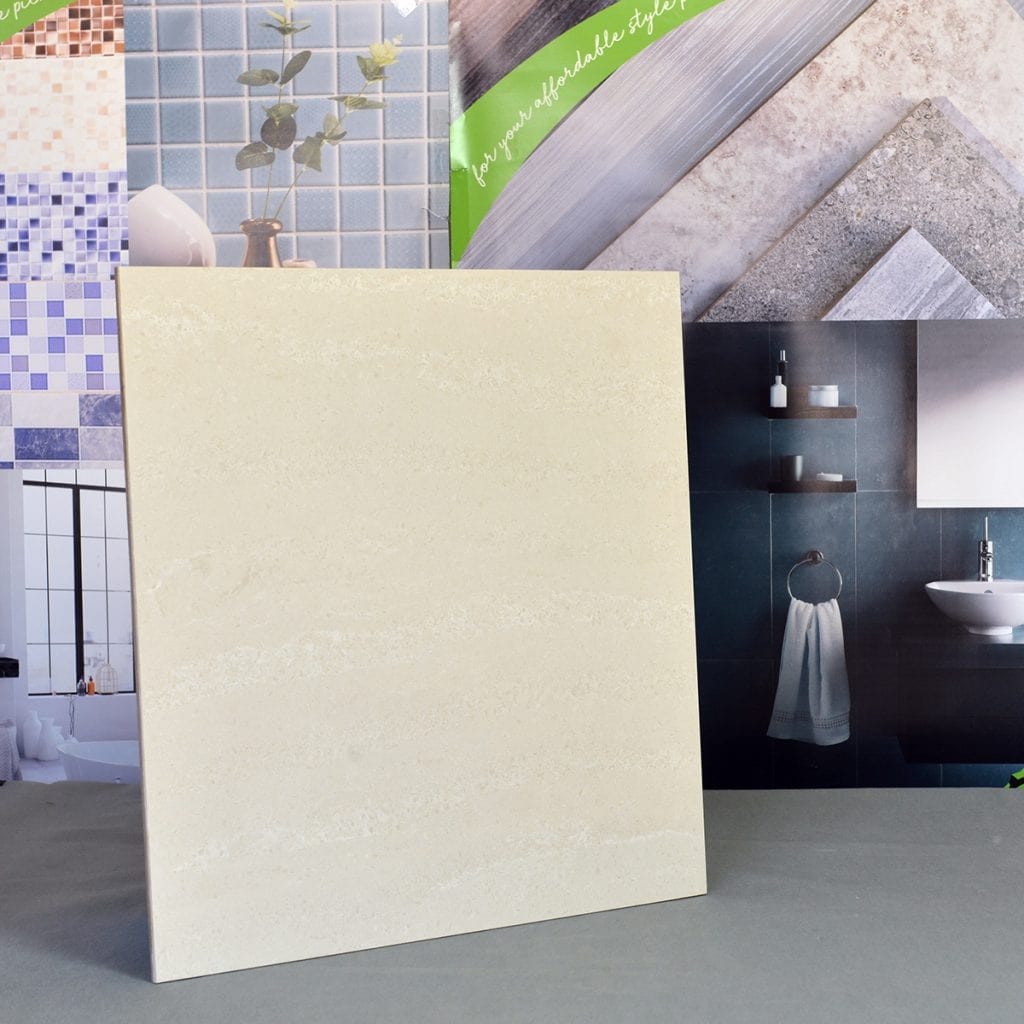
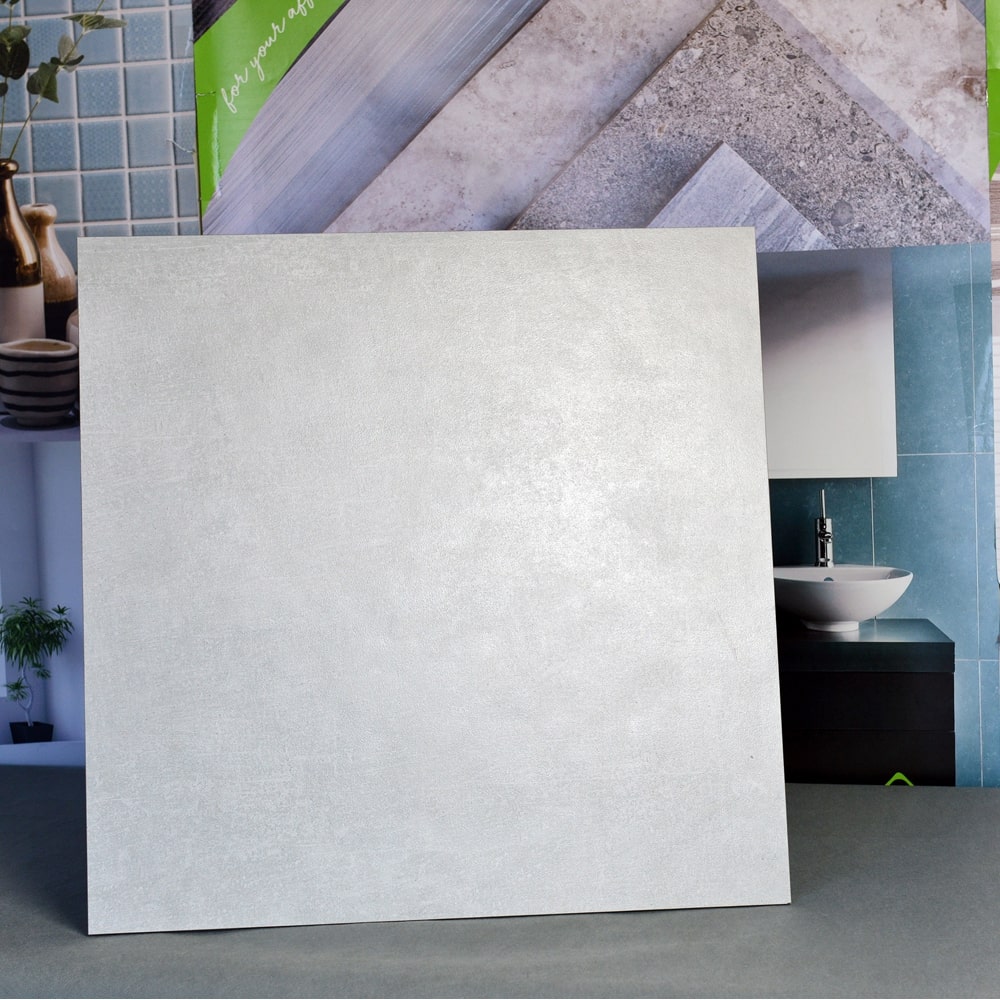
Rectified tiles are ground to a straight edge and a near-uniform size, resulting in narrow 2-3 mm grout joints and a clean, almost seamless look after the tiles have been fired. Unrectified tiles have softer, as-fired edges and are slightly more variable in size, so they require wider joints, are more forgiving of imperfect surfaces, and are suitable for rustic or traditional styles. Neither is better. It is determined by look, tile format and surface condition.
A rectified tile has been mechanically cut or ground on all four edges after it leaves the kiln. That extra step produces crisp, square edges and very consistent dimensions across a production batch.
Firing is the reason this process matters. Clay bodies shrink in the kiln, and no two tiles shrink by the same amount, so a nominal 600 x 600 mm tile can come out fractionally over or under that size. Rectifying trims every tile to a uniform measurement, which is why it's most common on porcelain and large formats such as 600 x 1200 mm.
If you're still deciding on the tile body itself, it helps to understand how porcelain compares with ceramic before narrowing down edge types.
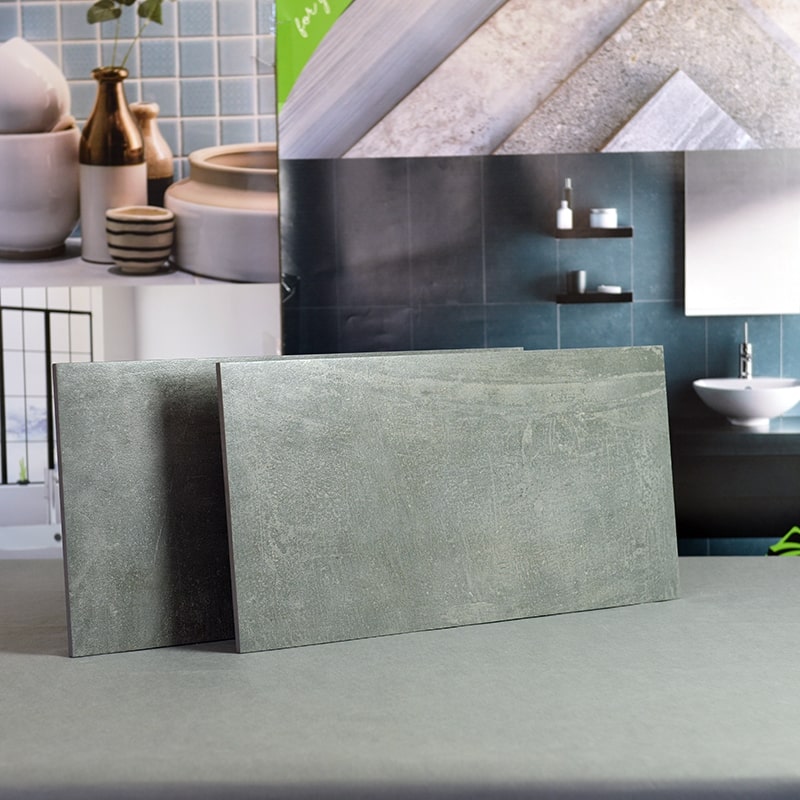
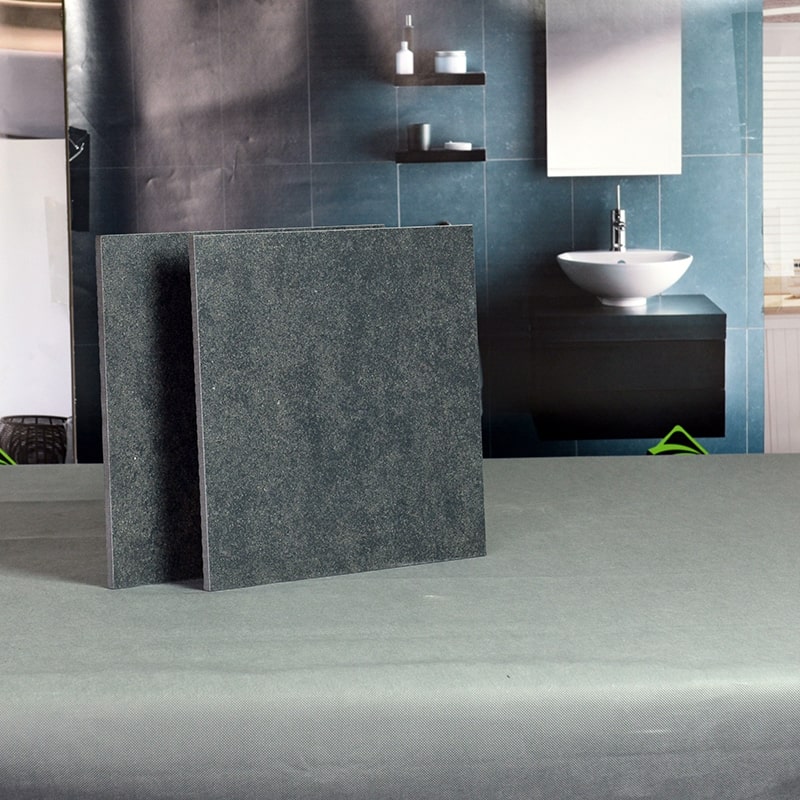
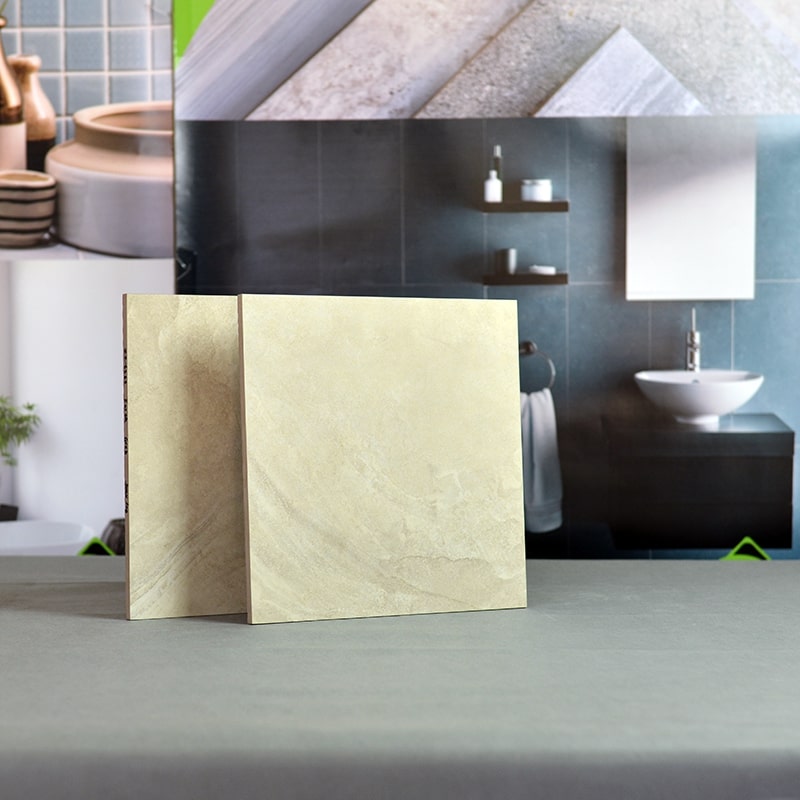
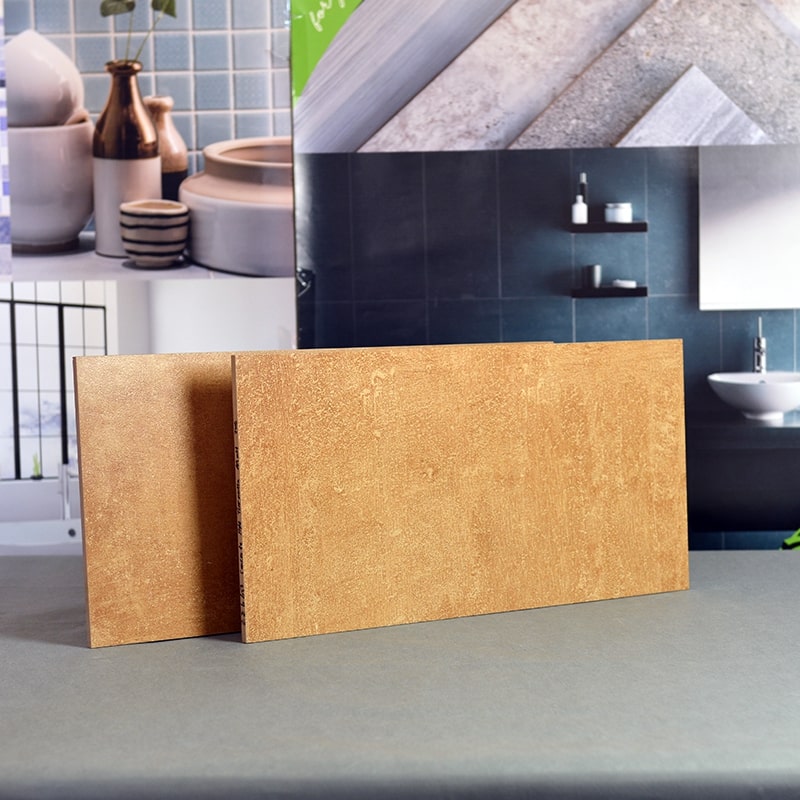
A non-rectified tile, sometimes called a pressed-edge or cushion-edge tile, is sold with the edges it had when it came out of the kiln. Those edges are usually slightly rounded or bevelled, and their sizes vary slightly from tile to tile.
That variation isn't a defect. Wider grout joints absorb small differences, and the softer edge imparts a more relaxed, handmade quality to the surface. Subway, terracotta-look and patterned tiles are often made this way because a machined edge would work against the character of the design.
The main difference is edge precision, and almost everything else flows from that.
| Feature | Rectified Tiles | Non-Rectified Tiles |
| Edge profile | Sharp, square and machine-ground | Slightly rounded or cushioned, as fired |
| Size consistency | Very consistent across a batch | Small variations between tiles |
| Typical grout joint | Around 2–3mm, subject to manufacturer advice | Usually 3mm or wider |
| Overall look | Clean, contemporary and near-seamless | Softer, traditional or rustic |
| Common formats | Large-format porcelain, such as 600 x 1200 mm | Smaller formats, subway, patterned and handmade-look tiles |
| Subfloor tolerance | Low, so flatness matters more | Higher, as wider joints hide minor variation |
| Edge durability | Sharp edges can chip if mishandled | Rounded edges are less prone to chipping |
| Price | Usually a little higher due to extra processing | Often slightly lower |
These are general patterns rather than fixed rules, so the manufacturer's specification for your exact tile should always guide joint width and installation.
Because grout lines are considered a grid before individual tiles are even noticed, they have a greater impact on the appearance than most people allow; joints should let the tile surface take centre stage. In contrast, wider joints make the grid more noticeable.
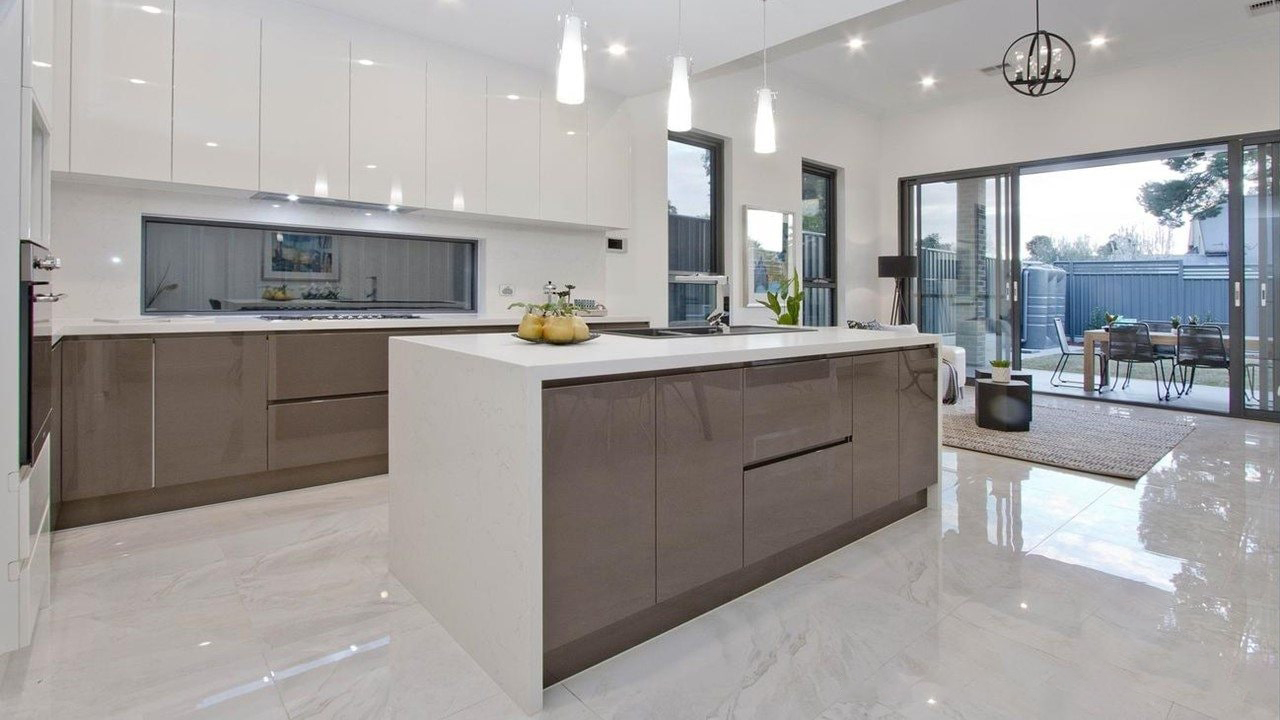
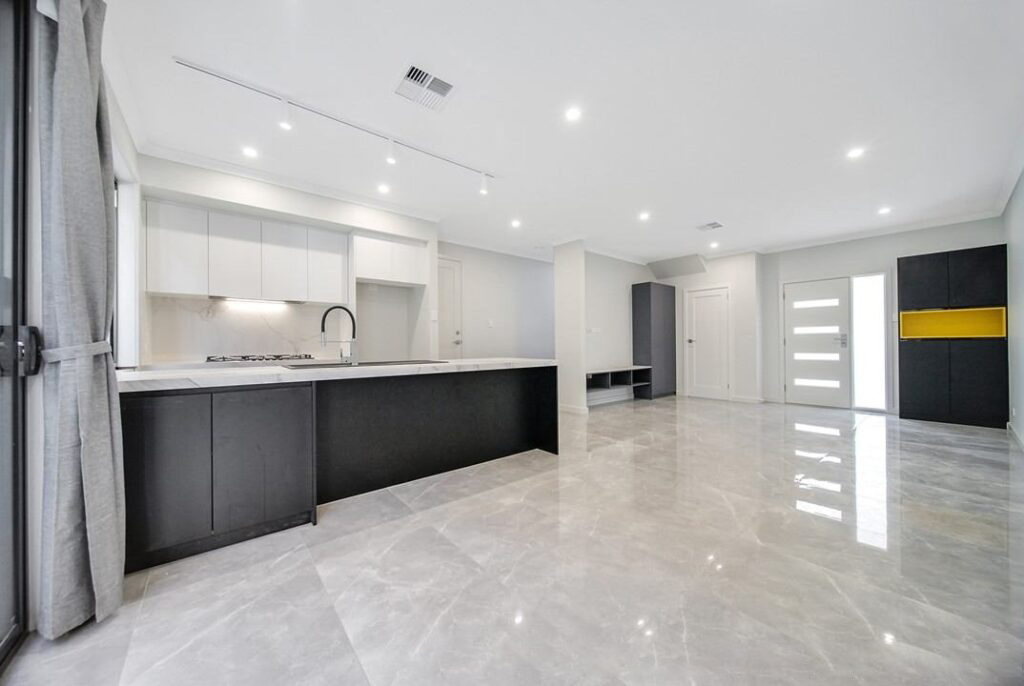
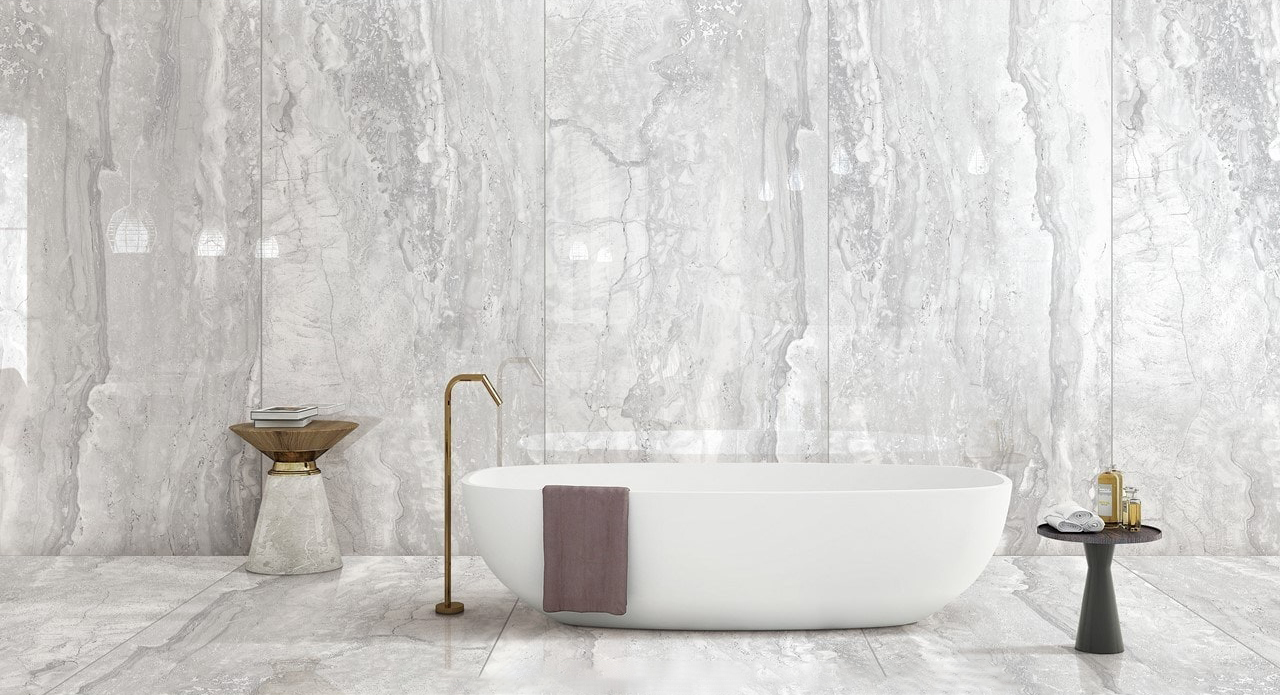
This is why rectified tiles are a common choice for marble-look and concrete-look floors in open-plan living areas. With slim joints and a grout colour close to the tile, a large floor can look like one continuous surface. It also feeds into the debate around whether bigger tile formats make a space feel larger, since fewer and finer lines reduce visual breaks.
When weighing up rectified vs non-rectified tiles for open-plan living, consider how the grout lines will frame the space.
One caution: a grout-free finish isn't achievable, even with rectified tiles. Tiles and buildings move with temperature and moisture, and grout plus movement joints give that movement somewhere to go, as recognised by Australian tiling practice under AS 3958.1.
Rectified tiles have tight joints and sharp edges, so there's nowhere for a height difference to hide, and a flatter surface is needed. If one tile is higher than its neighbour, the step, called 'lippage', catches the light and can be felt underfoot.
These are local conditions: Much of Adelaide is built on reactive clay soils that swell and shrink with seasonal moisture, and older villas and cottages often have slabs or timber subfloors that have moved over the years. What appears to be a level floor may have dips that only become obvious when large rectified vs non-rectified tiles are being laid across it.
Tile size adds another variable. Even rectified porcelain can have a slight bow along its length, which is why many manufacturers recommend limiting a brick-pattern offset to around one third of the tile length rather than the traditional half.
Rectified tiles generally suit contemporary spaces and large formats, while non-rectified tiles suit smaller formats, patterned designs and surfaces that aren't perfectly true. Many of the tiles Adelaide homeowners are choosing today, particularly large porcelain formats, are rectified, but deciding on rectified vs non-rectified tiles depends entirely on the room's conditions.
Wet areas deserve a separate note. Edge type doesn't determine safety underfoot; the slip rating does, so treat slip-resistant surfaces for wet areas as a distinct decision from the choice between rectified and non-rectified.
The principle is that rectified tiles are not more difficult to install but are far less forgiving of hurried preparation.
A wider joint can accommodate small variations in tile size and setting height; rectified tiles reveal these variations. More care is required in setting out, substrate preparation and adhesive coverage, and large porcelain formats generally require two-person handling and back-buttering.
That's why the tile's size and edge should factor into the decision between DIY and hiring a professional tiler. A small splashback in non-rectified subway tiles is a reasonable weekend job, but a large living area in 1200 mm rectified porcelain is a different proposition.
Understanding the nuances of rectified vs non-rectified tiles ensures you budget correctly for the preparation work required before your tiler starts.
Most problems come from choosing on appearance alone, without considering the surface, grout or batch.
Fewer grout lines with rectified tiles. But no grout lines. Ask to see a sample board with your chosen grout colour and joint width before you decide.
Even with the sizes corrected, there may be slight variations from one production run to the next. Buy a sufficient quantity of one batch and spares for future maintenance. Verify the codes on each box before beginning installation.
Narrow grout lines have less surface to stain but still require routine cleaning and, depending on the grout used, periodic sealing. A little bit of forethought about long-term grout care can make a new floor with clean lines last for years.
It is contingent upon the look you want, the tile format, and the surface underneath. Rectified tiles are precise and allow for fine grout lines in contemporary settings, while non-rectified tiles are warmer, more characterful and a touch more forgiving.
Before deciding, check the substrate, confirm the joint width with your tiler and compare samples side by side in natural light. Laying a few tiles on the floor with spacers in place will tell you more than any specification sheet.
If you're weighing up options for an upcoming project, a conversation with an experienced tile consultant can help you think through formats, edges and installation requirements for your particular space.
That means that the tile edges were ground or cut after firing to create straight, square edges and consistent sizing. This allows for thinner grout joints in the tiling.
Rectified tiles are commonly laid with joints of around 2–3 mm, but the correct width depends on the tile size and the manufacturer's specification. Your tiler should also plan for movement joints.
They're usually a little pricier because of the extra manufacturing step. Installation can also take longer because preparation and levelling require more care.
Yes, if they are in different areas or if there is a transition, such as a rectified floor and a non-rectified feature wall. They often make the field look uneven with their varying edges and sizes when mixed.
They can be, provided the tile has an appropriate slip rating, and the installation allows for drainage falls and movement. Outdoor areas exposed to Adelaide's summer heat need careful movement joint planning.
Chips are more likely to occur on sharp edges when handled or cut, or on exposed corners. Using the appropriate trims and installing them correctly can help reduce the risk.
Ultimately, the choice between rectified and non-rectified tiles involves balancing your aesthetic vision with the practical realities of your space. While rectified tiles deliver a crisp, contemporary, and seamless look through precise sizing and narrow grout lines, they demand rigorous subfloor preparation and expert installation to prevent visible lippage. On the other hand, non-rectified tiles offer a more relaxed, traditional, or handcrafted charm, along with greater forgiveness for uneven surfaces or older subfloors.
Ultimately, understanding the trade-offs between rectified and non-rectified tiles helps you avoid installation issues later on.
By carefully assessing your substrate conditions, room style, and long-term maintenance expectations—rather than focusing on appearance alone—you can select a tile type that looks stunning and performs reliably for years to come.