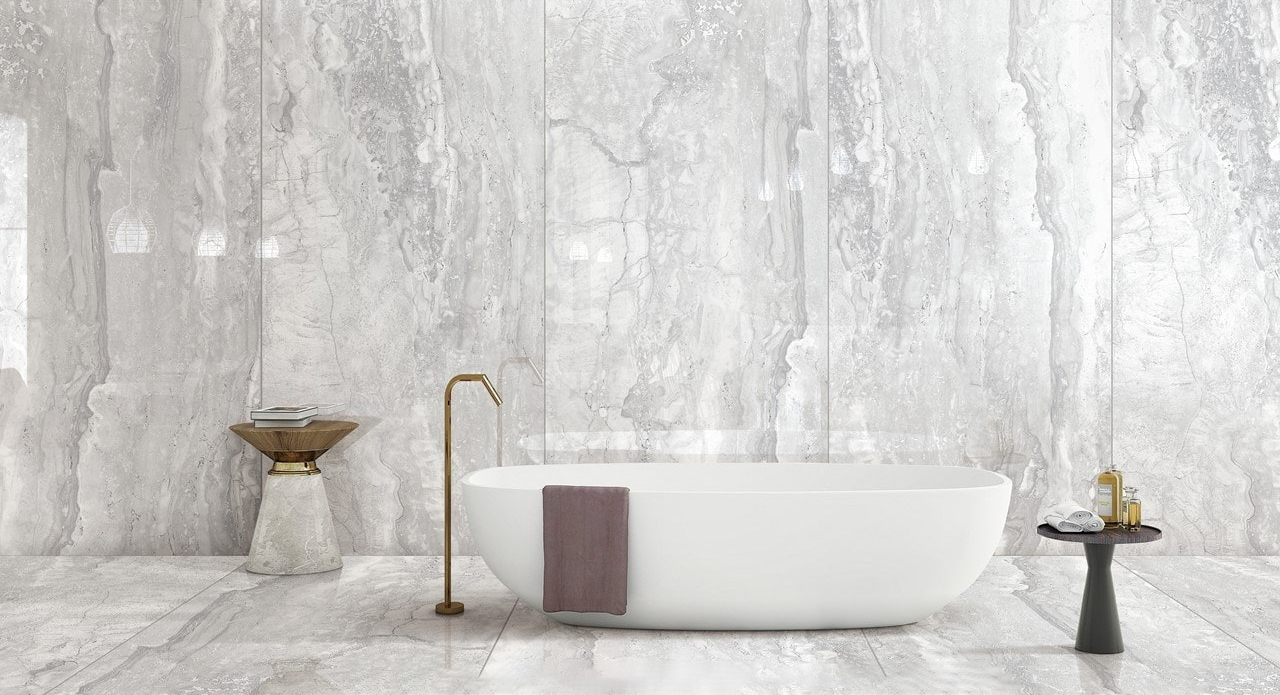
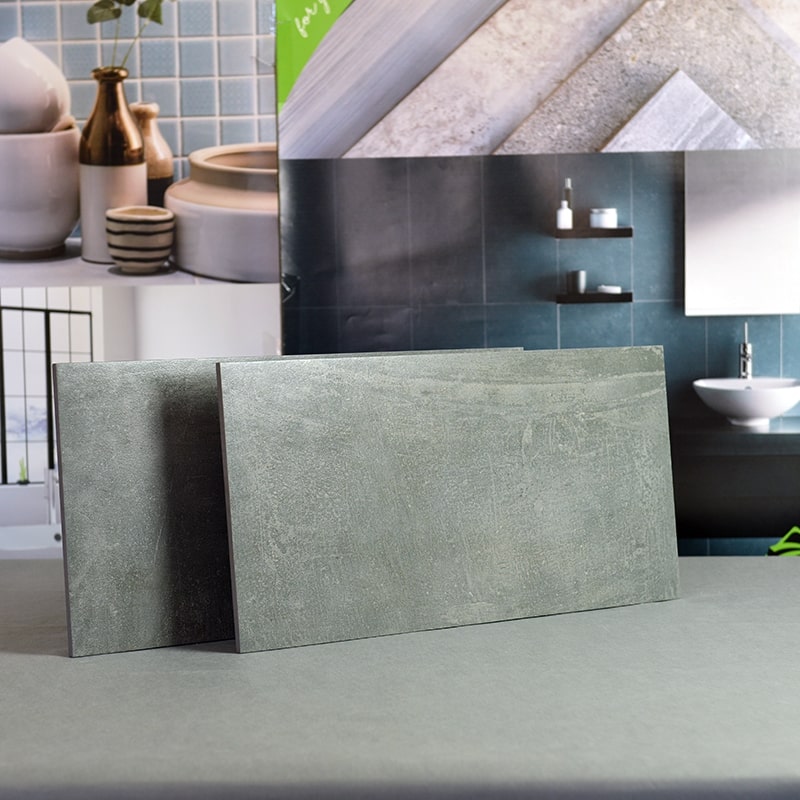
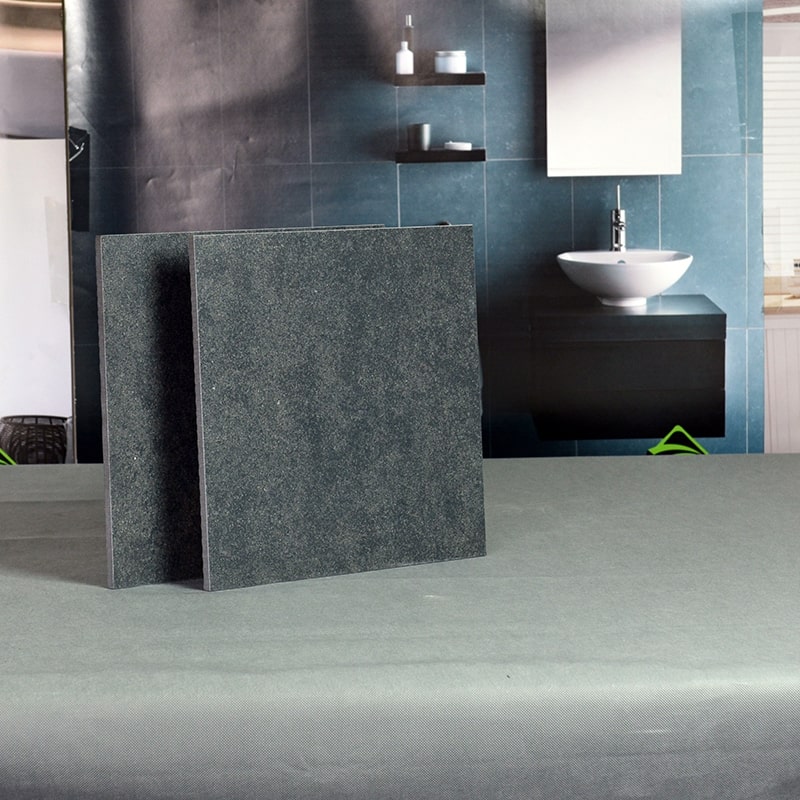
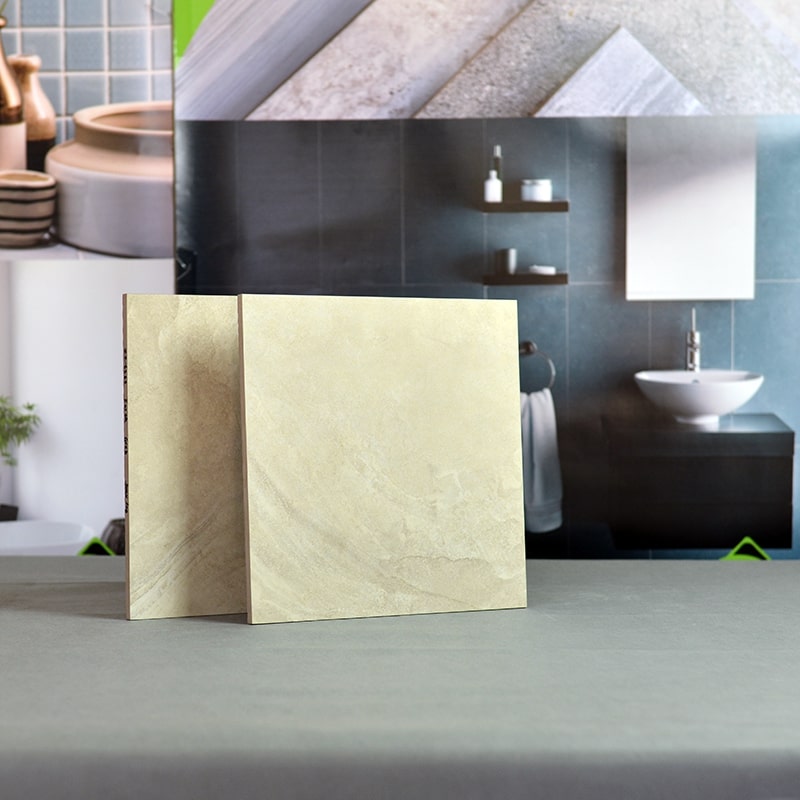
If you live in Adelaide, you probably already know tiles are everywhere. I mean, kitchens, bathrooms, and even alfresco zones pretending they’re low-maintenance.
But the fact that some tiled in Adelaide spaces age quietly well and others start annoying you within eighteen months is a bit baffling, to say the least.
That difference is usually in the mechanics. And Adelaide is unforgiving when those mechanics are wrong.
They don't fail at random, you see. Local soil movement, salt air from the coast, dry summers, and abrupt cold snaps. These factors put tiles under stress in ways that showroom lighting never does.
Hairline grout fatigue and slab micro-movement are not visible in showrooms. Even porcelain that "meets spec" wasn't made to withstand the extreme heat and moisture in South Australia.
So, you need tiles that behave. And that’s the gap between imported ranges made for uniform climates and collections chosen with Adelaide’s conditions in mind.
Two tiles look identical. Like the same size. Same finish. Even in the same price bracket.
But one will outlast the house next door.
Why?
Because of body density.
High-density porcelain resists thermal expansion stress better, and that matters here, especially on large-format floors where movement has nowhere to hide.
This is why some tiles sound hollow after a few seasons, and others stay put.
Would you believe that in Adelaide, grout does more work than the tile itself?
Dry air here pulls moisture out faster, and seasonal shifts widen joints. So, while cheap grout shrinks, quality grout flexes, without cracking or discolouring.
That ‘flex’ is what keeps tiles from transmitting stress sideways.
If you treat grout as an afterthought, then your entire installation pays for it later. Usually quietly. Then suddenly.
You’ve probably seen the slip ratings. R10. R11. Technical, and they seem reassuring.
But what you don’t know is how surface texture changes once Adelaide dust, sunscreen residue, or coastal salt film builds up. Some finishes test well, clean… and become unpredictable once lived on.
Your Adelaide home tile collections need a consistent grip after use, not just on day one. That comes down to surface engineering, not marketing labels.
Tiles that work here have got some traits you won’t see highlighted online:
And that’s functional restraint. Like, it’s why locally curated tile ranges usually outperform trend-chasing imports over time.
Longevity in this industry isn’t range size alone.
Suppliers who’ve worked with Adelaide homes for years start noticing which products come back for repeat projects… and which disappear from recommendations. They learn what installers complain about. What homeowners regret. What holds up under local conditions?
Look, that kind of knowledge doesn’t live in catalogues.
If you want tiles that age well here, ask:
These answers will definitely separate decorative decisions from durable ones.
You’ll agree that tile suppliers who’ve been operating locally for years don’t oversell. In fact, they don’t need to.
Because they’ve already seen what fails. What survives. And what looks great initially and becomes maintenance noise later.
That experience usually shows up in the questions they ask you, and the ones they don’t bother with.
Tiles shape how a space functions, not just how it looks.
And here in Adelaide, that function depends on climate awareness, material science, and decisions that stay invisible when done correctly.
When tiles are chosen with that in mind, the space WORKS.
And honestly… that’s the upgrade most people are actually after.