Moroccan tiles have become one of the most requested looks at our Cavan showroom, and it is easy to see why. The intricate geometry and rich colour palettes of Moroccan tiles Adelaide homeowners choose bring genuine character to a space, but a pattern this bold can just as easily overwhelm a room when used without a plan.
Adelaide renovators often spot striking splashbacks online and want to recreate the look without creating a busy or cluttered feel.
The Moroccan tiles that work best in Adelaide homes tend to follow a few consistent principles around placement, proportion, and colour. This guide walks through where patterns work best, how much is enough, and the mistakes to avoid before you commit.
Moroccan tiles are best used as a feature, rather than covering every surface, in the homes of Adelaide. Consider using them in an entryway, kitchen splashback, or bathroom floor. Pair the pattern with simple cabinetry, plain walls, and a single accent colour. This keeps the room feeling balanced and uncluttered. A smaller or more visually complex pattern should normally have a smaller footprint.
Moroccan tiles are defined by repeating geometric motifs, usually drawn from traditional zellige and encaustic cement tile designs, reproduced today in durable porcelain. Porcelain offers practical durability for Australian homes. Traditional hand-cut zellige and cement tiles are porous and harder to maintain in wet areas. The pattern itself carries the visual weight of a room, which is why it needs to be placed with intention rather than spread across every surface.
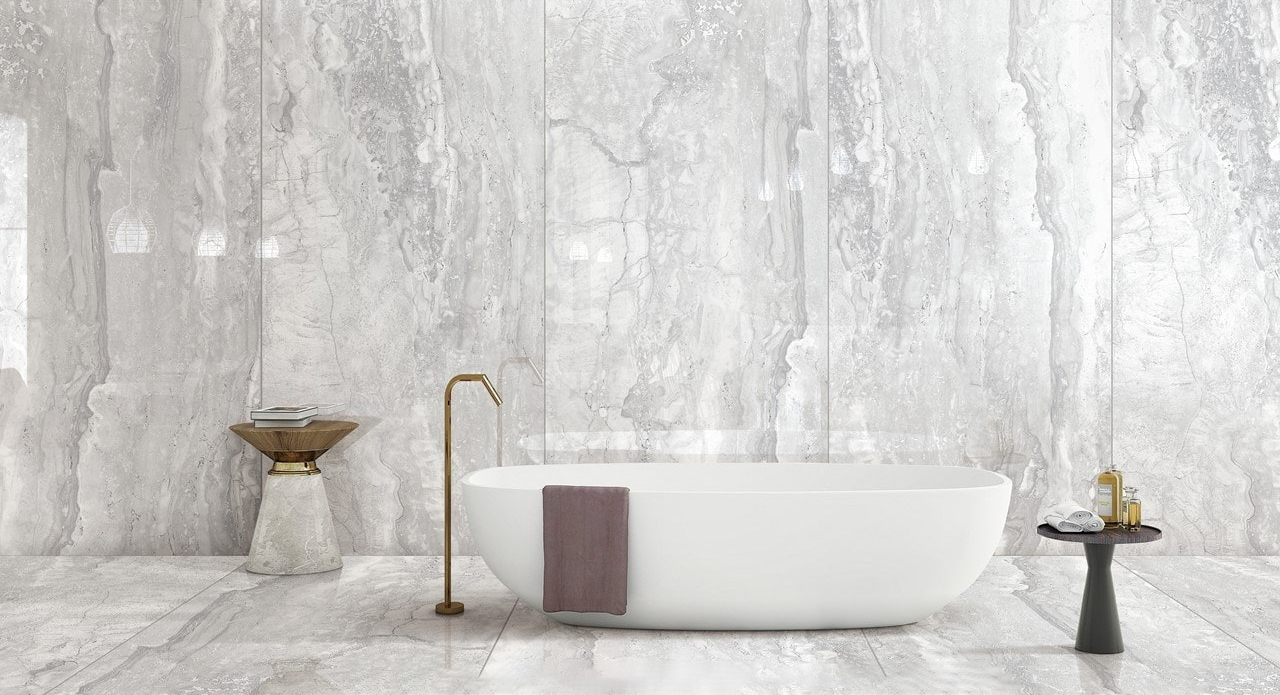
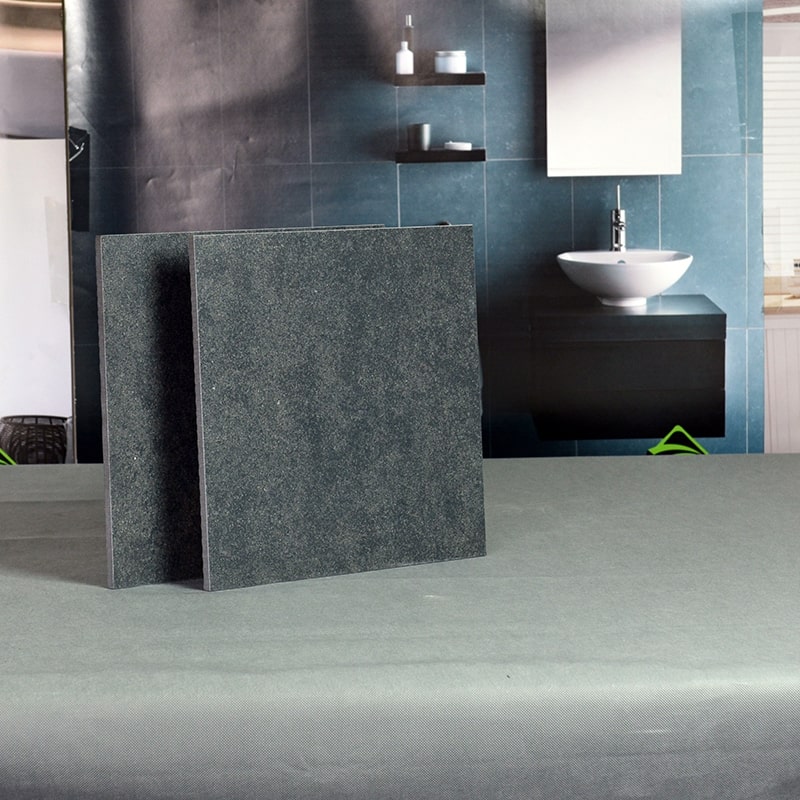
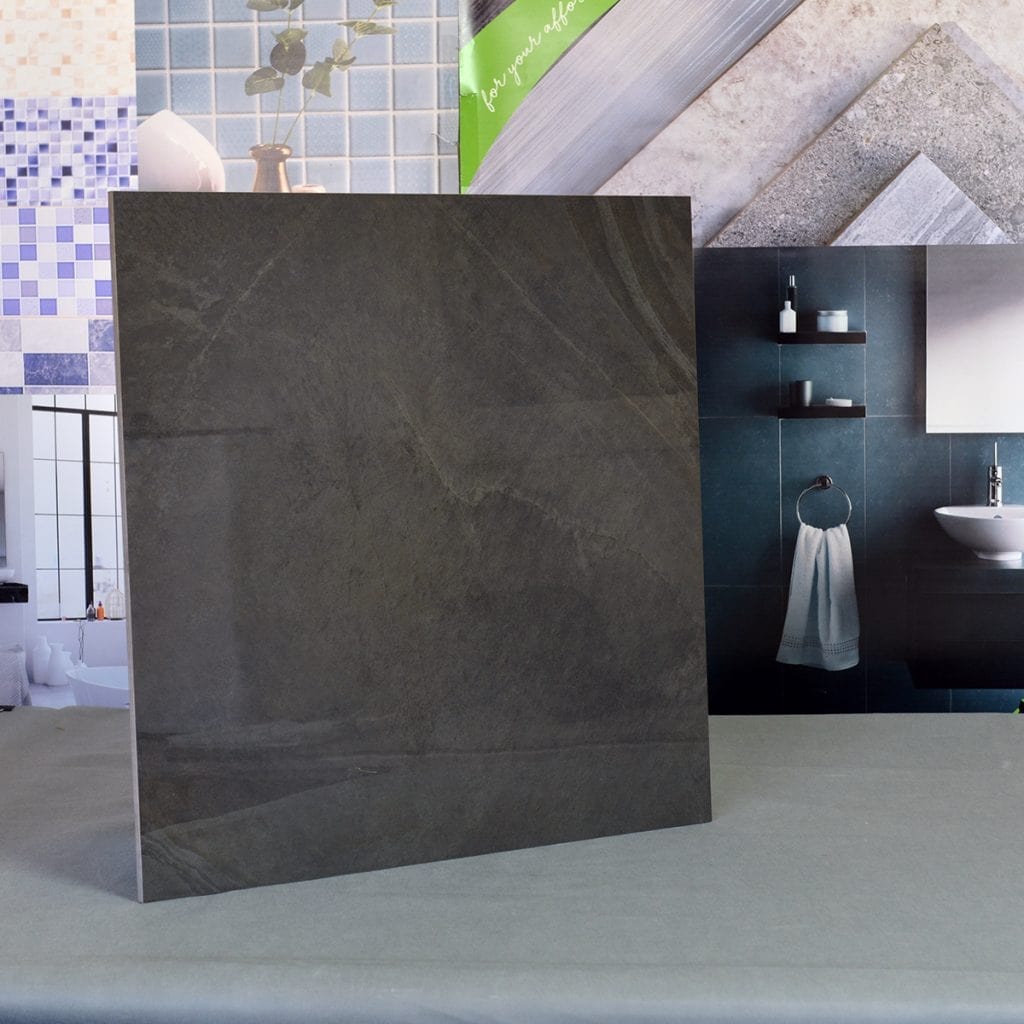
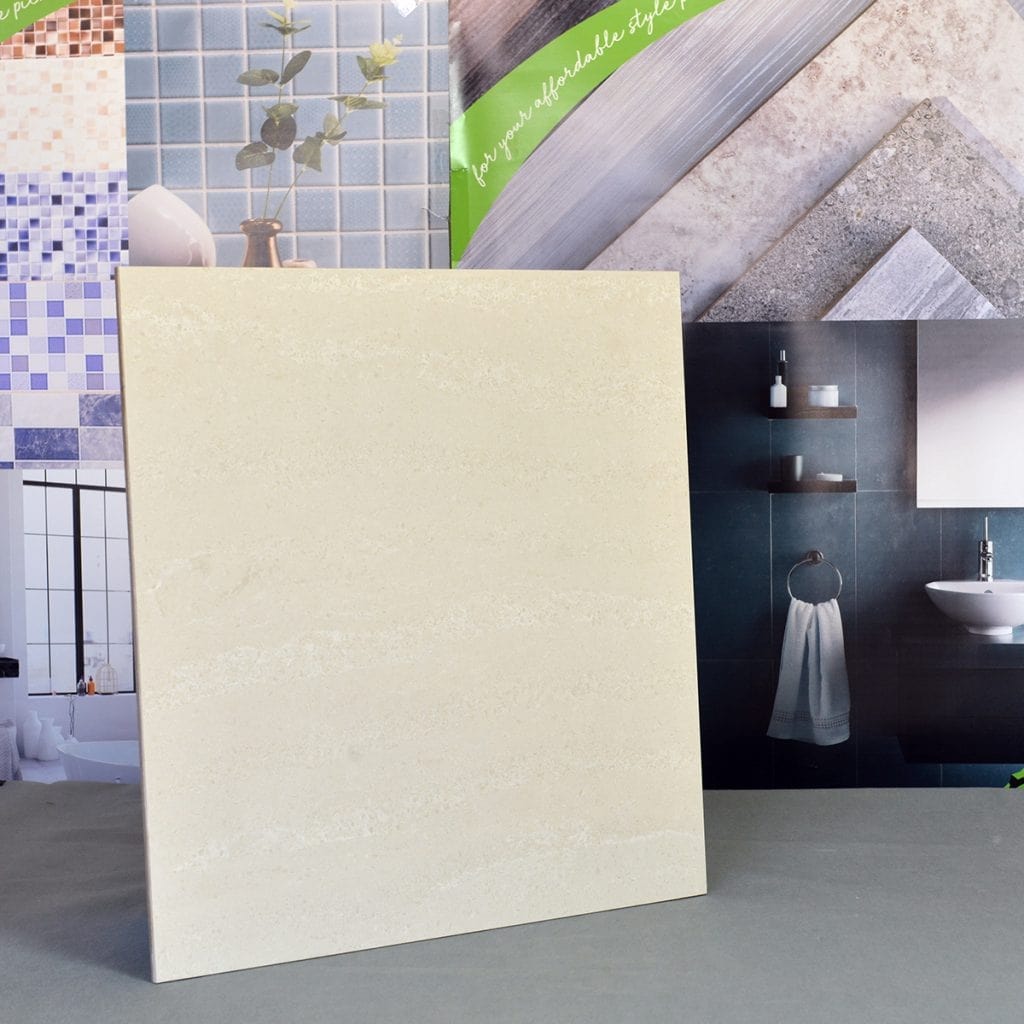
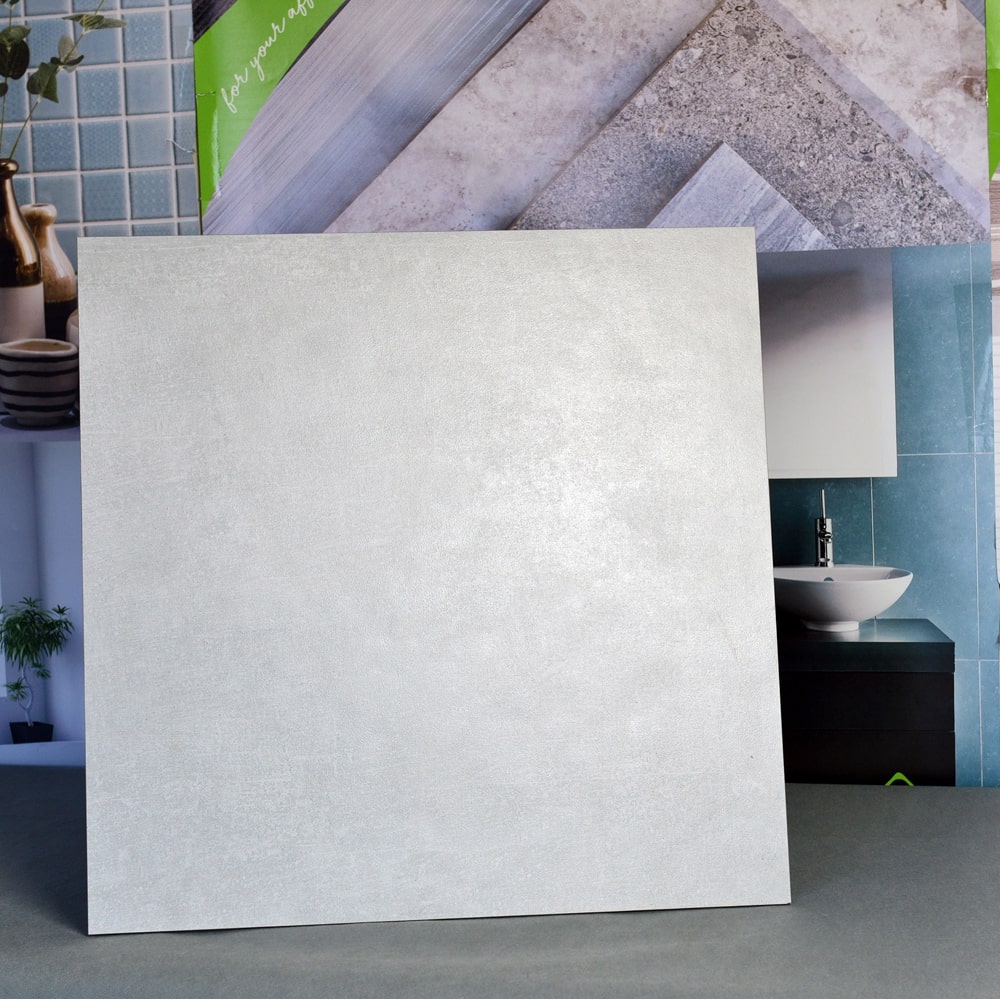
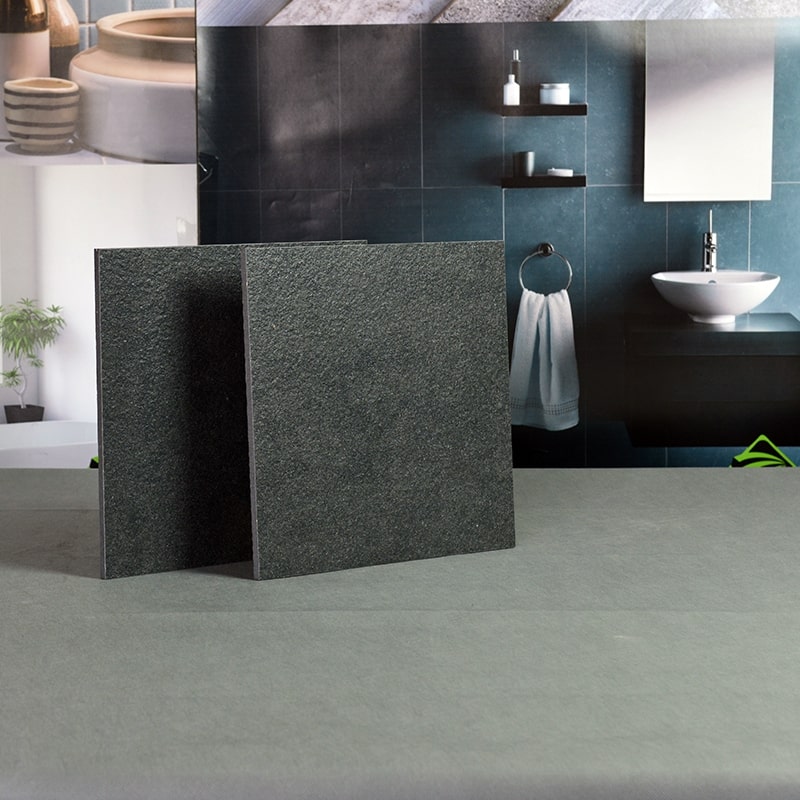
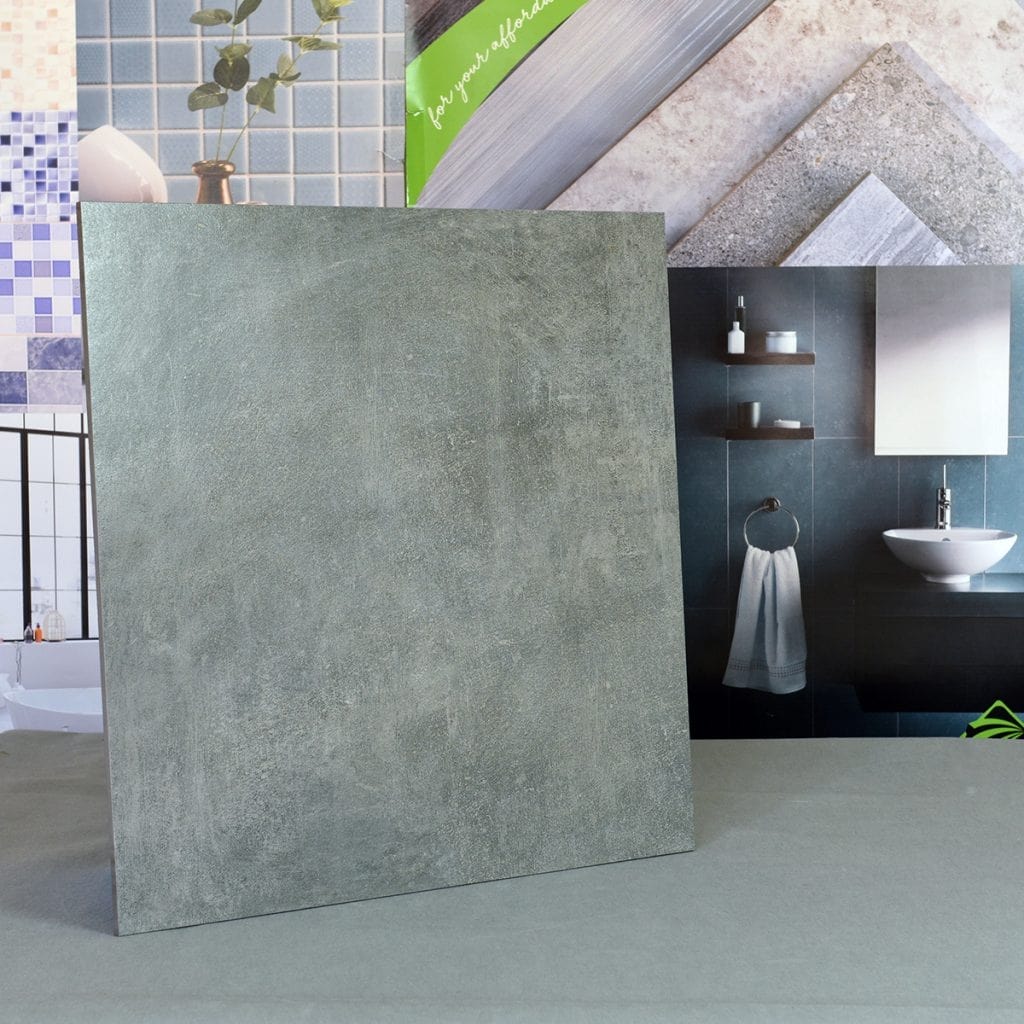
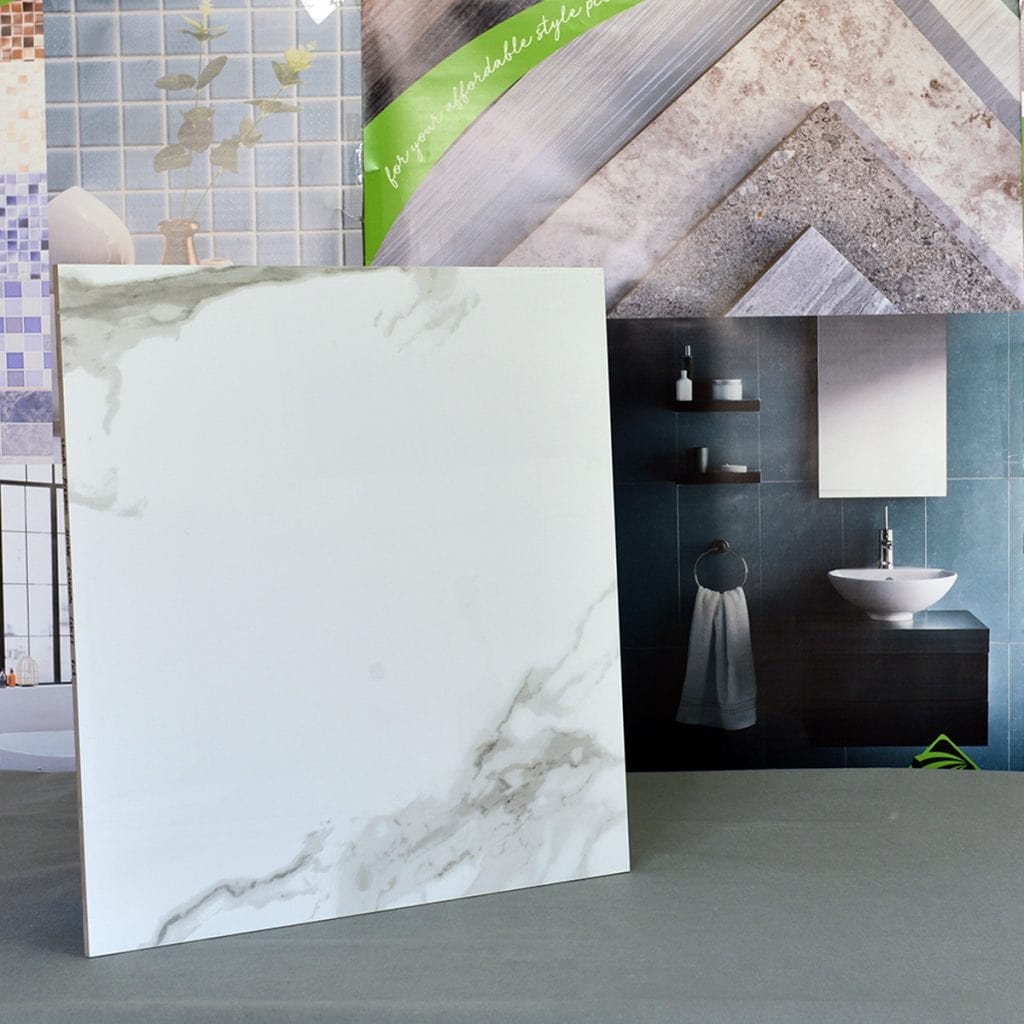
In our showroom, the most popular Moroccan-inspired ranges are tonal rather than high-contrast, such as soft grey and off-white geometric series alongside marble-look options that soften the pattern further. Homeowners who want a bolder statement usually gravitate toward charcoal or deep-toned designs, but these work best in smaller doses. Browse our full range of Moroccan-look tiles to compare options. This helps you see how pattern scale changes from a single sample to a full wall.
Moroccan patterns are most commonly used in bathrooms, especially on floors or as shower niche features. Pairing plain wall tiles with a patterned floor creates a clear focal point. This prevents conflicting patterns from competing for attention. This approach suits small bathrooms and ensuites across Adelaide. Tiling every surface in pattern often makes a tight room feel smaller rather than open. If you are planning a renovation, our bathroom tile collection is a practical starting point for seeing which plain tiles pair well with a patterned floor.
Homeowners almost always use Moroccan patterns as kitchen splashbacks rather than floor or benchtop surfaces. The pattern is at eye level, so it reads as a design feature, and the more frequently used surfaces are easier to keep clean. Patterned splashbacks look great alongside painted or timber-look cabinetry. Keeping surrounding surfaces calm balances the overall look. If you're a homeowner looking to choose a splashback, please feel free to browse our kitchen tile range and the Moroccan collection to compare scale and colour side by side.
An entryway is a low-risk place to introduce pattern, since it is a smaller, enclosed space that guests see for a moment rather than live in for hours. A patterned floor in an entry or hallway can set the tone for a home without needing to be repeated anywhere else. This is often where we recommend first-time pattern buyers start, since it lets them live with the look before committing to a larger area such as a bathroom floor.
There is no single rule that suits every home, but a few principles hold up consistently across the projects we see. Focus pattern on a single, clearly defined surface like a floor or splashback. Avoid covering multiple surfaces in the same room. The more intricate or high-contrast the design, the smaller that surface should be. Covering a small bathroom floor-to-ceiling in geometric pattern is a common mistake. Many renovators regret this choice and simplify the space later.
What you need to know is the eighty-twenty principle: about eighty per cent of a room in plain, neutral tiles and finishes, with the remaining twenty per cent carrying the pattern. Such a design leads the eye to seek a feature rather than a place to rest. It also makes updating the room easier later on – if tastes change down the track, only one surface needs to change.
| Feature | Moroccan Pattern Tiles | Plain or Neutral Tiles |
| Best used as | A feature floor, splashback or niche | The main surfaces in a room |
| Visual effect | Strong focal point, adds character | Calm backdrop, recedes visually |
| Ideal room size | Smaller spaces or defined zones | Any size, including open-plan areas |
| Maintenance | Similar to any porcelain tile once sealed correctly | Generally the easiest to keep looking uniform |
| Resale flexibility | Best kept to one surface for easier updates later | Suits most buyers' tastes long-term |
The colour of the surrounding fixtures is as important as the tile. Pick one dominant colour from the pattern, such as charcoal in a grey-and-white design. Repeat this accent in your tapware or paint to tie the room together.
Keeping the remaining surfaces in the same tonal family, rather than introducing a second competing colour, helps a patterned room feel less chaotic. Many Adelaide homeowners choose a plain tile in a complementary tone for the remaining floor or wall space, giving the pattern room to stand out.
If you are unsure how a pattern will sit against your existing cabinetry or benchtop, it is worth viewing large-format samples rather than small swatches, since pattern tiles can look quite different at scale. Photos of real homes are also useful for this purpose, and browsing real Adelaide projects in our tile gallery can help you judge how a pattern reads across a full room rather than a single tile.
The most frequent mistake is using a bold pattern on multiple surfaces in the same room, leaving no plain space for the eye to rest. A close second is choosing a pattern based on a photo alone, without checking how the colours look under the room's actual lighting, since Adelaide's natural light can noticeably shift a tile's tone between north- and south-facing rooms.
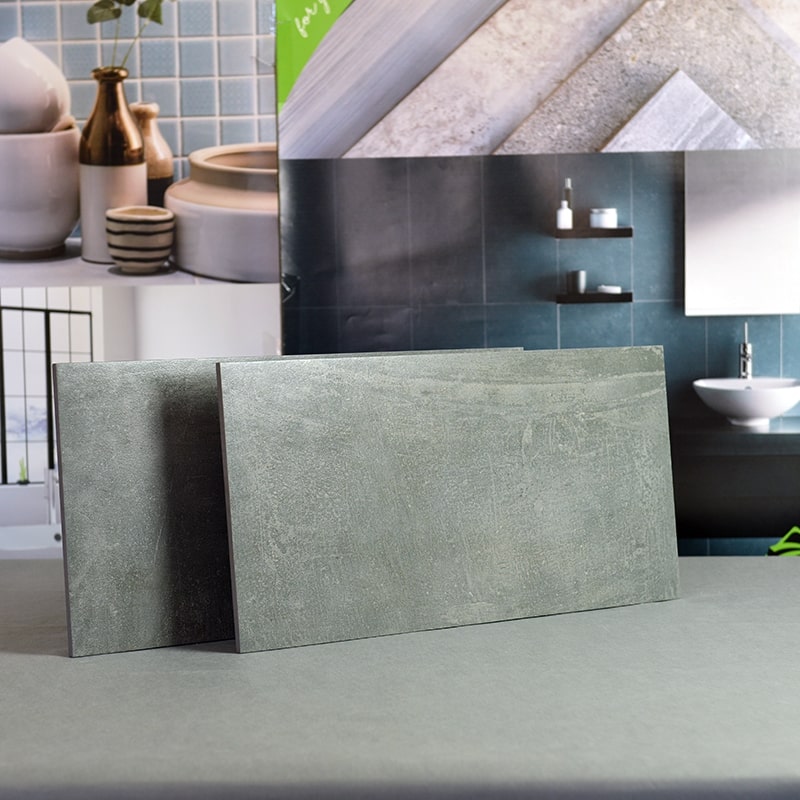
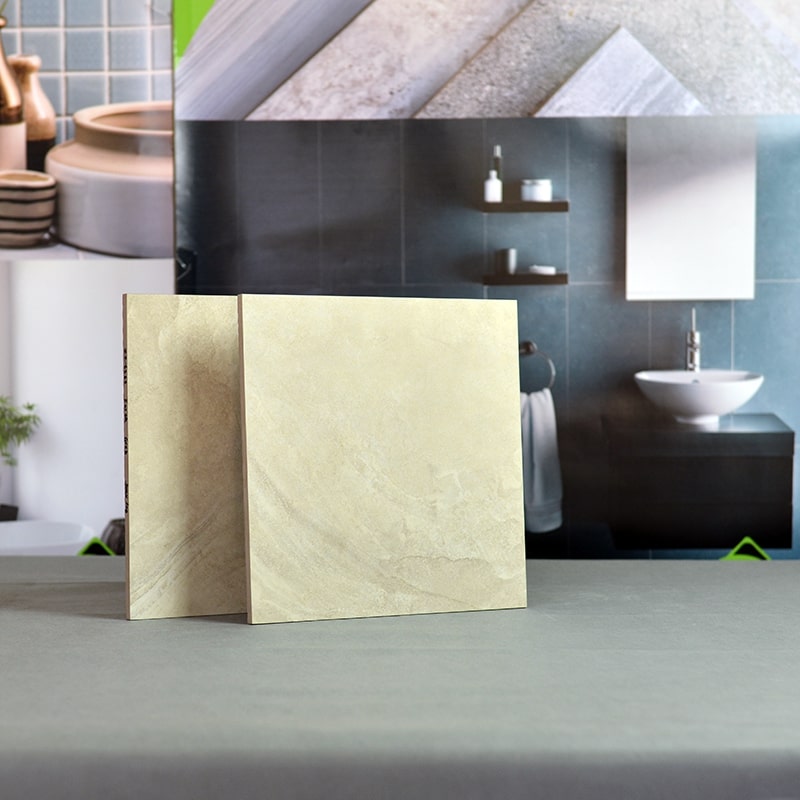
Always inspect a large sample board before ordering. Repeating a pattern across a full surface looks quite different from a single standalone tile.
It is also worth remembering that pattern is not the only way to add character to a room. Browsing our plain floor tile range shows how an interesting shape, finish or laying pattern can achieve a similar effect with fewer long-term maintenance considerations, which suits homeowners who want texture without a strong pattern.
Are Moroccan tiles hard to maintain?
Not when they are porcelain, which is how most Moroccan-look tiles are made today. Porcelain is dense and non-porous, so it cleans the same way as other porcelain floor or wall tile, provided the grout is properly sealed during installation.
Can Moroccan tiles be used outdoors in Adelaide?
Yes, provided the specific tile is rated for external use and has an appropriate slip rating. Not every Moroccan-look range is suitable for outdoor use, so it is worth confirming the technical specifications for that particular design before ordering.
Should Moroccan pattern tiles go on the floor or the wall?
Either can work, and the right choice depends on the room. Floors suit bathrooms and entryways, while walls suit kitchen splashbacks and shower niches—keeping the pattern at eye level keeps busy work surfaces easy to clean.
How do I stop a small bathroom from feeling too busy with pattern tiles?
Limit the pattern to one surface, usually the floor, and keep the walls in a plain, light tile. This gives the room a single focal point instead of competing patterns in a confined space.
Do Moroccan tiles suit both modern and traditional Adelaide homes?
In general, yes. Higher-contrast or richly coloured patterns often work better in traditional or character homes, while tonal, softer-coloured designs are more appropriate for modern interiors.
What size Moroccan pattern tile is best for a small room?
Smaller-format tiles—typically around 300 mm—tend to work better in small spaces than large-format patterned tiles because they allow the pattern to repeat more naturally at a smaller scale in a confined area.
Using Moroccan tiles as a feature rather than across every surface truly elevates a space. A single, well-defined surface for the pattern, a serene colour scheme for everything else, and examining a sizeable sample under your room's natural light before ordering will help you achieve the ideal balance.
If you are still weighing up where a pattern might work in your home, it is worth learning more about the story behind our factory-direct showroom, where more than one hundred pattern and plain ranges are on display side by side for exactly this kind of comparison. Taking the time to plan the balance now is what makes a patterned tile feel considered for years, rather than needing to be redone in a few seasons.