Tiles have a funny way of showing you who’s boss. Get them right, and your space holds up to wear, weather, and weird design trends without batting an eye. Get them wrong, and you’ll be staring at uneven grout lines and hairline cracks long enough to question your life choices.
If you live in Adelaide, the rules shift slightly. Between heatwaves, red clay soils, and the character charm of homes that don’t know what a straight wall looks like, your tiling decisions need more than a Pinterest board and a half-hearted Bunnings browse. You need to know what lasts, what works, and what quietly saves you from having to fix things twice.
This isn’t just about picking something that “looks good.” It’s about choosing tiles that behave—ones that handle our climate, our quirky homes, and the demands of real living without throwing a tantrum. From selecting finishes that won’t become indoor slip’n’slides to avoiding grout choices that age like milk, you’ll get more than the usual surface-level tips here.
Choosing tiles isn’t about keeping up with current styles. It’s about knowing what you’ll still like—and what will still work—five, ten, or fifteen years from now. Tiles in Adelaide need to withstand sudden heat, temperature drops, seasonal shifts, and foundation movement, especially in clay-heavy suburbs. Floorboards flex. Tiles don’t. That’s where smart choices make all the difference.
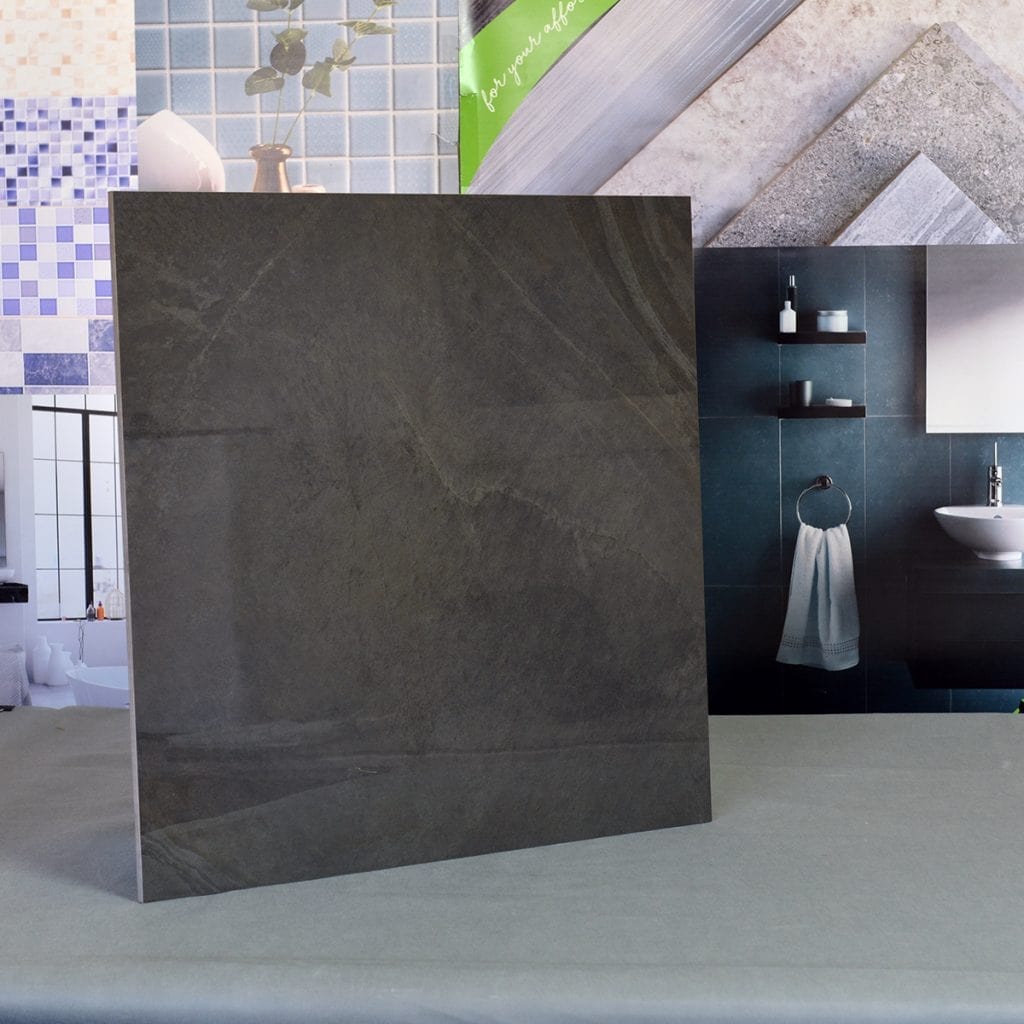
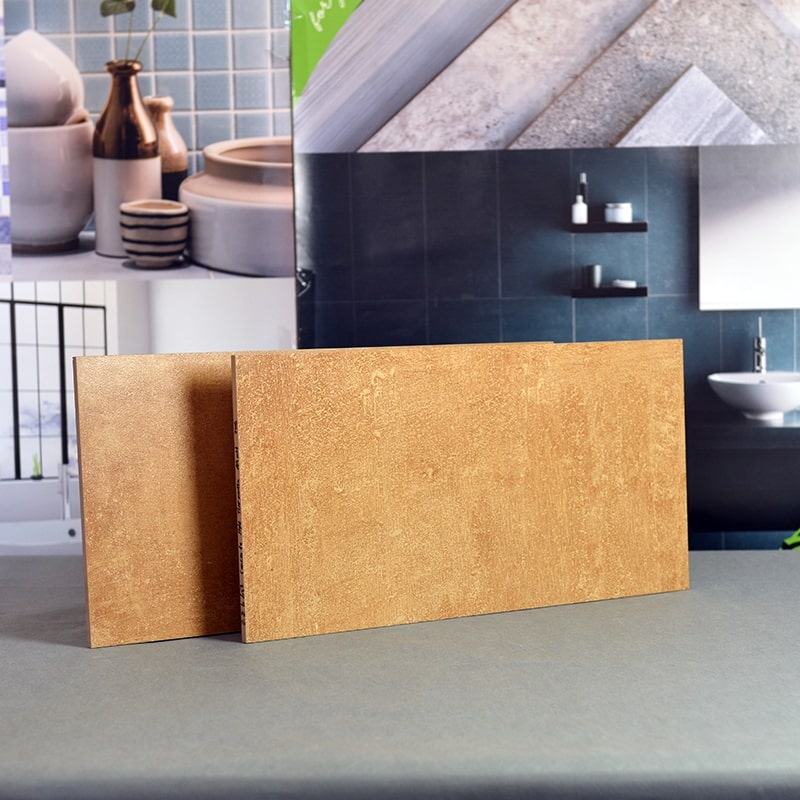
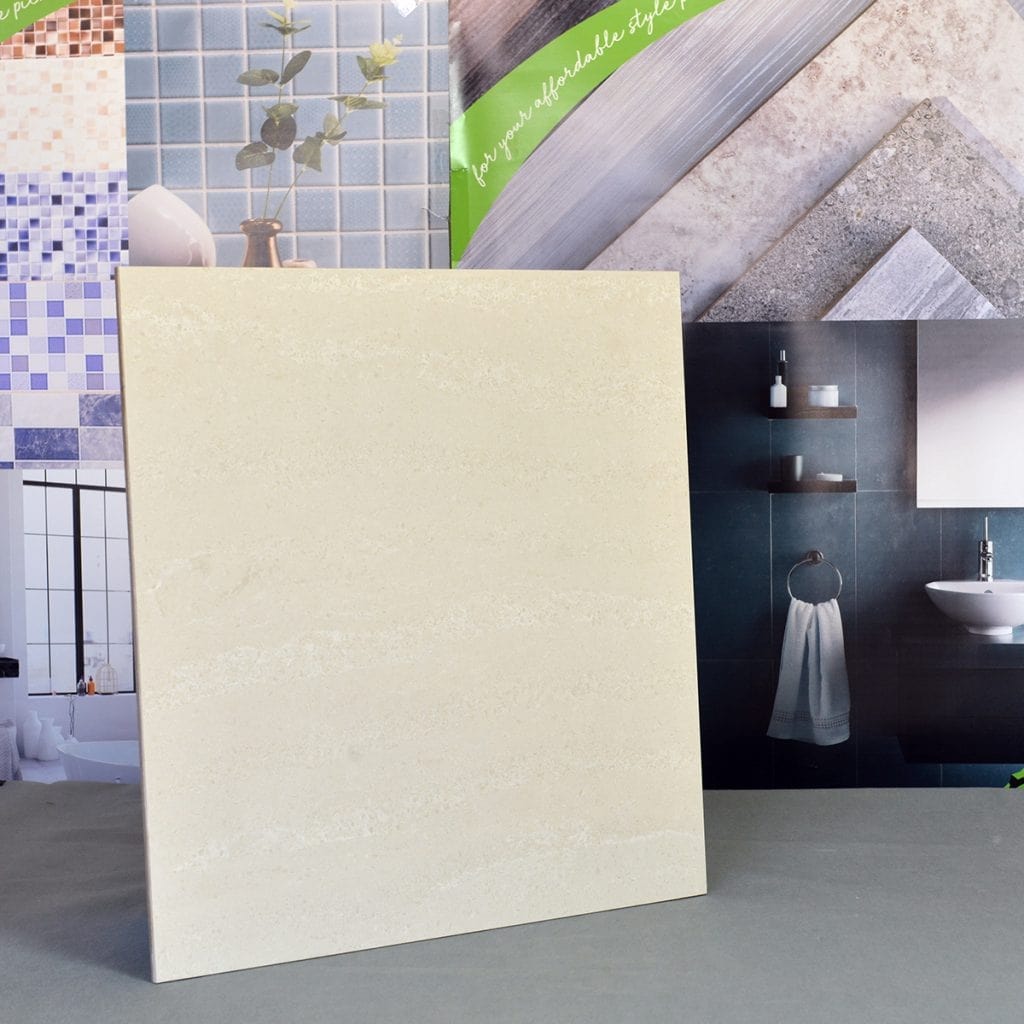
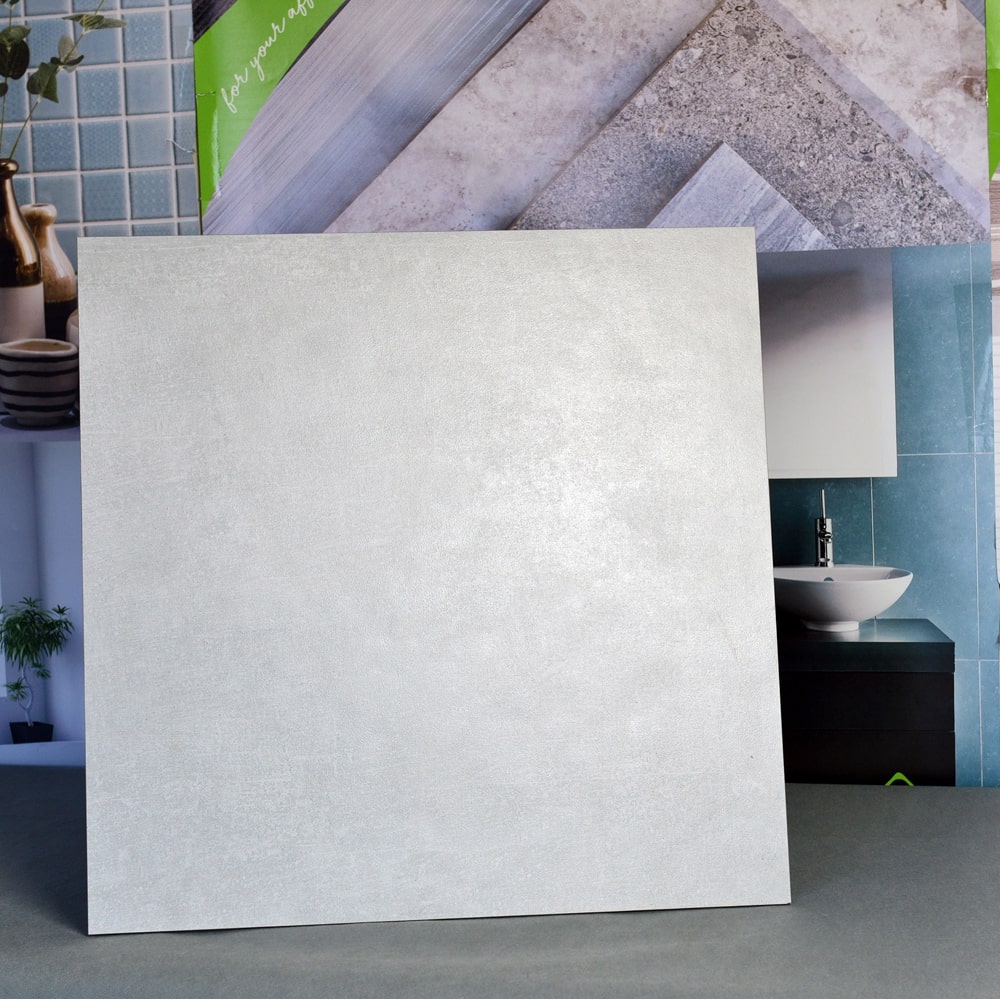
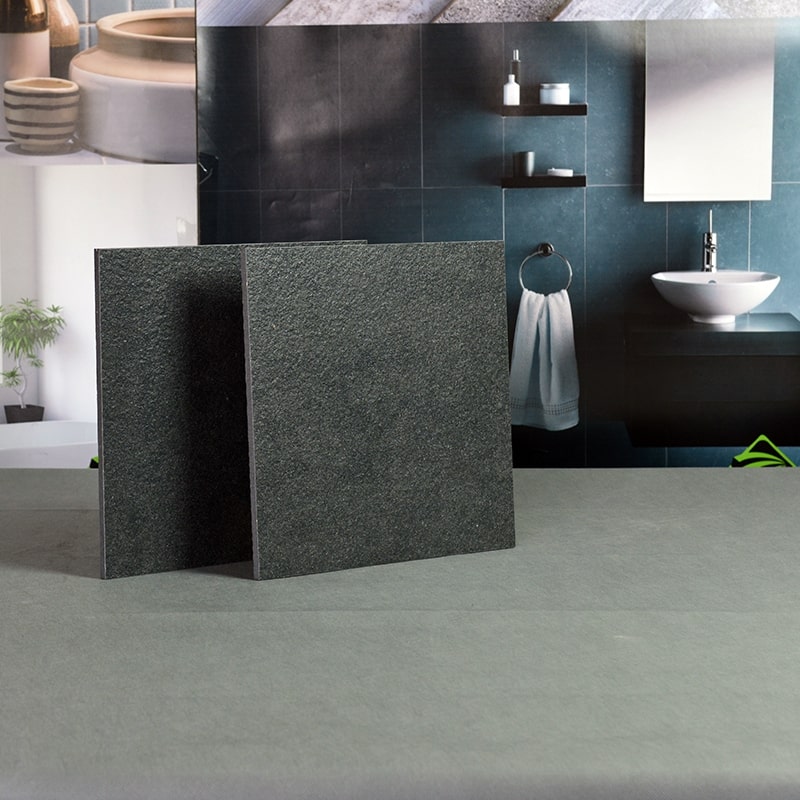
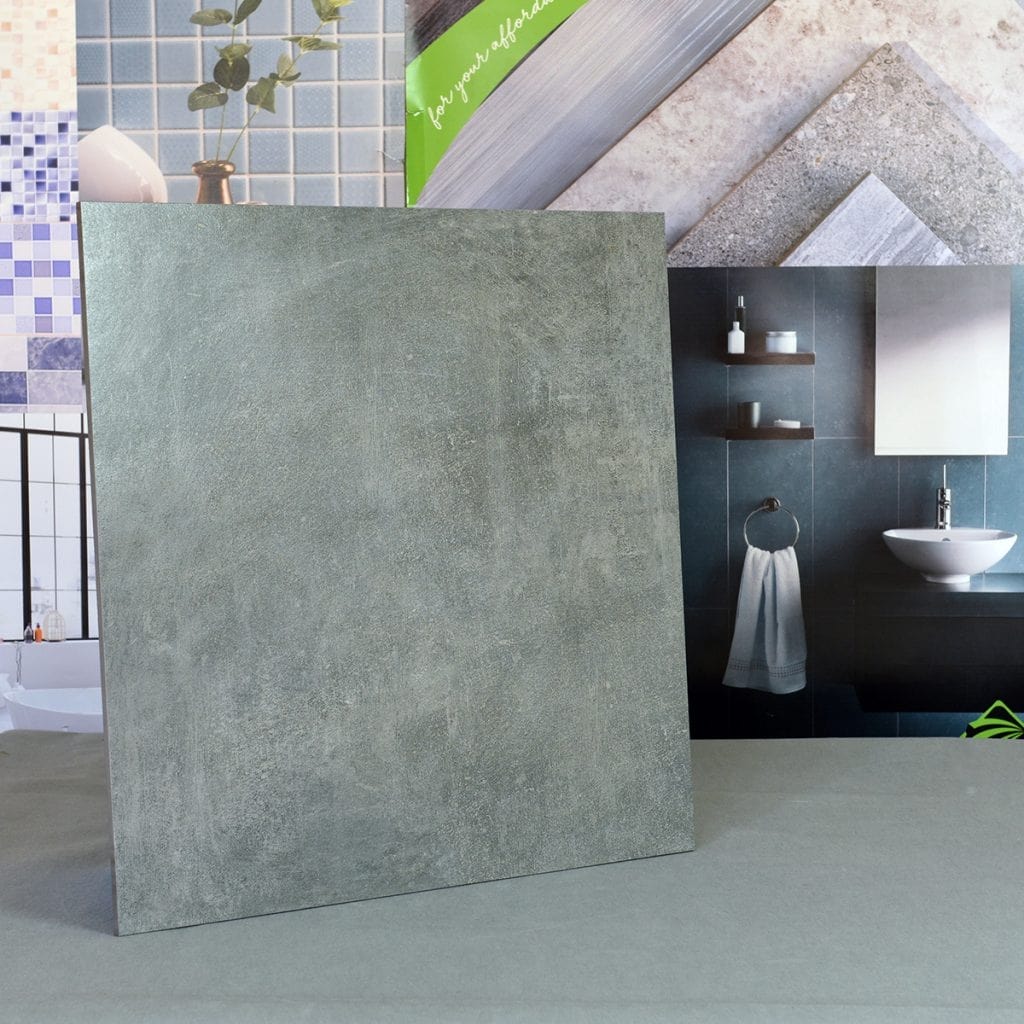
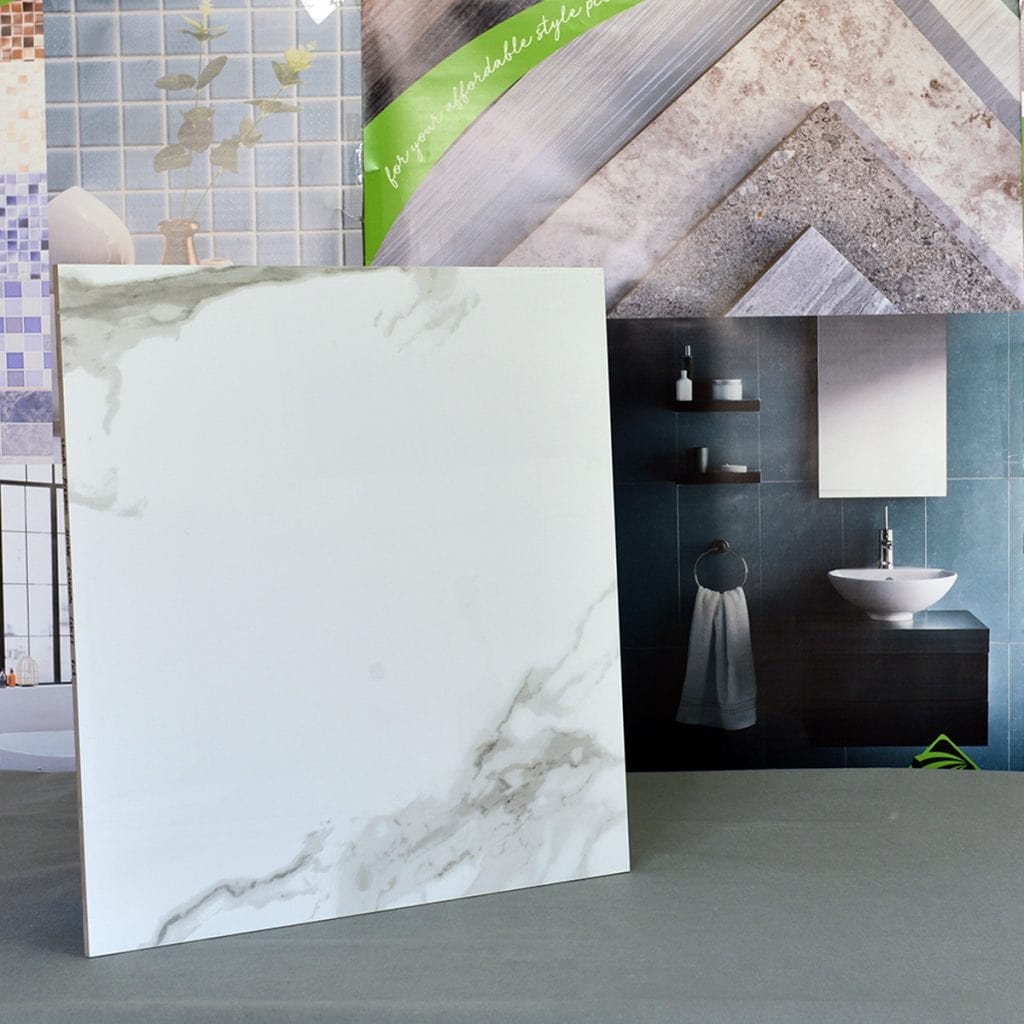
Porcelain tiles outperform most other materials in terms of durability and stability. They’re denser, less porous, and more forgiving when the subfloor isn’t perfect. That’s useful if you’re dealing with older homes or slab extensions where the finish varies from room to room. Ceramic tiles are easier to cut and better suited for wall use, but they’re not as strong underfoot—something to keep in mind before using them across high-traffic areas.
Tiles in Adelaide aren’t just about colour and shape. They’re about how the material behaves here. Homes in the northern suburbs often deal with more reactive clay, while houses near the coast need tiles that won’t degrade from salt in the air. Add in older foundations or uneven floor levels, and suddenly, your tile choice has to do more than match your benchtop.
Slip rating matters too. High-gloss tiles might pass the showroom test, but they’re a liability on bathroom floors or kitchens where oil, water, and tile cleaner take turns trying to trip you up. A matte or structured finish offers grip without the constant need for steam mops and disclaimers. It also reduces glare—a quiet win during long Adelaide summers.
You’ve probably heard that large-format tiles make spaces look bigger. Technically true—until you have to lay them on an uneven floor. Larger tiles demand a flatter substrate and can exaggerate dips and humps in older concrete slabs. They also require a specific adhesive spread to avoid hollow patches underneath. Unless your floor’s been recently levelled, a mid-sized tile might save you from visible ridges and repair bills.
Grout lines matter more than most people realise. Narrow joints look cleaner but allow less flexibility, which increases the chance of cracking in shifting environments. Wider grout lines offer more forgiveness and easier maintenance, especially if you avoid the default white and opt for mid-tones that don’t highlight every speck of grime.
You can get the right tile and still end up with a bad result if your tools don’t match the job. Spacer width, adhesive type, and levelling systems all influence the finish. Tilers in Adelaide deal with everything from 1950s cement sheets to brand-new floating slabs. Using a wall adhesive on a floor tile or skipping waterproofing membranes in wet zones doesn’t just cut corners—it invites failure.
Levelling clips help keep large-format tiles flat and avoid lippage. Proper trowel size ensures your adhesive beds evenly and maintains bond strength. Cutting the wrong corner on tools almost always shows later in cracked tiles, popped grout, or poor water runoff.
Grout isn’t just filler—it’s a finish. The colour you choose sets the tone for the entire surface. Go too light, and you’re committing to regular scrubbing. Go too dark, and every edge of a light tile might look dirty. Mid-tones or colour-matched grout blends tend to hide wear better and require less upkeep.
Then there’s the material. Epoxy grout is more stain-resistant and longer-lasting, but it sets fast and is harder to apply. Cement grout is more forgiving but absorbs stains if left unsealed. In Adelaide’s dry climate, unsealed grout can also crack or powder over time, so sealing isn’t optional—it’s insurance.
A few things that rarely get mentioned until it’s too late:
Gloss doesn’t guarantee good results. Shine comes from consistency, proper planning, and materials that behave well in your actual living space. Tiling in Adelaide comes with its own rules—climate, foundation, and finish all need to be taken into consideration. Whether you’re updating a bathroom, laying a new kitchen floor, or replacing cracked entry tiles, it pays to know what you’re working with—and what can work against you.
When you use the right products, match them with the proper prep, and follow advice that’s based on real use (not just sales pitches), your tiles won’t just look good. They’ll stay good through seasons, spills, and whatever else life throws down.