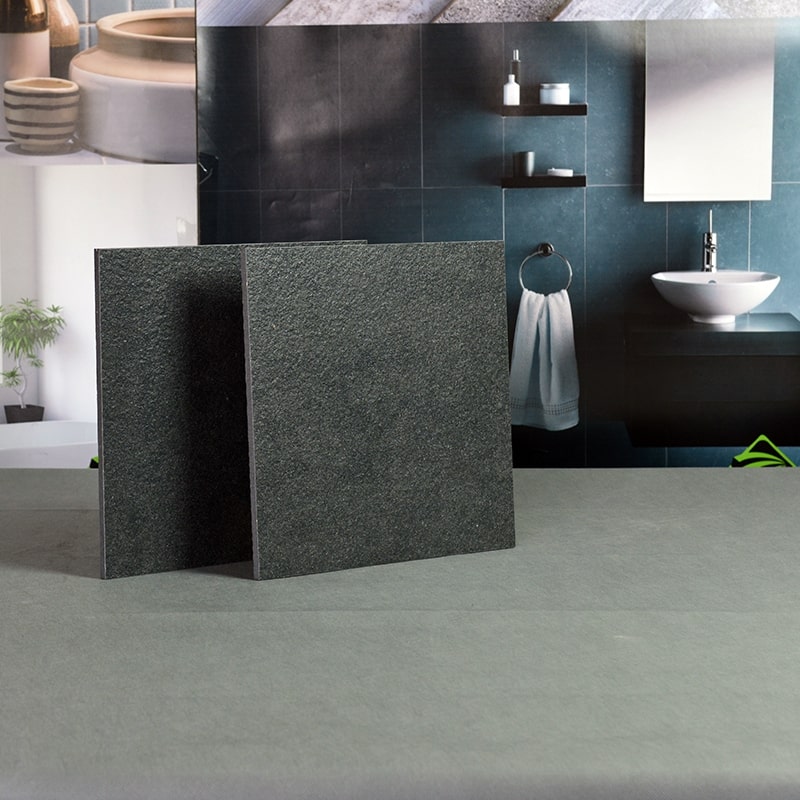
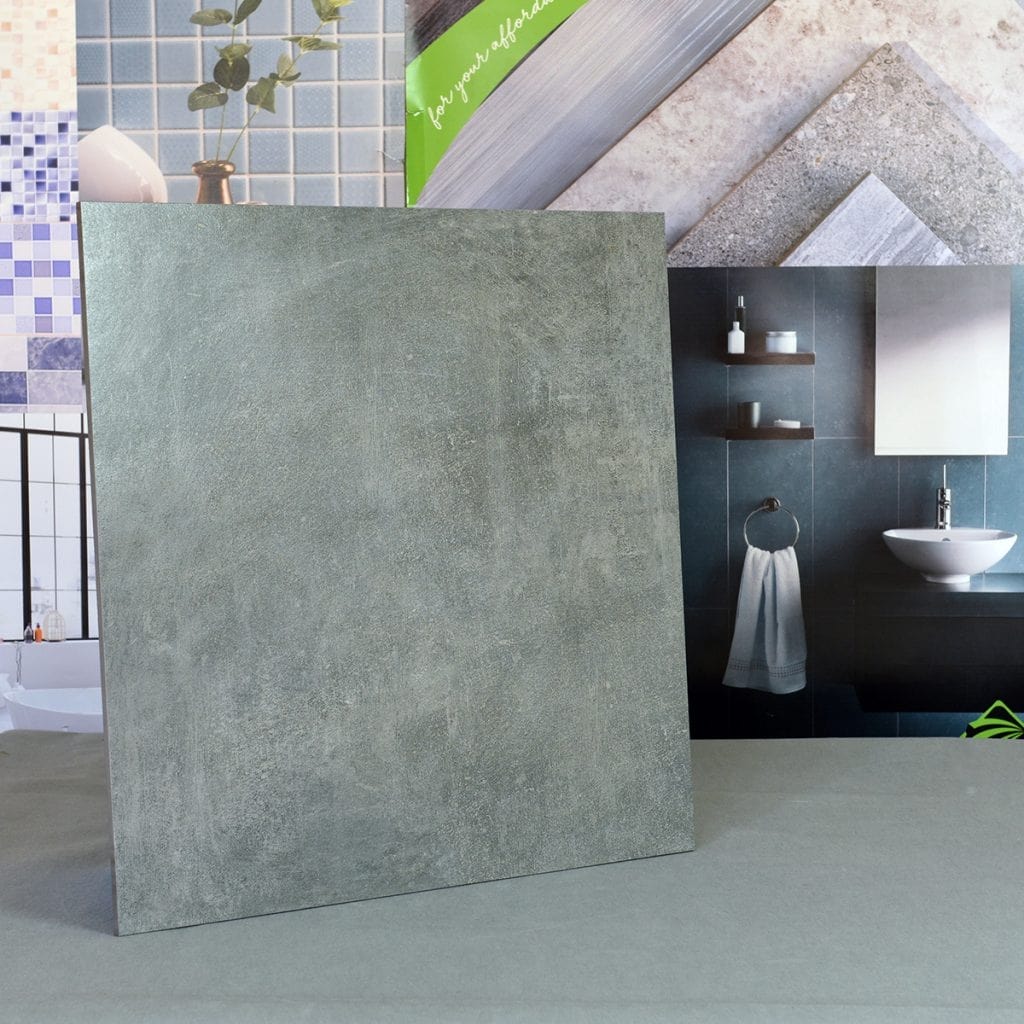
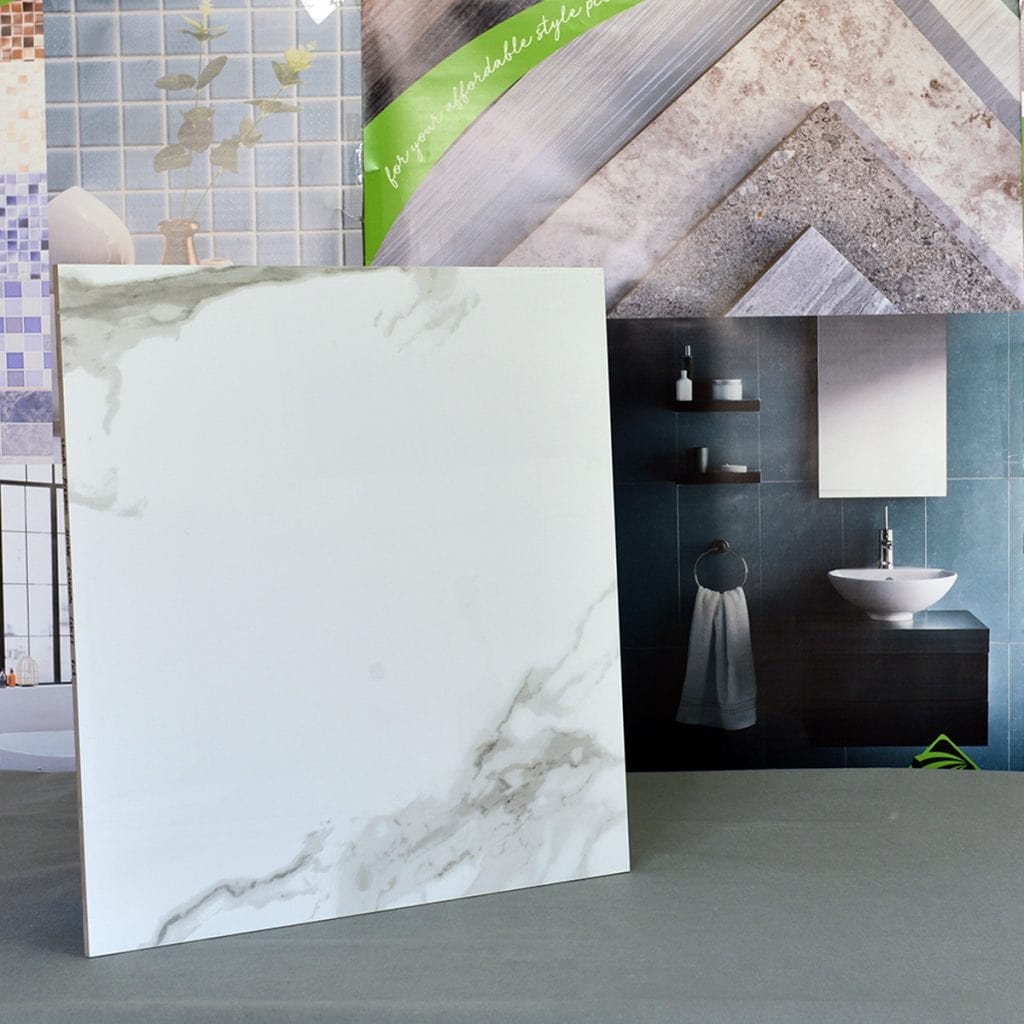
Renovation conversations often discuss large-format tiles, especially in bathrooms, kitchens, and open-plan living areas. The idea behind them is simple: fewer grout lines create a cleaner surface, and cleaner surfaces feel more spacious.
But the reality is a bit more nuanced than that.
A tile size alone doesn’t magically expand a room. However, the way large-format tiles change visual patterns, light reflection, and surface continuity can genuinely influence how a space feels.
So the question isn’t just whether they make a room look bigger. It’s when, where, and why they actually work.
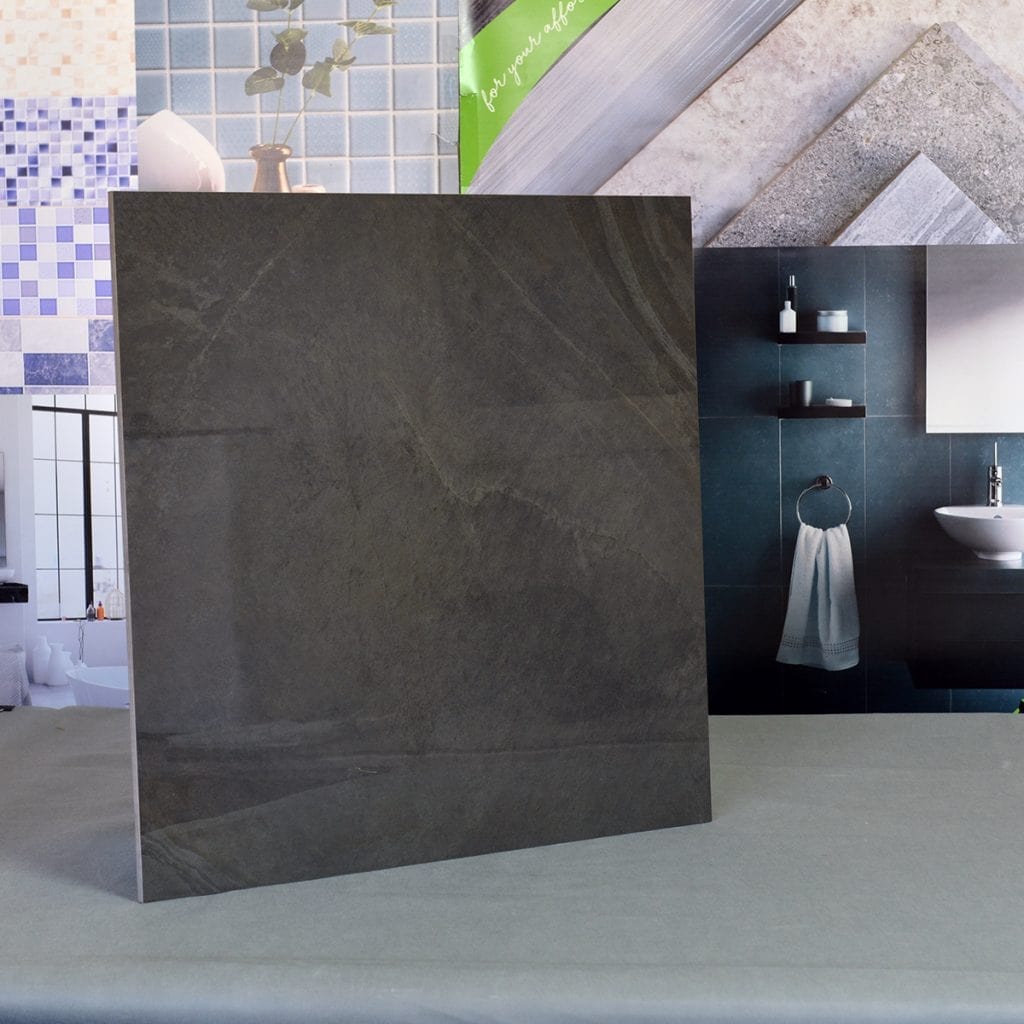
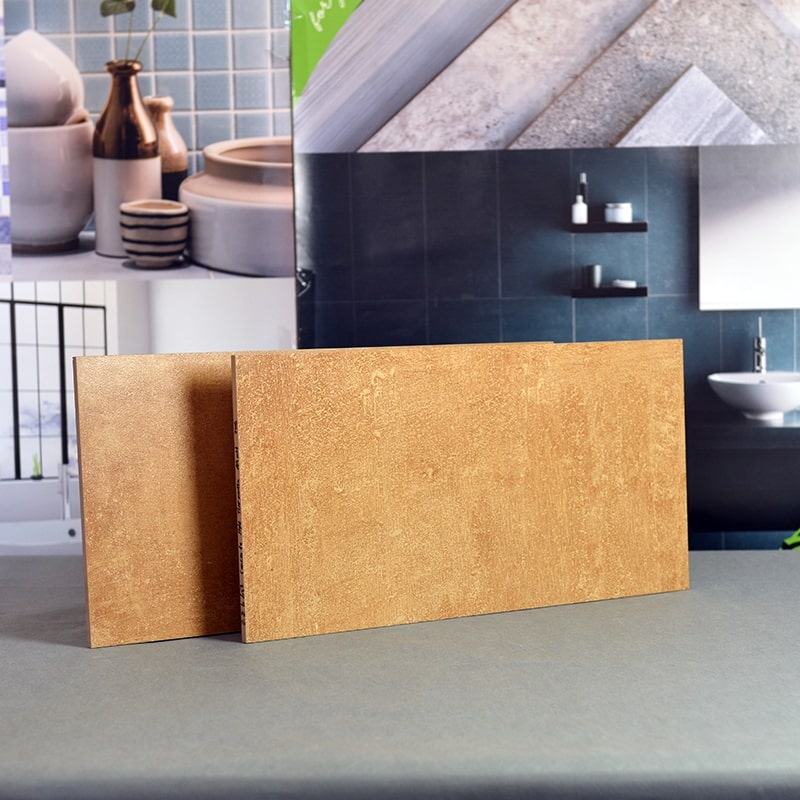
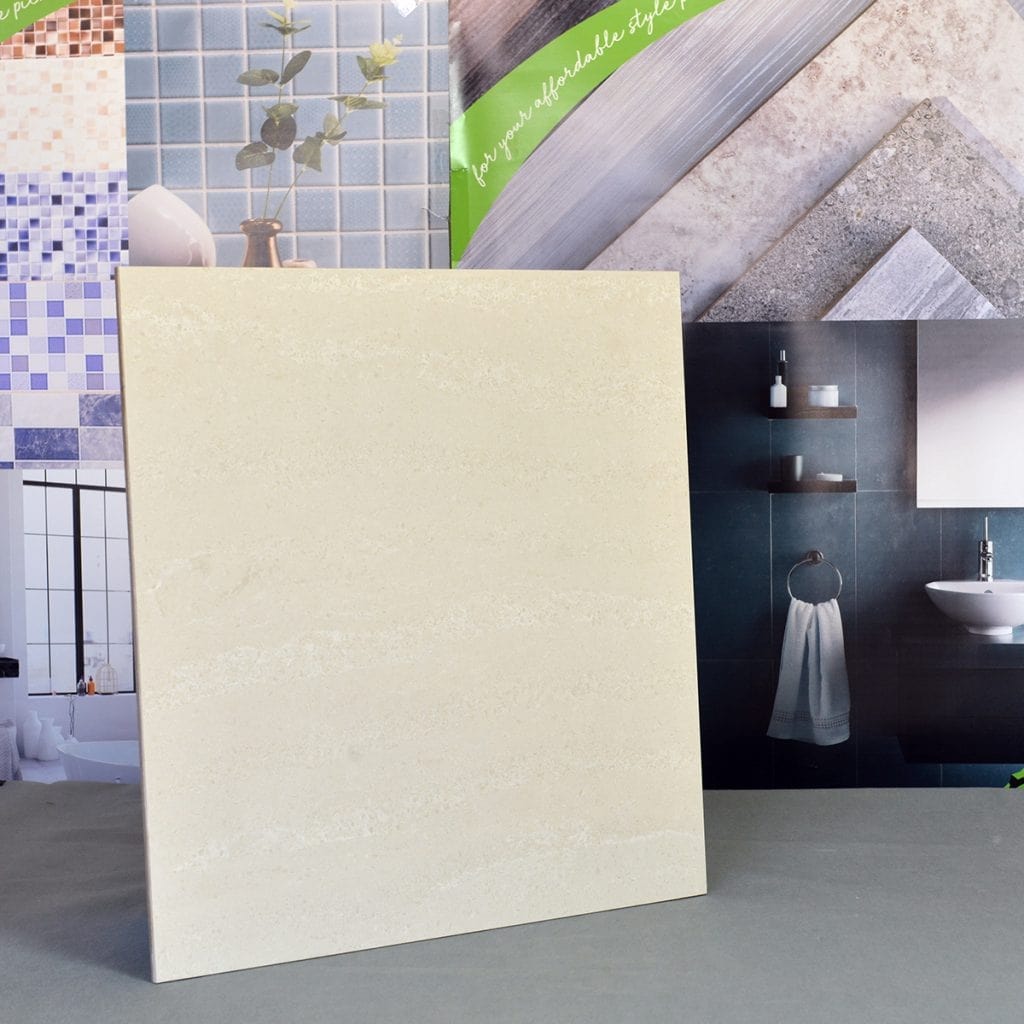
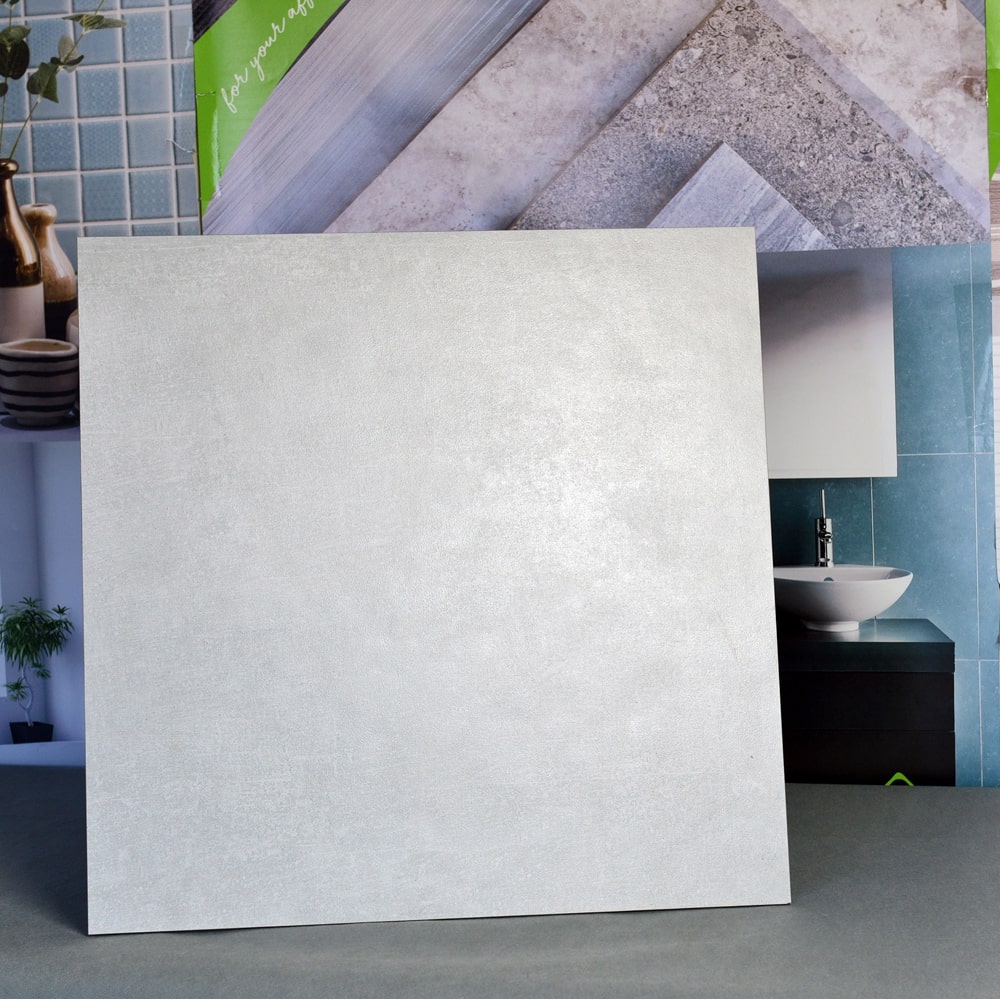
There isn’t a strict definition, but most tiles above 600x600mm are generally considered large format. Many modern designs go much further, extending into:
These sizes are becoming increasingly common in homes across Adelaide, particularly in renovations aiming for a more modern, seamless finish.
When browsing a tile range, it’s often these larger formats that stand out first because they change how the entire room reads visually.
The “bigger room” effect is due to visual interruption.
Smaller tiles create more grout lines, which divide the floor or wall into a grid. That grid draws the eye across multiple breaks, making the surface feel busier.
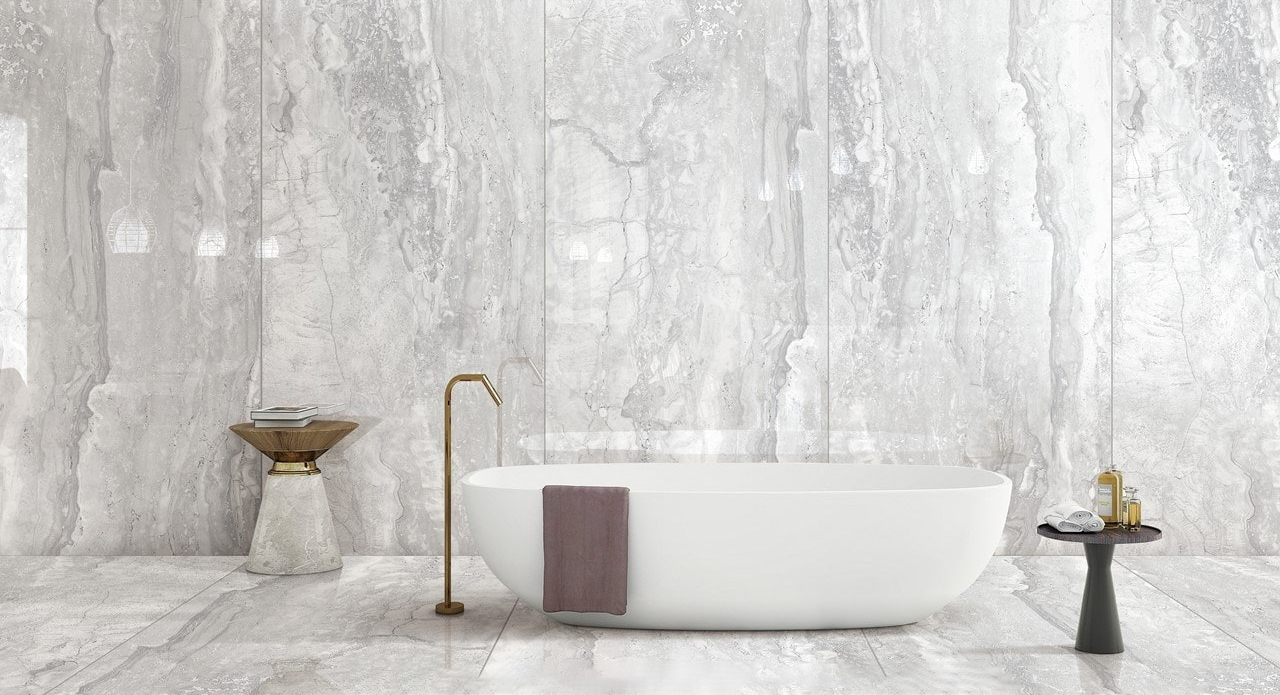
Large-format tiles reduce those interruptions.
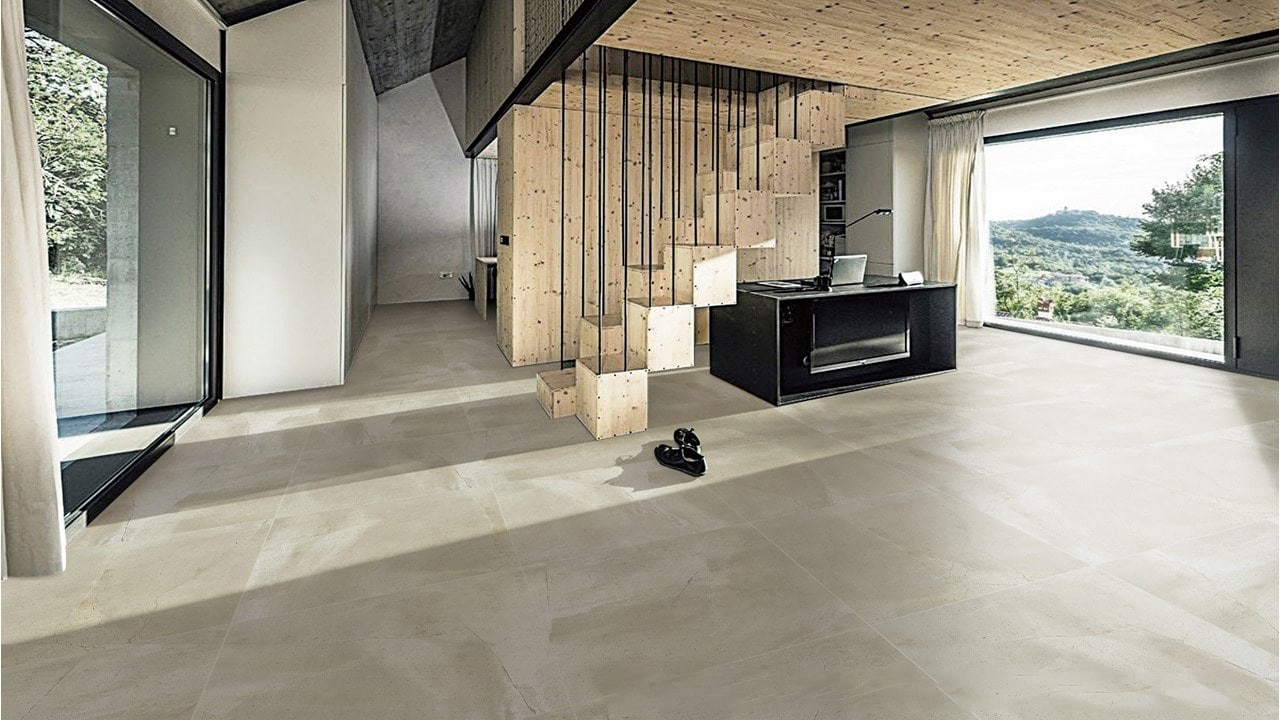
Instead of seeing many small sections, the eye reads a continuous surface. That continuity creates a sense of openness, even if the room’s physical dimensions haven’t changed.
It’s less about size and more about simplicity.
This is one reason homeowners exploring tile showrooms in Adelaide often gravitate towards larger formats when they want a more modern, spacious feel.
Large-format tiles are not a universal solution. They perform differently depending on the space.
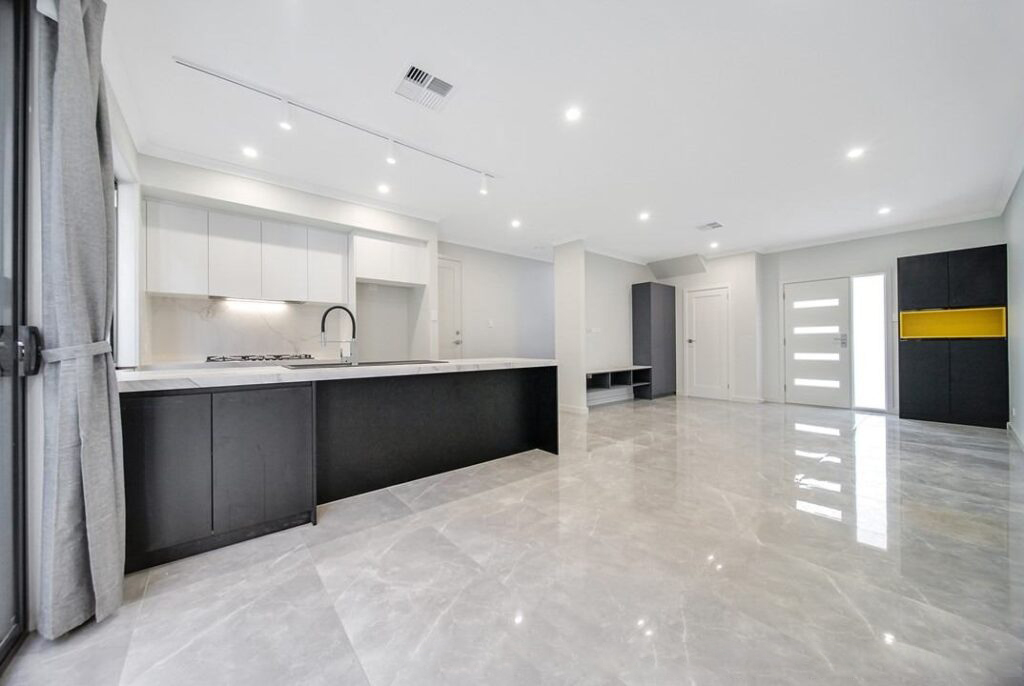
Open-plan living spaces are where large tiles often shine.
With fewer grout lines, the flooring feels more cohesive, especially when transitioning between the kitchen, dining, and lounge areas.
This creates a visual flow that helps larger spaces feel intentional rather than segmented.
Bathrooms can benefit significantly from large tiles, especially on floors and main walls.
They reduce visual clutter, which can be especially helpful in smaller bathrooms where every detail feels magnified.
However, layout still matters. Poorly placed cuts or awkward tile transitions can undo the clean effect.
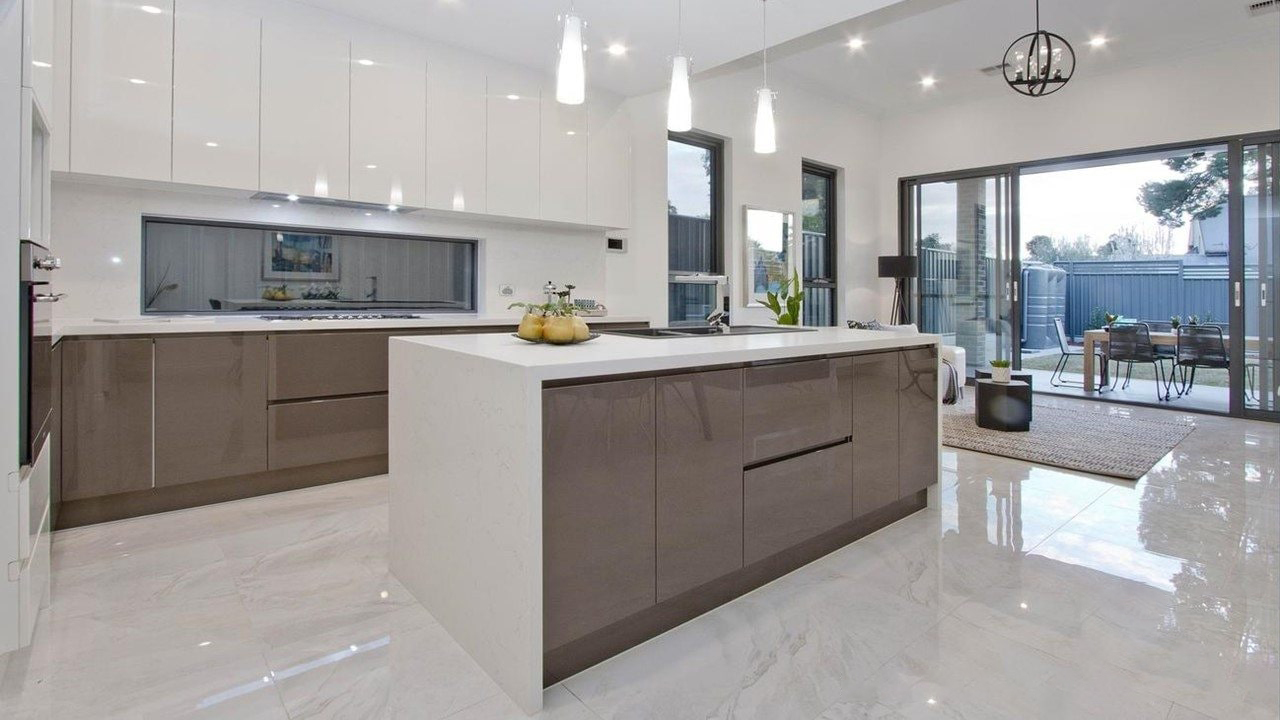
Kitchen floors often suit large-format tiles because they simplify busy environments.
Between cabinetry, appliances, and splashbacks, kitchens already contain many visual elements. A simpler floor helps balance that complexity.
For homeowners browsing kitchen tiles in Adelaide, large formats are often chosen for this reason rather than purely for aesthetic preference.
Despite their popularity, large-format tiles aren’t always the right choice.
In tight or awkward layouts, large tiles may require excessive cutting. This can create uneven edges or small filler pieces that disrupt the clean look.
Instead of making the room feel bigger, it can sometimes highlight the awkward shape.
Large tiles require a flat surface. Even small variations in the subfloor can become noticeable once installed.
This isn’t just a visual issue. It can also affect durability and long-term performance.
Large tiles with heavy patterns or strong veining can have the opposite effect of what people expect.
Instead of creating calmness, they can dominate the space and draw attention, reducing the feeling of openness.
Grout lines are one of the biggest factors influencing how large tiles perform visually.
In large formats, grout becomes less prominent, but it still contributes to the final appearance.
A closer colour match between tile and grout tends to create a more seamless effect, reinforcing that sense of openness.
A contrasting grout, on the other hand, can reintroduce visual segmentation, which reduces the “expanded space” illusion.
This is one of those small decisions that can noticeably change the final result.
Tile size alone isn’t responsible for how spacious a room feels.
Colour and finish have just as much influence.
Lighter tones generally reflect more light, which can help spaces feel more open. Soft neutrals, warm whites, and muted stone finishes work well in this context.
Gloss finishes can also enhance brightness, although they may not suit all applications, particularly in high-traffic flooring.
Matte or honed finishes often provide a more natural look while still supporting the visual simplicity large tiles offer.
How tiles are laid can influence perception just as much as their size.
For example:
With large-format tiles, layout choices are often more subtle because there are fewer joints to guide the eye.
This means alignment and spacing become even more important during installation.
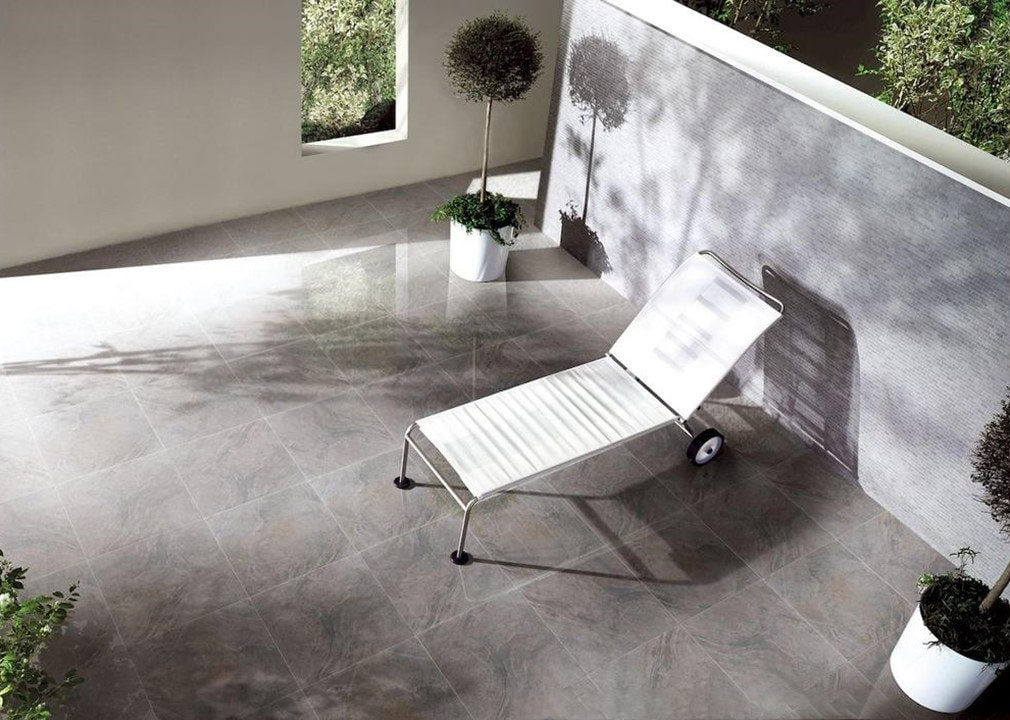
Large tiles are increasingly used in outdoor spaces, particularly in patios and alfresco areas.
In outdoor environments, the benefits shift slightly.
Often, the emphasis is placed not just on making spaces feel bigger but on:
When used well, large tiles can help blur the boundary between inside and outside, especially in open-plan homes.
For homeowners exploring outdoor tiles in Adelaide, large formats are often part of a broader design approach rather than a standalone feature.
Not physically.
But visually, yes—under the right conditions.
Large-format tiles can make a room feel
However, that effect depends on how they’re used. Poor layout, heavy patterns, or unsuitable sizing can easily cancel the benefit.
The key is not treating tile size as a design shortcut. It works best as part of a broader approach that includes colour, lighting, and layout.
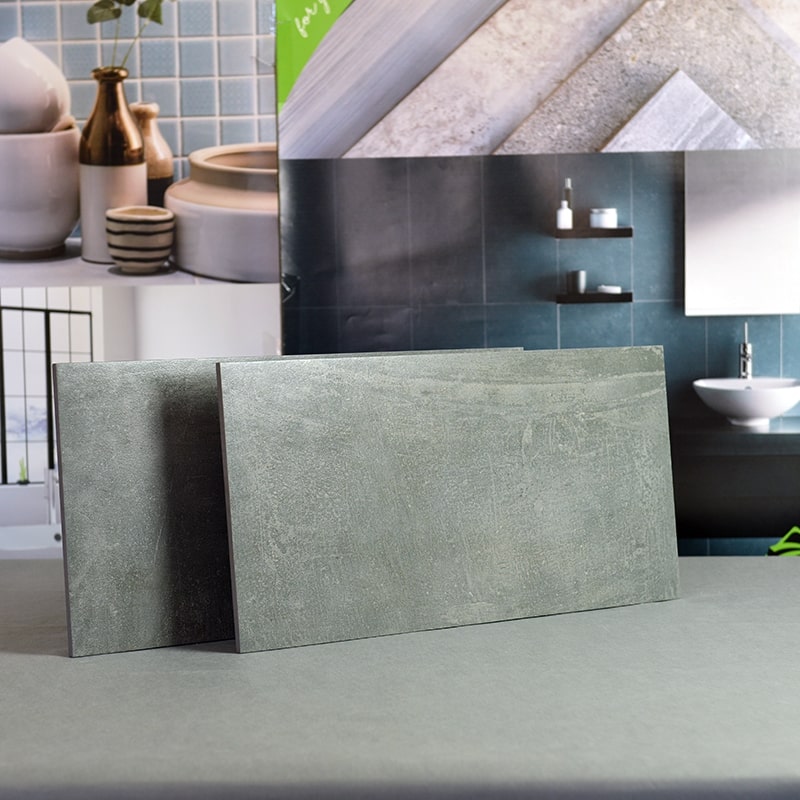
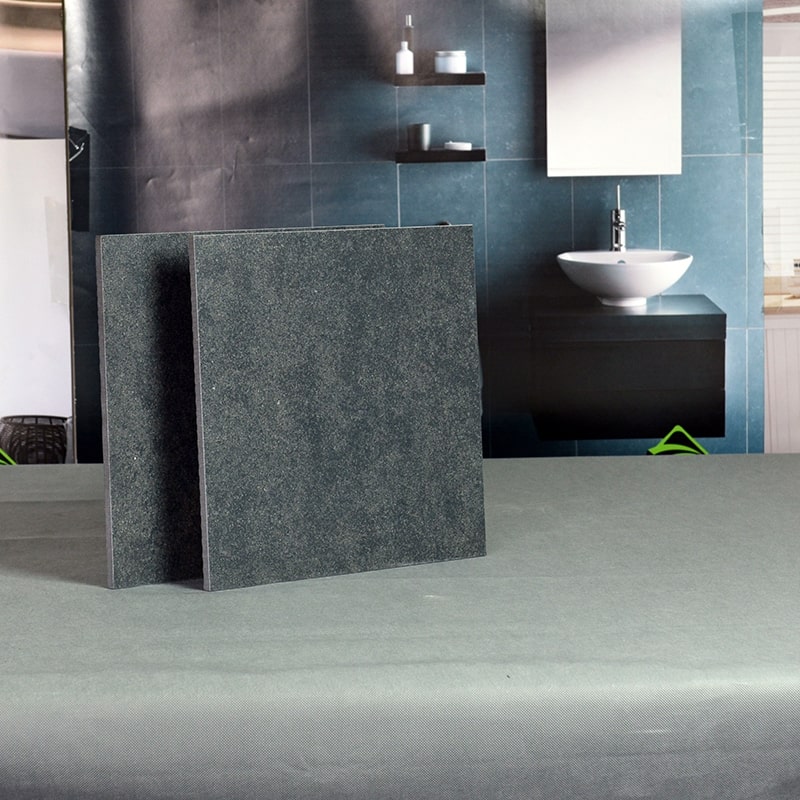
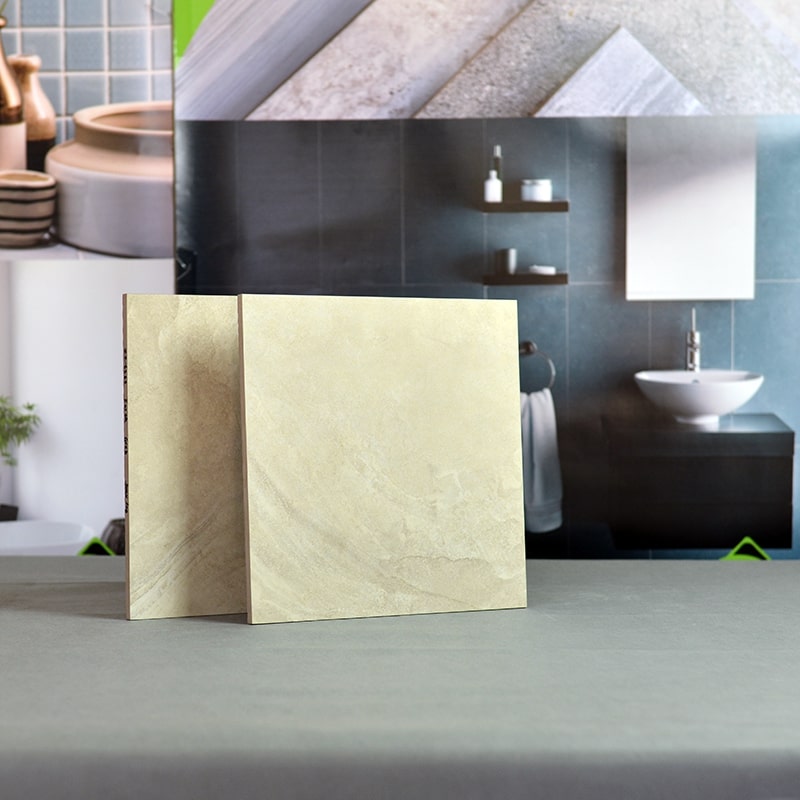
One challenge with large tiles is that they are hard to visualise in small samples.
A single piece doesn’t show how the surface behaves across an entire floor or wall.
This is where seeing full displays becomes important.
Standing in a showroom and viewing full-scale installations helps reveal how grout spacing, light reflection, and tile repetition actually feel in real life.
Many homeowners exploring tile options in Adelaide find that their initial preference changes once they see large-format tiles installed at scale rather than as samples.
Instead of asking whether large tiles make a room look bigger, a better question is:
Does this tile reduce visual noise in the space I’m designing?
If the answer is yes, large formats are often worth considering.
In a room that already feels simple and open, smaller or mid-sized tiles can also be just as effective.
It’s less about chasing a trend and more about achieving balance in the final design.
Large-format tiles don’t change the physical size of a room. What they do change is how the eye interprets that space.
In the right setting, with the right layout and finish, they can create a calm, open, and cohesive environment that feels more spacious than it actually is.
That effect is subtle, but in interior design, subtle decisions often make the most significant difference over time.