Choosing tiles sounds simple until you're standing in a showroom looking at dozens of options that seem almost identical.
For many Adelaide homeowners, the decision often comes down to two popular materials: porcelain and ceramic. Both are attractive, practical, and available in a wide range of styles. Yet they perform differently depending on where they're used and how much wear they're expected to handle.
Understanding those differences before you buy can save money, reduce maintenance, and help ensure your renovation looks stunning for years to come.
Both porcelain and ceramic tiles are made from clay that is fired in a kiln. The main difference is in the composition of clay and the manufacturing process.
Porcelain tiles are made of denser clay and are fired at higher temperatures. This results in a denser tile, less porous and very durable.
Generally, tile is less heavy, somewhat softer and easier to cut and install. They remain a popular choice for many residential applications, especially on walls and in low-traffic areas.
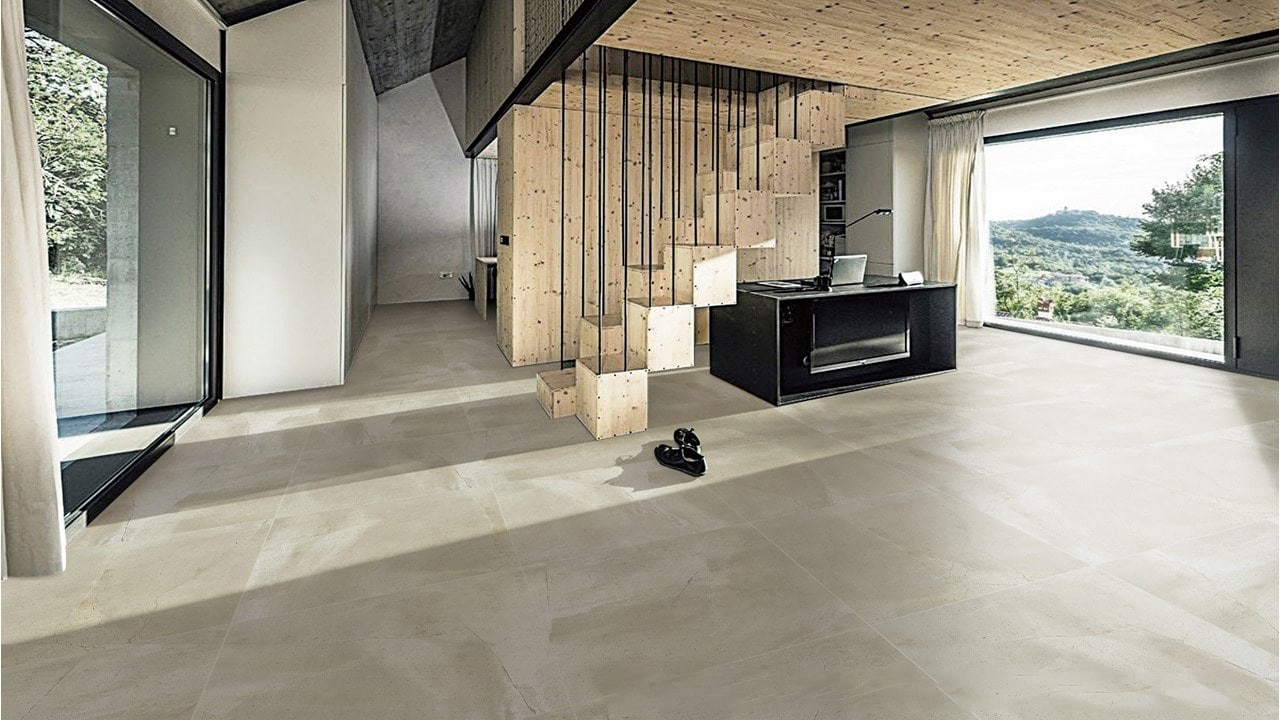
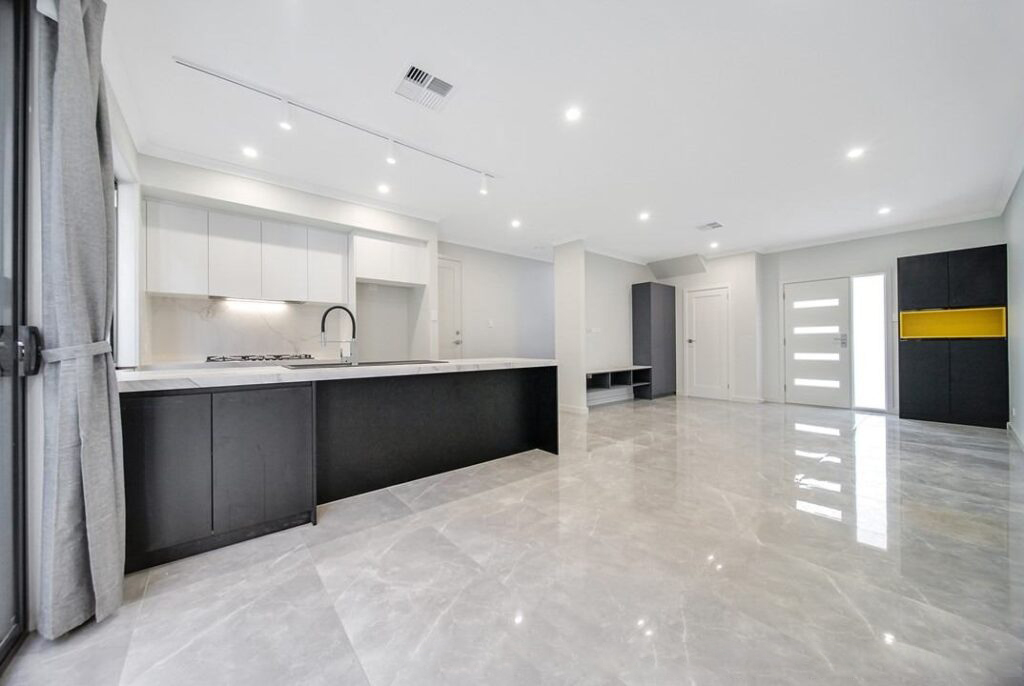
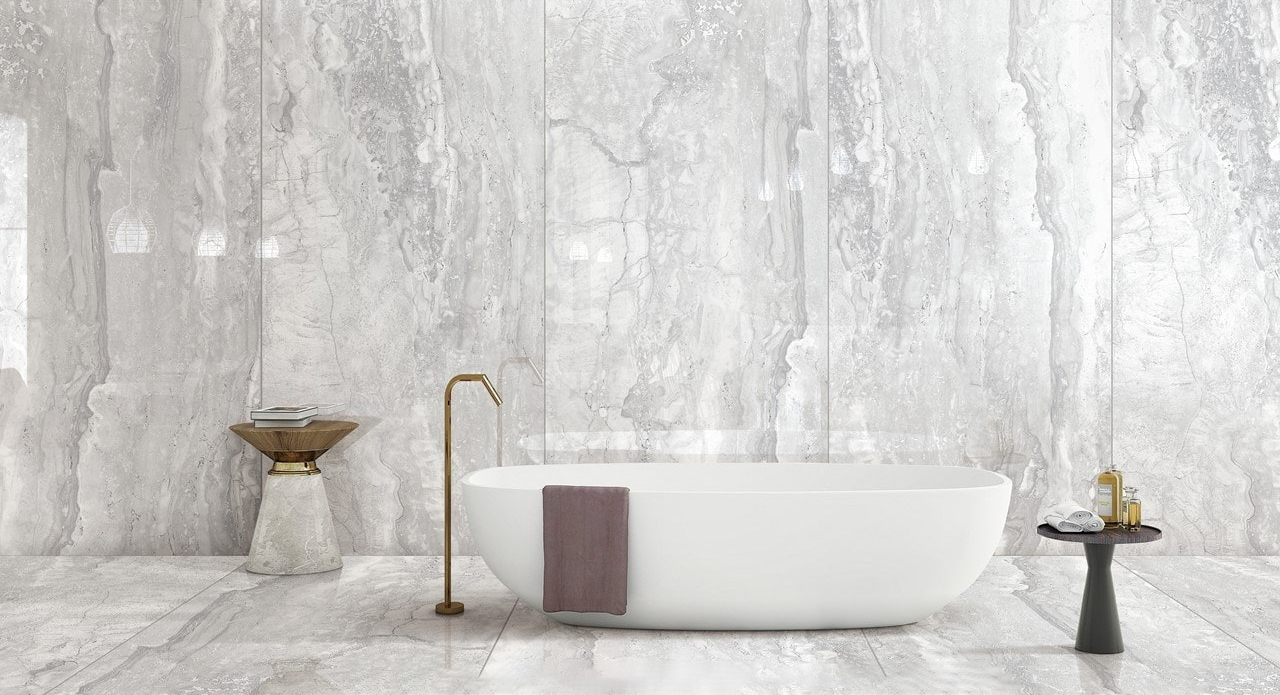
From a visual perspective, modern manufacturing techniques make it difficult to distinguish the two.
Adelaide homeowners face a unique combination of hot summers, cooler winters, and periods of dry weather.
Flooring materials must endure fluctuating temperatures, everyday foot traffic, and exposure to moisture in various areas of the home. In particular, hot summers and dry conditions in Adelaide can have an impact on the longevity and maintenance of tiles.
This is one reason many homeowners exploring tile options in Adelaide spend considerable time comparing porcelain and ceramic products before making a final decision.
The right tile isn't simply about appearance. It's also about how well it performs in the environment where it will be installed.
Porcelain has built a strong reputation for durability.
Because it absorbs very little moisture, porcelain performs reliably in water-prone or high-traffic areas, allowing Adelaide homeowners to trust in its longevity.
Many homeowners opt for porcelain for:
Families with children, pets or high household traffic appreciate porcelain for its resilience.
It is also scratch and stain resistant, so it requires less maintenance over time, which is important for busy Adelaide homes looking for low-maintenance options.
For homeowners seeking long-term performance, browsing different porcelain tiles can be a worthwhile starting point when planning a renovation.
Ceramic tiles shouldn't be viewed as a lower-quality option.
In many situations, they can be the smarter choice.
Wall applications are one example. Since walls don't experience foot traffic, the additional density of porcelain isn't always necessary.
Typical uses of ceramic tiles include:
There are plenty of ceramic products that offer great design flexibility and are ideal for homeowners wanting a certain look but not wanting to blow their budget during a remodel.
Ceramic can be a great value for smaller projects or rooms with less usage, while still providing a good-looking finish.
Durability is often the factor that drives homeowners towards porcelain.
Imagine a busy family kitchen where chairs are constantly moved, groceries are carried in, and children run through multiple times a day. Floors in these areas experience significant wear over time.
Porcelain's density helps it withstand these demands more effectively than many ceramic alternatives.
That doesn't mean ceramic is fragile. High-quality ceramic products can last for many years when installed in suitable locations.
The question isn't which material is stronger overall.
The better question is whether the area you're tiling requires that additional level of durability.
Bathrooms remain one of the most common renovation projects in Adelaide.
Because water exposure is constant, moisture resistance becomes a major consideration.
Porcelain's low absorption rate makes it particularly well-suited for shower and bathroom floors, as well as other wet areas.
However, ceramic tiles continue to be widely used on bathroom walls where direct wear is minimal.
Many successful bathroom designs combine both materials, using each where it performs best.
The vast majority of Adelaide homeowners contemplating renovation look at bathroom tiles not from the perspective of one type of material, but from the perspective of appearance and practical performance.
The kitchen is often one of the busiest spaces in any home.
Spills happen regularly. Heavy appliances are moved. Chairs slide across the floor.
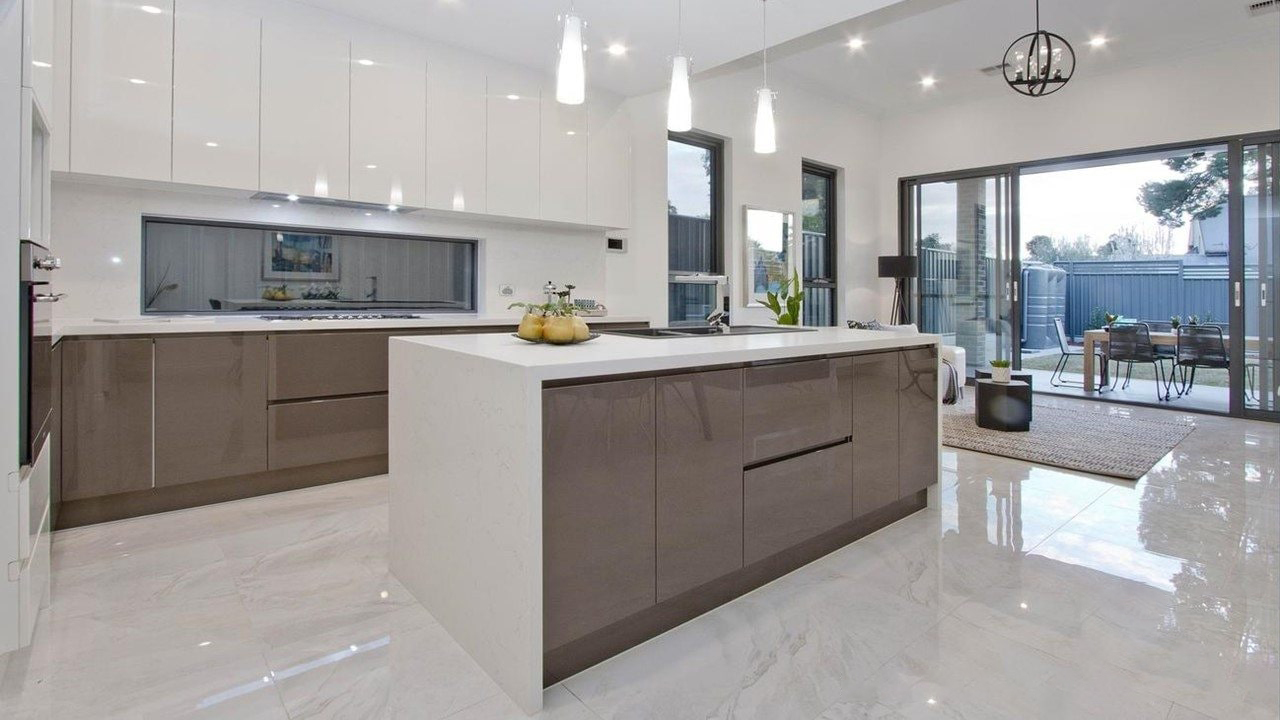
For these reasons, porcelain is often selected for kitchen flooring.
Meanwhile, ceramic remains a popular choice for splashbacks because it offers endless design possibilities and is easy to clean.
When considering kitchen tiles, Adelaide homeowners often find that mixing materials throughout the room provides an effective balance between aesthetics and practicality.
Budget naturally influences most renovation decisions.
Often, porcelain tiles cost more than comparable ceramic products.
The difference isn't always significant, but it can become noticeable across larger projects, making it important for Adelaide homeowners to weigh initial costs against long-term value and durability.
Rather than focusing only on the upfront cost, it's worth considering the following:
A slightly higher initial investment may provide greater value over the long term, particularly in high-traffic areas.
Years ago, design options sometimes favoured one material over another.
Today, both porcelain and ceramic are available in:
The visual gap between the two has largely disappeared.
As a result, most homeowners now make their decision based on performance requirements rather than appearance alone.
Exploring a broad tile range can help narrow down options before comparing technical specifications.
There is no universal winner.
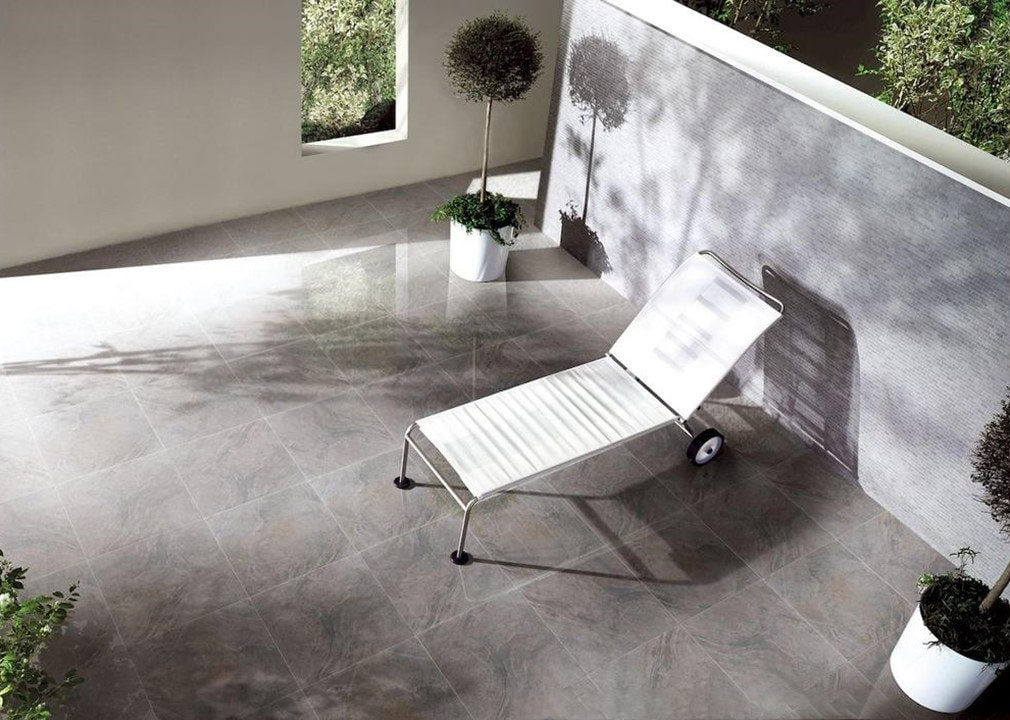
Porcelain often performs better in high-traffic areas, wet zones, and outdoor spaces where durability is a priority.
Ceramic is still a great choice for walls, decorative applications and projects where budget flexibility is important.
The best tile is the one that meets your space needs and makes you feel confident about your renovation decisions.
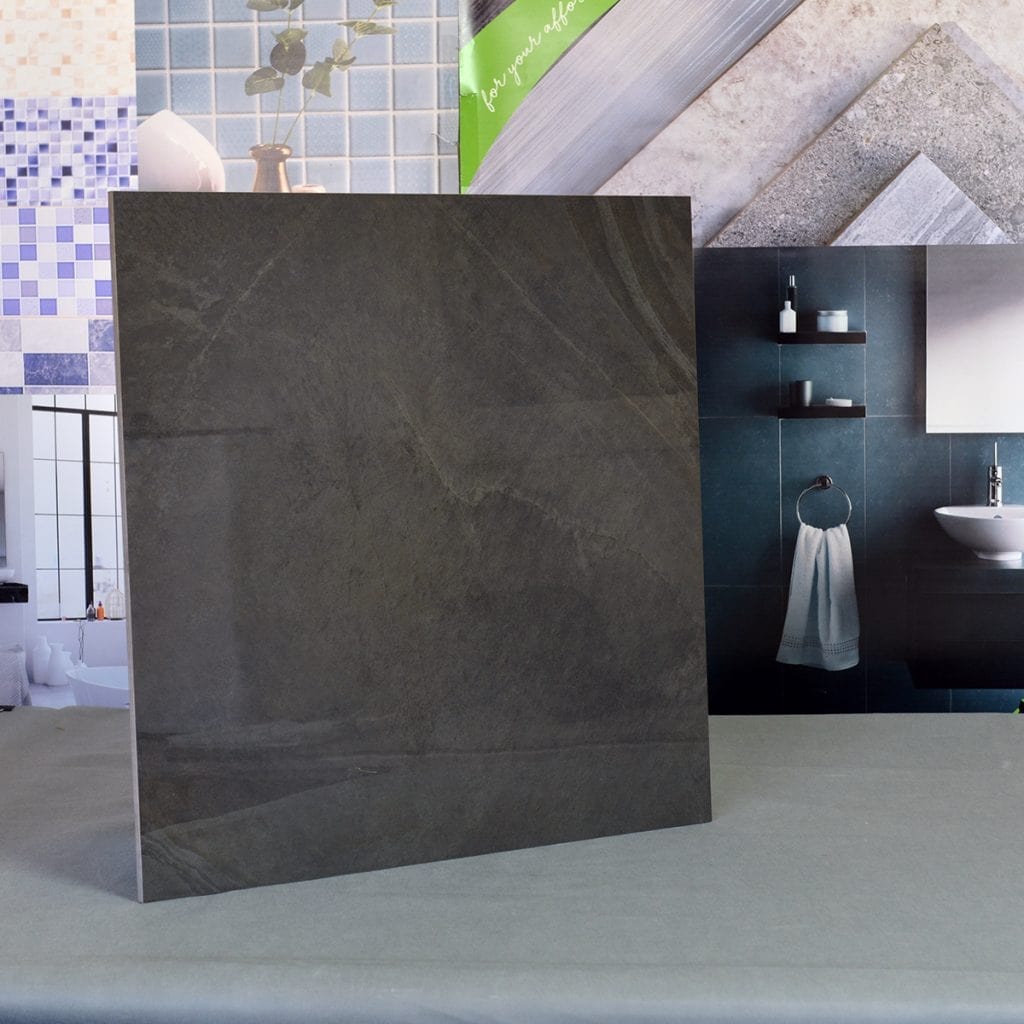
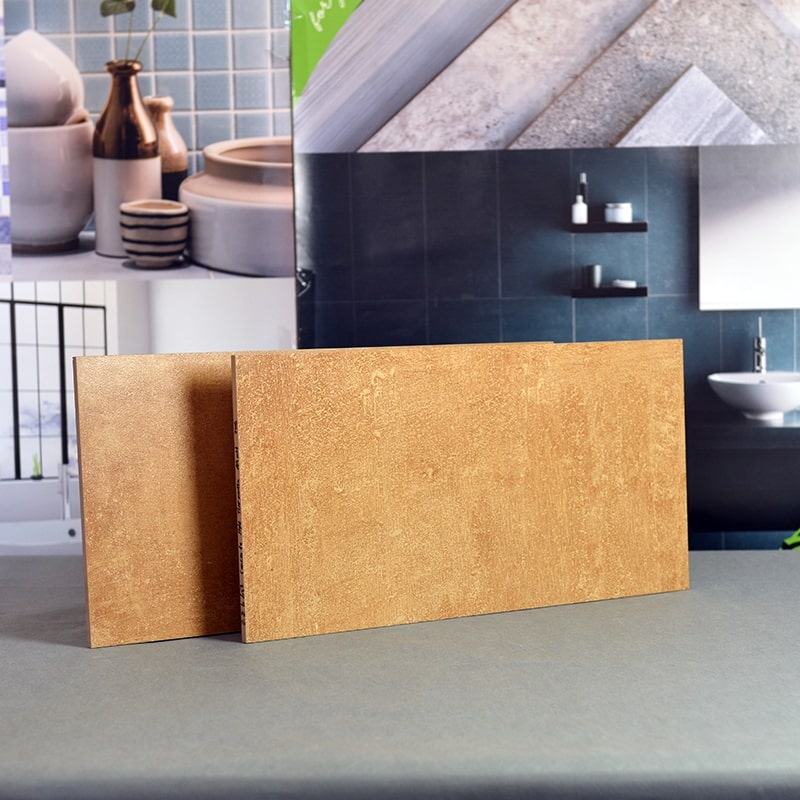
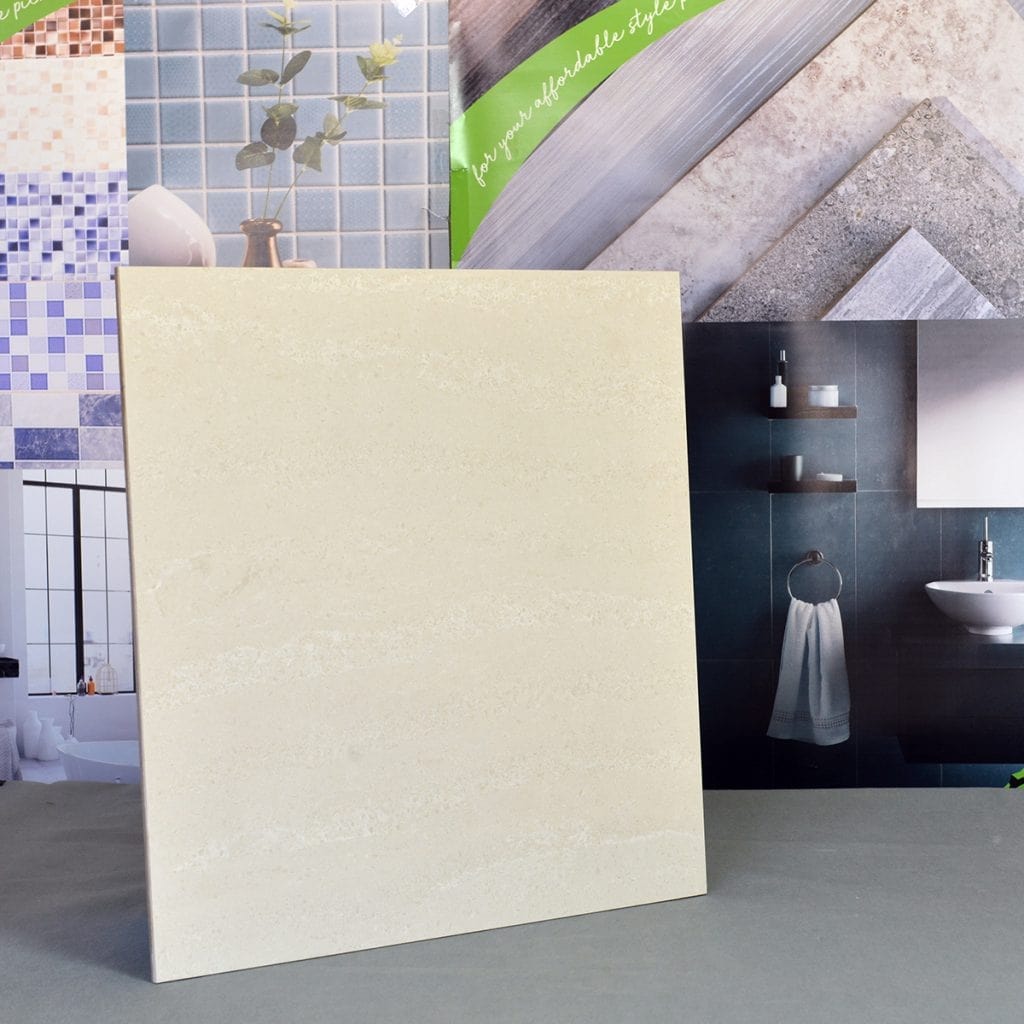
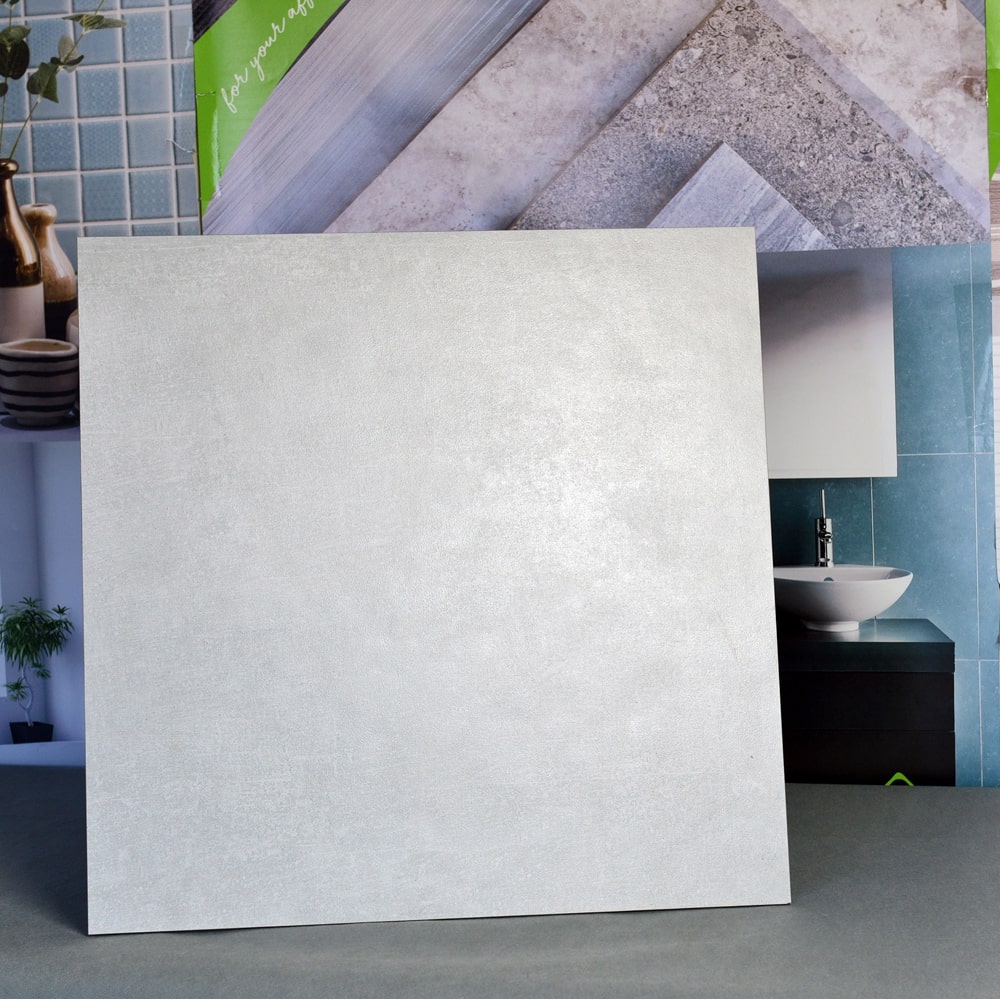
Seeing the products in person, comparing finishes and talking to experienced tile professionals about your renovation plans helps before you make your final decision. Visiting the showroom allows you to see practicalities not always apparent in photos.
With the right guidance, both porcelain and ceramic tiles can deliver attractive, long-lasting results that suit Adelaide homes for many years.