Small bathrooms and compact units are common across Adelaide, from character homes to new-build apartments and granny flats. Choosing the right tiles Adelaide renovators rely on makes a real difference in how spacious a tight bathroom feels. Get the size, colour, or finish wrong, and a freshly renovated room can still look boxed in.
This guide covers the tile sizes, colours, finishes and layout tricks that help small bathrooms and compact units feel larger and brighter. It draws on practical, real-world tiling experience from homes across Adelaide, not just theory. By the end, you'll know what to look for before comparing tiles.
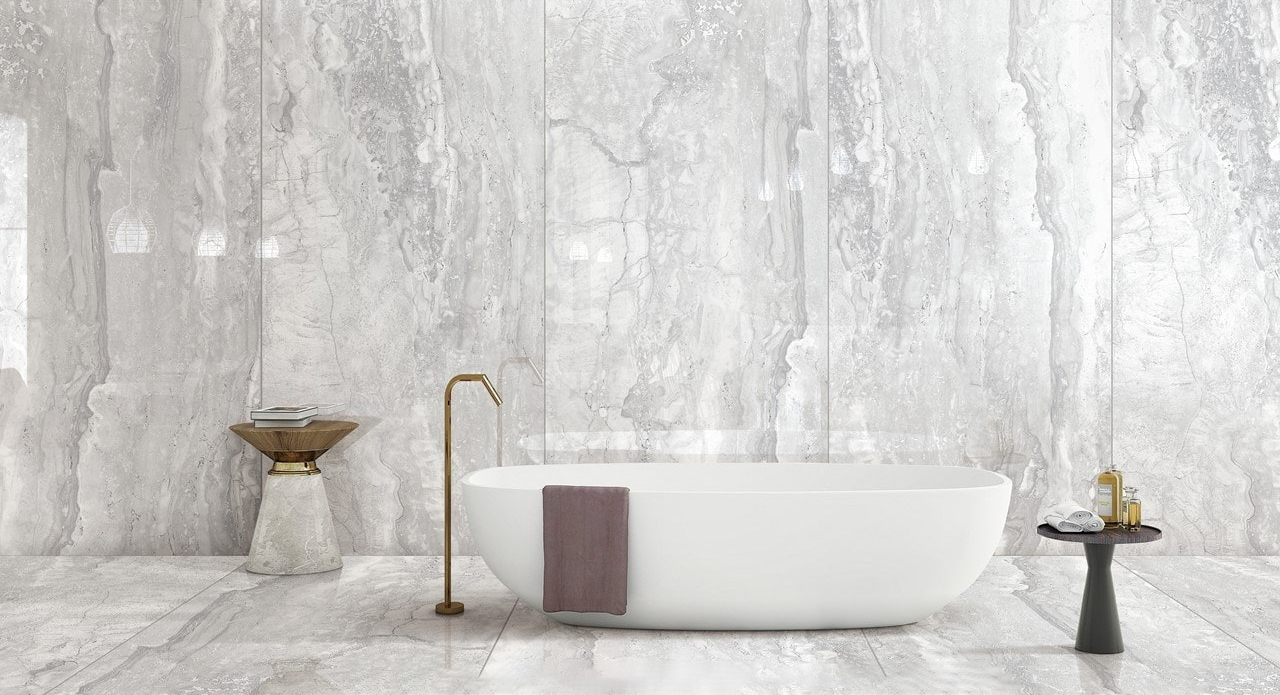
In tight Adelaide bathrooms, bigger is almost always better. Go for 600x600mm tiles or larger in a light matte or satin finish—fewer grout lines immediately make the room feel less cluttered. Carrying that same tile up the walls gives you a seamless, open look. Just keep in mind that wet area floor tiles need an R10 slip rating to meet local building standards.
In a small bathroom, every design decision matters more because there's little room to hide a mistake. A bold pattern that suits a large ensuite can feel overwhelming in a two-square-metre space. When choosing small bathroom tiles, Adelaide homeowners often find that tile size, colour, and layout affect how big a space feels far more than the fixtures do. That's why we recommend starting your renovation with tile selection before locking in tapware or vanities.
Adelaide's tile market has grown considerably over the past decade, with more large-format and low-maintenance options than were available in older renovations. If comparing styles for the first time, look at a wide range side by side rather than judging from a few showroom samples. Browsing our full bathroom tile range lets you compare sizes, tones and finishes in one place.
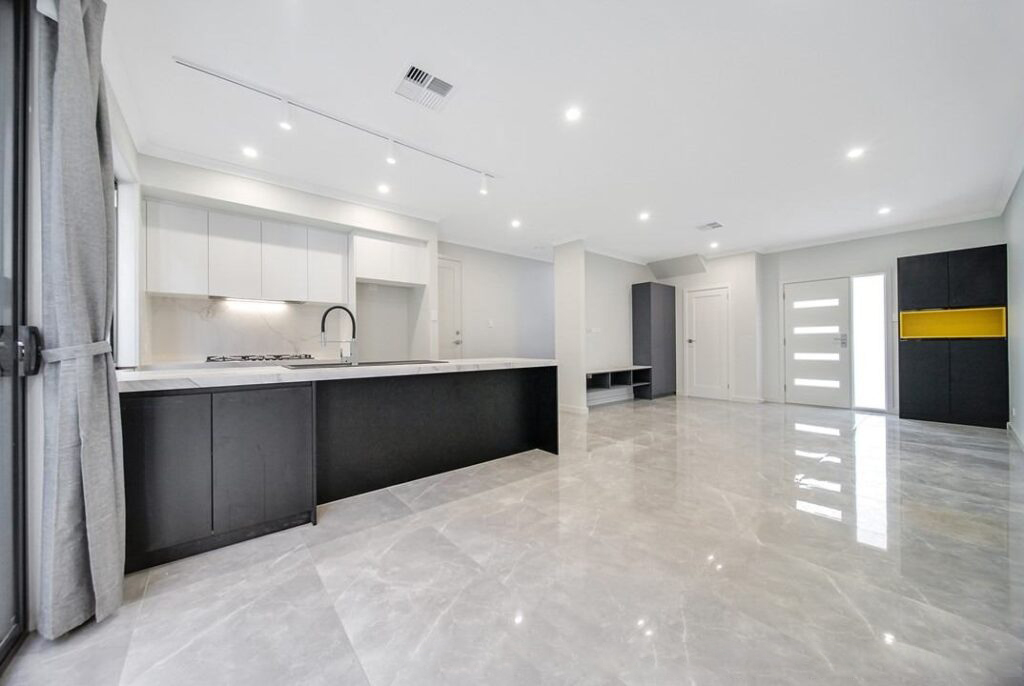
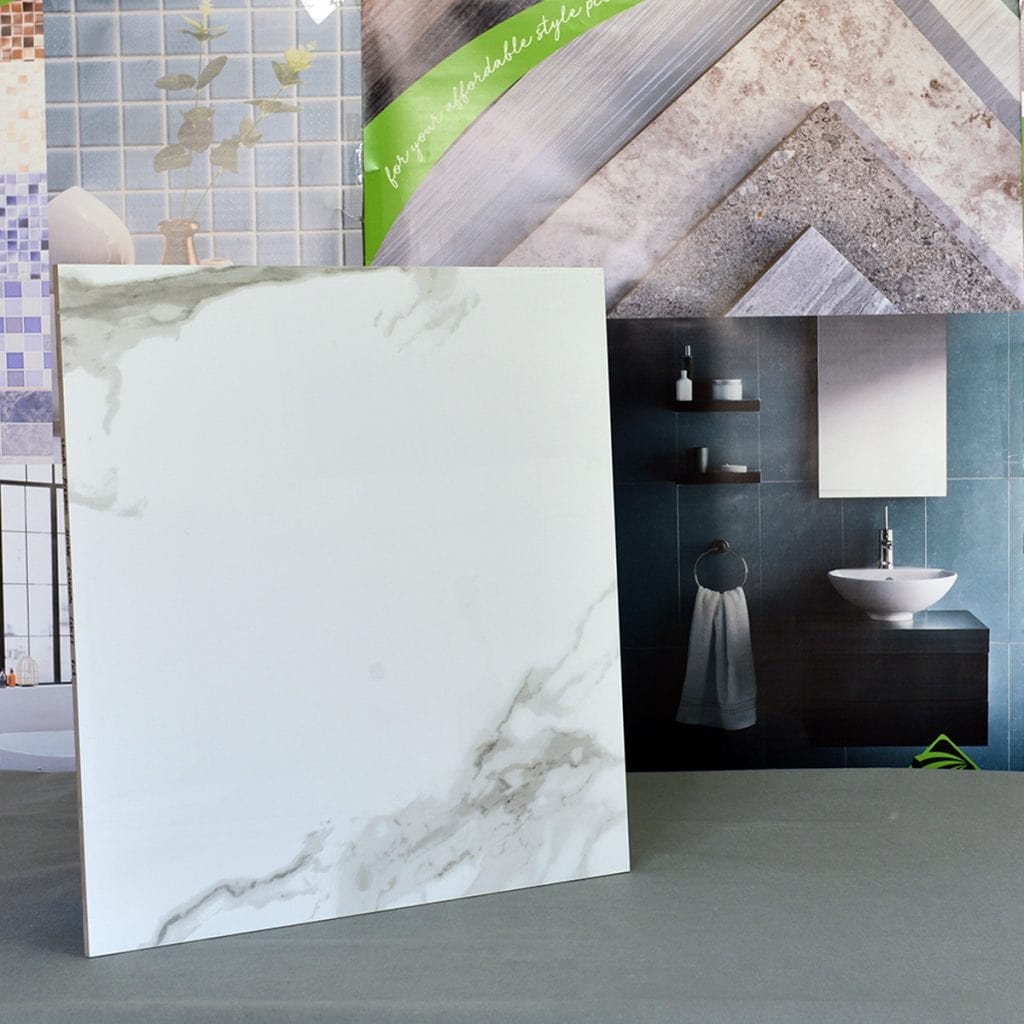
One of the easiest ways to make a small bathroom feel open is to use large-format tiles, usually 600x600 mm or larger. With fewer visual interruptions and fewer grout lines, the eye reads the floor or wall as one continuous surface. This is especially true in bathrooms of less than three square metres, where every joint adds visual noise. Many Adelaide renovators continue the same tile from the floor partway up the shower wall to reinforce this flow.
Small and mosaic tiles aren't taboo in a small bathroom; they need a purpose. A narrow shower niche, feature strip or curved shower base often requires the flexibility that only small-format tiles provide. Small-format mosaic feature tiles add texture without overwhelming the room if used sparingly. The trick is moderation—one zone, not the whole room.
The table below sums up when each format earns its place in a small bathroom or unit. Neither is universally better; it depends on the surface you're tiling.
| Feature | Large-Format Tiles (600x600mm+) | Small Mosaic Tiles (up to 100x100mm) |
| Grout lines | Minimal, fewer visual breaks | Many, creates a textured look |
| Perceived room size | Makes a small room feel larger | Can shrink a room visually if overused |
| Best use | Main floor and wall areas | Feature strips, niches, curved shower bases |
| Slip resistance | Depends on finish; always check the R rating | Often naturally grippy due to grout texture |
| Installation cost | Generally lower labour, fewer cuts | Higher labour due to intricate placement |
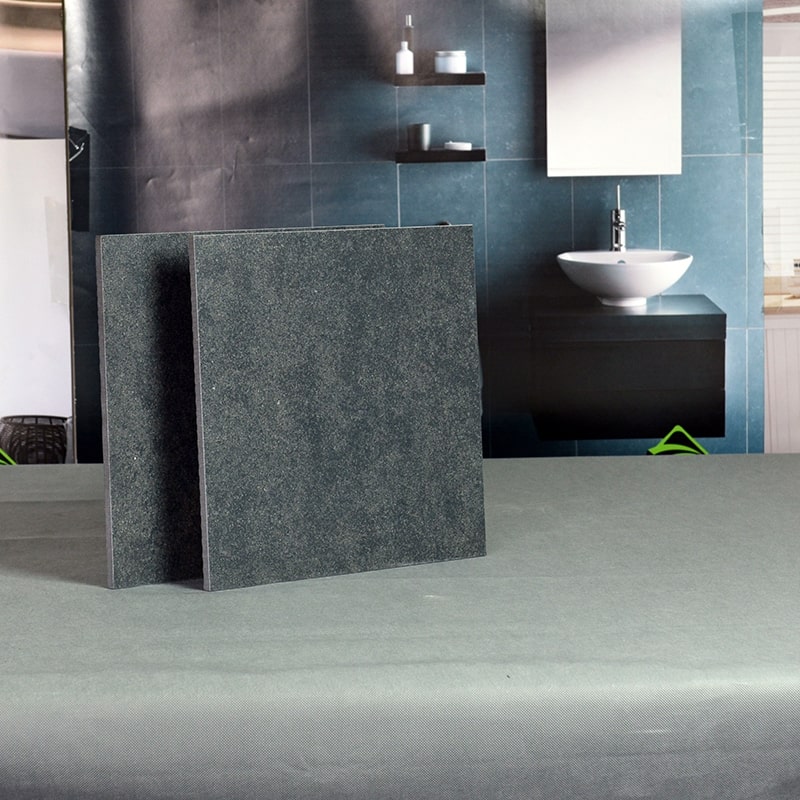
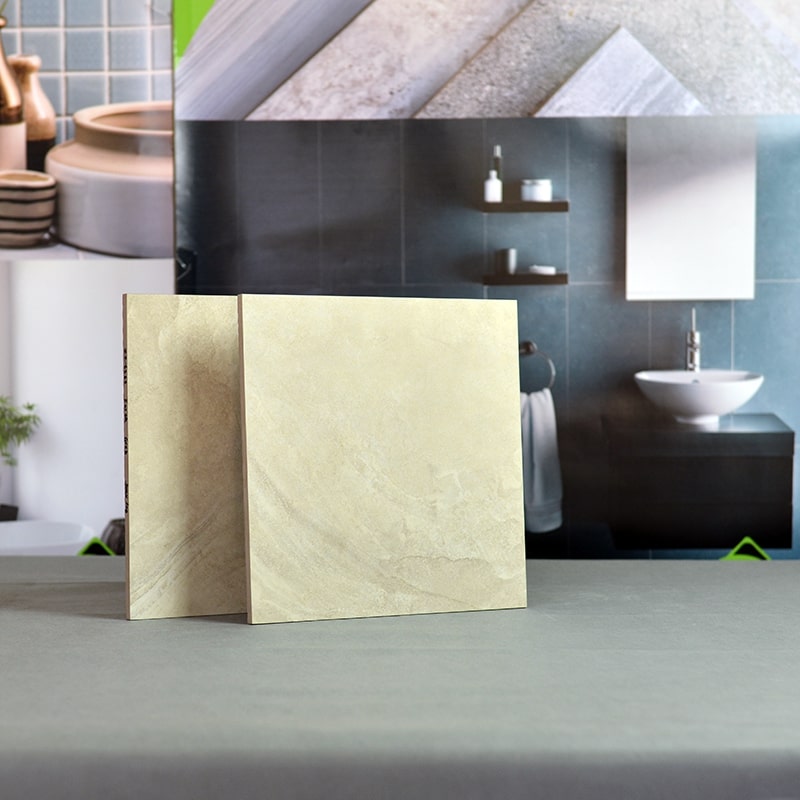
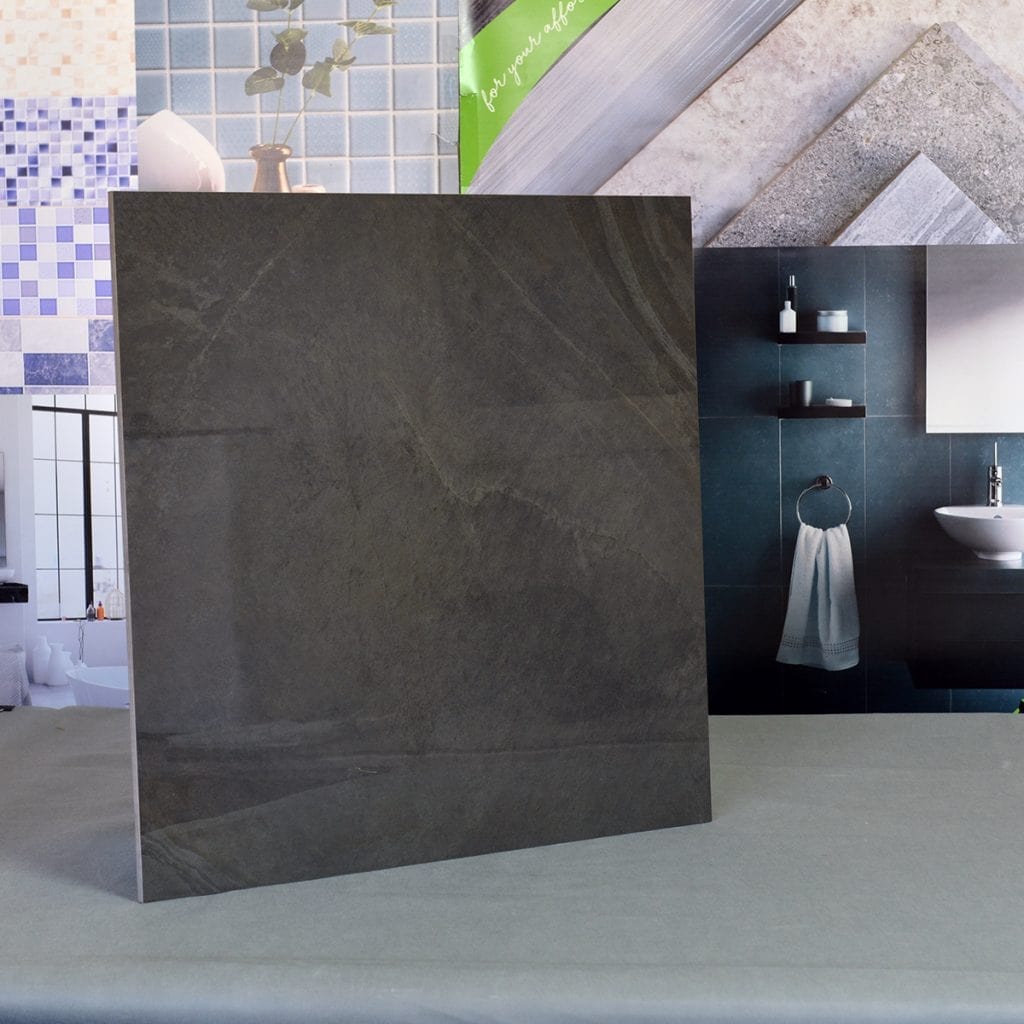
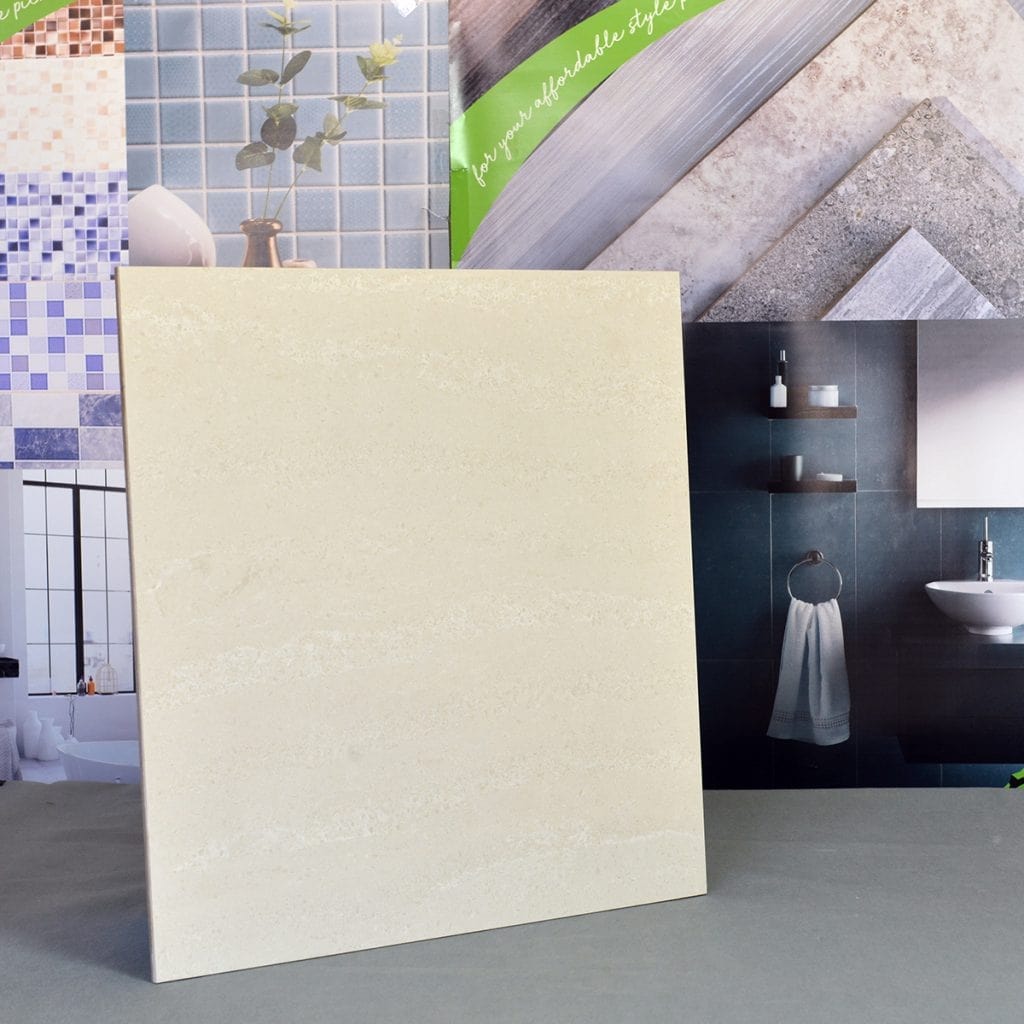
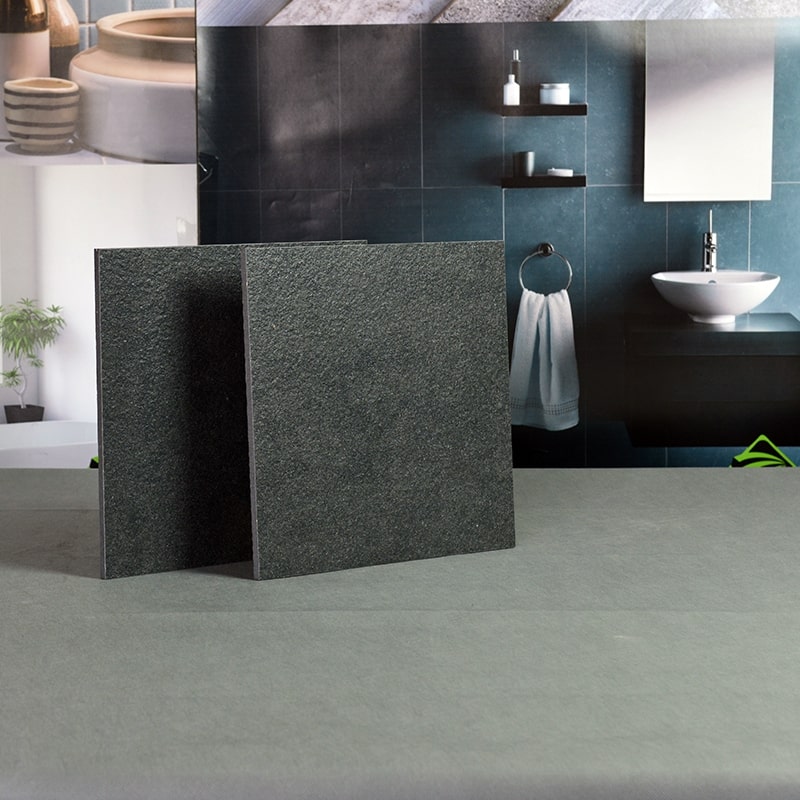
Selecting light, neutral tones is the safest option for small bathroom tiles Adelaide renovators choose, as they reflect light rather than absorb it. Whites, soft greys and warm beiges all work well, especially with little natural light. Darker tiles look striking in photos, but in a genuinely small room they make walls feel closer together. If you want a darker tone, use it on one feature wall to keep the benefit without the cramped feeling.
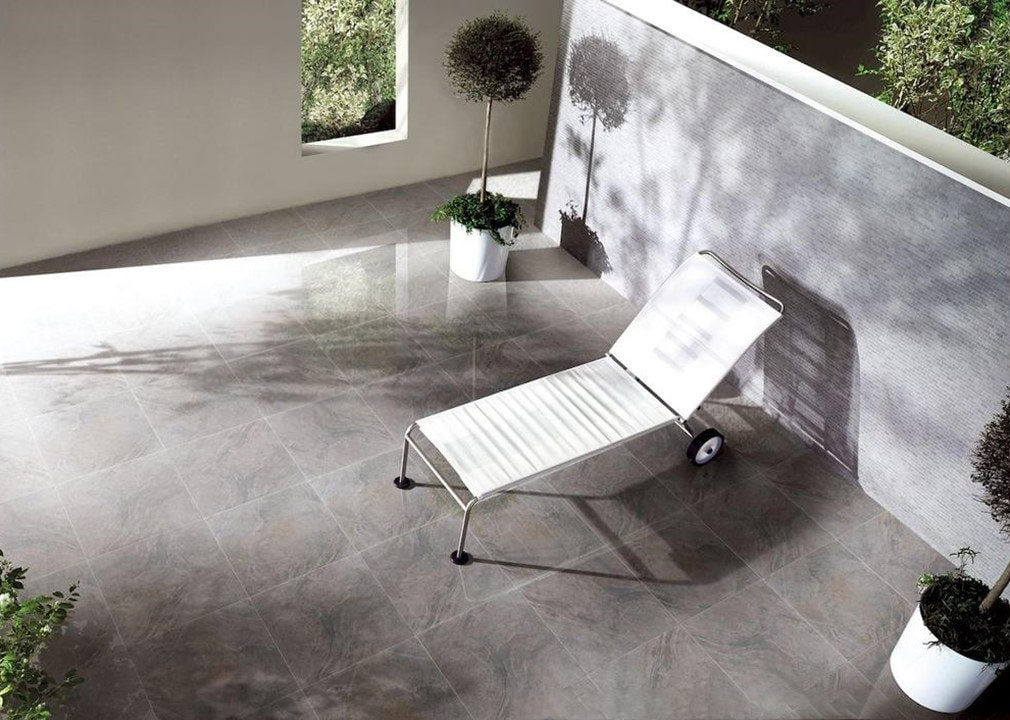
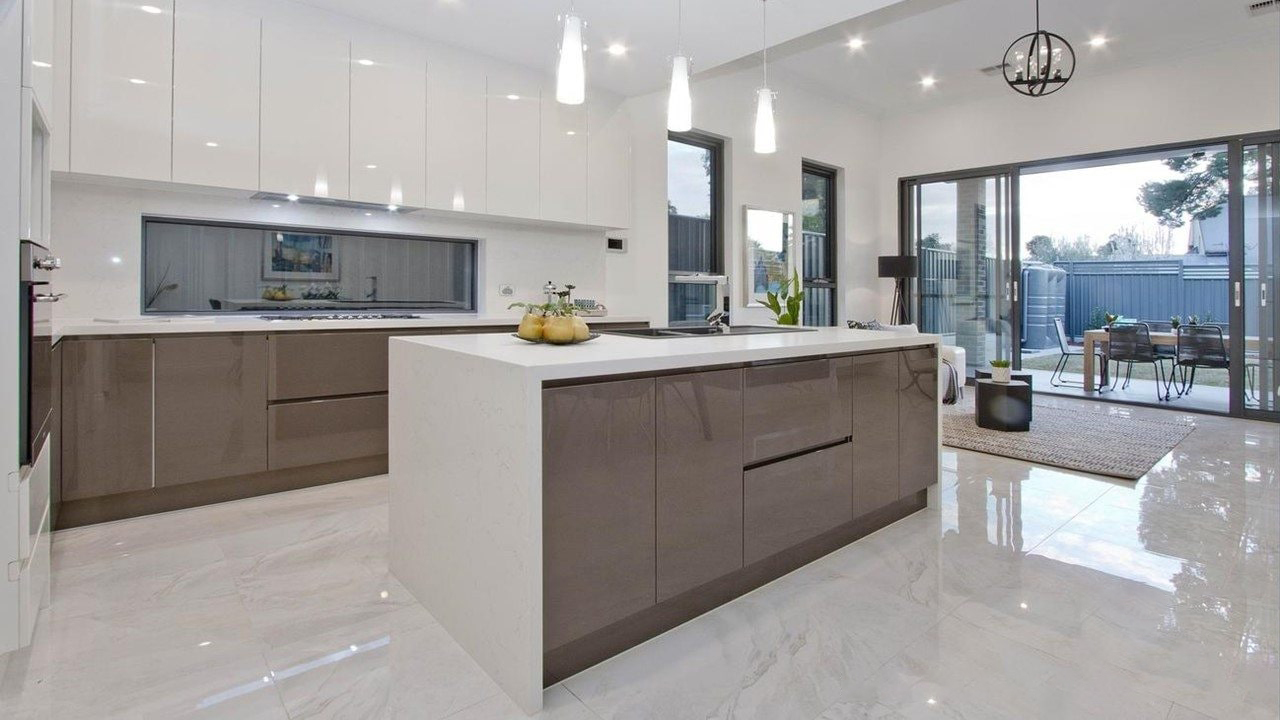
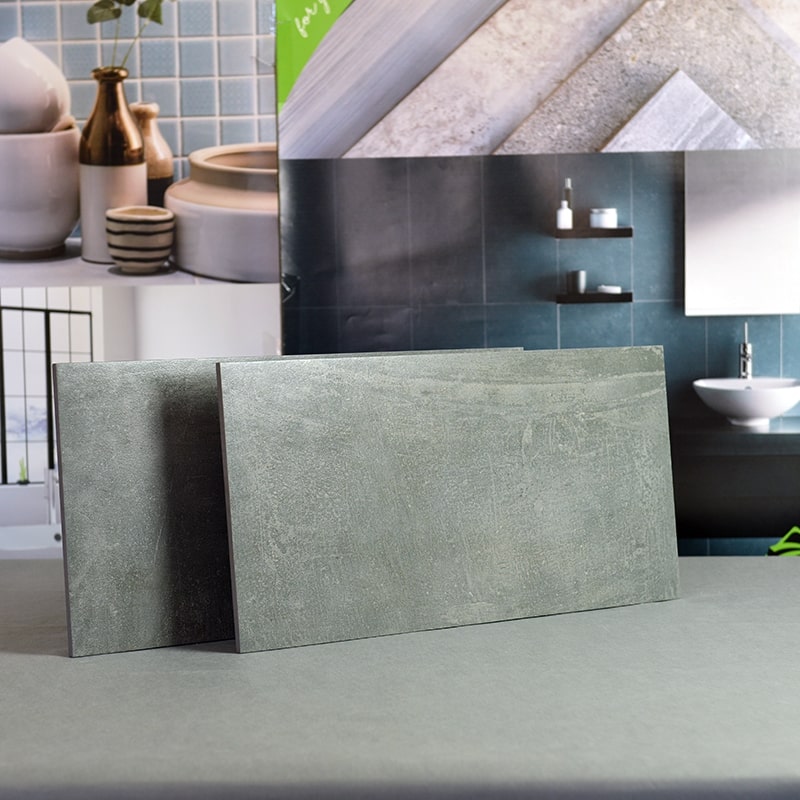
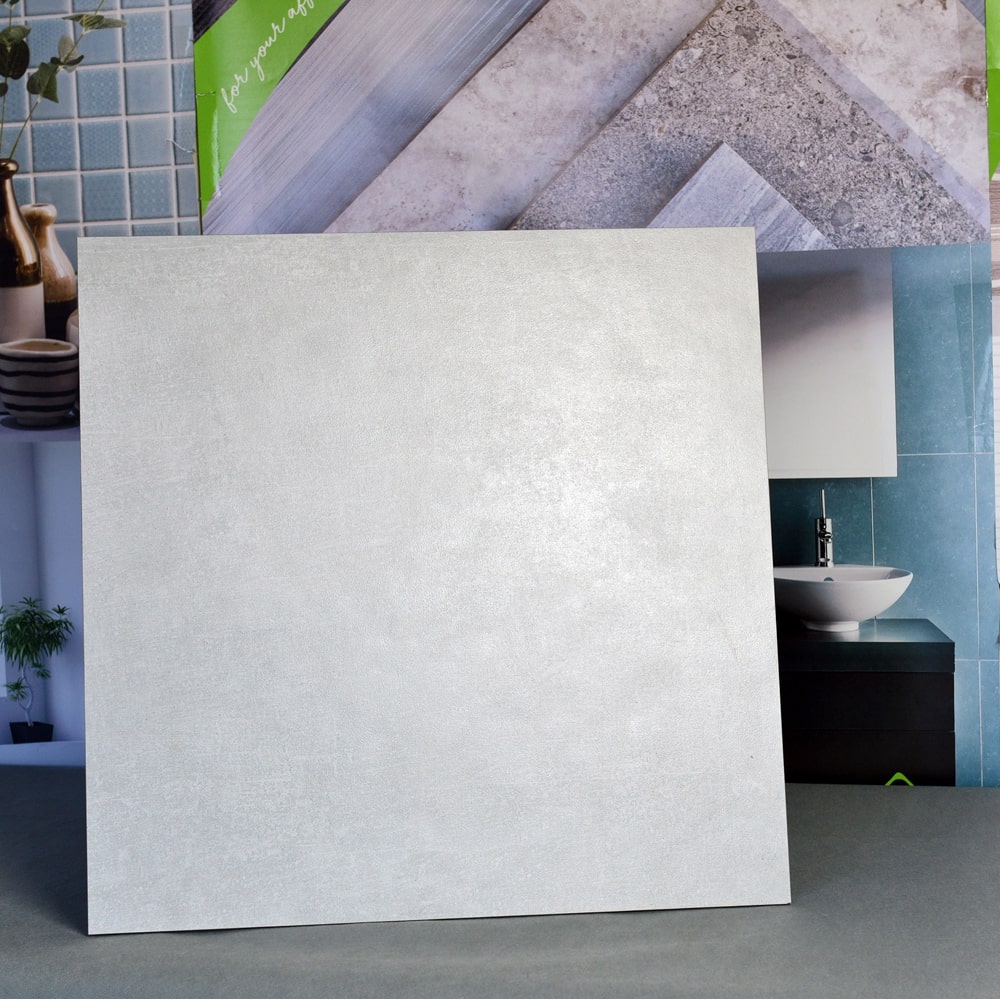
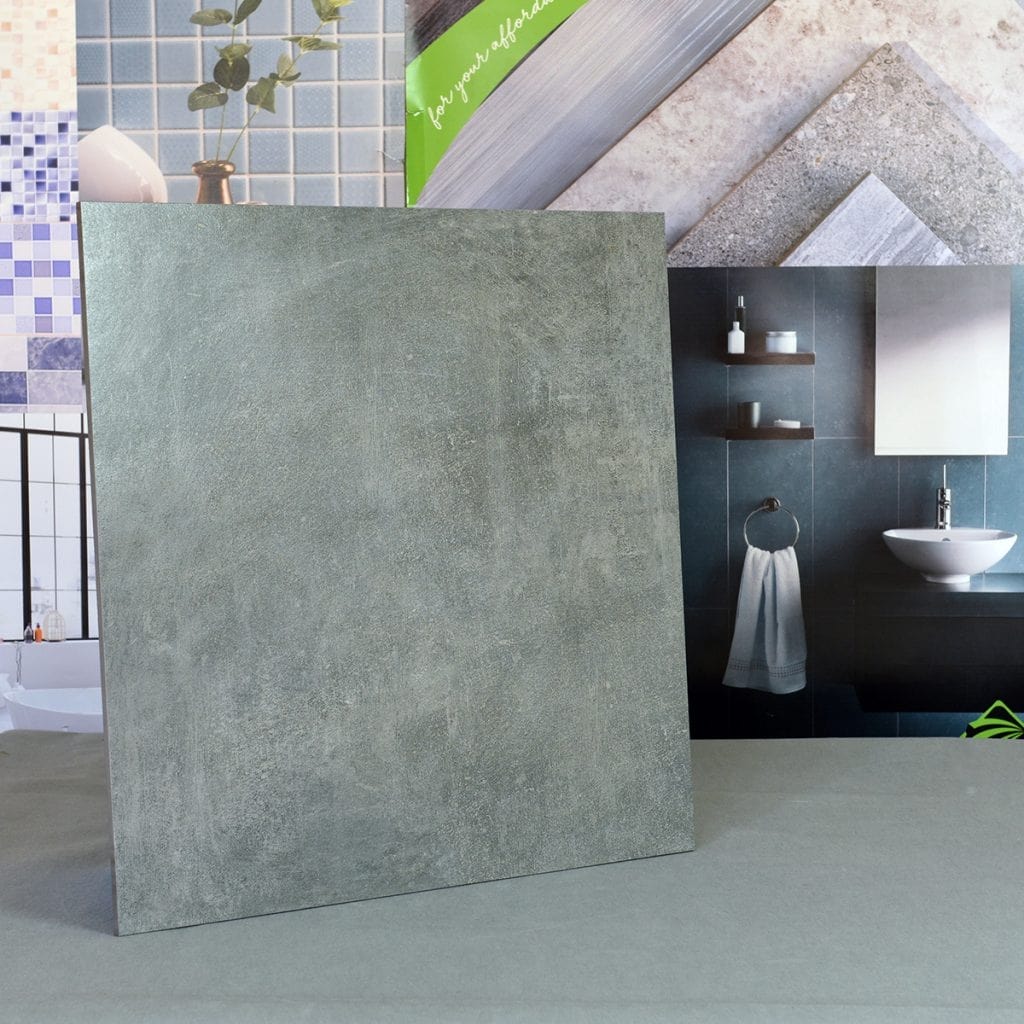
Grey remains one of the most requested tile colours for Adelaide bathrooms, and for good reason. It suits almost any fixture colour and hides everyday water spots better than pure white does. We've written before about why grey remains a popular neutral choice for Adelaide bathrooms and living areas. Finish matters too: a glossy or semi-gloss surface bounces more light than a heavily textured matte tile.
Because there's less room to move around in smaller bathrooms, slip resistance becomes even more important on the floor and in the shower. In accordance with AS 4586, ensure bathroom floors have a minimum slip rating of R10, and R11 for shower floors and sloped areas. A textured matte tile generally fares better here than a highly polished gloss finish. Never judge a tile's grip by how it looks. Always ask your supplier for the tile's slip rating.
The way a tile is laid can be just as important as the tile. Using the same tile as the floor in an open or semi-frameless shower eliminates a visual break that can make the room feel chopped up. The vertical stack-bond pattern on the walls draws the eye up, creating the illusion of a taller, boxy room. You could also use diagonal floor patterns, but the method involves more offcuts and cutting.
Grout colour is easy to overlook, but it can affect how busy a small room appears. Matching grout to the tile keeps the surface visually quiet, while contrasting grout emphasises every line and edge. Whatever colour you choose, it needs regular care to keep grout looking new over time, especially in humid, poorly ventilated bathrooms that are common in older Adelaide units. Such maintenance is helpful in tight, moist areas. Seal the grout when it is installed, then reseal it every year or two.
Go through the basics before deciding on your final tile, rather than choosing based on colour alone. Here's a quick checklist for selecting small bathroom tiles Adelaide suppliers recommend for compact renovations.
Because there are fewer grout lines and the floor and walls appear as a single continuous surface, large-format tiles measuring 600 x 600 mm or larger work best in small bathrooms.
Dark tiles can make a compact bathroom feel more enclosed, particularly with limited natural light, so they're best kept to a single feature wall.
Using the same or a similar tile on the floor and lower walls removes visual breaks and helps a small bathroom feel larger and more cohesive.
Under AS 4586, bathroom floors typically require a minimum R10 slip rating, while shower floors and sloped areas generally require an R11 rating.
Mosaic tiles work well as accents in shower niches or feature strips, but covering a whole small bathroom in mosaic can feel busier and smaller.
Although there isn't a set rule, larger tiles with fewer joins are typically safer for small spaces because more grout lines from smaller tiles create visual clutter.
Indeed, the bathroom and laundry share a similar footprint in many small apartments, so utilising a single tile for both spaces streamlines the design and reduces waste.
There are a few principles to bear in mind when choosing tiles for a small bathroom or compact unit: go larger rather than smaller, stay light rather than dark and weigh slip rating as much as looks. Laying pattern and finish are important, but they rarely matter as much as size and colour. It's not about spending more money; it's about selecting the right size and finish for the room you have.
If you're still deciding between options, browsing completed small bathroom projects is more useful than product photos alone, since it shows how tiles read at full scale. Take your shortlist home, check it out in your own lighting and give it a day or two before you make a decision. Getting the size and colour right will make a small bathroom feel genuinely larger, not just newer.