Ask most people where they start when renovating a bathroom, and the answer is usually the same. They talk about tapware. They obsess over the vanity, too. They spend hours comparing matte-black fittings to brushed-nickel fittings. It's understandable — fixtures are visible, tactile, and easy to shop for.
But it's the wrong starting point.
When you choose fixtures first, you're making design decisions in the wrong order. You're picking the detail before you've established the foundation. The result is often a bathroom that feels assembled rather than designed — one where everything technically matches but nothing quite coheres.
But the right tile choice really affects long-term performance and maintenance ease, which is a common concern for homeowners in Adelaide. Tiles set the mood, create the structure, and determine how well your bathroom can withstand daily use. This impact is important for homeowners in Adelaide considering tile options, as it can save you time and money down the track.
Think about what a tile actually does in a bathroom. It covers the floor. It lines the walls. It defines the shower recess. In most bathrooms, tiles account for the vast majority of visible surface area — and that is what the eye reads first.
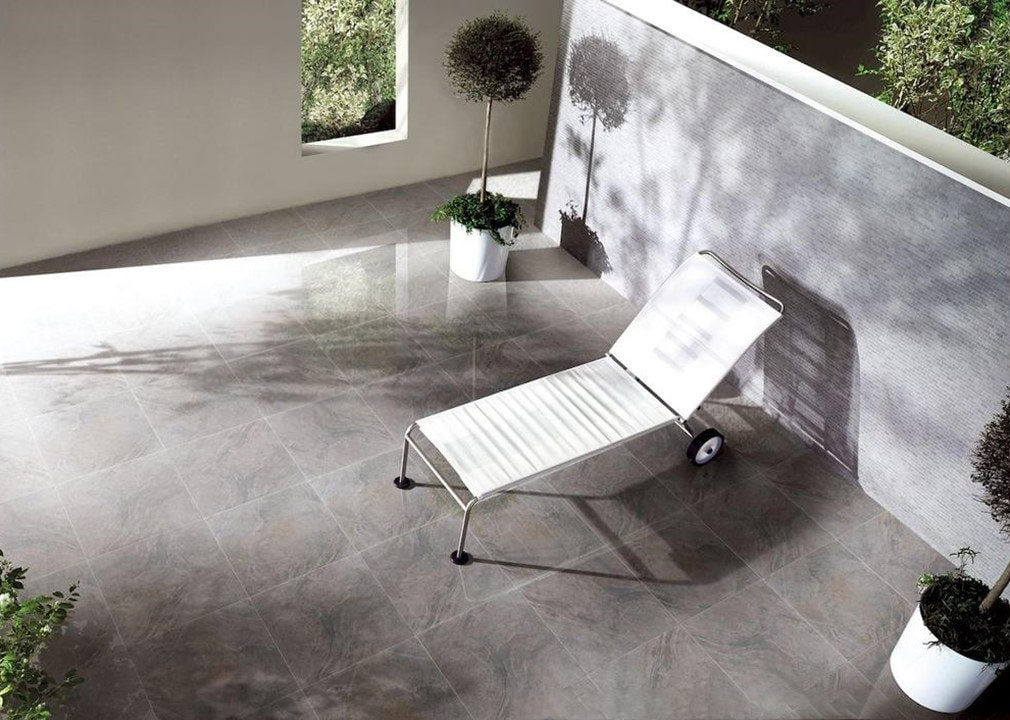
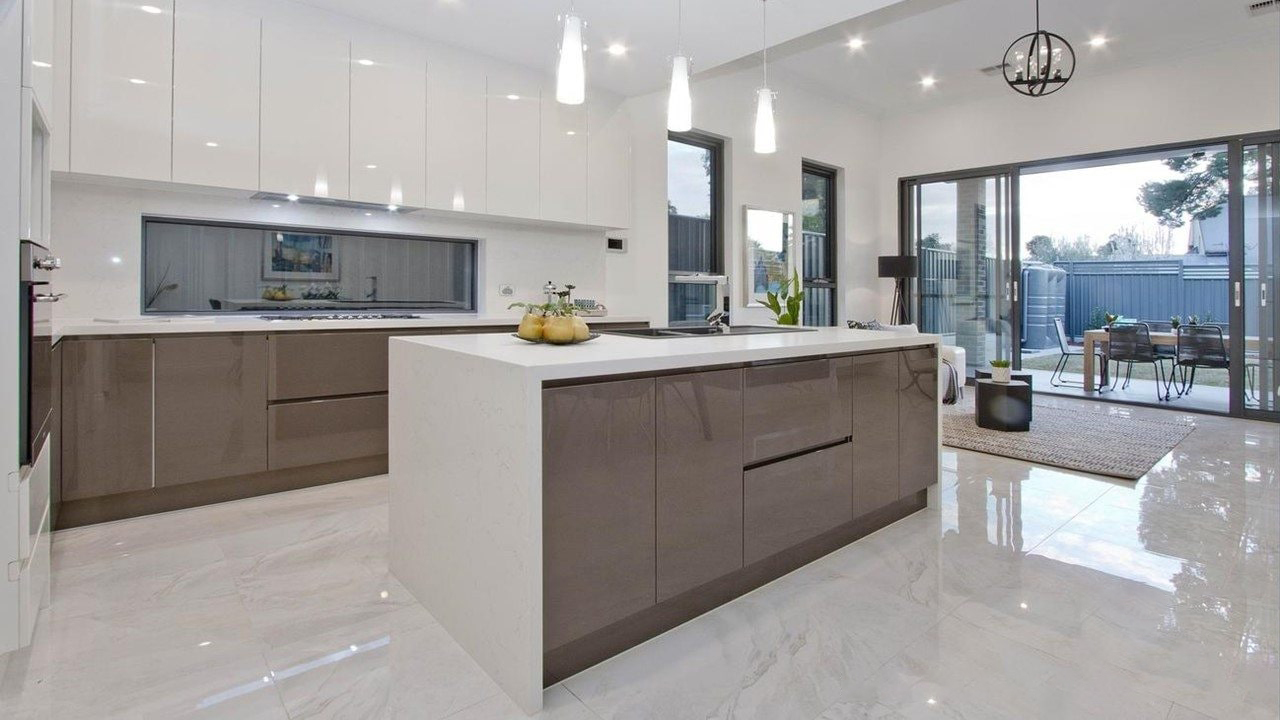
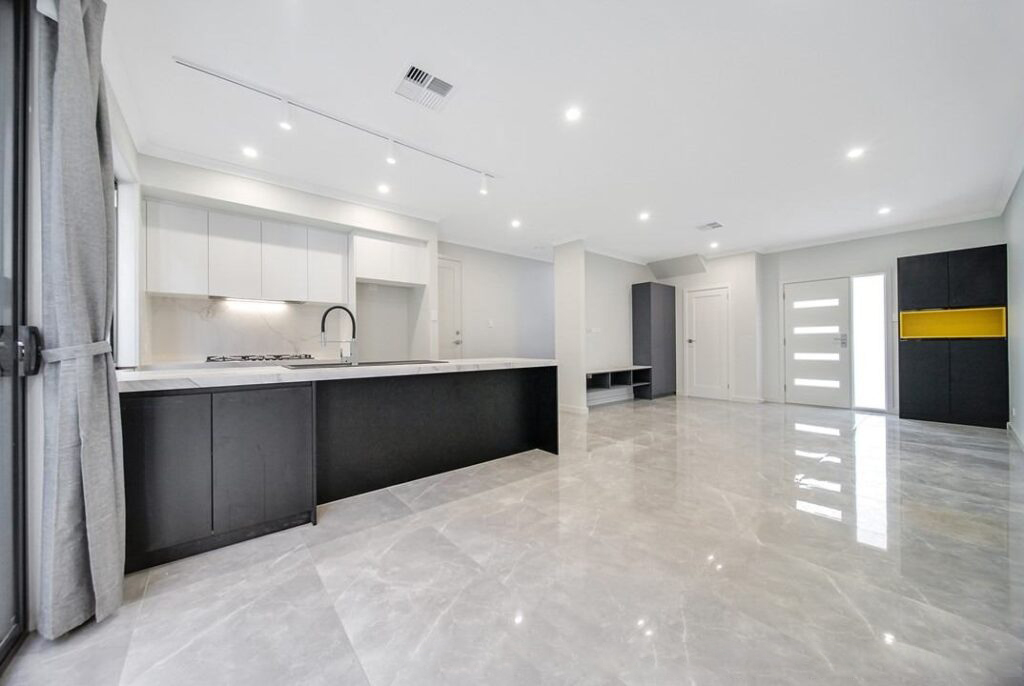
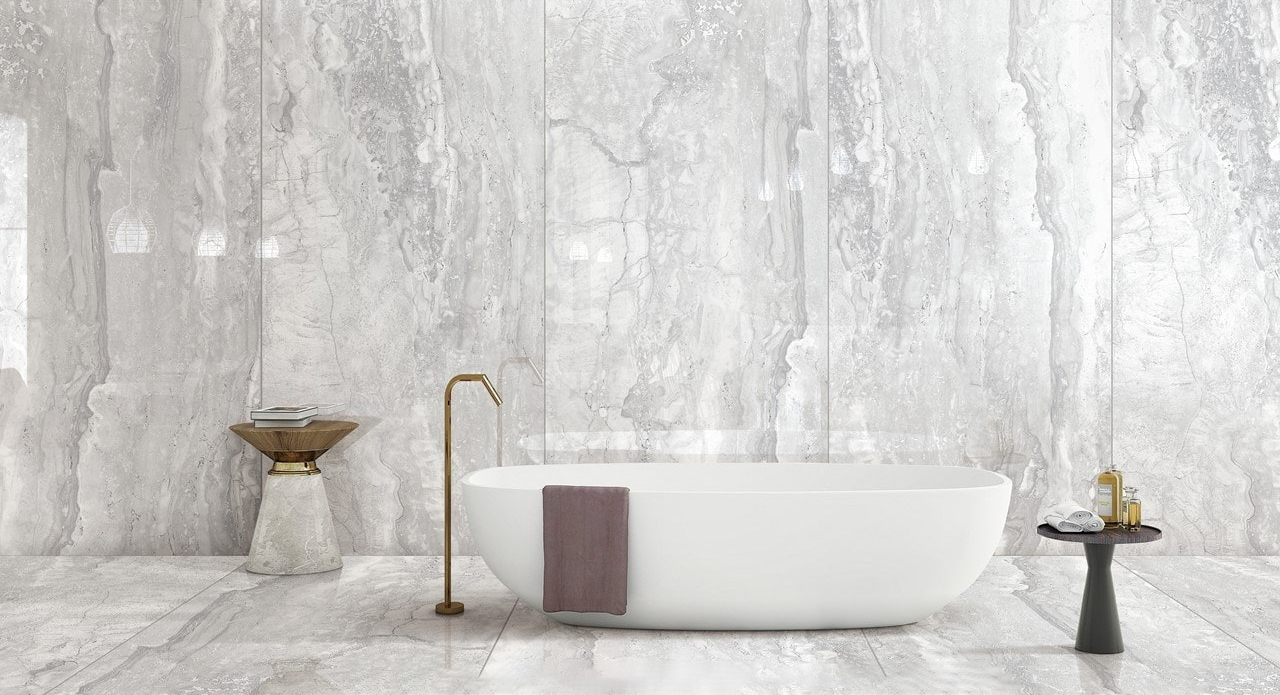
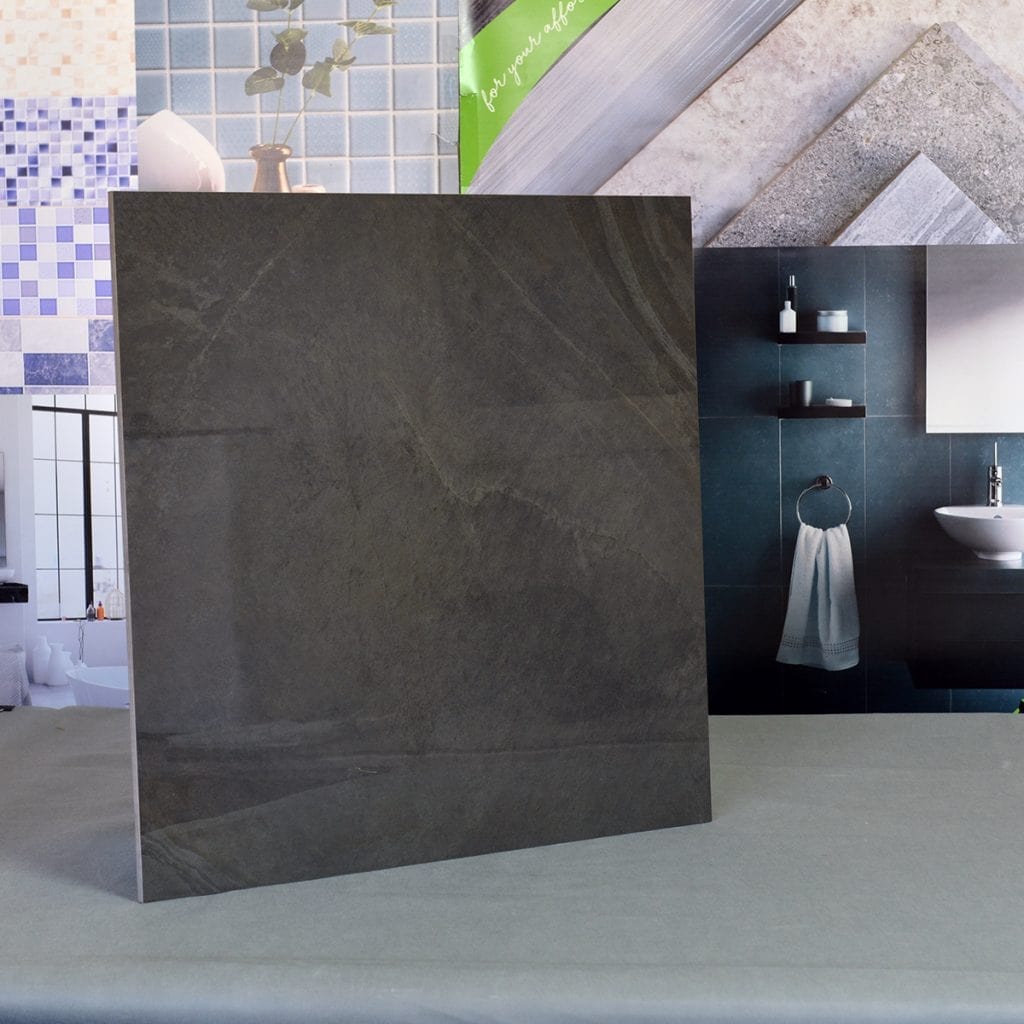
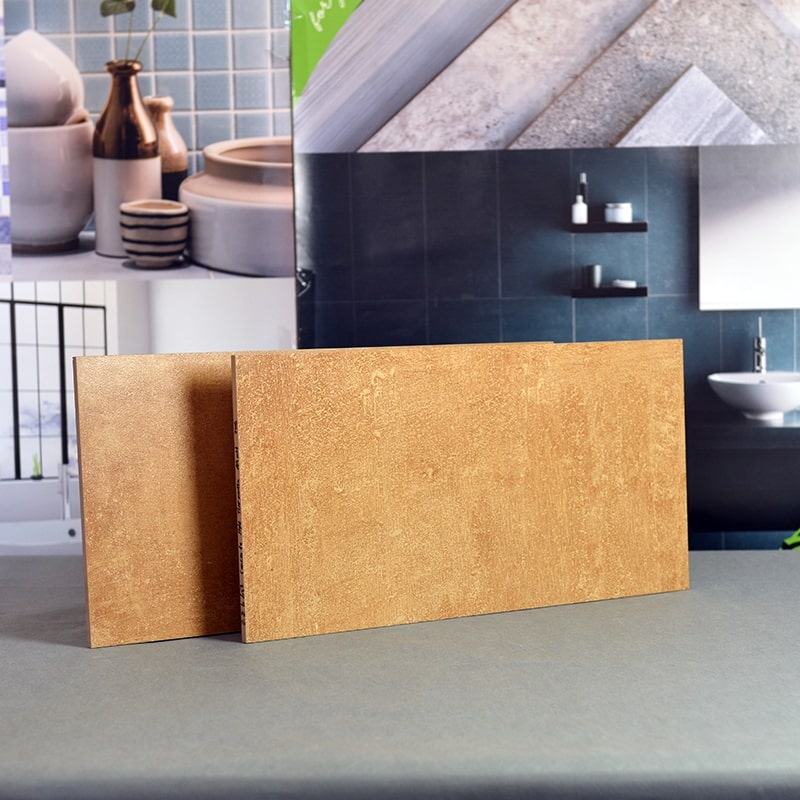
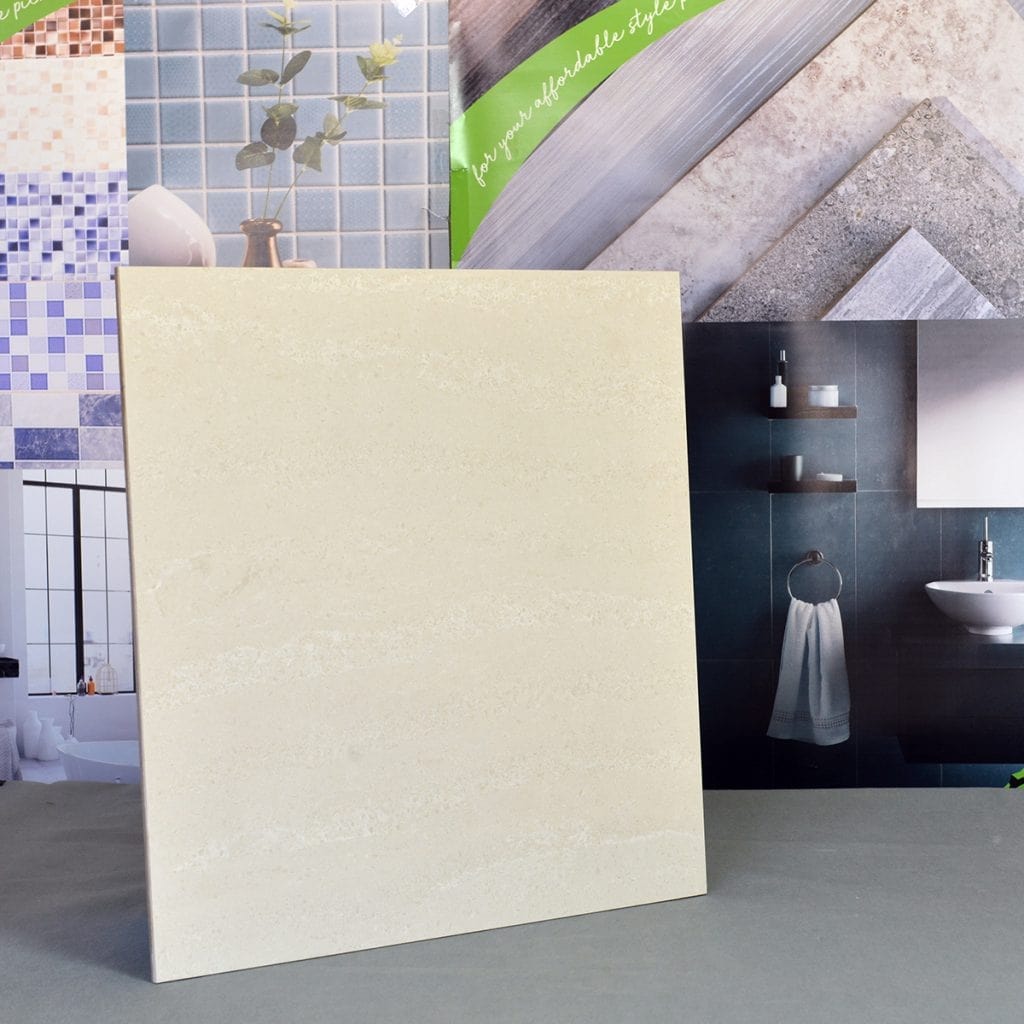
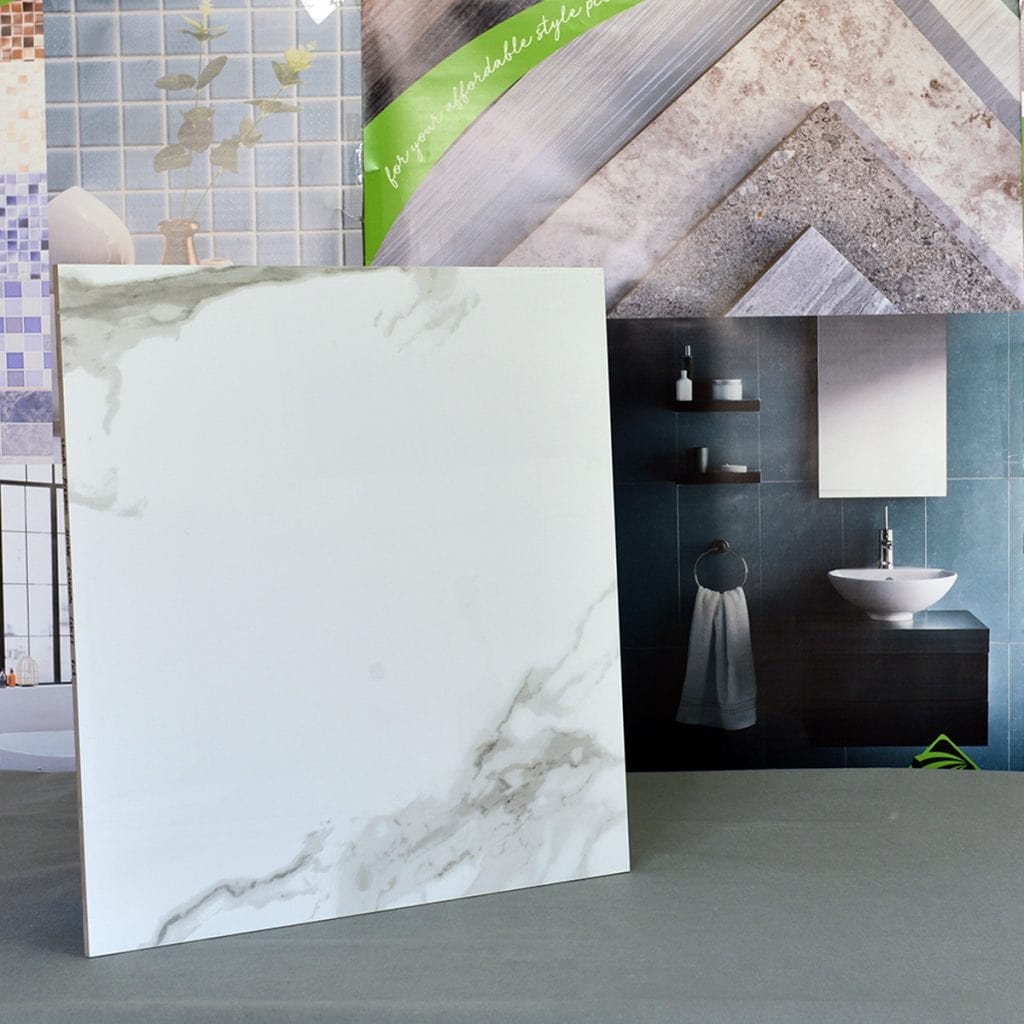
A cool-toned, large-format marble-look tile creates a very different atmosphere from a warm terracotta with a textured finish. One feels sleek and minimal. The other feels grounded and organic. Neither is better in isolation, but both make a clear statement about what the space wants to be.
Fixtures don’t make that statement. They back it up. The right tapware helps solidify the marble-look bathroom's feel. But the wrong tapware spoils it. Either way, the tiles are the main feature.
This is the reframe that changes everything: tiles are not the backdrop. They are the decision. Once you've made it, everything else falls into place — or it doesn't.
Interior designers have been aware of this principle for decades. The choice of tile sets the mood of a room in a way that no fixture can, but it also needs to be practical. Colour temperature, texture, scale, and finish are the variables that define how a bathroom feels at 6 a.m. and how it photographs in the sun at 2 p.m., influencing both its style and functionality.
Something to consider is scale. Large format tiles minimise visual clutter and grout lines. Smaller-mosaic formats provide details and rhythm. A full-height installation with decorative tile finishes on vertical surfaces creates a sense of volume and permanence that a painted surface cannot replicate.
And then of course, the other half is form. Tiles are literally the architecture of a bathroom. Structural design decisions, not decorative ones, include running a tile from floor to wall, directing grout lines to lead the eye across a surface, and anchoring a feature wall in a room.
Most DIY renovations are not cohesive. It’s all too common to get attached to the pieces and forget to check if they fit. Tiles have a lot of surface area, so natural cohesion tends to stick to them. Pick those out first, and the rest of the elements will come together, and you’ll have a bathroom where everything feels like it belongs.
Browsing tiles designed for modern bathrooms with this lens – asking not just, 'Do I like this tile? But what does this tile allow the rest of the room to become? It can make the renovation feel more inspiring and engaging for homeowners, sparking excitement about the design possibilities.
By choosing the right tiles early on, homeowners can be sure their bathroom will be safe, functional and built to last – especially in wet or outdoor areas where performance is crucial – making their renovation choices easier and allowing them to focus on more than just design.
These aren’t footnotes. These are first-order decisions that homeowners must make before anything else.
Often, when homeowners pick fixtures before tiles, you have to fit performance into whatever is left in the budget. This process is how you end up with bathrooms that have pretty tapware but tiles that are already discolouring the grout by year two.
Picking tiles first means performance can focus where it needs to. That also means the budget conversation is in the proper order — tiles first, then fixtures calibrated to what’s left, not vice versa.
For example, many homeowners choose porcelain tiles for bathroom floors because they are durable and absorb very little water, making them a highly suitable option for wet areas. In addition, factors such as slip resistance, surface texture, ease of cleaning, and area can affect long-term performance. Getting these practical requirements in early will help make sure the finished bathroom looks good and works well for years to come.
Whether it’s a renovation project in South Australia, exploring quality tile options across different formats, finishes, and performance ratings serves as the practical starting point for any serious renovation.
None of this is to say fixtures don't matter. They do. But their role is to complement and refine, not to lead.
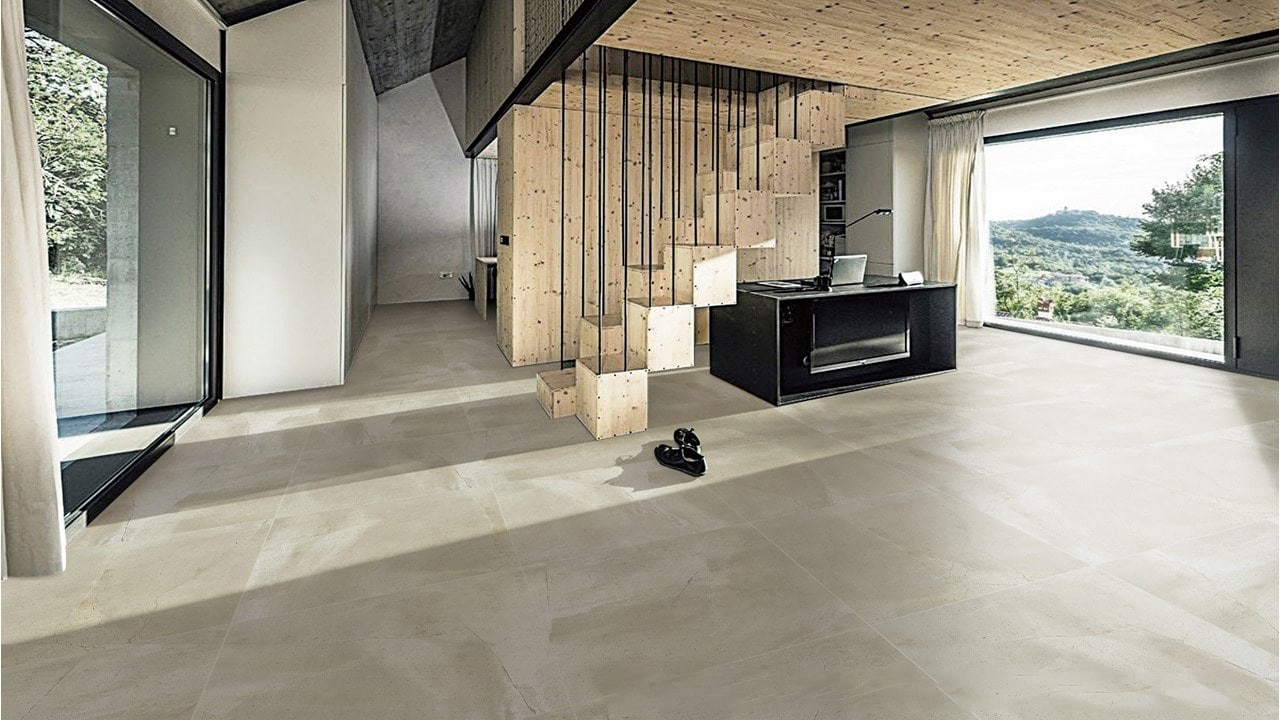
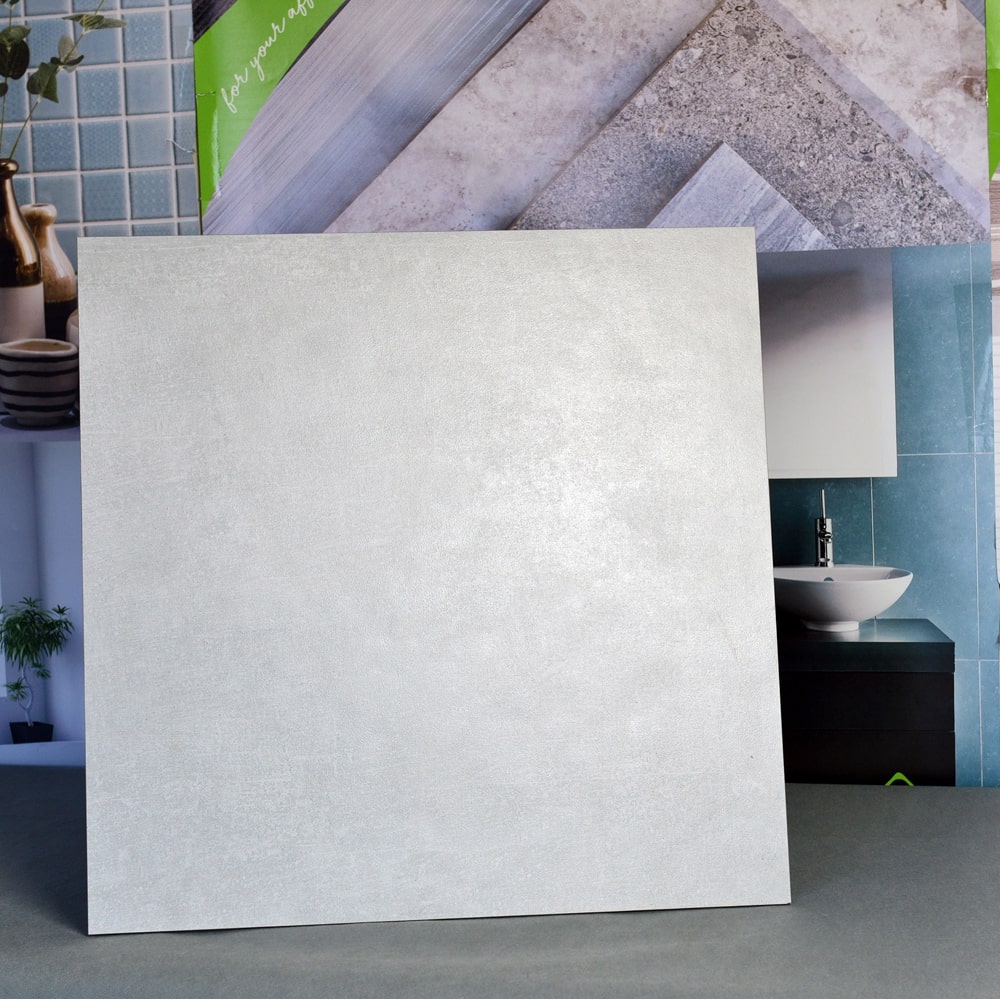
A matte black tapware set will read very differently against a warm stone-look tile than against a cool grey concrete-look tile. The same fixture in both bathrooms produces two entirely different outcomes — because the tile sets the context.
Fixtures are also easier to swap out. Tiles are not. A bathroom renovation should make its most permanent decisions first, and tile is far more permanent than tapware. Building the design around elements that are difficult to change is simply good renovation logic.
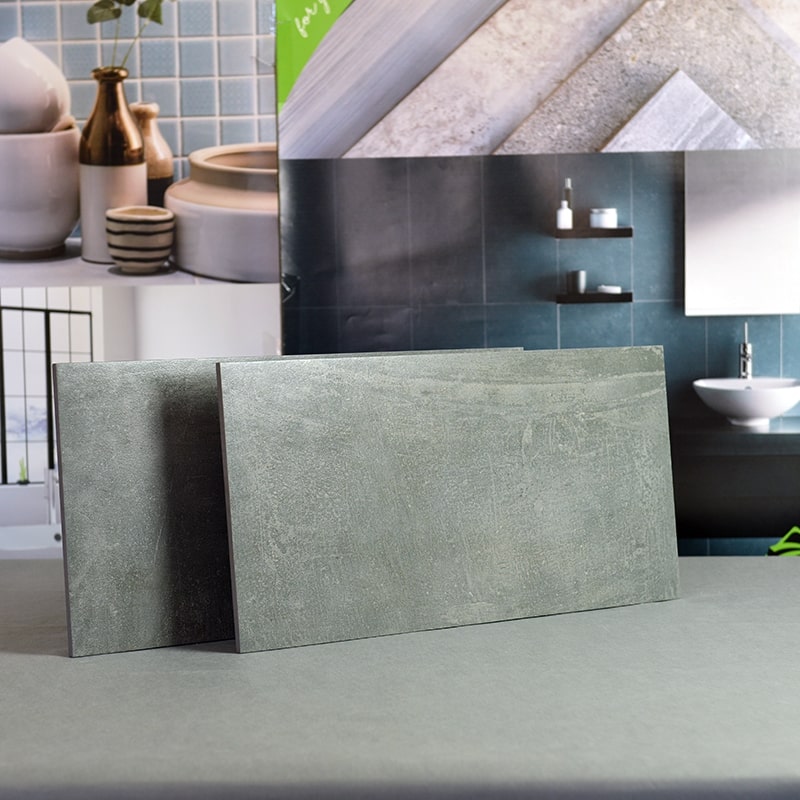
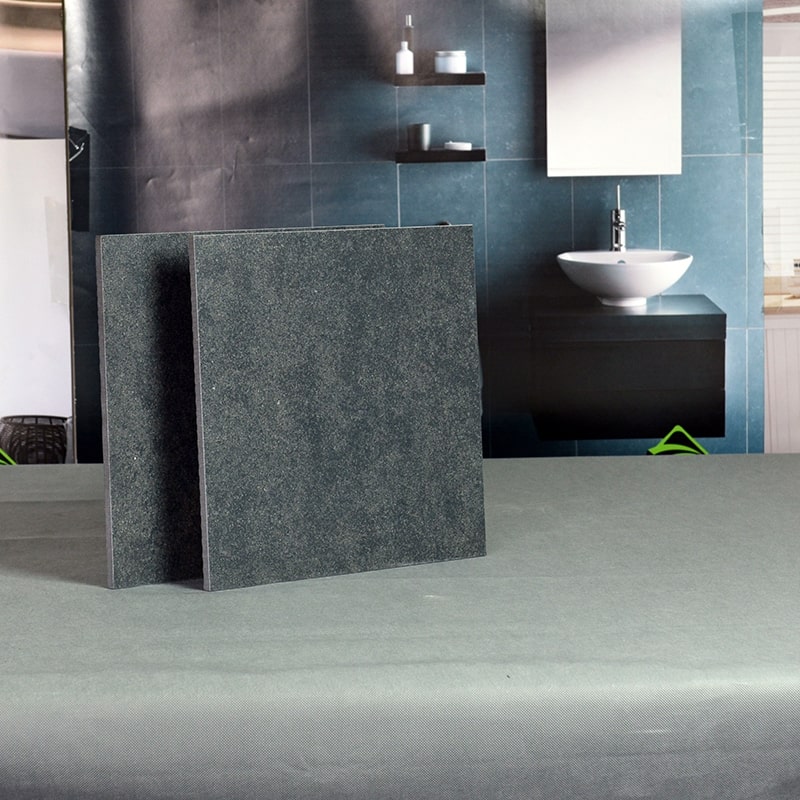
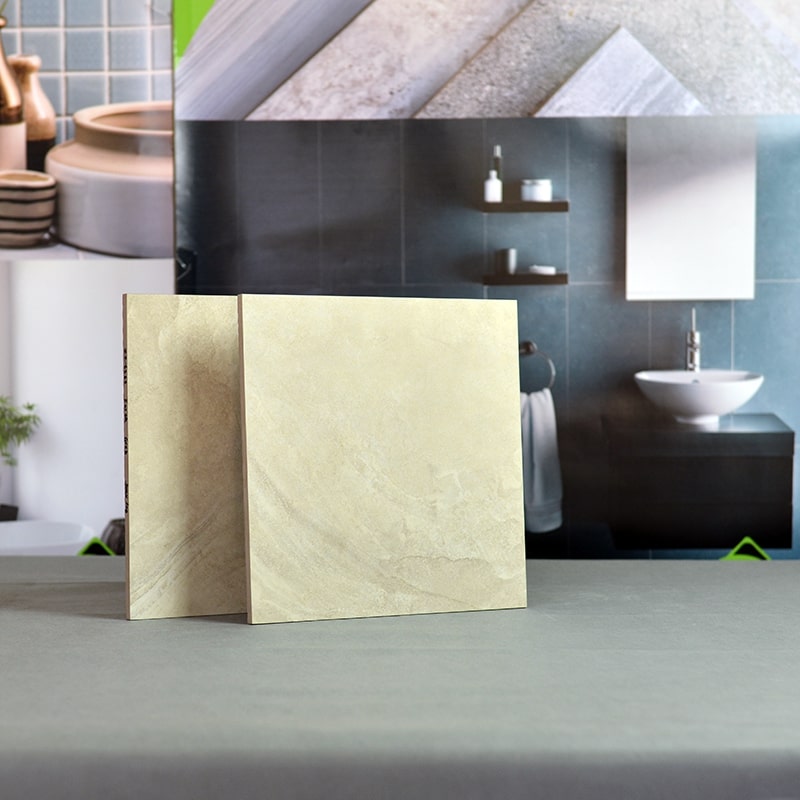
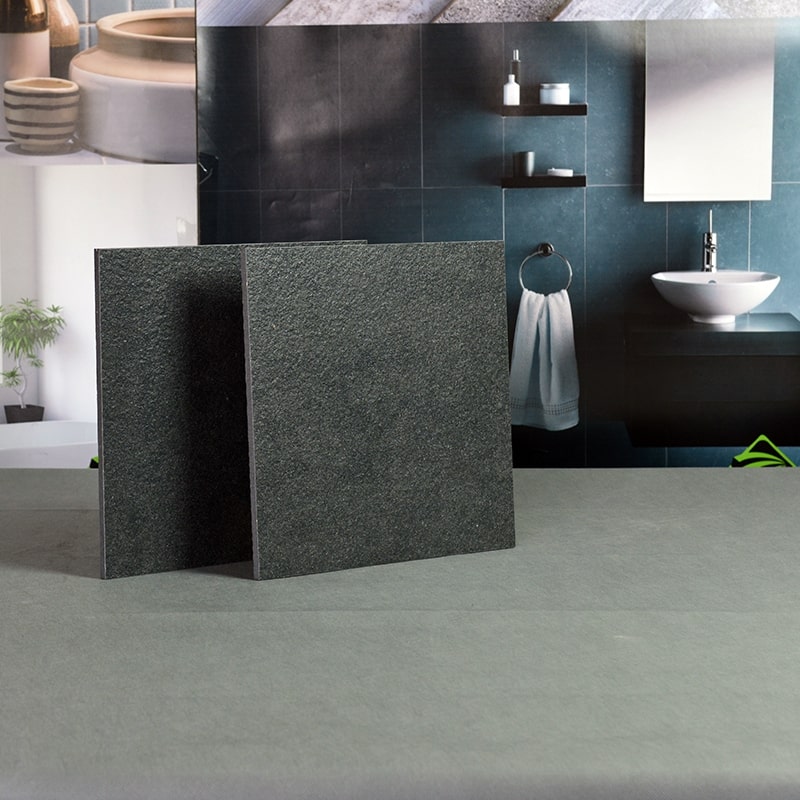
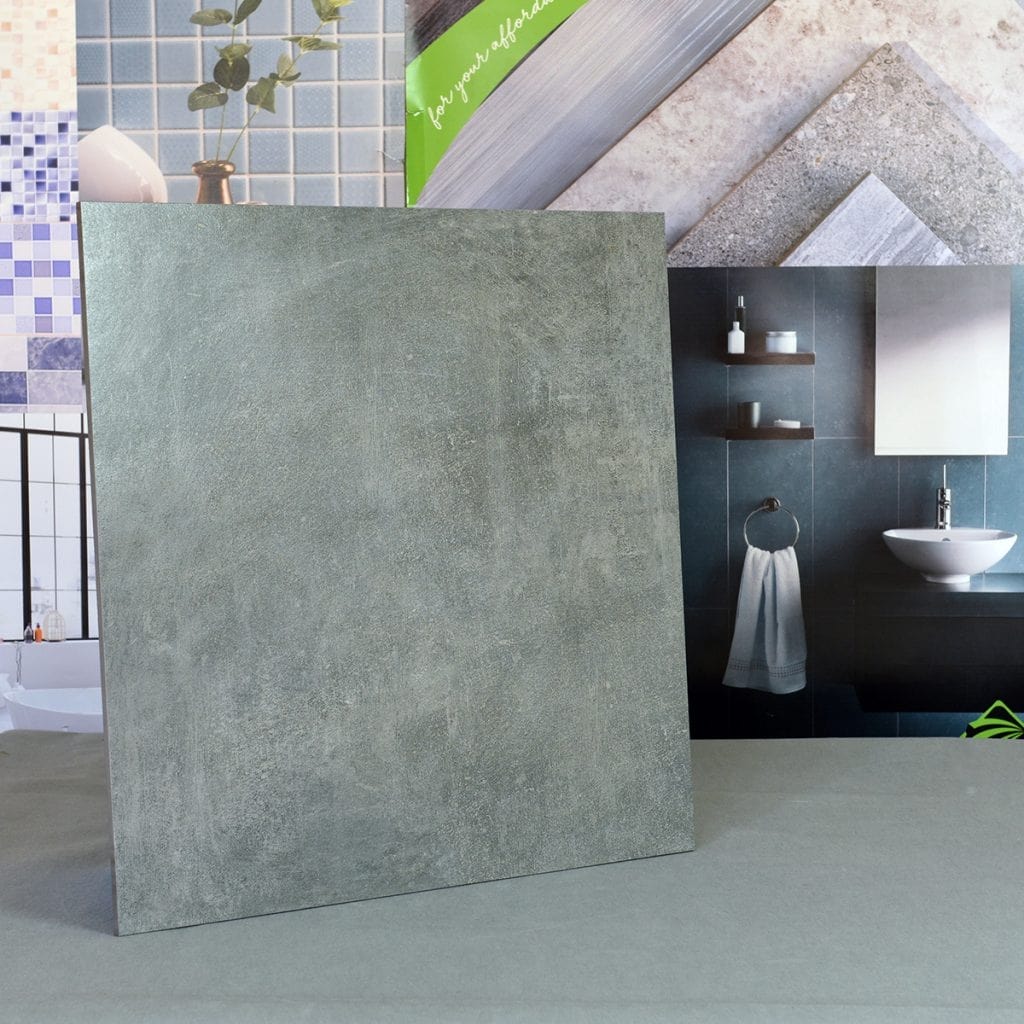
This is also where seeing full-size tile displays in person becomes invaluable. It helps you understand how they will look across entire surfaces, not just as samples. Many tiles reveal subtle variations in texture, pattern and colour that are difficult to appreciate from a small sample alone, which is why viewing them in a showroom setting is such an important part of the decision-making process.
Visualising your options in context builds confidence and makes your foundational decision easier and more certain.
The practical advice is simple: before you open a tapware catalogue next time you renovate a bathroom, walk into a tile showroom. Set the tone you want with your tile choice, considering the scale, finish, and performance requirements. Once you've selected the tile, you can confidently move on to choosing fixtures and other elements, knowing your foundation is solid.
Then — and only then — you can choose everything else.
Once the tile has been selected, decisions around vanity finishes, mirror styles and tapware colours become significantly easier because the room already has a visual direction.
You're no longer assembling a bathroom from disconnected parts. You're building around a lear foundation.
In practice, homeowners often find that once they select the tile, decisions around vanity finishes, mirror styles, lighting and tapware become significantly easier. The room already has a visual direction, making it easier to choose complementary materials and colours. Rather than assembling a collection of individual products, you're creating a bathroom where every element works together as part of a cohesive design.
It’s a small change in approach, but it makes bathrooms feel designed rather than decorated. And in a space you’ll be in every day for the next decade, that difference matters more than most people realise.
For those ready to start that process, exploring the full range of tiles Adelaide has to offer — from contemporary porcelain to natural stone and everything in between — is the right first step.
Modern bathroom design is not about trends. It is a question of the order of choice. The tiles set the mood, support the structure, provide continuity and carry the performance load. The rest were thrown overboard.
The next time someone tells you to start with a fixture, ask them a simple question: What are the tiles going to look like?
If they can't answer that yet, the renovation hasn't actually started.
Explore the complete tiles Adelaide range at Aurees Tiles, or visit the gallery to see how different tile choices come together across real spaces.