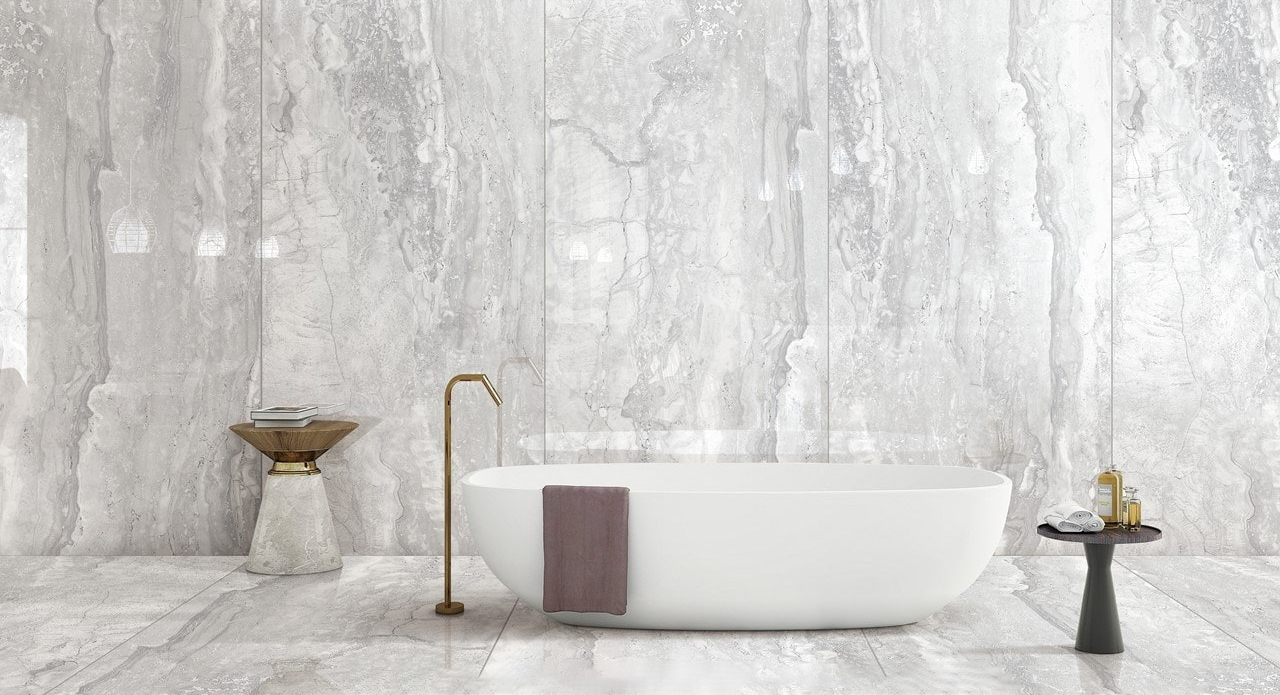
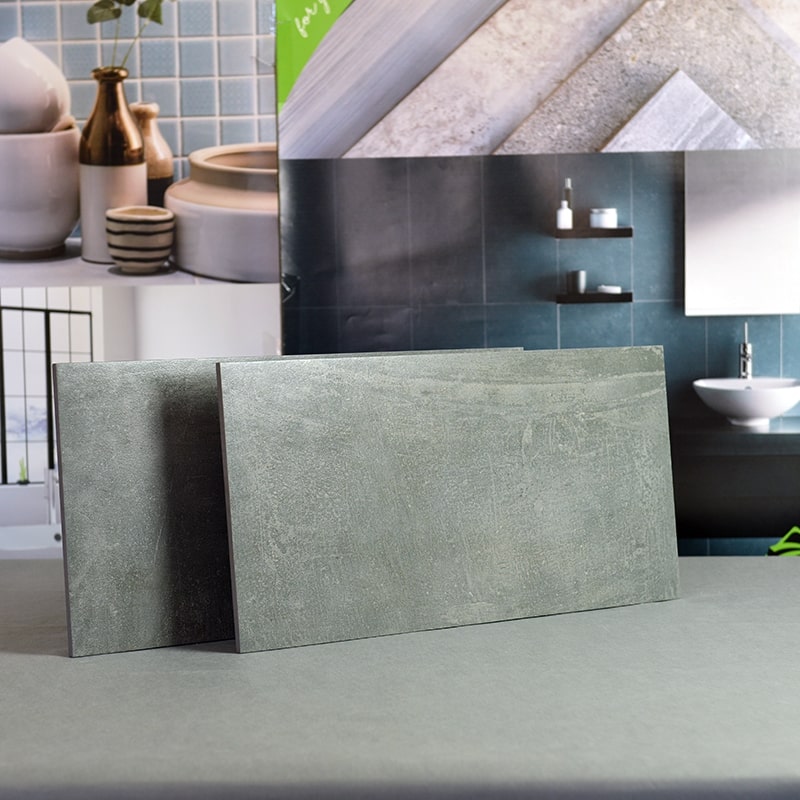
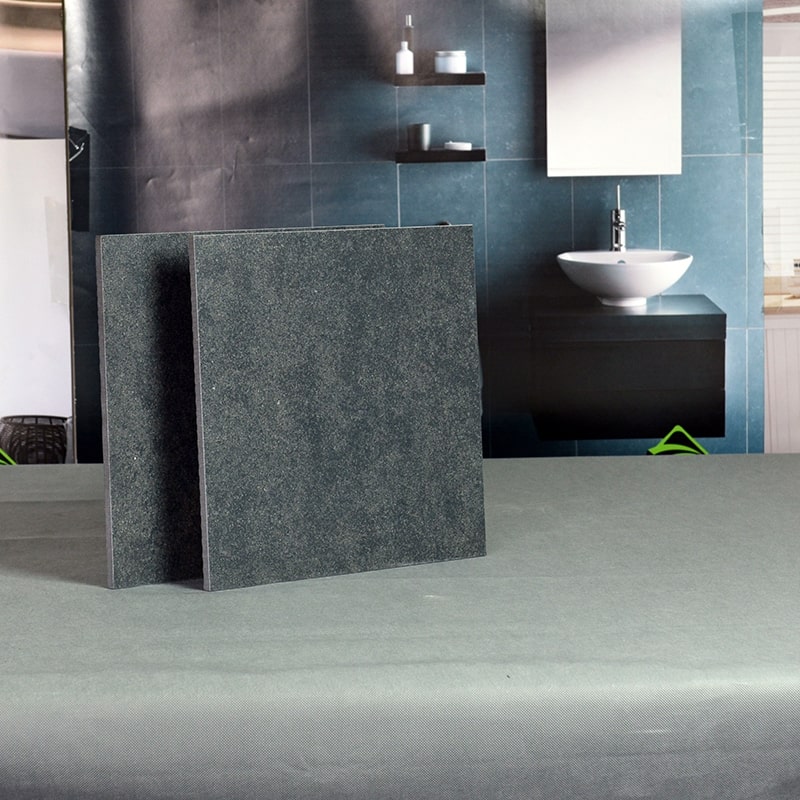
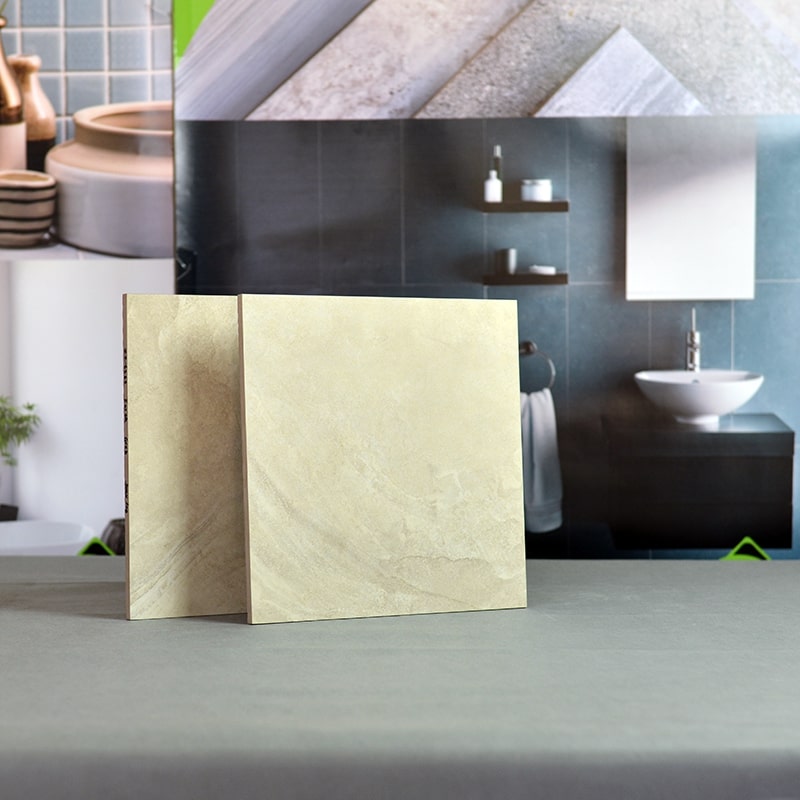
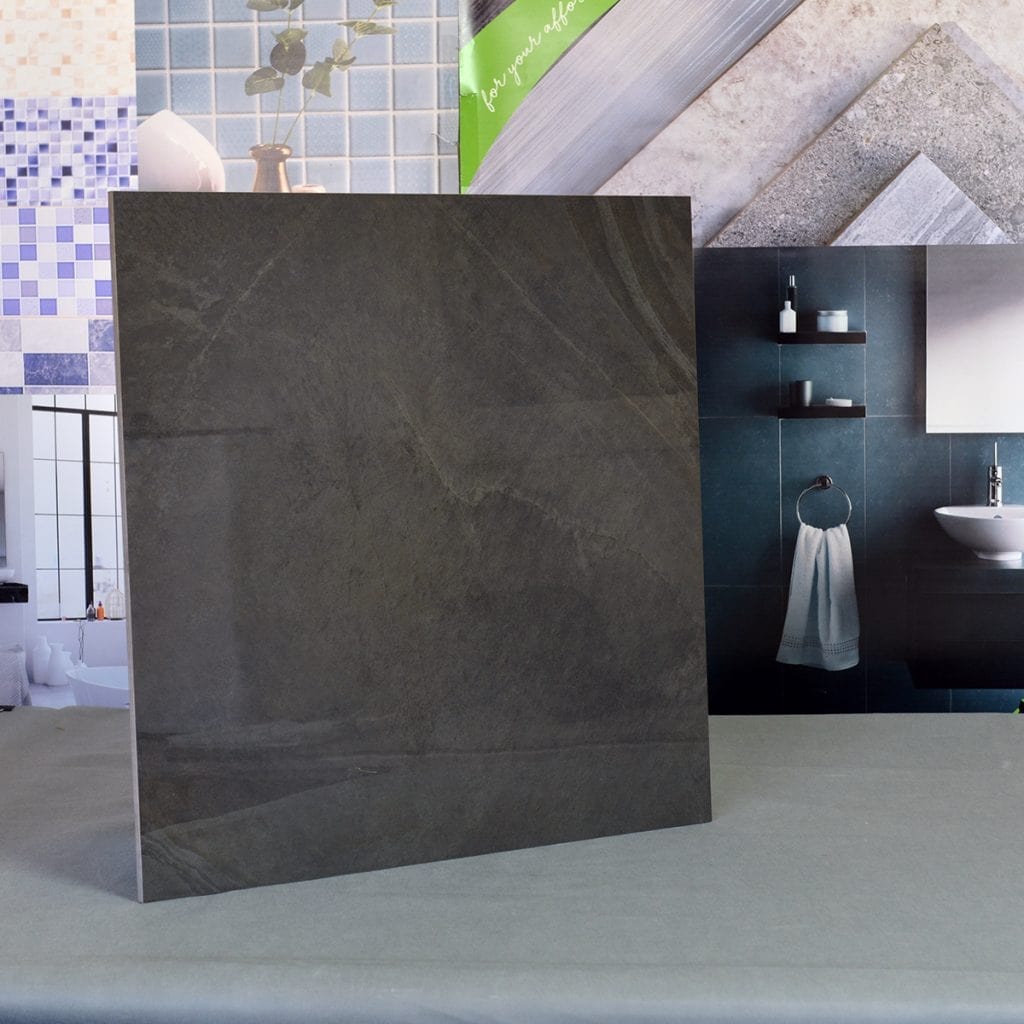
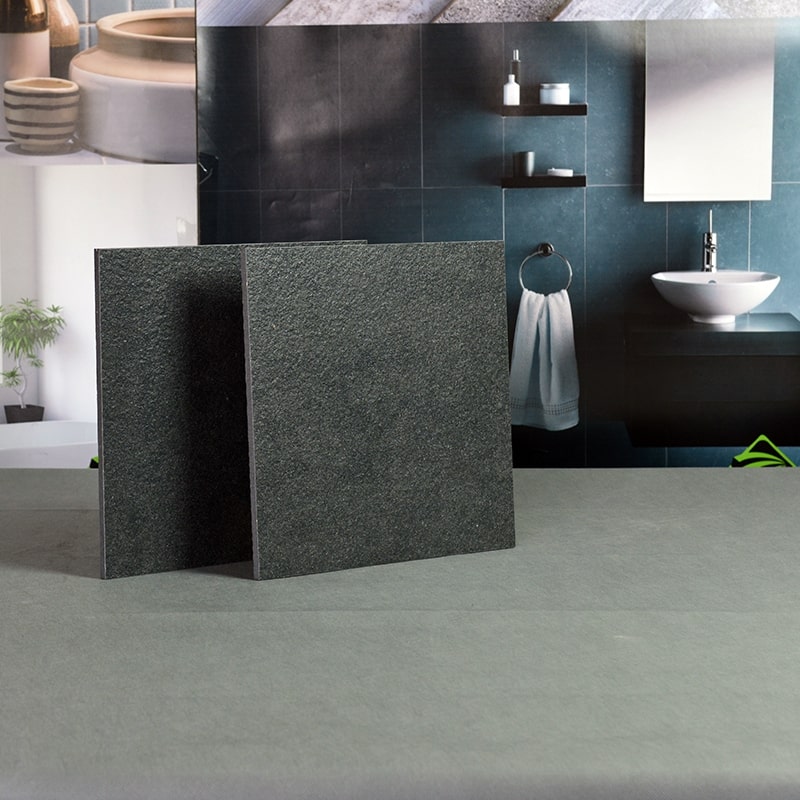
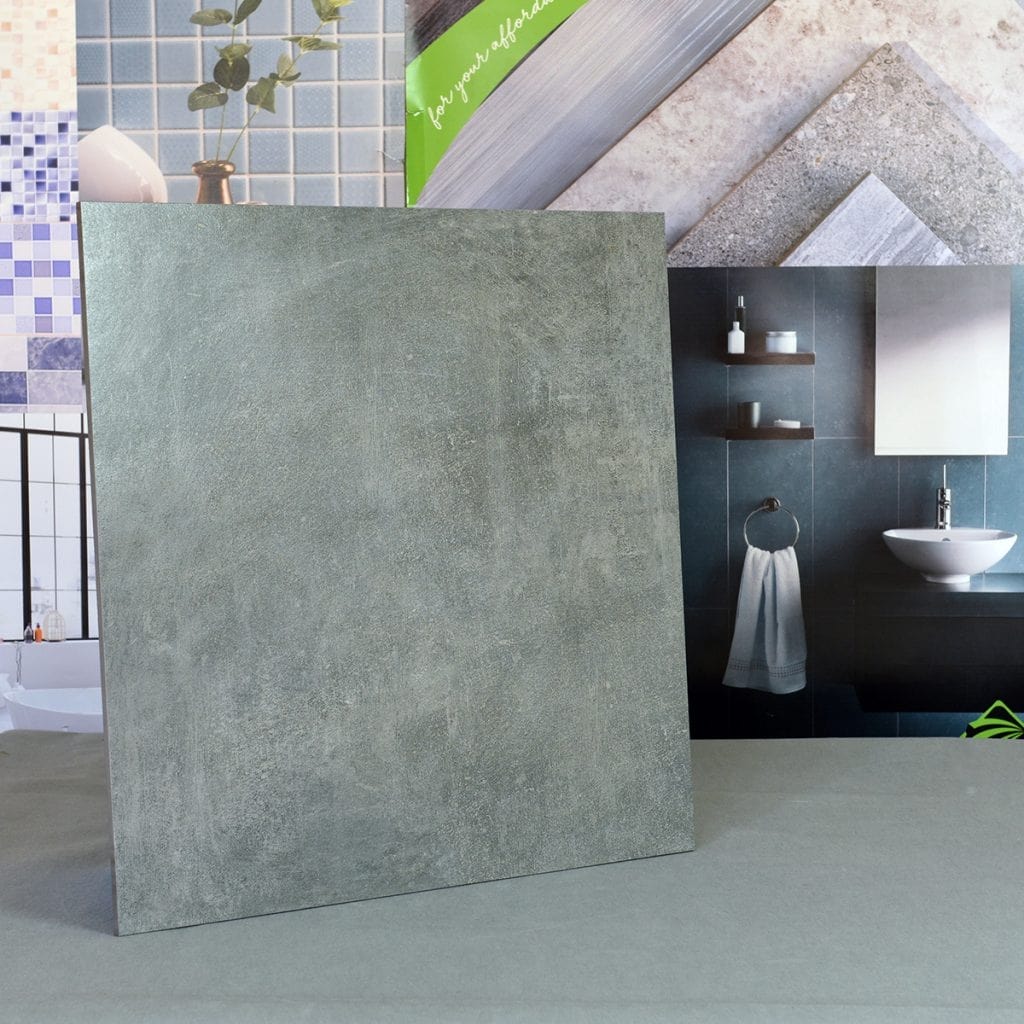
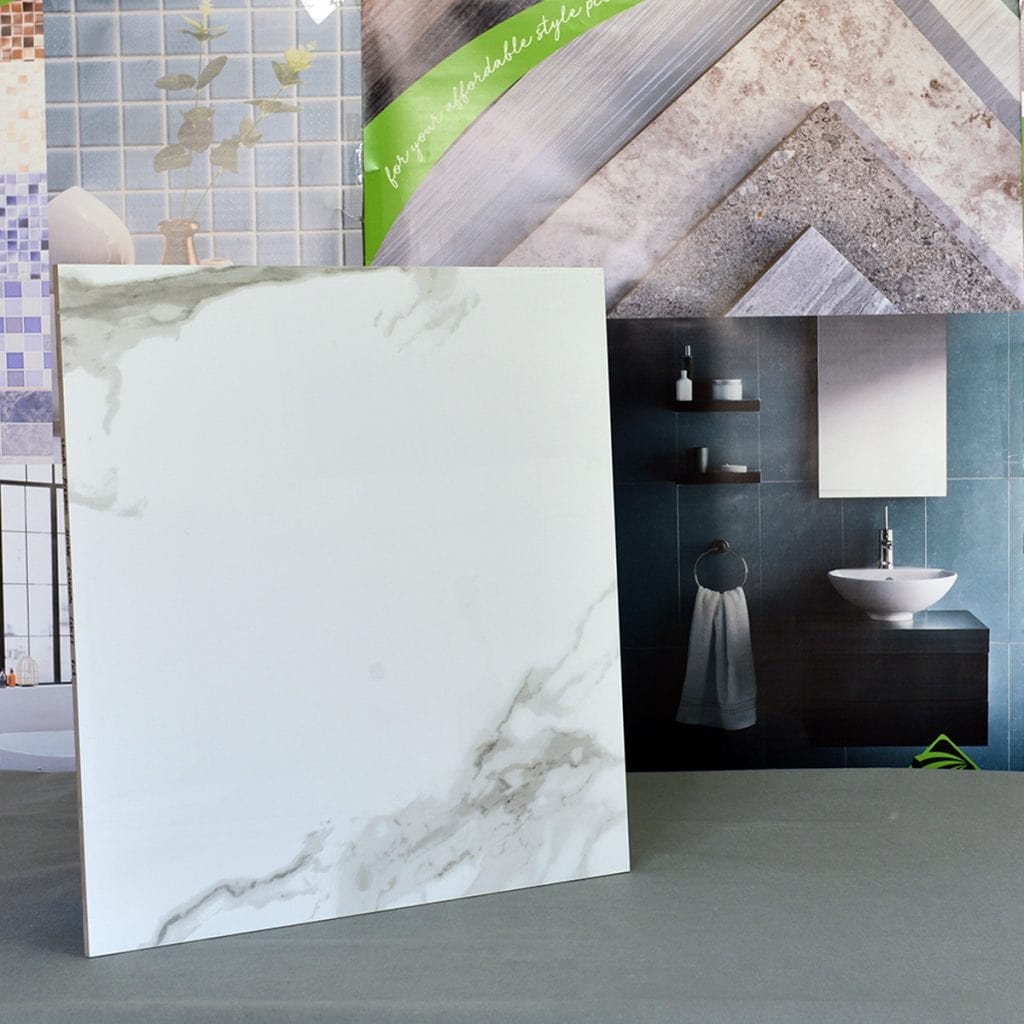
Black tiles Adelaide homeowners choose can create a striking, sophisticated look, but they are not equally practical in every room. Their appearance and maintenance needs depend on the tile finish, the amount of natural light, the room's purpose and how much day-to-day cleaning you are prepared to do.
In the right setting, black tiles can add depth and contrast without making a space feel overwhelming. In the wrong setting, however, dust, water spots, soap residue and light scuffs may become more noticeable than expected.
The key is to look beyond the colour alone. Matte finishes, suitable grout colours, good ventilation and regular cleaning can make black tiles much easier to live with.
Black tiles can work well in Adelaide homes, but they are generally less forgiving of dust, water spots and surface marks than many mid-tone or patterned tiles.
Matte or textured finishes are usually easier to maintain than polished black tiles because they reflect less light and can hide everyday marks more effectively.
Black tiles often work best as a splashback, feature wall, bathroom floor or smaller design feature. They can also be suitable for larger areas when the room has adequate lighting, and the finish matches the intended use.
Before choosing black tiles, consider the room, the amount of traffic, exposure to water and sunlight, and the level of maintenance you are comfortable with.
Black tiles create contrast.
They can give a room more visual weight and make lighter finishes stand out. This can be particularly effective when black is paired with timber, natural stone-look surfaces or lighter cabinetry.
A black splashback can provide a strong focal point in a kitchen. A dark bathroom floor can create contrast beneath lighter walls and fixtures. Smaller applications can also introduce a contemporary look without making the entire room feel dark.
The challenge is balance.
A room finished in dark tiles may feel more enclosed if it has limited natural light. Smaller spaces often benefit from using black on one surface rather than across every wall and floor.
The finish also matters.
A matte black tile can create a softer appearance, while a polished surface produces more reflection and visual contrast.
Yes. Dark, uniform surfaces can make certain marks easier to see.
Dust, soap residue, hard water spots and light scuffs may be more noticeable on black tiles than on mid-tone or patterned alternatives. This does not necessarily mean black tiles are difficult to clean. It means the surface can reveal different marks.
White tiles may highlight stains and discolouration.
Black tiles may highlight dust and water spots.
The finish can make a significant difference. Matte and textured surfaces usually reflect less light than polished finishes. As a result, everyday marks may be less noticeable.
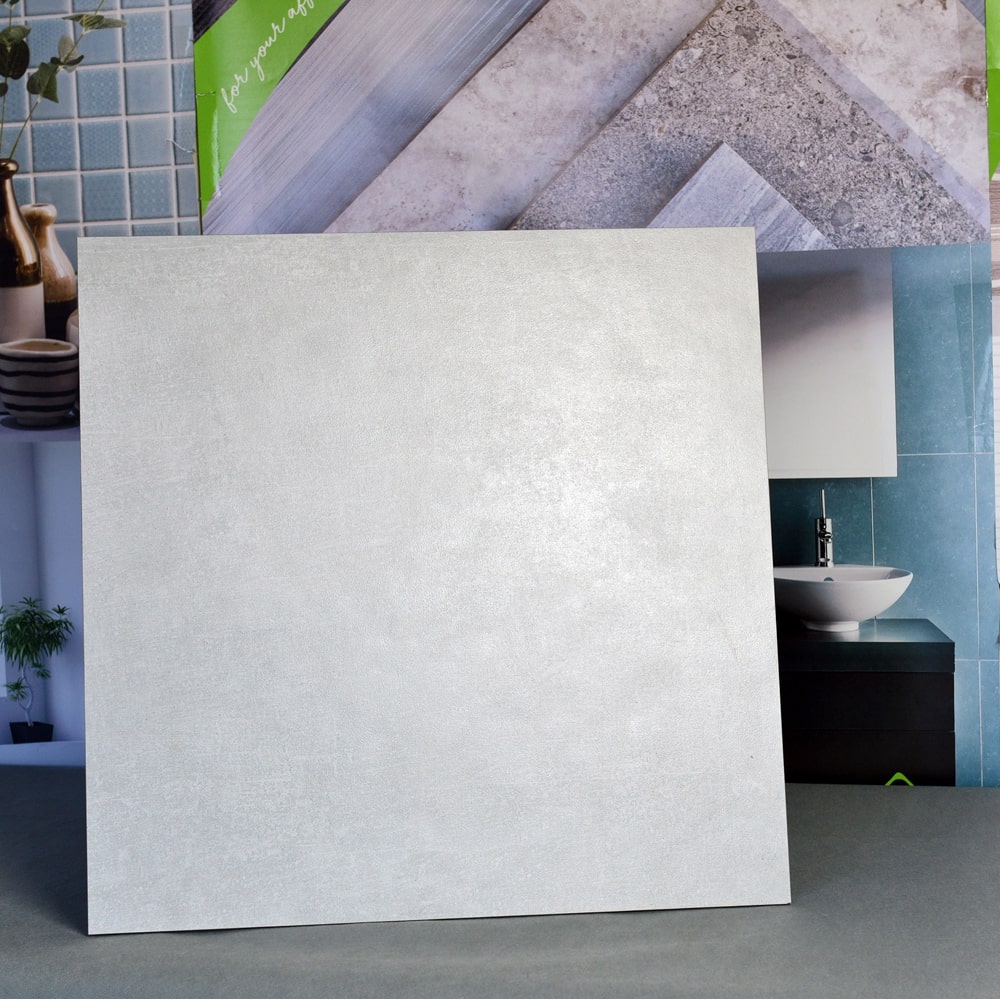
If you want a dark look with a more forgiving finish, a softer grey tile alternative may be worth considering.
Charcoal and deep grey can still create a contemporary appearance while offering more tonal variation.
Black tiles can suit several areas of the home.
However, the best choice depends on how the room is used.
Black tiles can work particularly well in bathrooms.
A black feature wall can add depth behind a vanity or bath. Dark floor tiles can also create a strong contrast with lighter walls.
Good ventilation is important.
Bathrooms naturally experience water and humidity. A polished black surface may show water spots more easily than a matte or textured finish.
Black tiles are a popular option for splashbacks.
They can create a strong contrast with lighter cabinetry and benchtops. A black splashback can also work with timber or natural-look finishes.
The final look depends on the tile size, grout colour and surface finish.
Glossy tiles can reflect more light. Matte tiles can create a softer and more understated result.
A laundry can be a good place to use black tiles in a smaller area.
A dark splashback or floor can create visual interest without dominating the entire room. Because laundries are often smaller, it is usually worth considering how the tile will work with the available light.
Black floor tiles can create a striking effect.
However, high-traffic areas may show dust, footprints and scuff marks. A matte or textured finish is often more practical than a highly polished surface.
Black tiles can be used outdoors when the product is suitable for external conditions.
Heat absorption and slip resistance are important considerations. Dark surfaces can become hot when exposed to strong direct sunlight.
Before choosing black tiles for an outdoor project, explore tiles suited to outdoor areas and check the product specifications for the intended location.
Floor and wall tiles experience different types of daily wear.
This variation affects their maintenance needs.
| Feature | Black Floor Tiles | Black Wall Tiles |
| Main challenge | Dust, footprints and scuff marks | Water spots and soap residue |
| Suitable finish | Matte or textured | Matte, honed or polished, depending on the room |
| Maintenance | Regular sweeping or vacuuming | Regular wiping in wet areas |
| Grout consideration | Dark grout can create a seamless look | Contrasting grout can highlight the tile pattern |
| Common uses | Entries, bathrooms and laundries | Bathrooms, splashbacks and feature walls |
Black floor tiles generally experience more direct wear.
They need a finish suited to the level of foot traffic and the possibility of moisture. In wet areas, slip resistance should be considered alongside appearance.
Wall tiles face different challenges.
In bathrooms, water spots and soap residue can be the main concern. In kitchens, splashbacks may require regular cleaning to remove cooking residue.
Black tiles do not necessarily need special maintenance.
Consistent care is usually more important than intensive cleaning.
A simple routine can help:
Grout also needs attention.
The right grout colour can influence the overall appearance of black tiles. Dark grout can create a more seamless look, while lighter grout creates stronger contrast.
For more detailed care advice, see our grout and tile maintenance guide.
For many homes, matte black tiles are the more forgiving option.
A matte surface diffuses light rather than reflecting it strongly. This makes fingerprints, dust and water spots less obvious.
Textured finishes can provide similar benefits.
Polished black tiles create a different look. Their reflective surface can add depth and visual impact, particularly on feature walls.
However, polished surfaces may reveal water marks and streaks more easily.
The choice also affects where the tile is used.
A polished tile may suit a low-contact wall. A matte or textured finish may be more practical for a busy floor.
Matte black tiles may suit:
Polished black tiles may suit:
The best finish depends on the room and the product specifications.
Not necessarily.
Black tiles can work in smaller spaces when they are used strategically.
A single black feature wall can add depth without covering every surface. A dark floor combined with lighter walls can also create contrast while maintaining a sense of brightness.
Lighting is important.
A room with limited natural light may need lighter surrounding finishes to balance a large black tiled surface.
The tile format can also influence the final appearance.
Larger tiles may create a more continuous look with fewer grout lines. Smaller formats can create more texture and visual detail.
There is no universal rule that black tiles will make a room feel smaller.
The overall effect depends on the combination of colour, lighting, finish and surrounding materials.
Black tiles can create a dramatic alfresco or courtyard design.
However, colour alone should not dictate the choice.
Outdoor tiles need to suit the conditions of the space. This may include exposure to moisture, sunlight and temperature changes.
In Adelaide, surface temperature is also worth considering.
A dark tile in direct sun can absorb more heat. Such conditions may affect comfort in areas where people walk barefoot.
Slip resistance is equally important.
Outdoor spaces, pool areas and exposed entryways may need products designed for wet conditions.
For this reason, the product specifications should always be checked before installation.
Black is not the only option for creating a darker, contemporary look.
Several alternatives can provide similar visual weight.
Charcoal has a dark appearance and a slightly softer look than pure black.
It can work well with timber, concrete-look surfaces and neutral finishes.
Deep grey can be easier to integrate with existing finishes.
It may also show certain marks less obviously than a completely uniform black surface.
Dark stone-look tiles can introduce variation and texture.
This variation may help disguise dust and minor surface marks.
Patterned tiles can add visual interest while making everyday marks less obvious.
The right choice depends on the overall design of the room.
If you are comparing colours for a renovation, our bathroom tile collection includes dark, mid-tone and lighter options that you can compare across different styles.
Before making a final decision, consider:
Thinking through these questions before ordering can help you avoid choosing a tile based on colour alone.
A polished black tile can look impressive.
However, bathrooms and other wet areas may require more frequent wiping to maintain a streak-free appearance.
Too much dark tile can make a room feel heavy.
Balance can be created with lighter walls, natural timber, mirrors or effective lighting.
A black tile may look right but still be unsuitable for the intended outdoor area.
Always consider slip resistance and product suitability.
Grout can significantly change the finished appearance.
Black grout creates a more continuous surface. Lighter grout highlights the shape and pattern of each tile.
Black tiles are not maintenance-free.
If dust, water marks or footprints are likely to be a concern, choose a finish that is more forgiving for the room.
Not necessarily.
Black tiles can add depth when used on a feature wall or floor. A balance of darker and lighter surfaces can help prevent the room from feeling enclosed.
Not necessarily.
Different colours can show different marks. White tiles may highlight stains and discolouration, while black tiles can show water spots, dust and soap residue more clearly.
Yes, provided the specific product is suitable for outdoor use.
Check the relevant specifications for slip resistance and external conditions. Surface heat should also be considered in areas exposed to strong sunlight.
The article's source material does not support a blanket claim that all black tiles perform equally well in direct sunlight. Outdoor suitability should therefore be checked for the specific product before installation.
Dark grey or black grout can create a seamless appearance.
Lighter grout provides stronger contrast and highlights the tile pattern. The best choice depends on the look you want to achieve and the maintenance level you prefer.
Price usually depends on factors such as material, size, finish and product range rather than colour alone.
Consider the room's natural light, existing finishes and intended use.
Comparing samples in the actual space can also help you see how the colour and finish will look under your home's lighting.
Black tiles can make a strong design statement.
They can also require a little more thought before installation.
The best results usually come from matching the finish to the room. Matte or textured black tiles may be more forgiving in busy areas. Polished finishes may work better where visual impact matters more than constant contact or moisture.
There is no single answer for every home.
A black splashback may be easy to live with. A polished black bathroom floor may require more regular attention. A dark outdoor tile may look striking but needs careful consideration in direct sun.
The practical approach is to compare colour, finish, room function, and maintenance needs.
If you are still deciding between black, charcoal or a softer grey, our personalised tile selection service can help you compare different options and finishes before making your final choice.