Bathroom renovations involve hundreds of decisions, from tapware finishes to vanity styles and lighting choices. Yet one of the biggest influences on how the finished space looks and functions is often decided surprisingly early: the tiles.
Most homeowners spend time choosing colours and patterns, but many don't realise certain tile decisions can affect maintenance, safety, comfort, and even how spacious the room feels.
The challenge is that some mistakes aren't obvious until months or years after the renovation is complete.
If you're planning a bathroom update, here are some of the most common tile mistakes homeowners tend to notice too late—and how to avoid them.
A tile can look completely different once it covers an entire room.
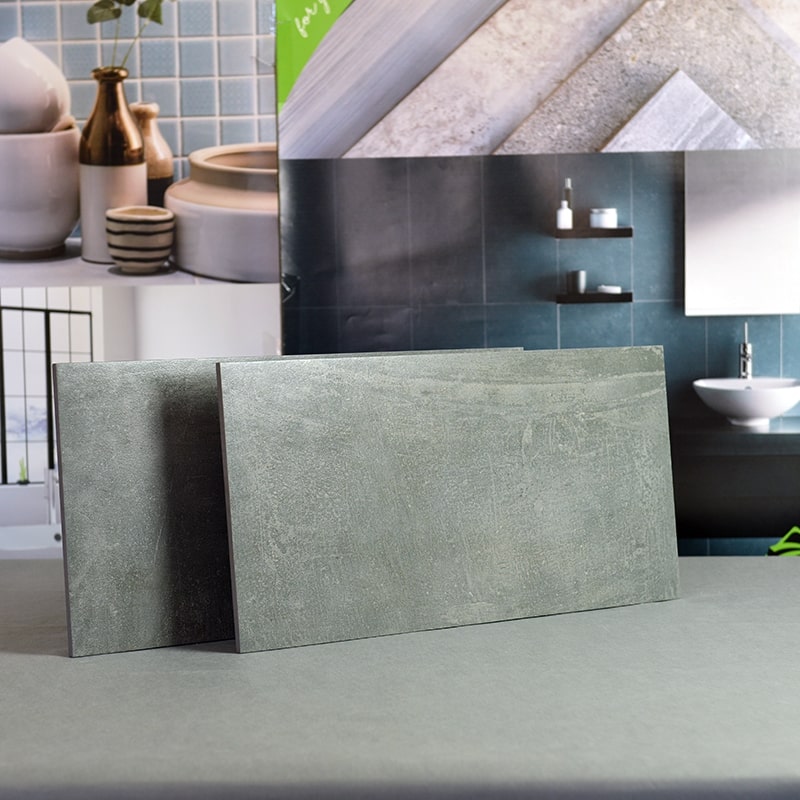
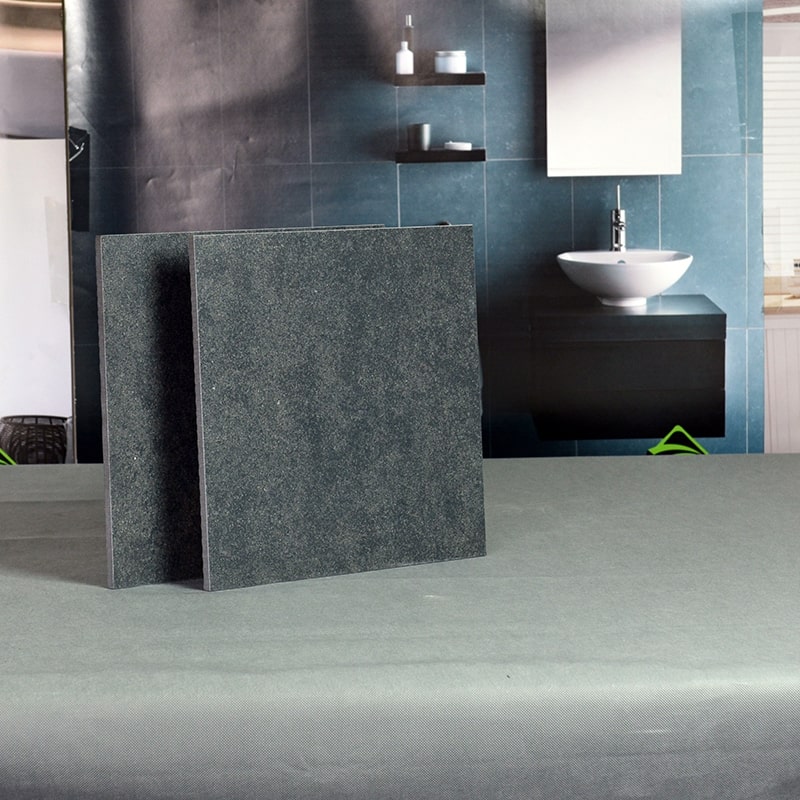
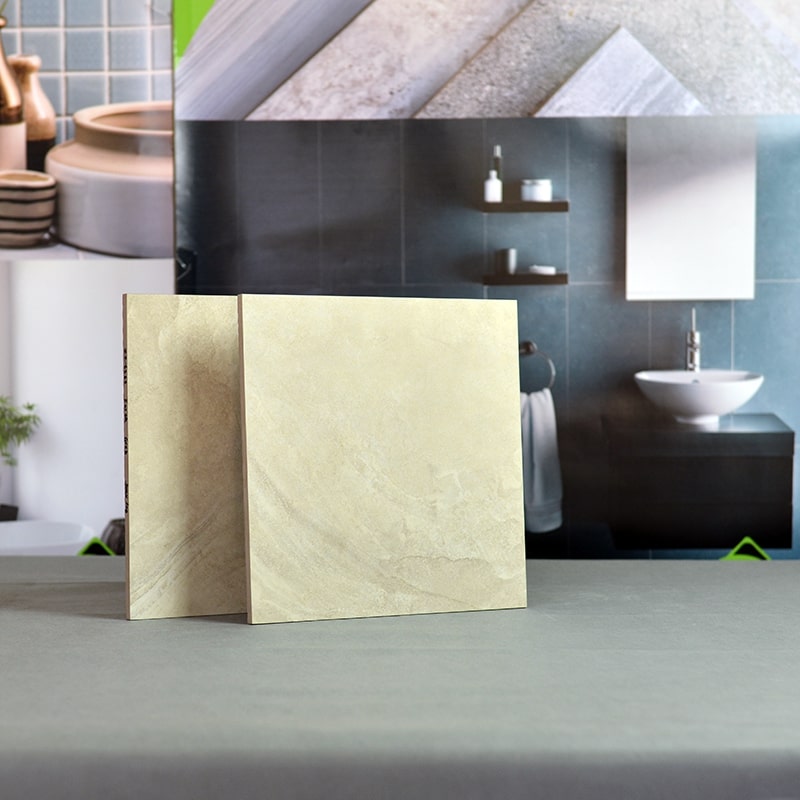
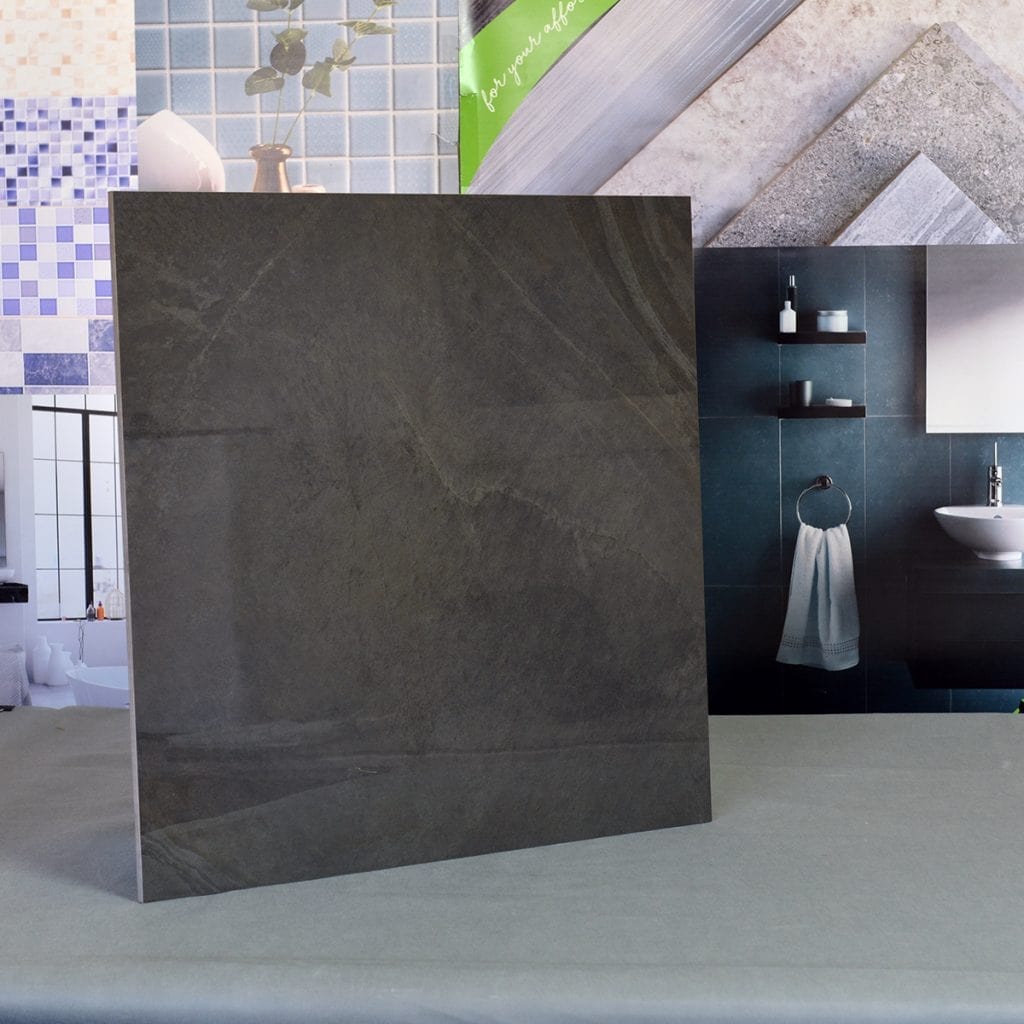
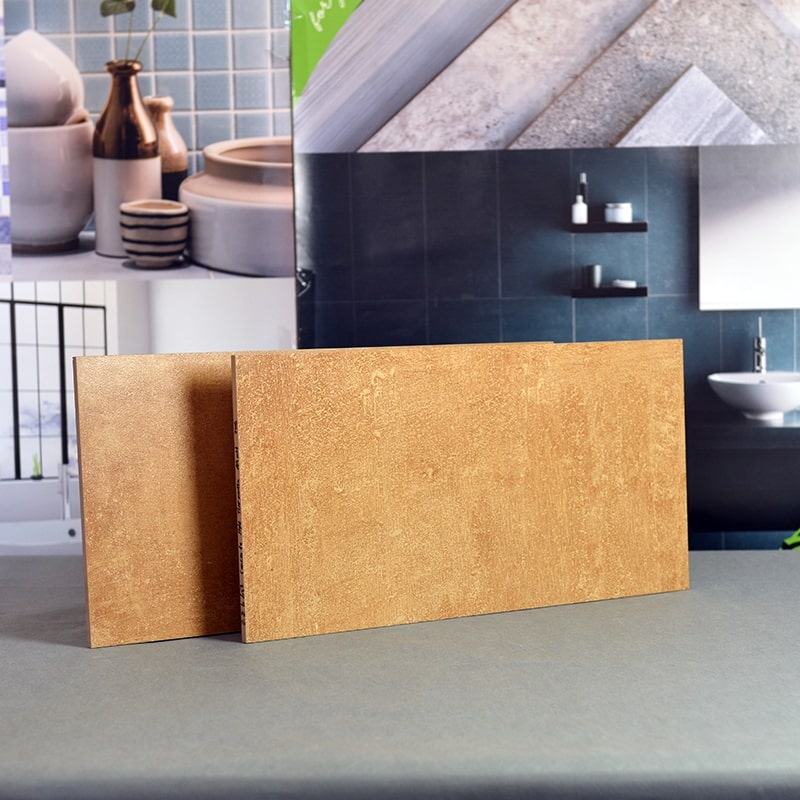
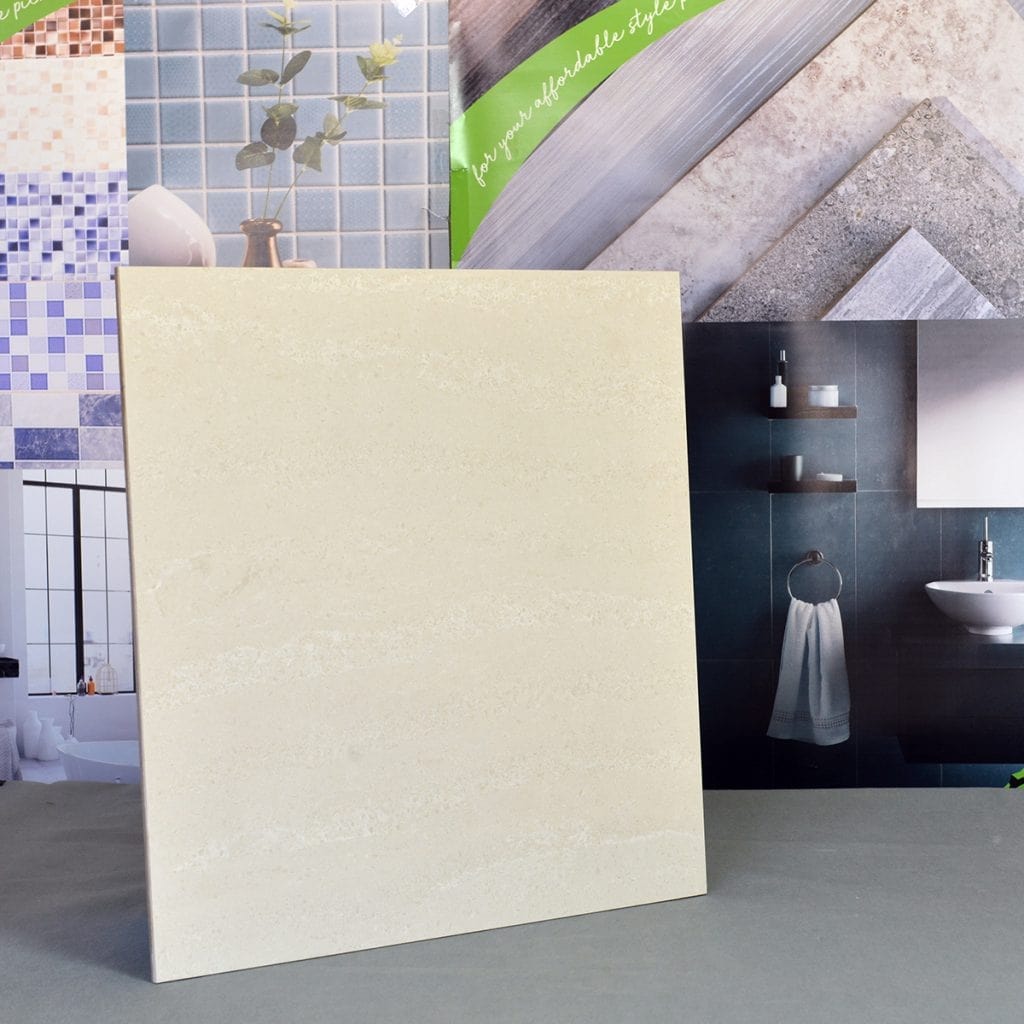
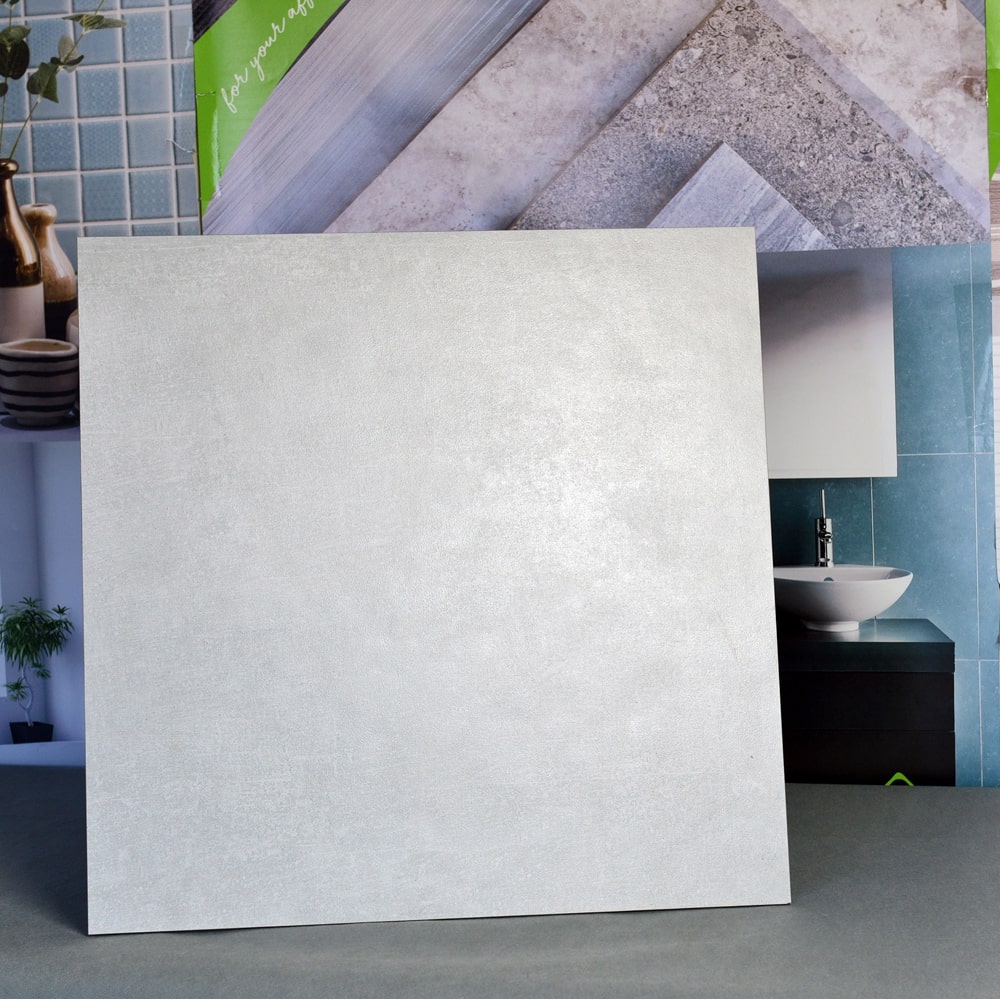
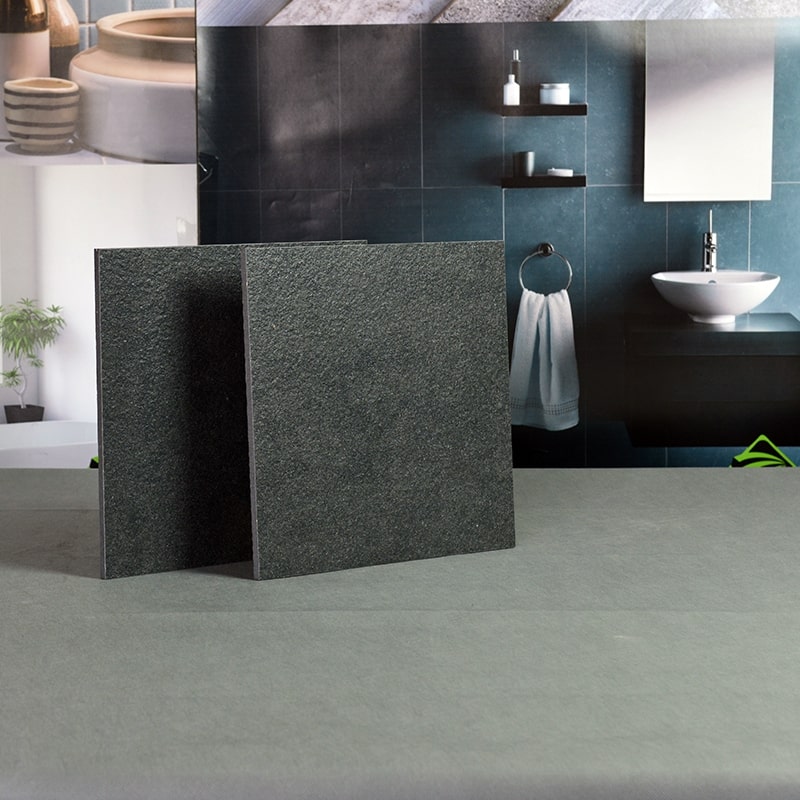
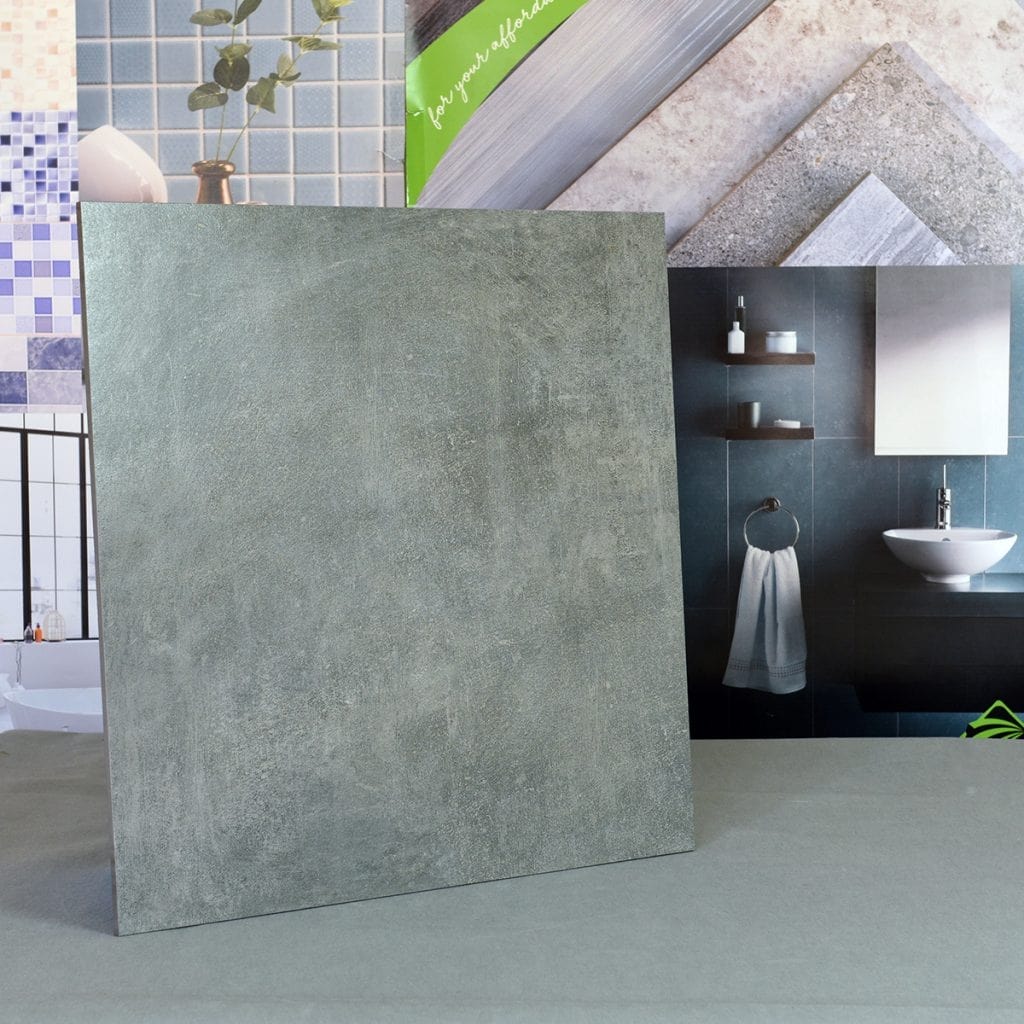
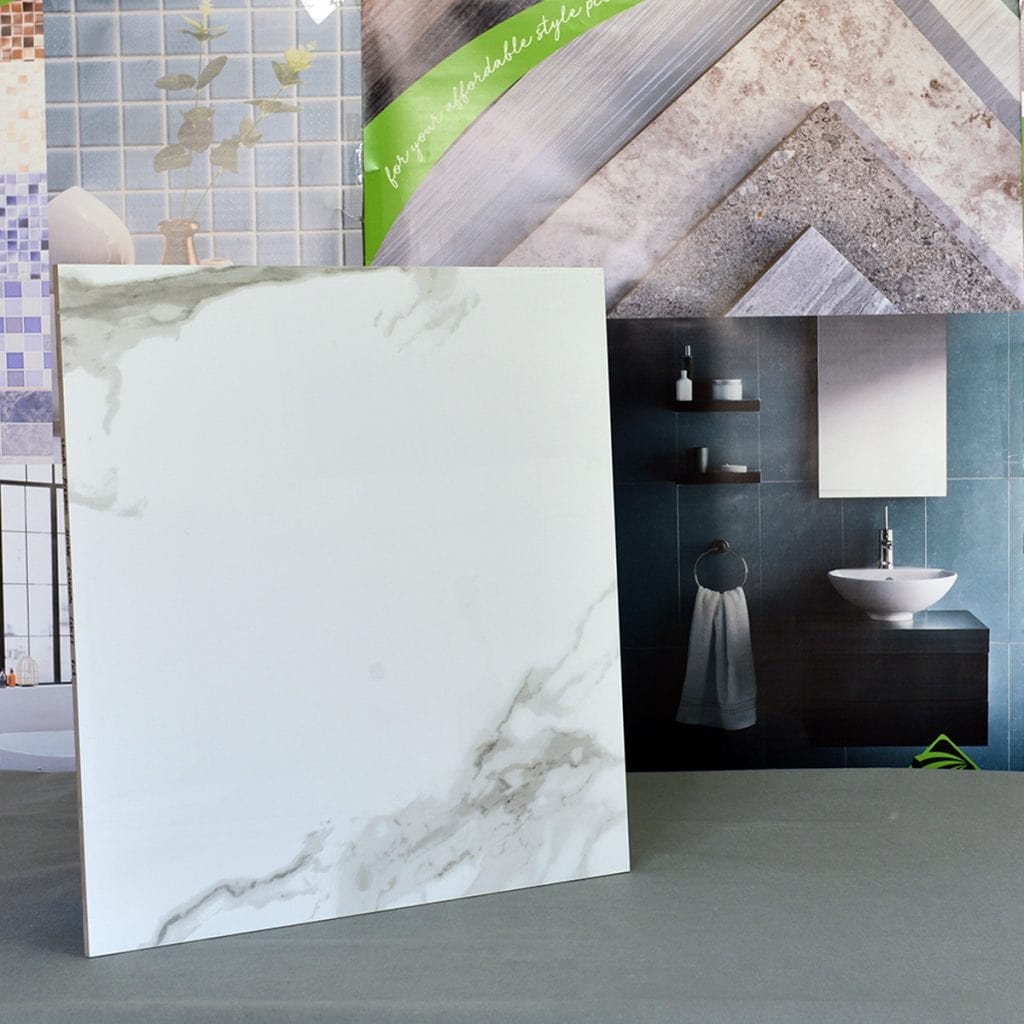
Many people fall in love with a small showroom sample, only to discover the colour feels darker, busier, or more dominant when installed across multiple walls and floors.
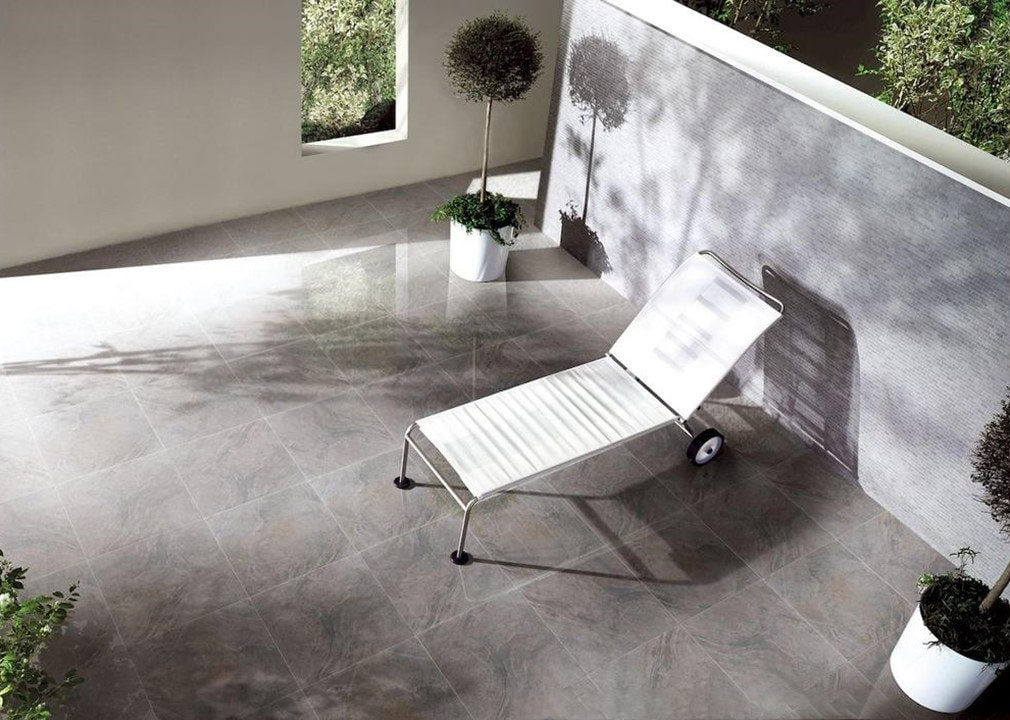
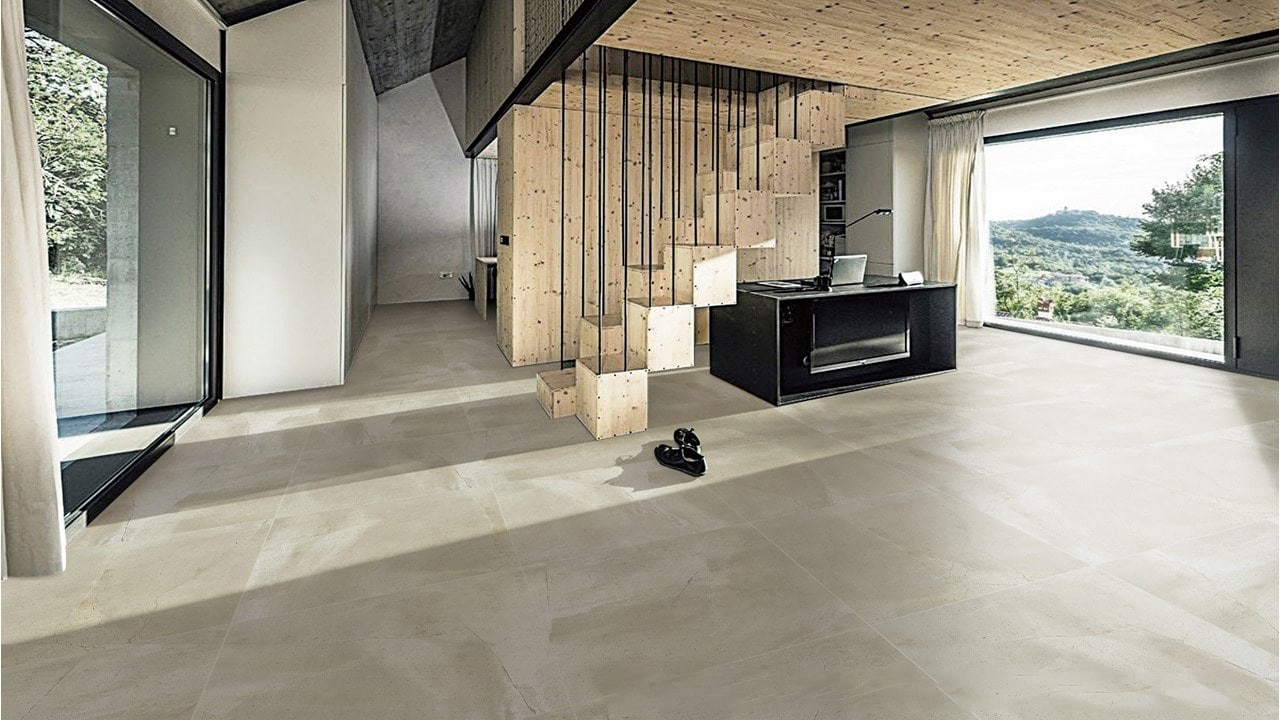
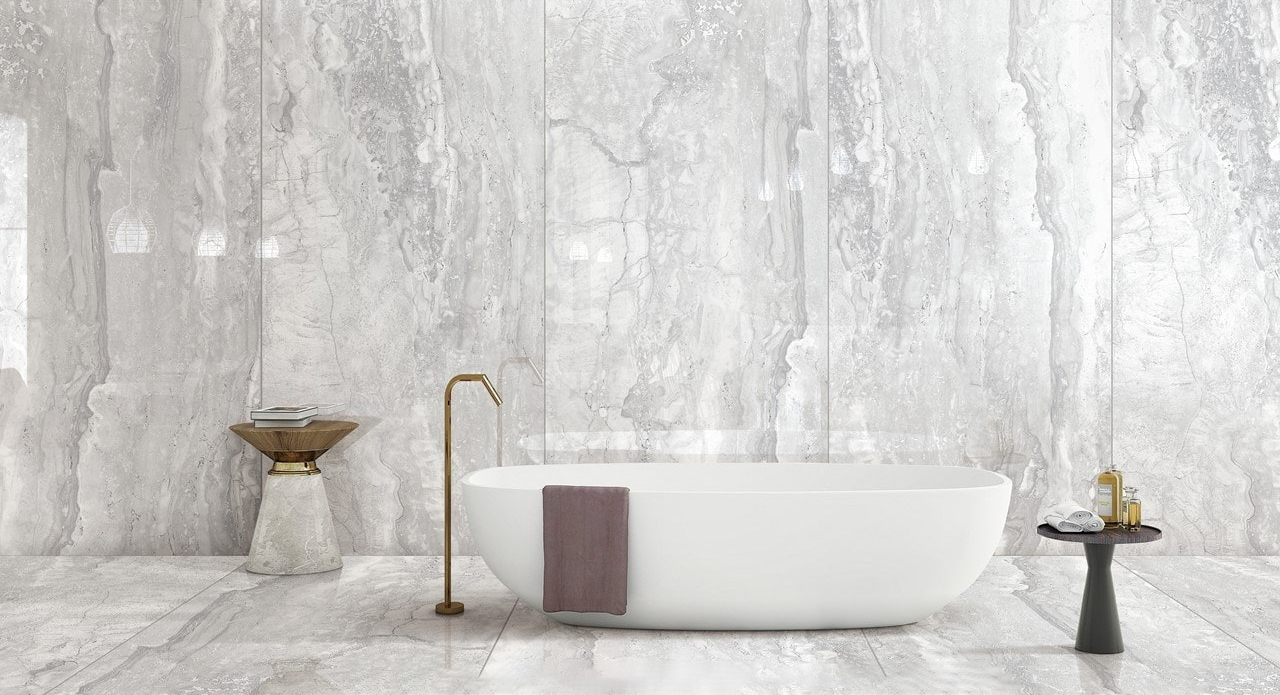
Large-format stone-look tiles are a good example. A single sample may appear subtle, but repeated across an entire bathroom, the pattern can become much more prominent.
Before making a final decision, it helps to view larger displays or laid-out examples. This gives a more realistic understanding of how the tile will look in the finished space.
A bathroom floor is regularly exposed to water, soap residue, and moisture.
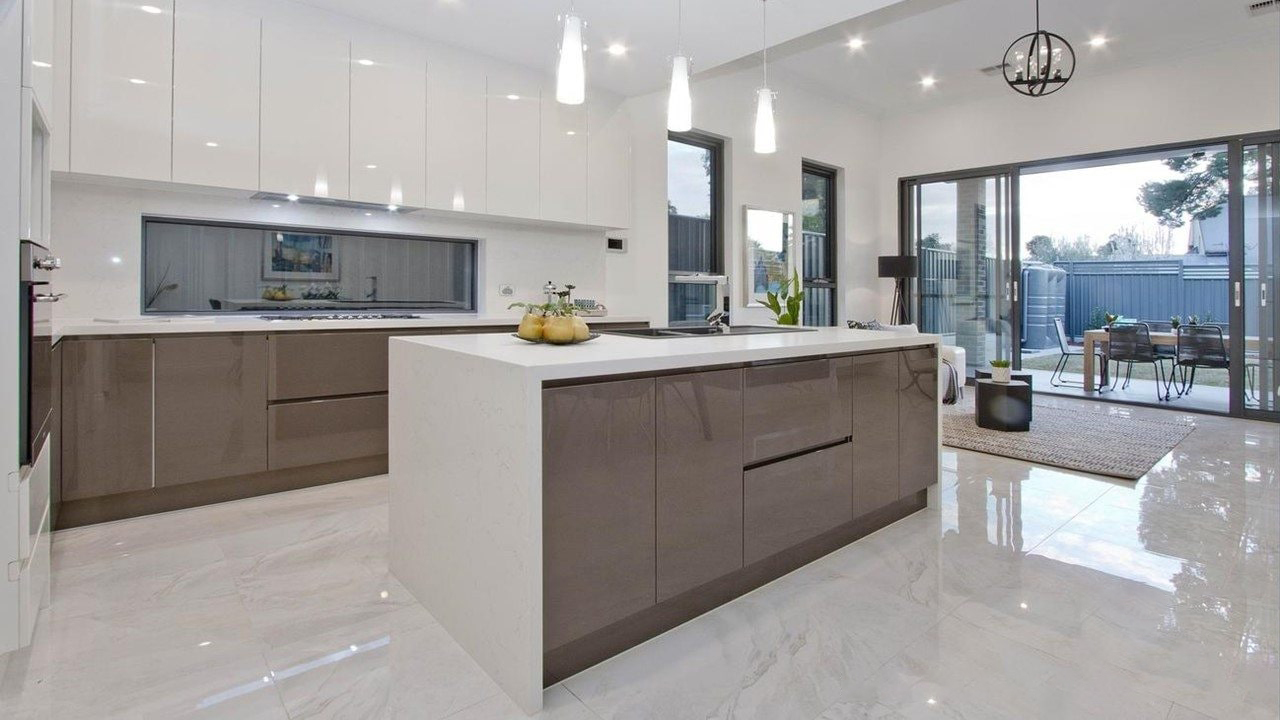
While glossy tiles can create a striking visual effect, they may not always provide the level of grip required for wet areas.
This becomes especially important in households with:
The safest choice isn't necessarily the roughest tile available. Instead, it's about finding a balance between appearance, comfort, and practical slip resistance.
Many homeowners exploring bathroom tiles in Adelaide focus heavily on colour and style before considering how the floor will feel underfoot during daily use.
Smaller bathrooms are common throughout Adelaide, particularly in older homes and unit developments.
One mistake that frequently appears in compact spaces is using too many competing tile designs.
A patterned floor, feature wall, decorative shower niche, contrasting grout, and multiple tile formats can create visual clutter.
The result isn't necessarily unattractive, but it can make the room feel smaller than it actually is.
Simple design schemes often create a greater sense of space.
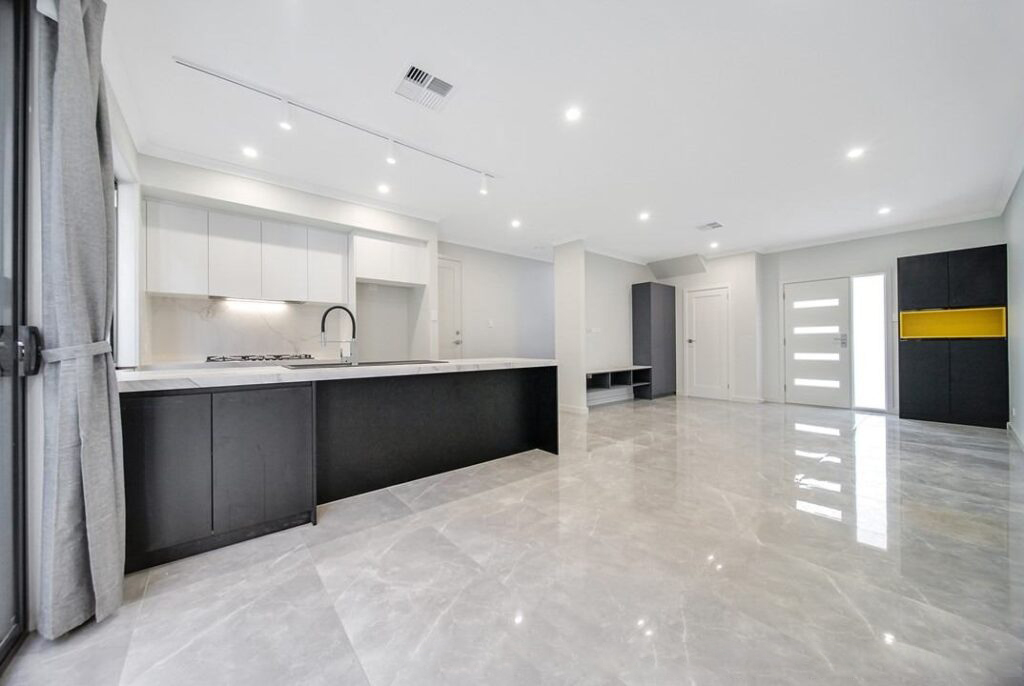
Large-format tiles, lighter colours, and consistent finishes can help bathrooms feel more open without requiring structural changes.
Bathroom trends change quickly.
A style that dominates social media today may look dated within a few years.
This doesn't mean homeowners should avoid trends altogether. Renovations should still reflect personal taste.
The risk comes when highly specific design features become the foundation of the entire bathroom.
Examples include:
Many successful renovations balance trend elements with timeless finishes.
A neutral tile base often provides flexibility if design preferences change in the future.
Tiles usually receive all the attention.
Grout often becomes an afterthought.
Yet grout colour can dramatically influence the final appearance of a bathroom.
Dark grout creates contrast and can highlight tile layouts.
Matching grout produces a more seamless look.
Beyond aesthetics, maintenance should also be considered. Some grout colours may show mould, staining, or soap residue more readily than others.
The best grout choice depends on both the tile design and the practical demands of the household.
Uniformity can work well in some bathrooms.
In others, it can leave the room feeling flat or lacking visual interest.
This doesn't mean multiple tile styles are necessary. Instead, thoughtful variation can help define different zones within the space.
For example:
The goal is to create balance rather than complexity.
Visiting a tiles Adelaide showroom and viewing complete bathroom displays can often provide ideas that are difficult to visualise from individual samples alone.
Lighting changes how tiles appear.
A colour that looks warm and inviting under showroom lighting may appear cooler once installed in the home.
Natural light also affects the appearance of finishes throughout the day.
Bathrooms with limited windows often benefit from lighter tile selections that help reflect available light.
Conversely, large bright bathrooms can successfully incorporate deeper tones without feeling enclosed.
Whenever possible, homeowners should view tile samples under different lighting conditions before making a final selection.
Some beautiful bathrooms become frustrating to maintain.
Highly textured surfaces, intricate mosaics, and heavily patterned designs may create visual impact, but they can also increase cleaning requirements.
Busy households often appreciate finishes that balance style with practicality.
Questions worth asking include:
A bathroom that looks great and remains easy to maintain is often more satisfying in the long run than one designed purely for visual impact.
Bathrooms don't exist in isolation.
One common mistake is selecting tiles that feel disconnected from the house's broader design.
A bathroom should feel like part of the overall home rather than a completely separate environment.
This doesn't require matching tiles throughout every room. Instead, there should be some visual relationship between spaces through colour, texture, or design style.
Homeowners planning larger renovations often explore tile design options to ensure consistency between bathrooms, kitchens, living areas, and outdoor spaces.
Renovations are long-term investments.
What works today should ideally continue working years from now.
For example:
Thinking beyond immediate trends often leads to more successful renovation outcomes.
The most effective bathrooms balance aesthetics, functionality, durability, and ease of maintenance.
Most bathroom tile mistakes aren't caused by poor design decisions.
They're usually the result of focusing on a single factor while overlooking everything else.
A tile might look beautiful but be difficult to maintain. Another may perform exceptionally well but feel too dominant once installed across an entire room.
The strongest bathroom designs consider the complete picture: appearance, safety, practicality, maintenance, lighting, and long-term use.
Taking time to compare products, view full displays, and seek professional guidance can make the selection process far easier. The result is a bathroom that not only looks impressive on completion day but continues to perform well for years afterwards.