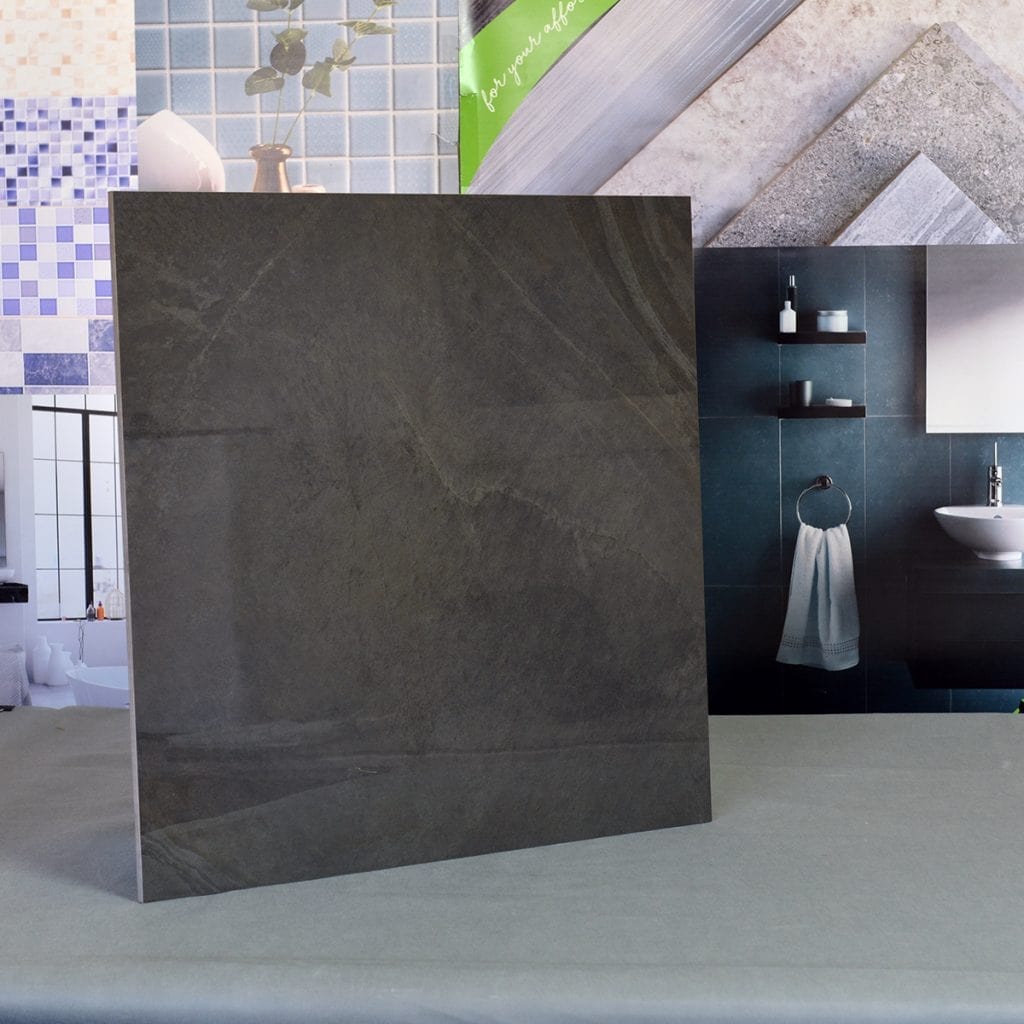
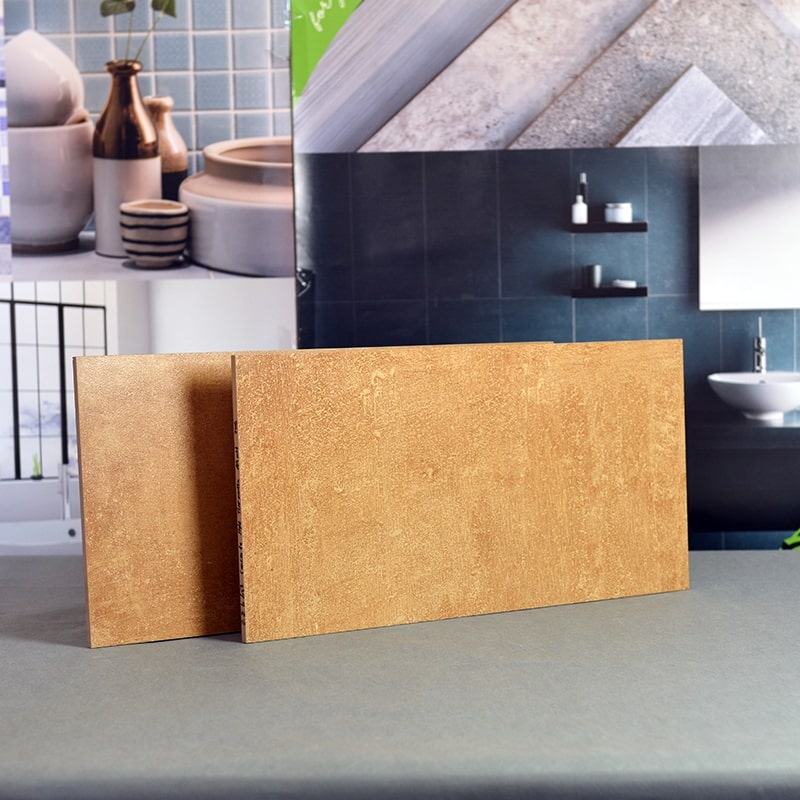
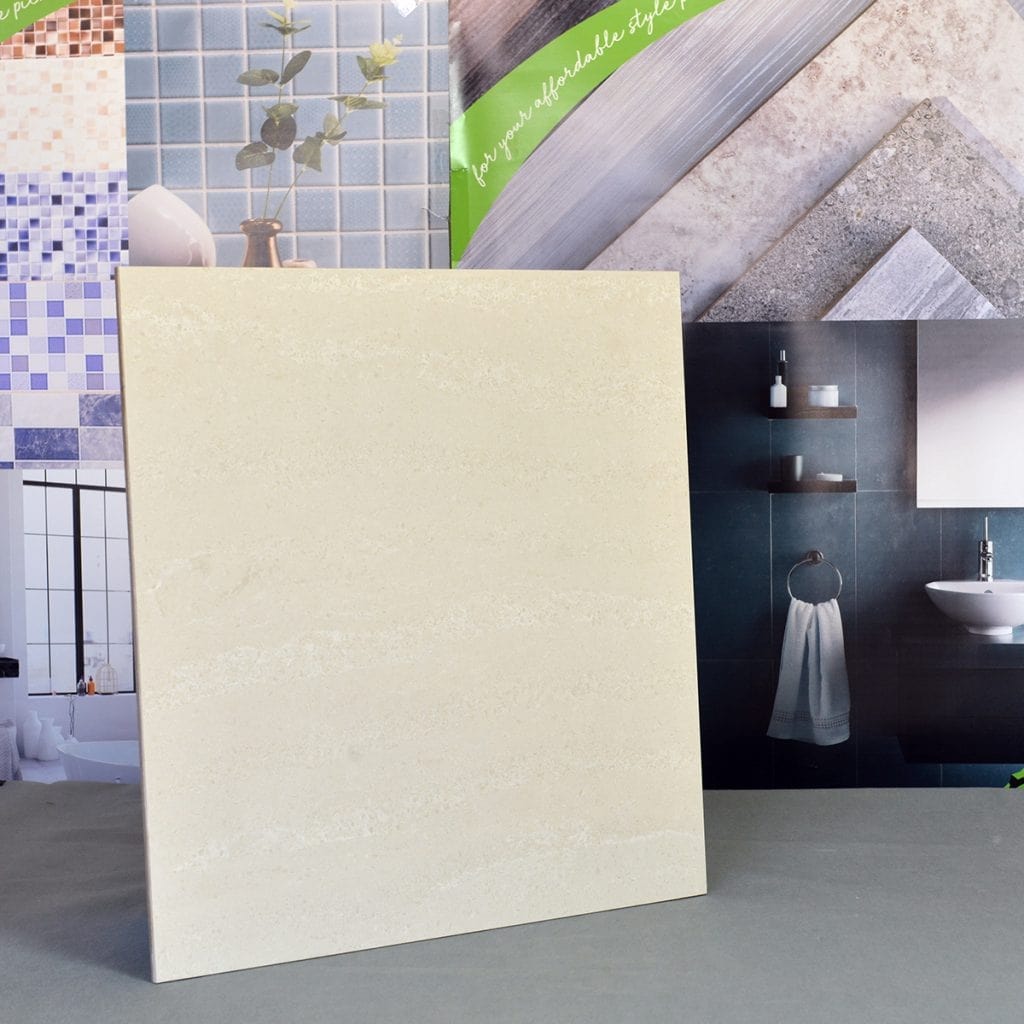
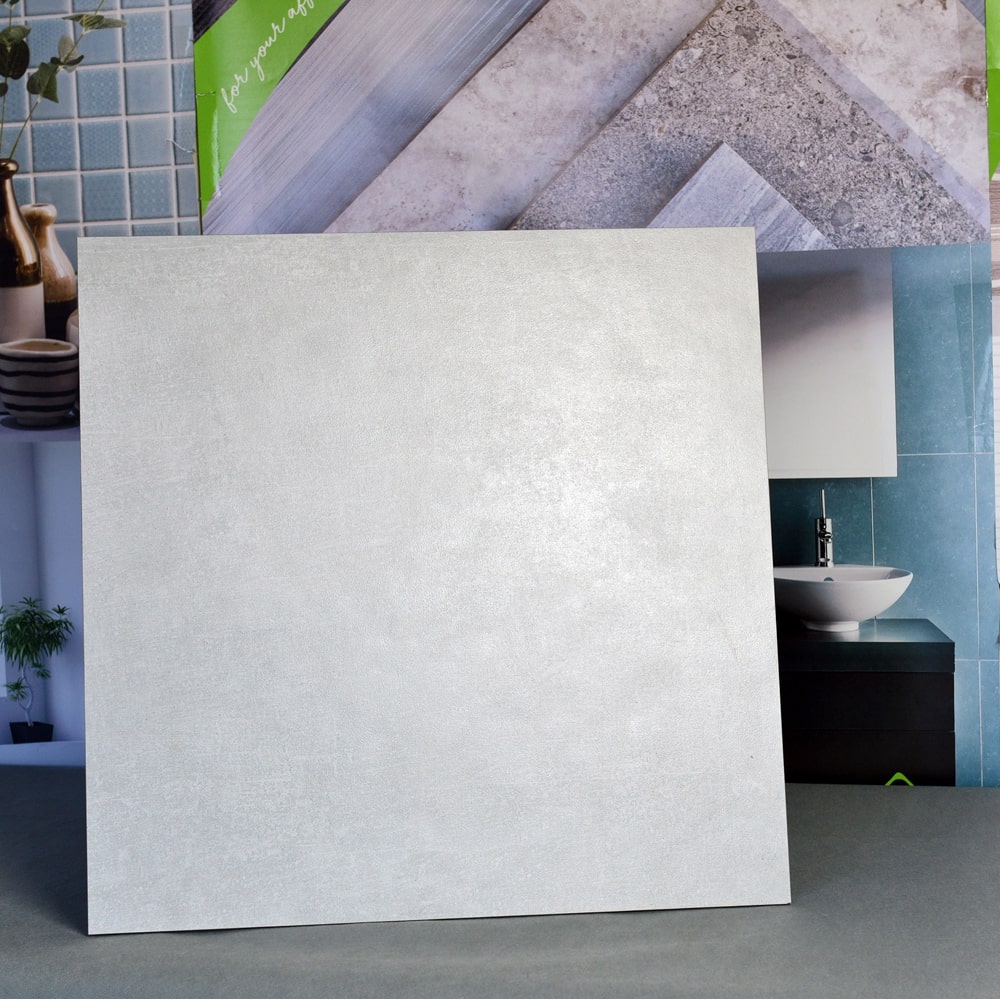
Splashback and floor tiles are usually chosen weeks apart, sometimes by different people, and often at entirely different stages of a kitchen renovation. The floor gets locked in early, before the layout is even finalised, while the splashback is picked much later, once the benchtop and cabinetry are already installed. The result, more often than not, is two tiles that each look fine on their own but never quite feel like they belong in the same room.
Getting a kitchen splashback and floor to work together isn't about choosing identical tiles. It's about understanding how tone, scale and finish interact once both are in place, under the kitchen's actual lighting rather than the showroom's. This article examines how those two decisions connect and the questions worth asking before either is locked in.
Quick Answer
A kitchen splashback and floor tile don't need to match exactly, but they should complement each other. The easiest approach is to keep the same warm or cool undertone while varying the colour, texture or finish. This creates a balanced, cohesive kitchen that feels intentional rather than overly matched or disconnected.
A kitchen floor and a kitchen splashback do genuinely different jobs. The floor has to withstand foot traffic, dropped pans, spilled oil, and the odd dragged stool, so durability and slip resistance tend to drive the decision. The splashback's job is narrower: it protects the wall behind the cooktop and sink from heat, moisture and splatter, and it sits at eye level, which means it's judged more on appearance than performance.
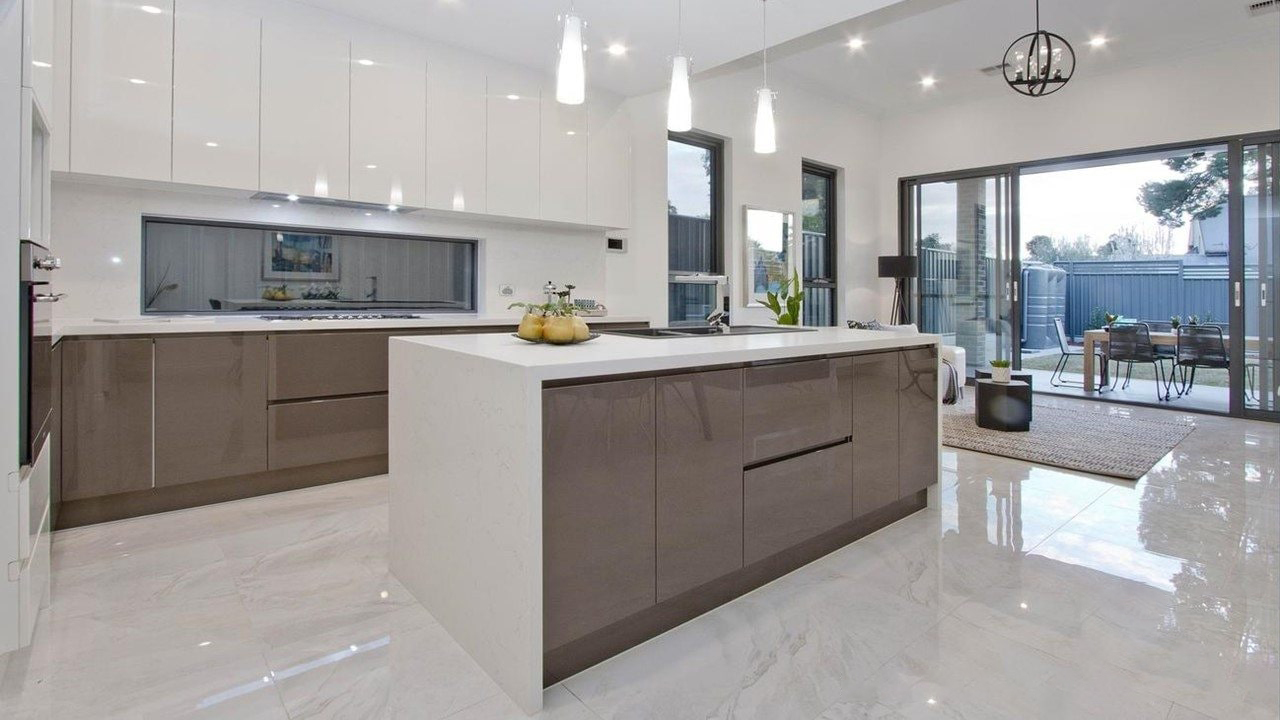
The two surfaces solve different problems, so they are often selected by different logic, sometimes by different tradespeople altogether. But in most Adelaide kitchens, particularly the open-plan design prevalent in newer builds, the floor and splashback share the same sightline. At the sink, a homeowner sees both at once. When the undertones clash under the downlights In the kitchen, rather than in the cooler light of the showroom, it is usually too late to change either surface without causing real disruption.
There isn't a single correct way to pair a splashback with a floor. Most successful kitchens take one of two approaches, and both hold up well when applied with intent rather than by accident.
| Feature | Matching Approach | Contrasting Approach |
| Visual effect | Calm and cohesive; the kitchen reads as one continuous surface | Clear zoning; floor and splashback each stand on their own |
| Best suited to | Small or narrow kitchens, and open-plan living areas | Larger kitchens, or galley layouts that need a focal point |
| Maintenance perception | Easier to keep visually consistent over time | Splashback carries more visual attention, so marks show sooner |
| Common risk | Can feel flat without some variation in texture or tile size | Can look busy if more than two materials or colours are used |
Neither approach is inherently better. A compact kitchen in a Norwood bungalow often benefits from the matching approach, since fewer visual breaks make the room feel larger. A generous new-build kitchen in somewhere like Mawson Lakes or Aldinga has more room to let a feature splashback contrast against a calmer floor.
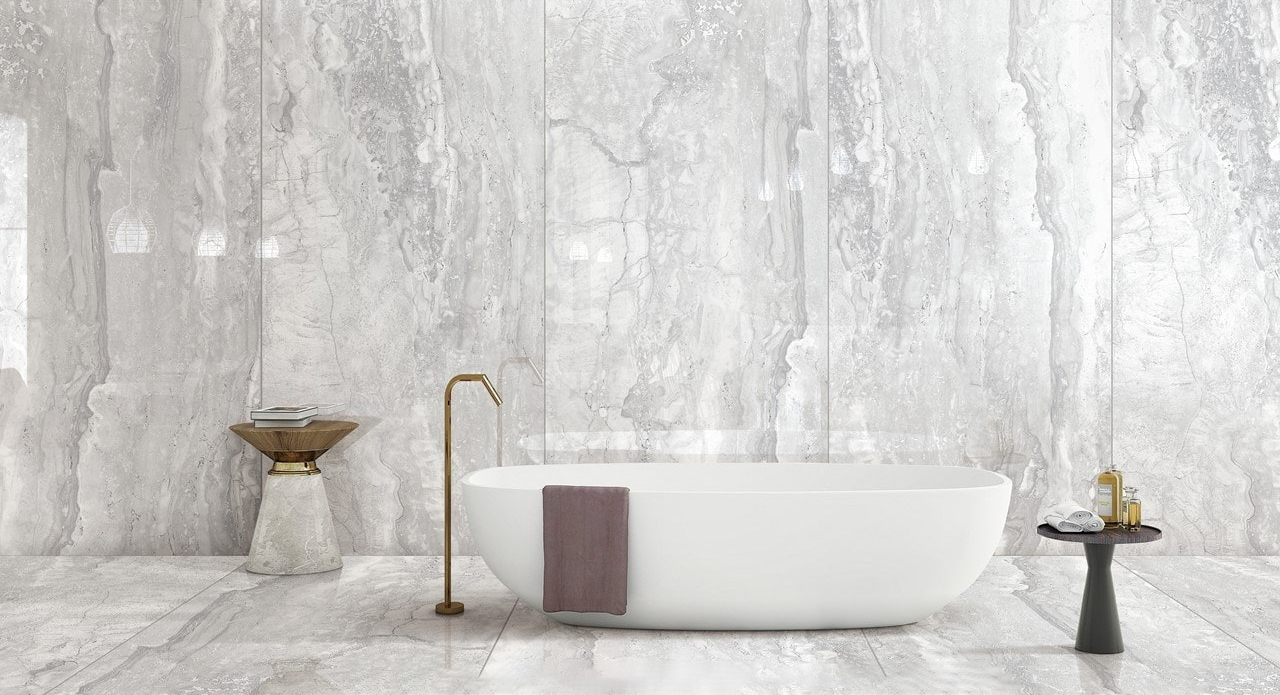
Floor tiles need to withstand moisture, temperature changes, and years of daily wear, which is why porcelain has become the default choice for most Adelaide kitchen floors. It's dense, low in porosity, and holds up well to dropped cookware and constant cleaning. Splashbacks carry a lighter practical load, so there's more room to experiment: glazed ceramic, glass, mosaic and marble-look porcelain are all common choices for the wall behind a cooktop, since none of them needs to withstand foot traffic.
It's worth understanding the difference between porcelain and ceramic before deciding where each material makes the most sense in your kitchen, since the two perform quite differently when water, heat and daily wear are involved.
Tile size affects a kitchen almost as much as colour does. Large-format floor tiles reduce the number of grout lines, which tends to make a kitchen floor feel calmer and more expansive, particularly useful in the smaller, older kitchens found throughout suburbs like Unley and Prospect. Splashbacks, by contrast, are often kept to a smaller format or a single feature tile behind the cooktop, since that's the one place in the kitchen where a bit of visual detail is welcome rather than distracting.
Whether size genuinely changes how a room feels, or whether it's more about grout line placement, is a fair question, and it's covered in more detail in our piece on whether large-format tiles change how a room feels.
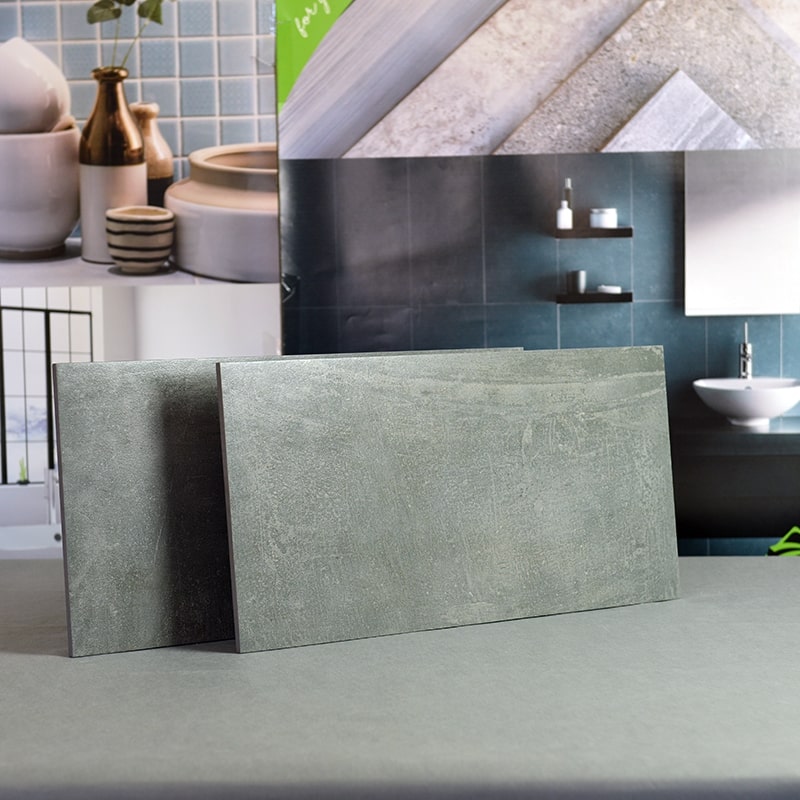
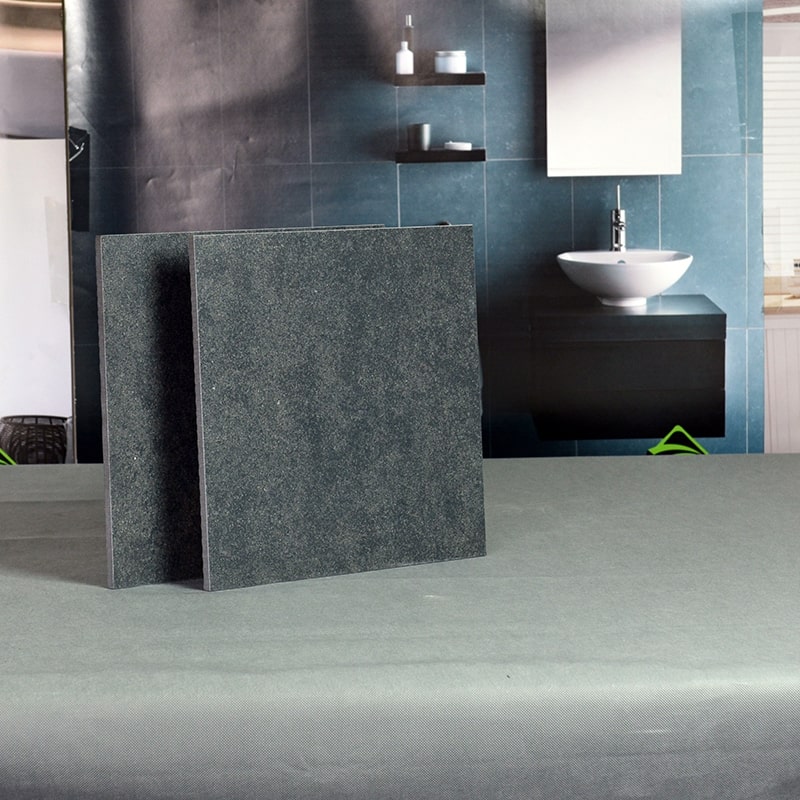
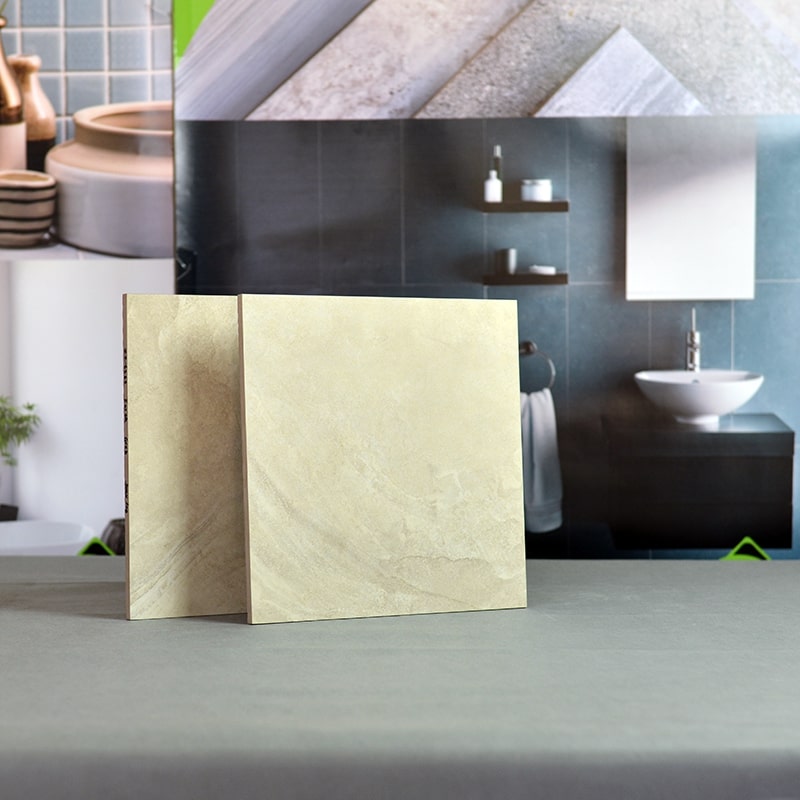
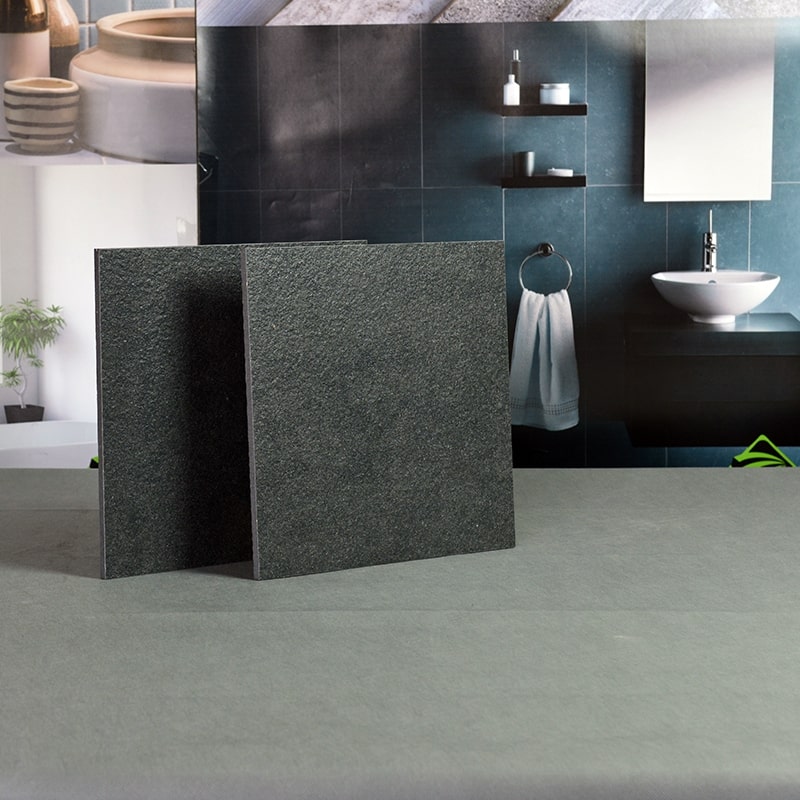
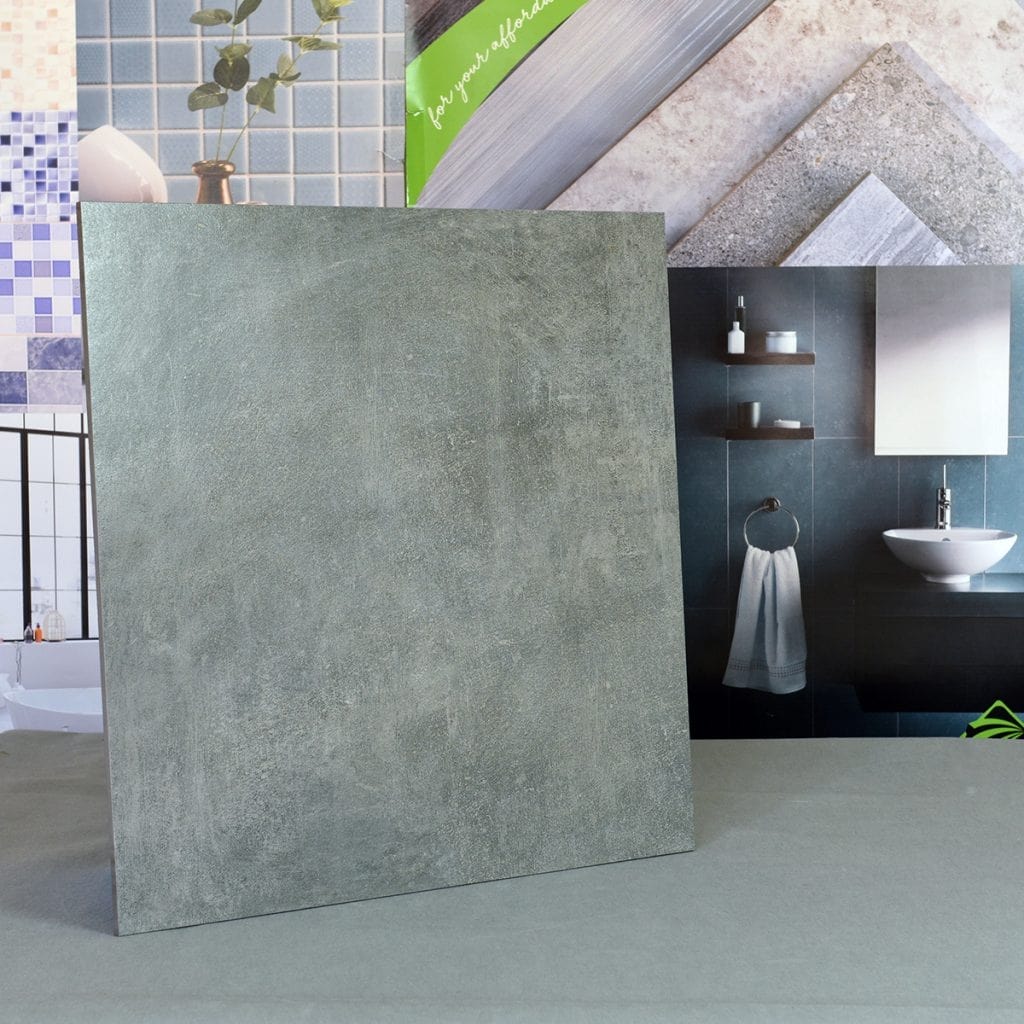
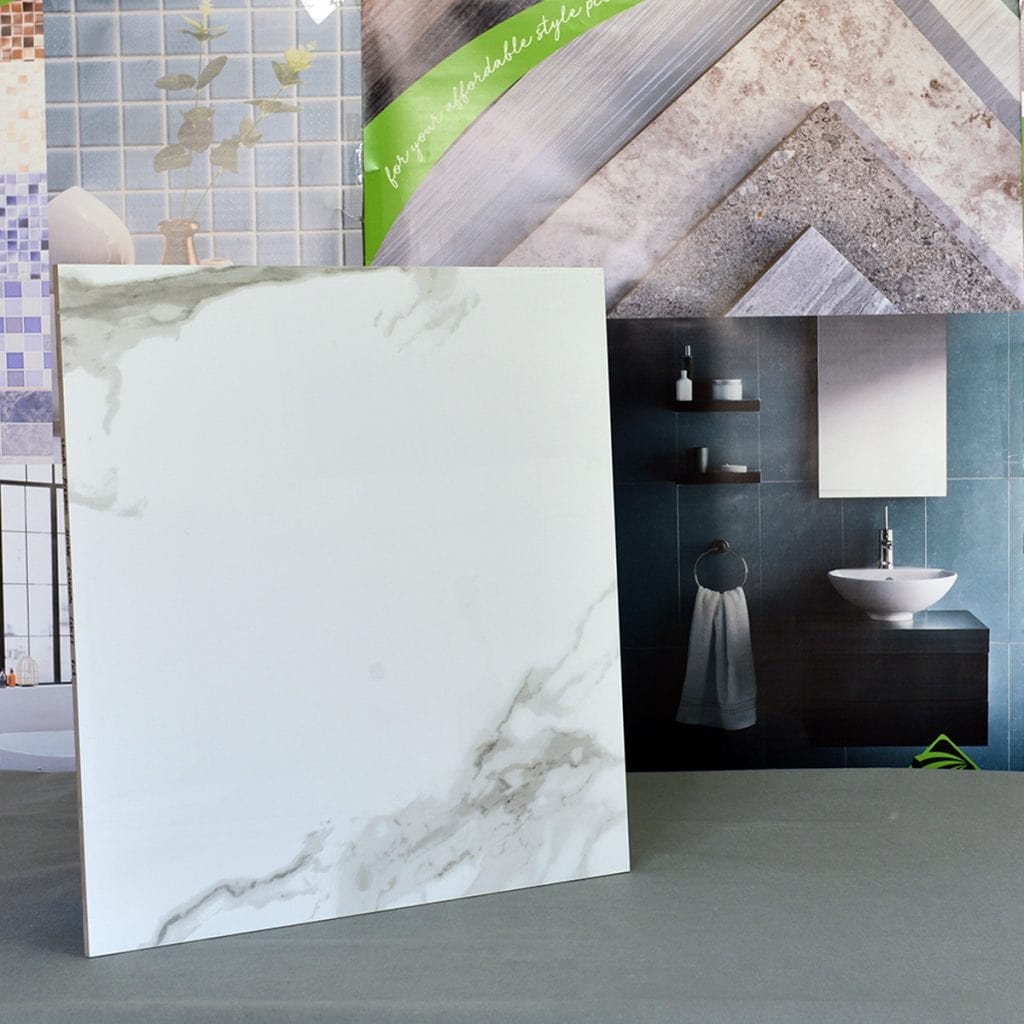
Even a pair of neutral tiles can clash if one leans warm and the other leans cool. Even if each tile is perfectly neutral on its own, a greige floor with a pink undertone next to a splashback with a blue-grey undertone rarely reads as neutral as a pair. It’s one of the most common regrets homeowners express after a renovation is complete: the tiles looked fine on their own at the showroom, but something was slightly off once they were installed at home.
The best way to avoid such situations is to take physical samples home and see them together in the kitchen itself, during the day and again under the evening downlights. Showroom lighting is designed to make individual tiles look their best, not how two very different items will look together in a real room.
Kitchen renovations across Adelaide tend to fall into two broad categories, and each one shapes the splashback and floor decision differently.
None of these guidelines is a hard rule. It's simply a starting point worth testing against the specific light and layout of your kitchen before committing.
For homeowners weighing up the decision, it helps to work through the choices in a consistent order rather than picking both tiles at once.
No. Matching can work well in smaller kitchens, but many well-designed kitchens deliberately contrast the two, using a calmer floor and a more expressive splashback, or the reverse. What matters more than matching is a shared undertone and at least one point of visual difference.
Porcelain is the most common choice for Adelaide kitchen floors because of its low porosity and resistance to scratching, staining and moisture. Glazed ceramic is also used, particularly in lower-traffic kitchens, though it's generally less durable underfoot than porcelain.
Yes, and it's a popular option for a seamless, cohesive look, especially in smaller kitchens. The main consideration is finish: a tile rated for floor use will usually have a different slip rating to one designed purely for walls, so it's worth checking the tile is suitable for both applications before ordering.
Larger tiles reduce the number of grout lines, which can make a floor feel calmer and more continuous. That perception of extra space comes more from the reduced visual clutter than from the tile size itself, and how well it suits a particular kitchen depends on the room's layout and lighting.
The most reliable test is to place physical samples of both tiles side by side in the actual kitchen, under the room's usual lighting, both during the day and in the evening. Showroom lighting alone rarely reveals undertone clashes that become obvious once tiles are installed at home.
Choosing the floor first is generally more practical, since it's driven by durability and slip resistance rather than style alone. Once the floor is settled, it's easier to decide whether the splashback should complement it closely or provide more contrast.
A kitchen splashback and floor don't need to be identical to work well together, but they do need to be considered as one visual system rather than two separate purchases. Getting the undertone consistent, the scale intentional, and at least one point of difference between the two surfaces is usually enough to avoid the mismatch that shows up once the tiles are installed.
If you're weighing up options for your own kitchen, it's worth spending time with our full kitchen tile range, or reading through our notes on choosing kitchen tiles that age well before settling on a final pairing. Samples always tell you more than photos do, and there's no substitute for seeing both tiles together in your own kitchen light.
For homeowners exploring splashback tile options alongside floor tiles, browsing the full tile range online is a useful starting point before visiting a showroom in person.