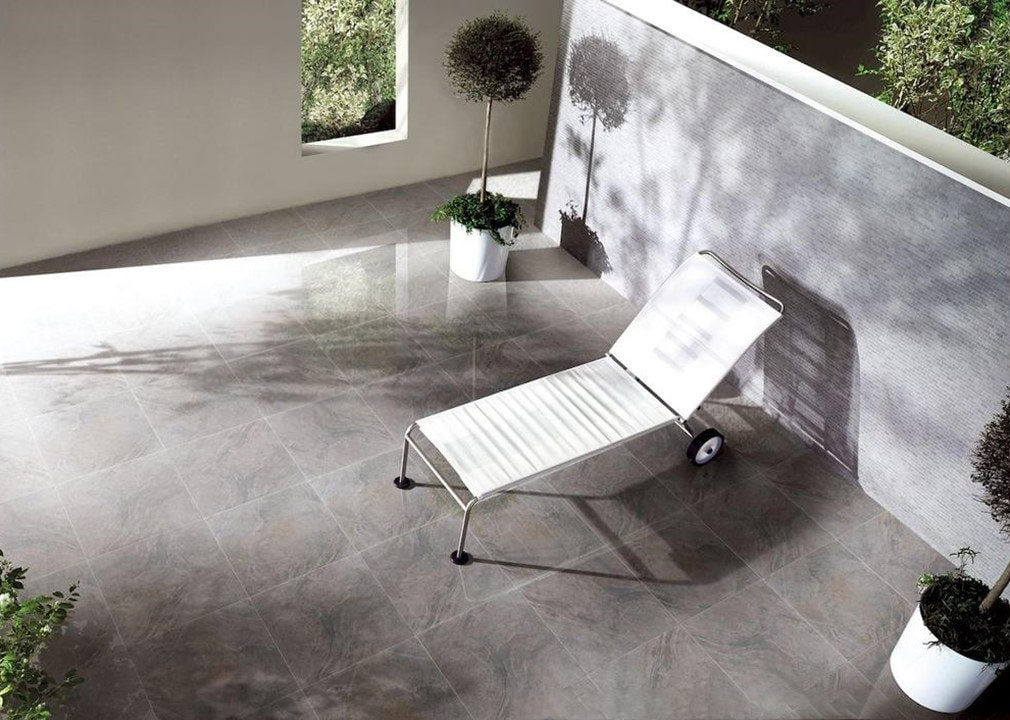
Look for furniture that can withstand the coastal elements. Untreated steel and lower-grade stainless steel are more prone to corrosion, whereas teak, powder-coated aluminium and 316 stainless steel are all excellent.
Consider how exposed your outdoor area is to the wind. Heavier or lower-profile furniture is usually a better choice for open locations, while lighter pieces work well in sheltered courtyards.
For cushions and canopies, look for solution-dyed fabrics with UV protection. They keep their colour longer and generally last better than standard outdoor fabrics.
Give your outdoor furniture a quick rinse with fresh water now and then. Removing salt build-up early helps prevent pitting and corrosion.
Secure umbrellas with a sturdy base, and store them away when strong winds are forecast. In coastal areas, proper anchoring is often more important than the umbrella's design.
Before making a purchase, be sure to read the warranty carefully. Some manufacturers have different warranty conditions for homes near the coast.
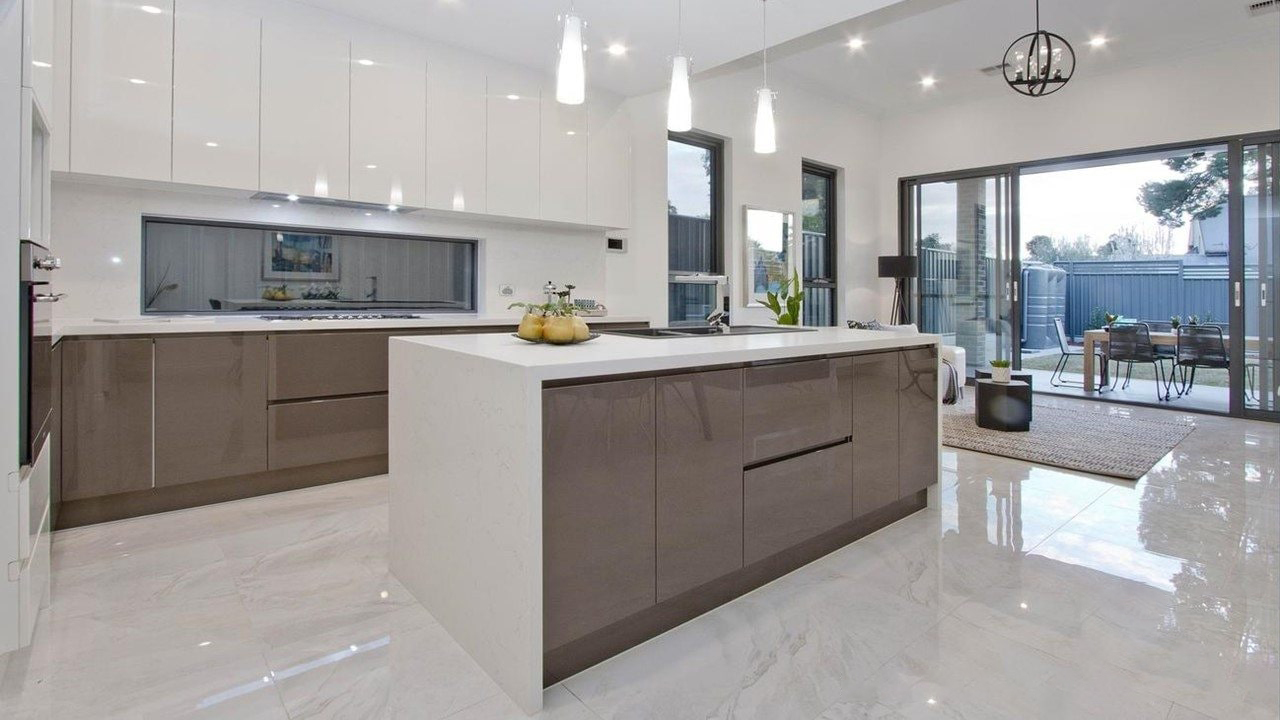
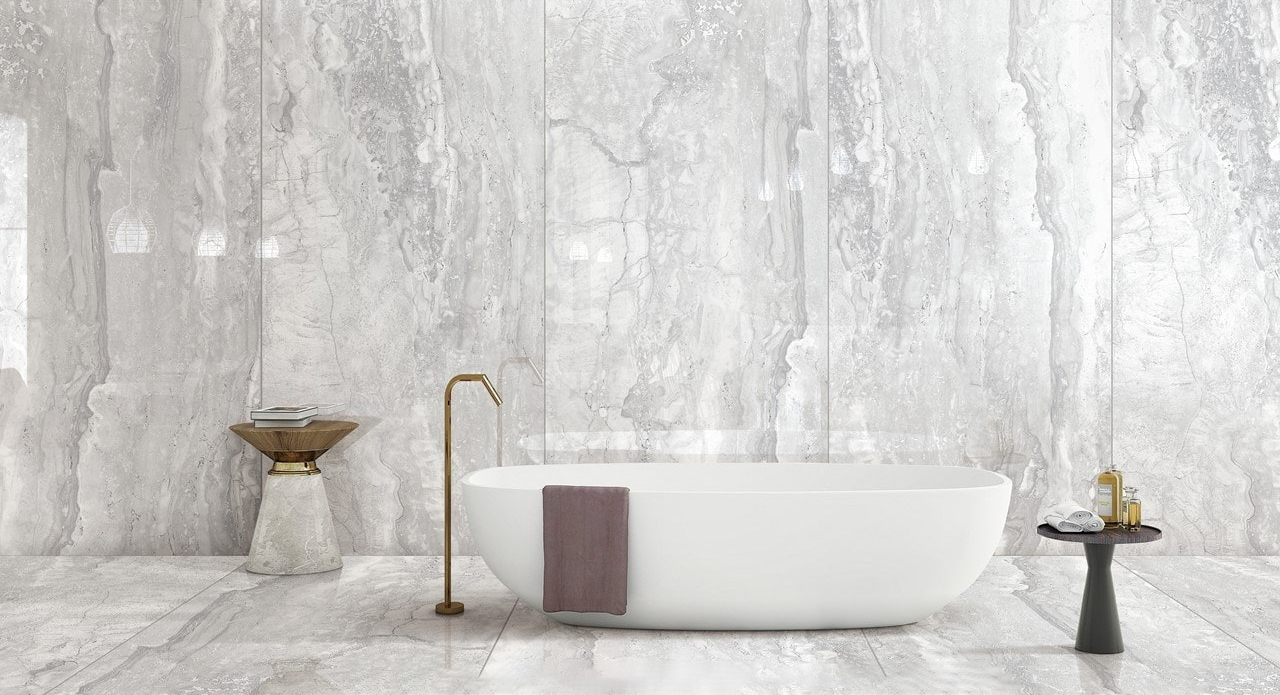
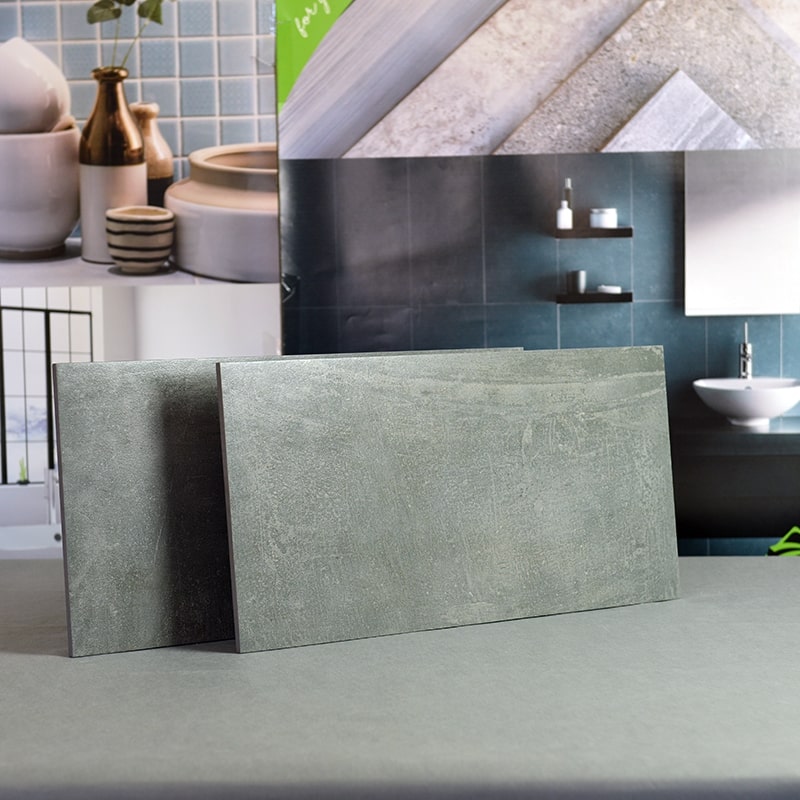
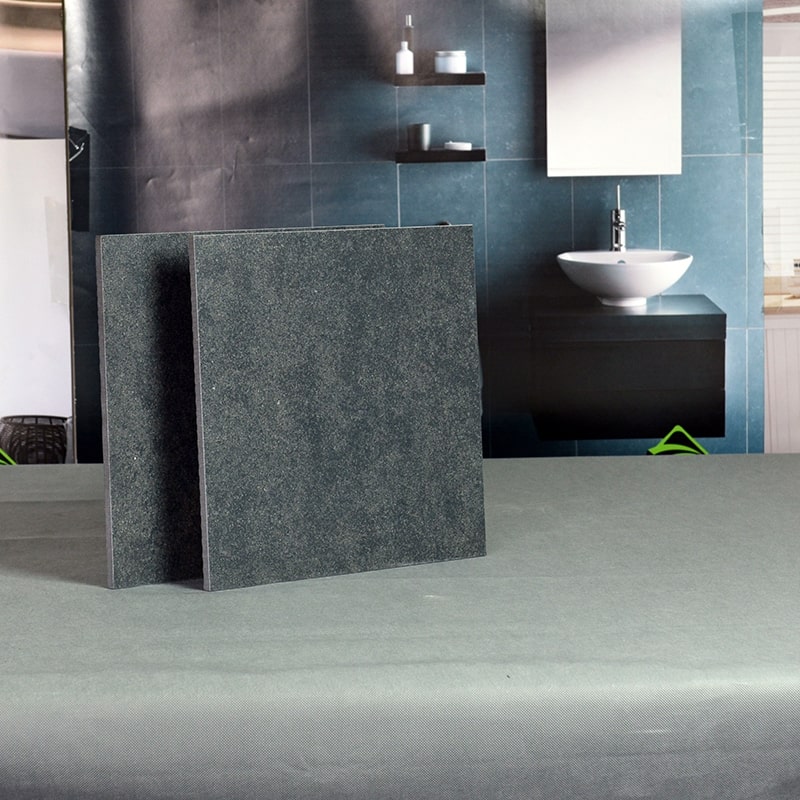
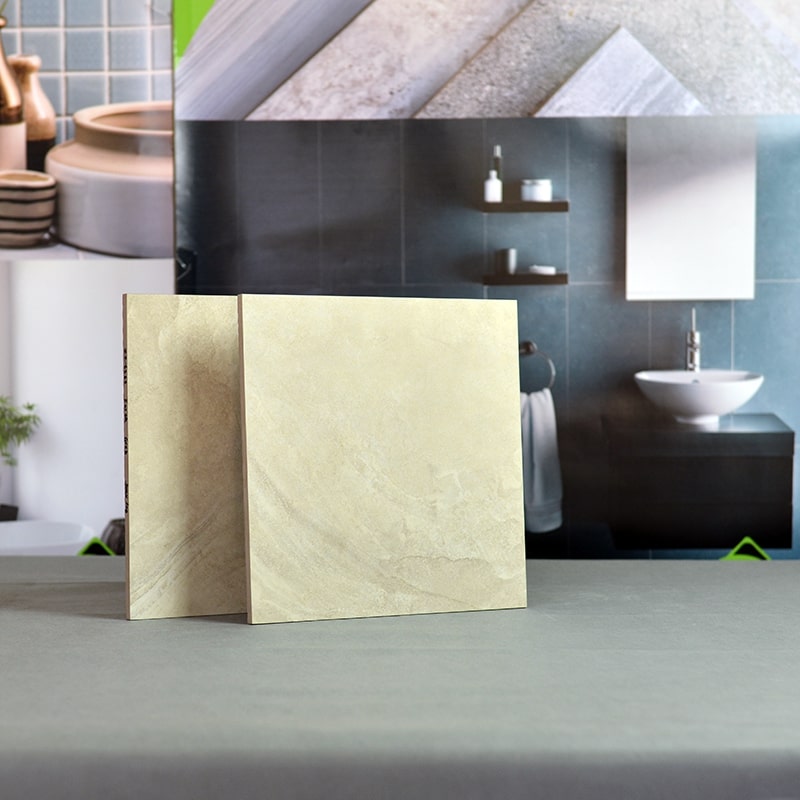
For most Adelaide homes, porcelain tiles with a matte or lightly textured finish are the best choice for entryways and living rooms. They combine durability, stain resistance and low maintenance while standing up well to everyday foot traffic. Choosing the right slip rating, tile size and finish, and using a consistent tile throughout connected spaces can also create a safer, more spacious and cohesive interior.
Before a visitor forms an opinion of a lounge room, they've already stood on the entry tile for a few seconds. It's a small space that does disproportionate work.
Because of that combination, an entry tile needs to be durable first and decorative second. A tile that looks striking in a showroom but scratches or stains within a year isn't doing its job, no matter how good it photographs.
This is the most frequently asked question in the showroom, and the honest answer is that each material has a specific role; they simply suit different areas of the home.
Ceramic tiles are fired at a lower temperature than porcelain tiles, so they are less dense. As a result, they're more prone to chipping and can absorb spills more easily.
Porcelain is better suited to busy areas such as entryways and living rooms because it is more durable. Ceramic can still be a practical option for low-traffic living spaces, especially if you're working within a budget. However, it's more likely to crack if a heavy object is dropped near an entrance.
“Natural stone, such as limestone or travertine, cannot be replicated by porcelain in terms of feel and warmth.” The trade-off is in maintenance. It requires periodic resealing and can stain if spills are left to sit too long, so it’s better suited to homeowners who don’t mind a little extra maintenance.
| Feature | Porcelain | Natural Stone |
| Durability in high-traffic entries | Very high | High, but softer surface |
| Maintenance | Minimal, no sealing required | Periodic sealing needed |
| Slip resistance range | R9-R11, depending on finish | Varies, often needs honing for grip |
| Typical cost | Lower to mid-range | Mid to premium |
| Best suited to | Entries, living rooms, high-use areas | Feature walls, lower-traffic living zones |
The slip rating is expressed as an R value, R9 through R11, in most residential ranges, and it matters more in an entry than almost anywhere else in the house because entries are where wet shoes, umbrellas, and rain first meet a hard floor.
Before deciding on a tile, it’s worth asking about its R rating upfront. Don’t assume a polished finish is safe just because it looks premium.
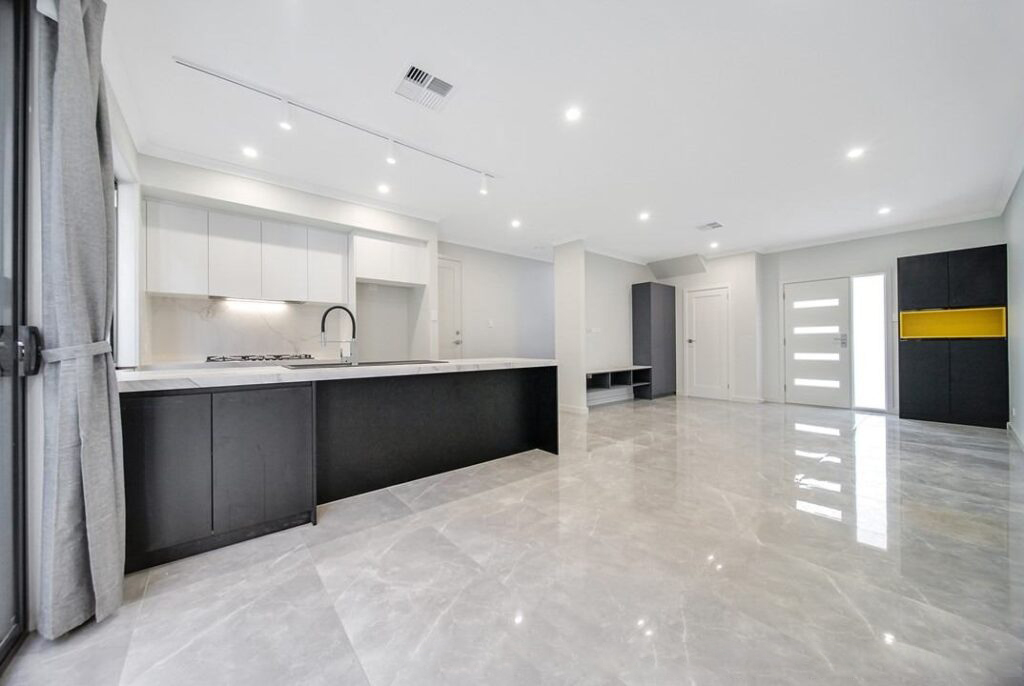
One of the more common briefs we see from Adelaide renovators is to avoid an obvious break in the floor at the entry to this living space, which is achievable. Still, it comes with a few practical considerations worth weighing up.
Checklist for a seamless entry-to-living transition:
Our team's experience with entry-to-living transitions across Adelaide renovations is that the biggest regret homeowners raise later isn't the tile itself; it's not ordering enough from the same batch upfront, which forces an awkward colour match down the track.
Adelaide entrances are often narrow, sometimes not much wider than the front door, raising the question of whether a large-format tile will make a small space look larger or just impractical.
Larger tiles (600 x 600mm and up) actually work well in tight entries in reality, as there are fewer grout lines, creating a cleaner and more continuous line of sight through to the living area. The catch is that the bigger the tile, the less tolerant it is of an uneven subfloor, so it’s worth having the floor checked for flatness before you commit to a larger format.
Our guide to matte and gloss finishes goes into more detail on how surface sheen interacts with tile size and light in a room, which is relevant here since a large glossy tile can bounce more light through a dim hallway than several smaller matte ones.
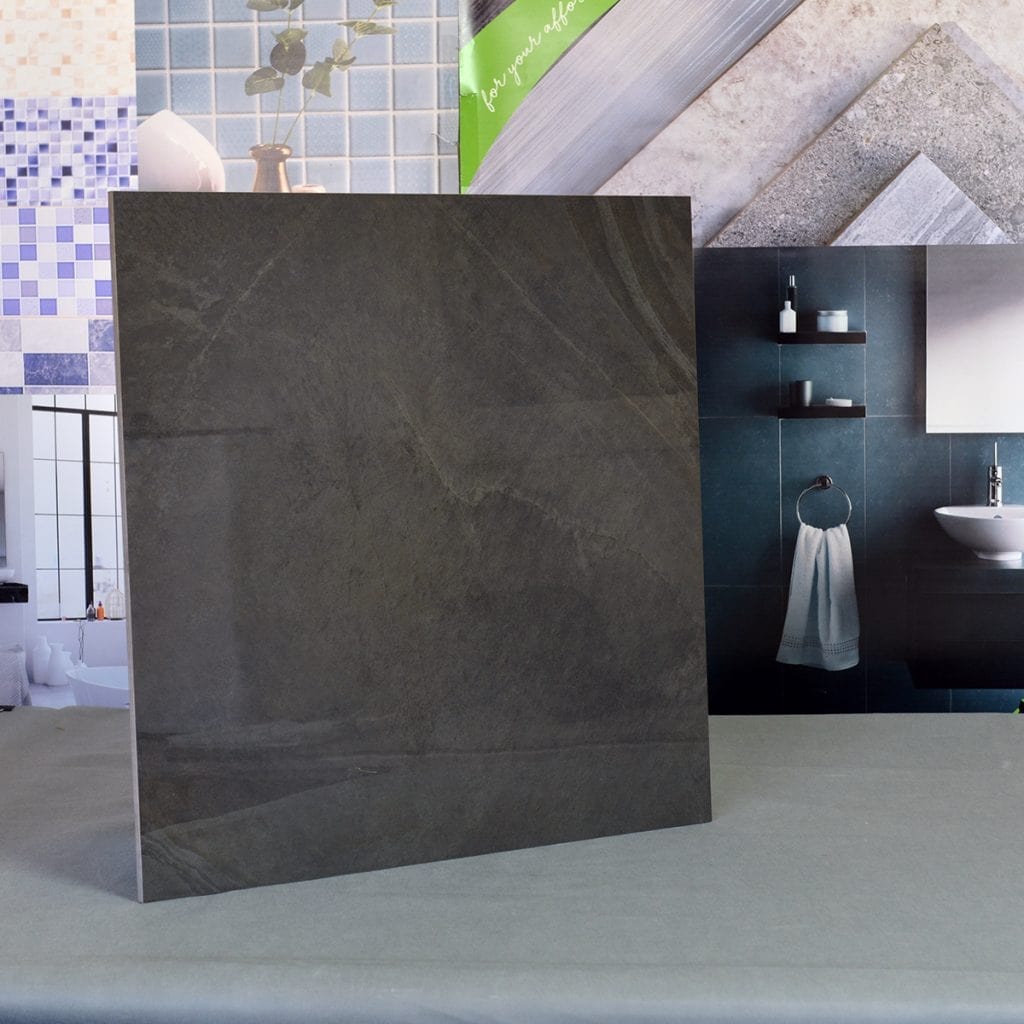
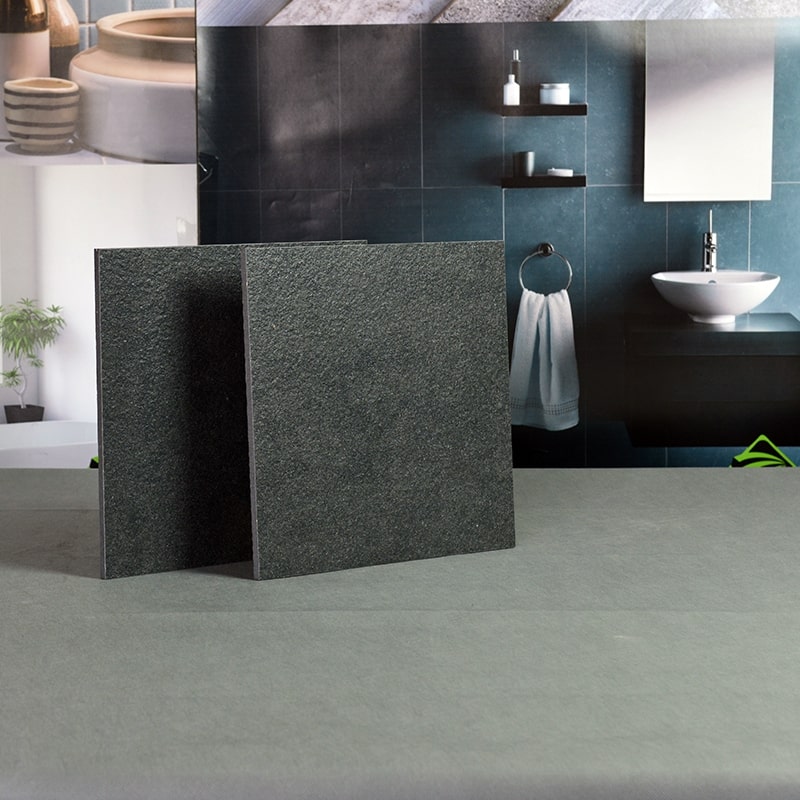
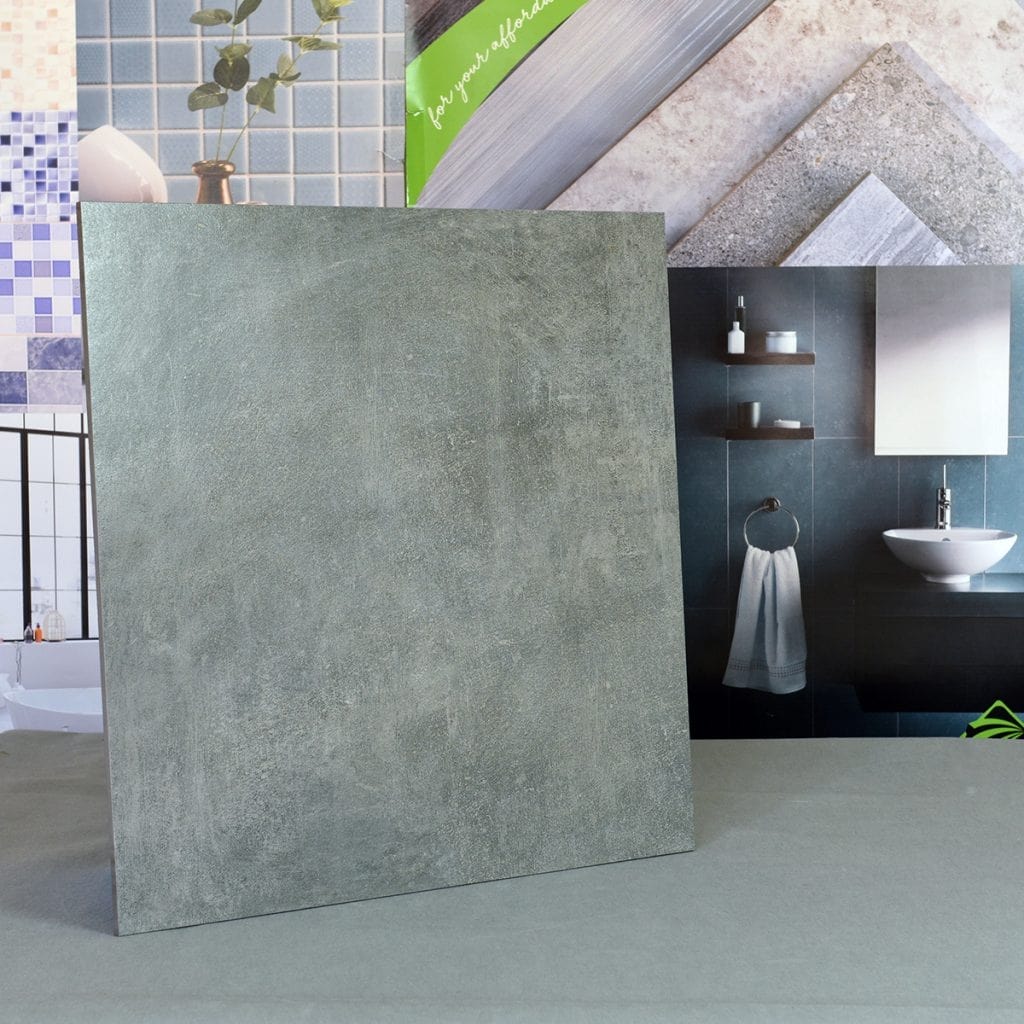
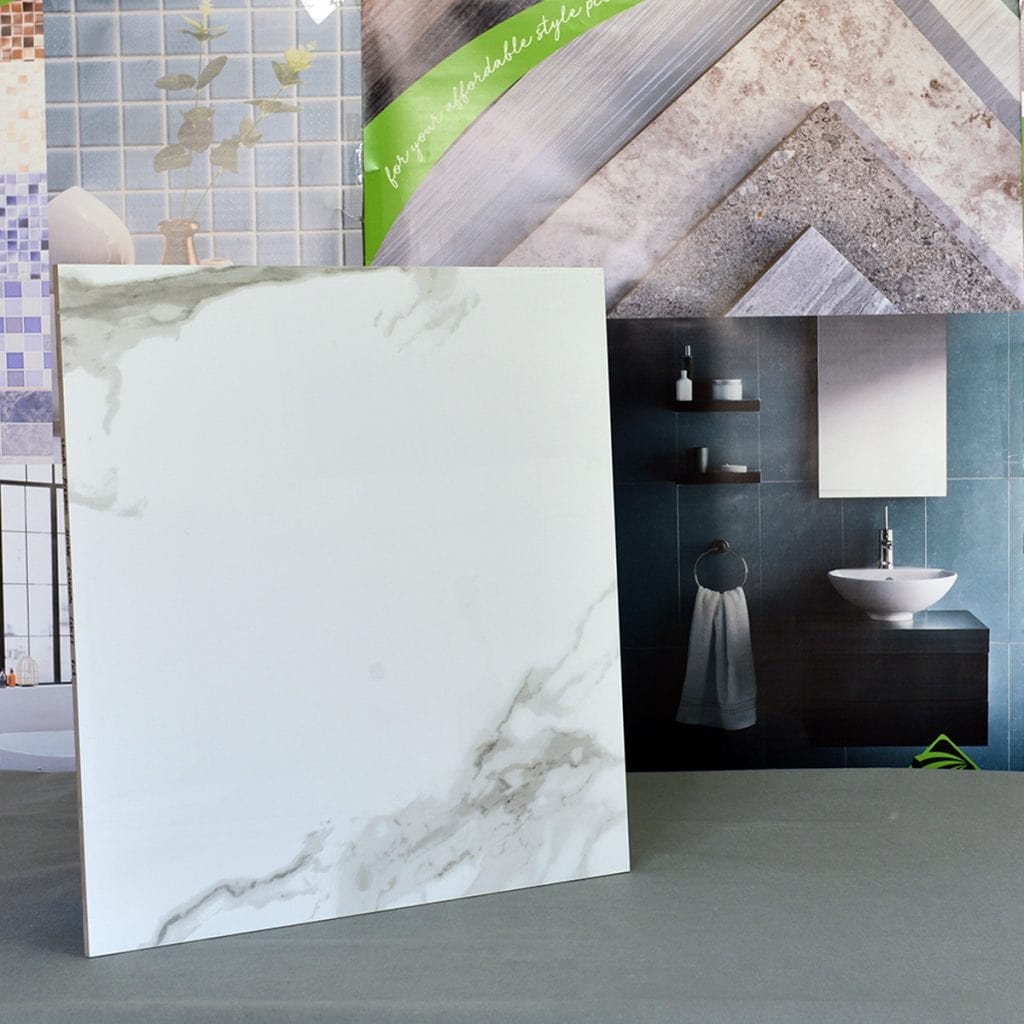
A tile chosen purely for a current trend is one of the more common regrets we hear about from repeat clients years later. Greys and warm neutrals have held up well over the past decade because they don't date as much as stark whites or heavily patterned tiles can.
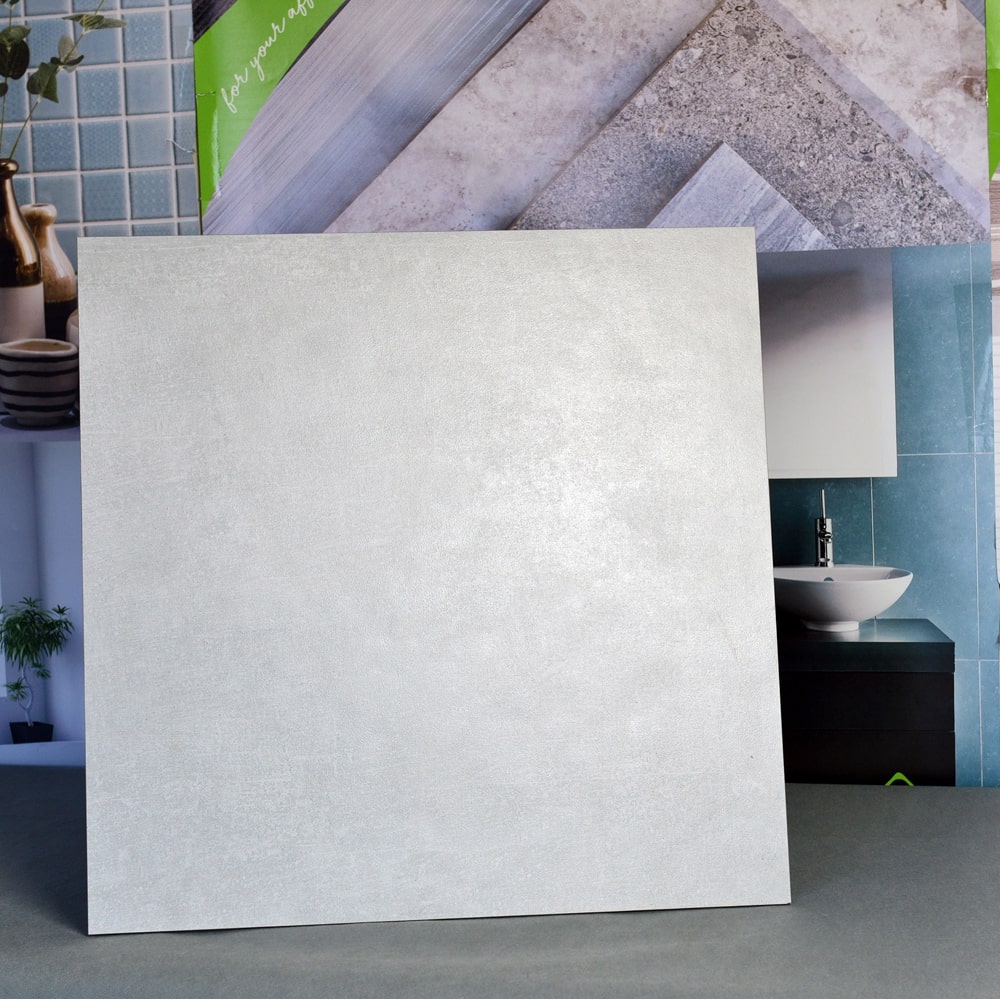
In a high-traffic entry, mid-to-light greys hide everyday dust and scuffs better than pure white.
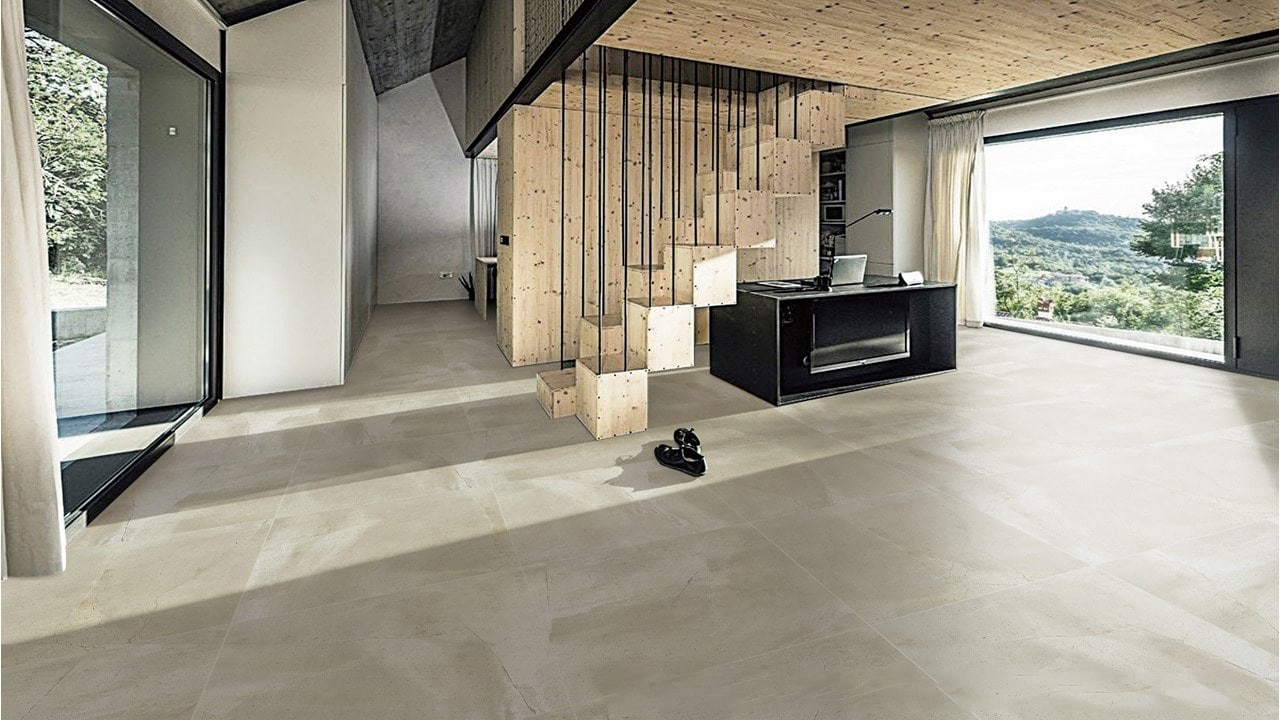
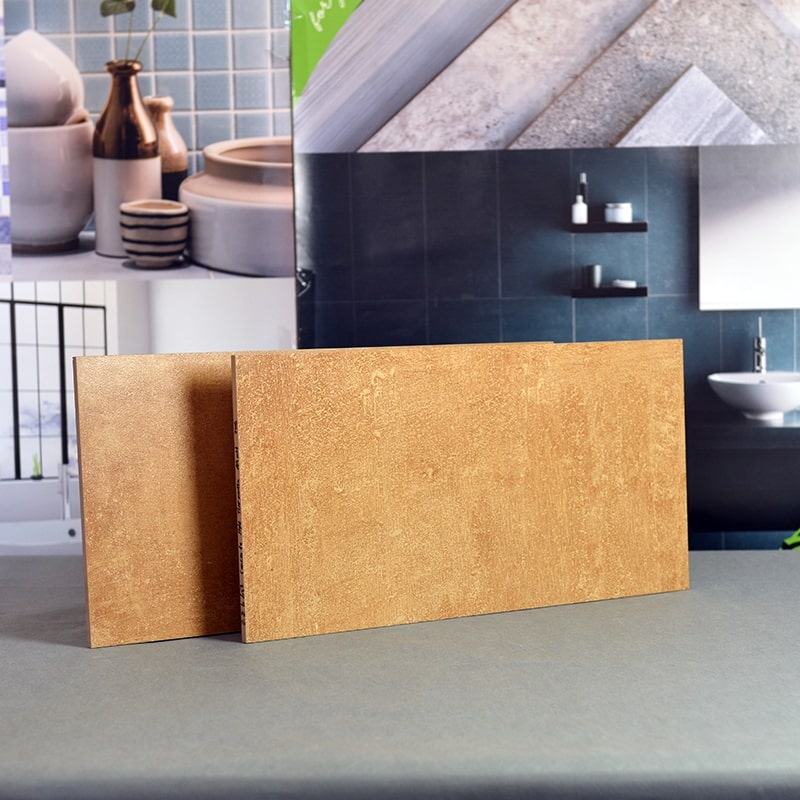
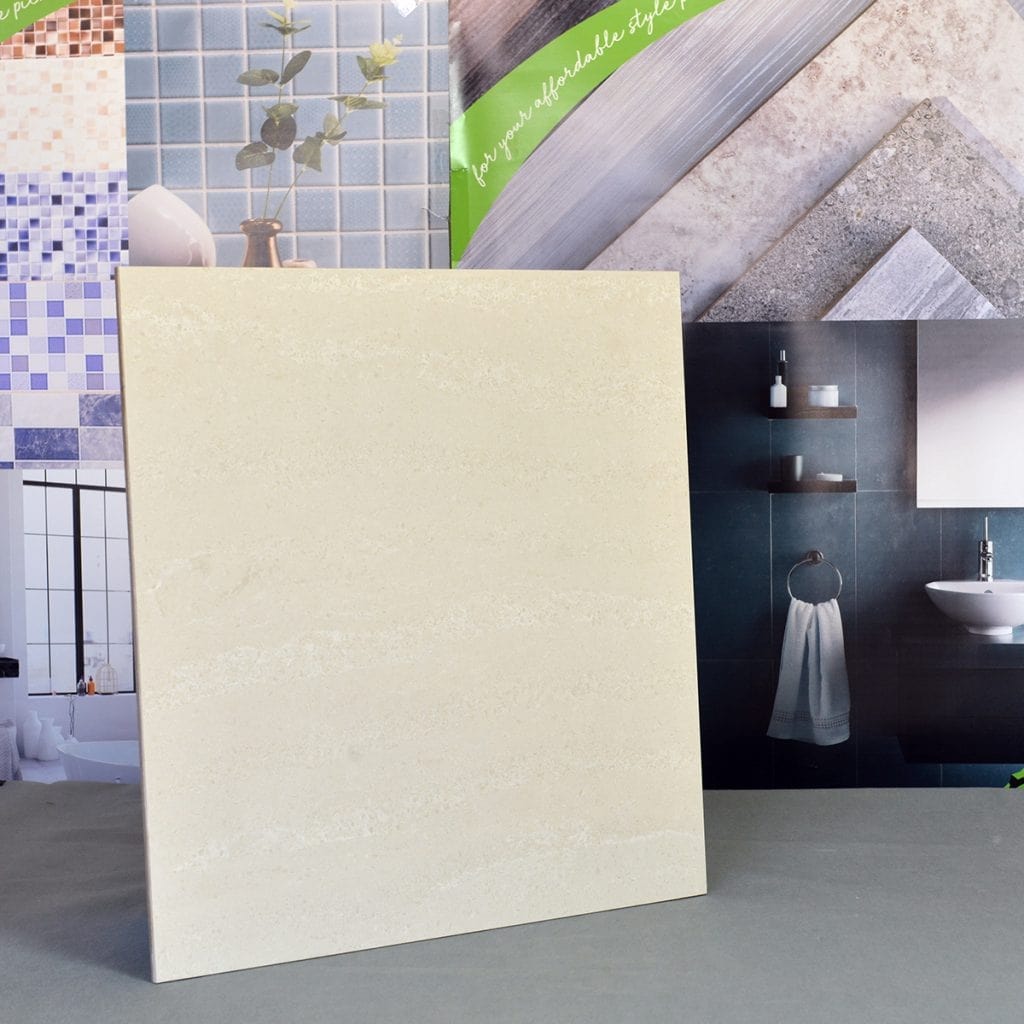
Warm tones of beige and taupe sit comfortably with the timber joinery found in new builds in Adelaide.
A bold pattern or colour is better used as a feature strip or inset rather than across a whole entry floor.
Matt generally photographs less 'showroom shiny' but wears it more gracefully day to day than high-gloss finishes do.
What’s the best tile for an entrance in Adelaide?
Generally, the most practical option is a covered, dry entryway, using porcelain with a matt or slightly textured finish and an R9 slip rating for durability and low maintenance.
Can I use the same tile in my entry and living room?
Yes, and it is a favourite for open-plan homes in Adelaide. Just be sure the tile's slip rating is appropriate for the entryway, and order from the same batch so you don’t get colour variations.
Do entry tiles need a higher slip rating than living room tiles?
Usually yes. Entries are exposed to wet shoes and rain, so a higher R rating is worth prioritising there, even if the adjoining living room doesn't need it.
Is natural stone a good choice for a high-traffic entryway?
It can be used, but it needs periodic sealing and is softer than porcelain, making it more suitable for homeowners prepared for this level of maintenance, not for those seeking a totally low-maintenance alternative.
How many extra tiles should I order to allow for wastage?
As a rough guide, add 10% extra for tiles up to 600x600 mm, closer to 20% for larger formats, and even more if the entry has an awkward doorway or step.
What grout colour works best for an entry floor?
A mid-tone grout (not stark white) tends to hide daily dirt in an entry, but still look clean and thoughtful in the living room beyond.
The tiles in the entry are more important than you think. You walk on them. More than almost any other surface in the house, they’re judged as soon as someone walks through the door. Get the material, slip rating, and finish right from the get-go, and you will save the cost and disruption of redoing the work a few years down the line.
If you’re seeking options for your Adelaide entry or living area, we have a range of tiles for living rooms and a dedicated selection of entry tiles worth browsing to get a sense of what’s available locally. Our friendly Cavan showroom team can also discuss slip ratings and batch availability for your space.