There’s a special kind of regret that hits somewhere between burnt toast and grout haze. It’s called buying the wrong kitchen tiles. And no, not because you picked “ugly” ones—ugly can be endearing. It’s because you didn’t know what the hell to look for in the first place. What actually matters on an Adelaide kitchen wall? Most people haven’t the faintest.
You’ll hear all sorts of fluff: timeless charm, trend-resistant, harmonises with your splashback… Sure. And then your grout’s moulding, your tiles are lifting, and your kitchen looks like it aged three decades in eight months. Cute.
Adelaide kitchens aren’t Sydney kitchens. You’ve got the hard water, the dry air, the sudden humidity if you’re in the Hills, and enough sun to bleach half the colour out of those “coastal chic” pastels in under a year. The game’s different here. And if your tiles can’t hold up under that, they’re not design choices—they’re mistakes with a long warranty.
If you're not factoring in local conditions, you’re already on the wrong track.
South Australia’s sun is no joke—prolonged exposure will fade cheap glazes faster than you can blame the lighting. You’ll want UV-stable tiles, or you’ll be watching your “soft beige” morph into uneven oatmeal.
And moisture? Oh, it’s not just a bathroom issue. Kitchens near the coast or in leafy suburbs like Belair or Crafers experience fluctuations that cause adhesives to sweat. Ask for water-resistant backers or membranes. If the salesperson says you don’t need one, you need a new salesperson.
Some suppliers still sell single-fired glazed tiles. Skip those. Ask for double-fired. It's a tiny manufacturing detail, but it’s the difference between “still looking decent after ten years” and “chipping if you look at it funny.”
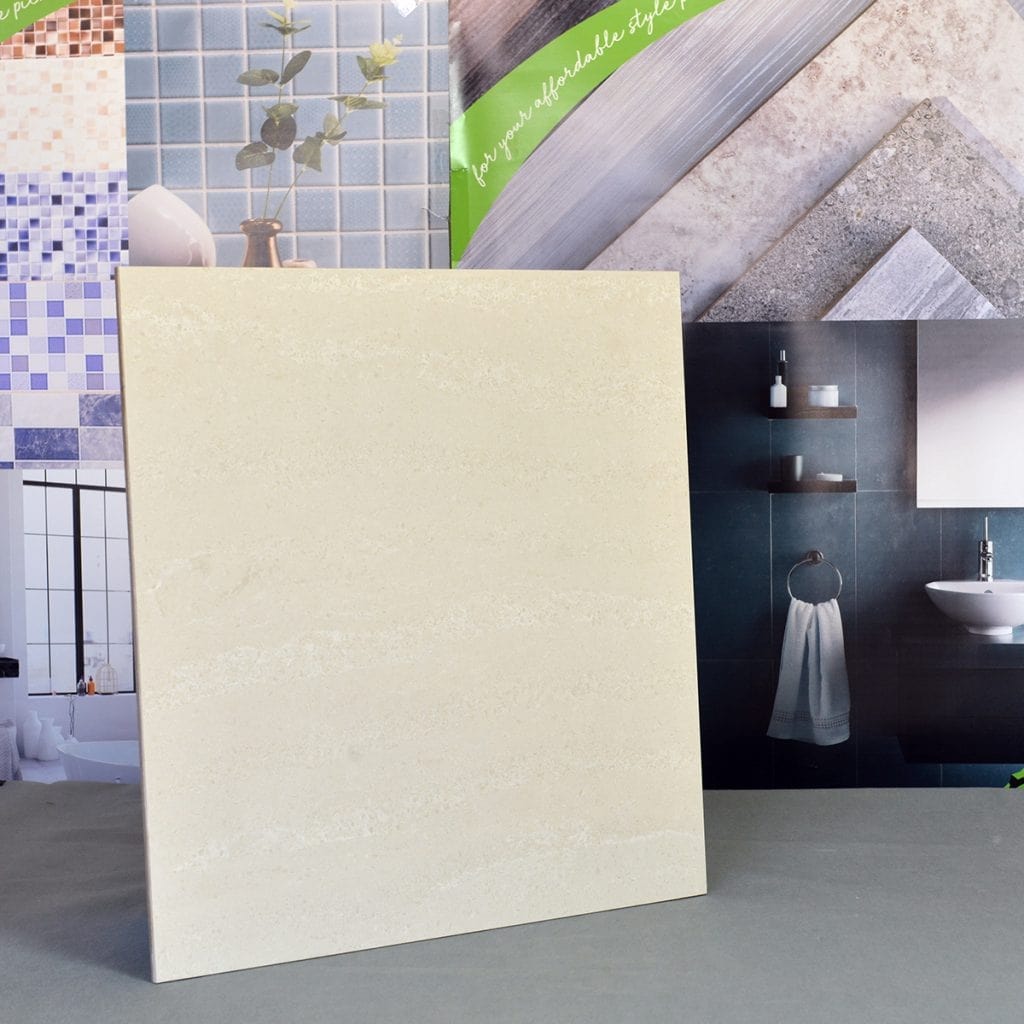
Not the trendy pick, but that’s precisely the point. These work because they don’t try too hard. Opt for rectified edges—enjoy a cleaner look, tighter grout lines, and less scrubbing.
A satin finish provides reflectivity without glare. And no, bigger isn’t better here. Stick to classic sizing if you want that crisp feel without showboating.
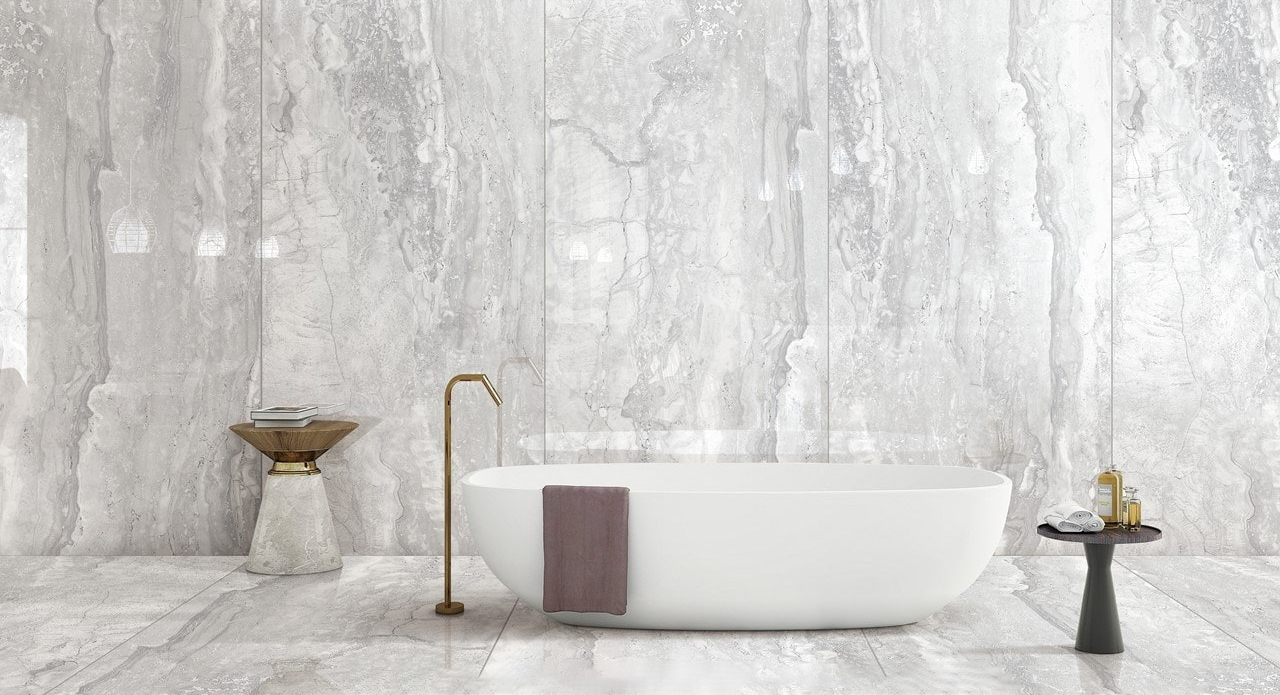
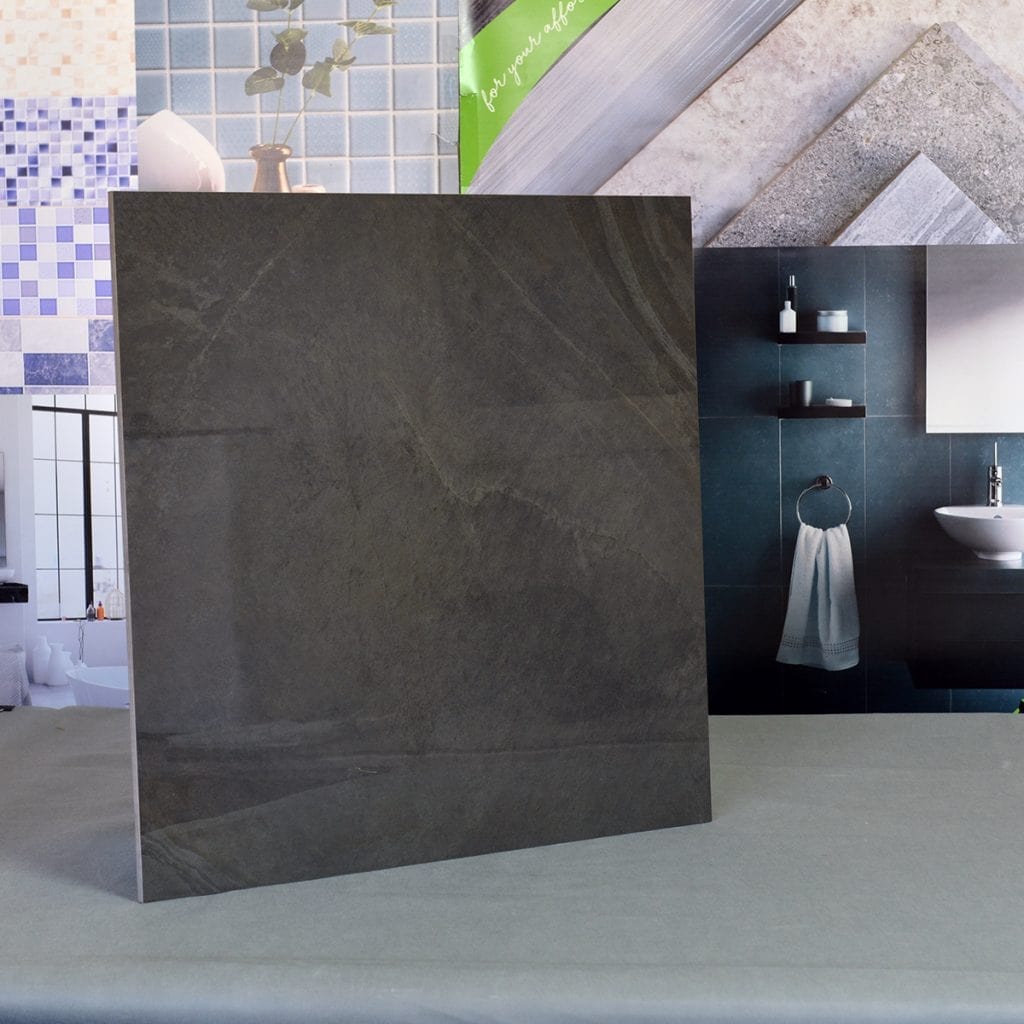
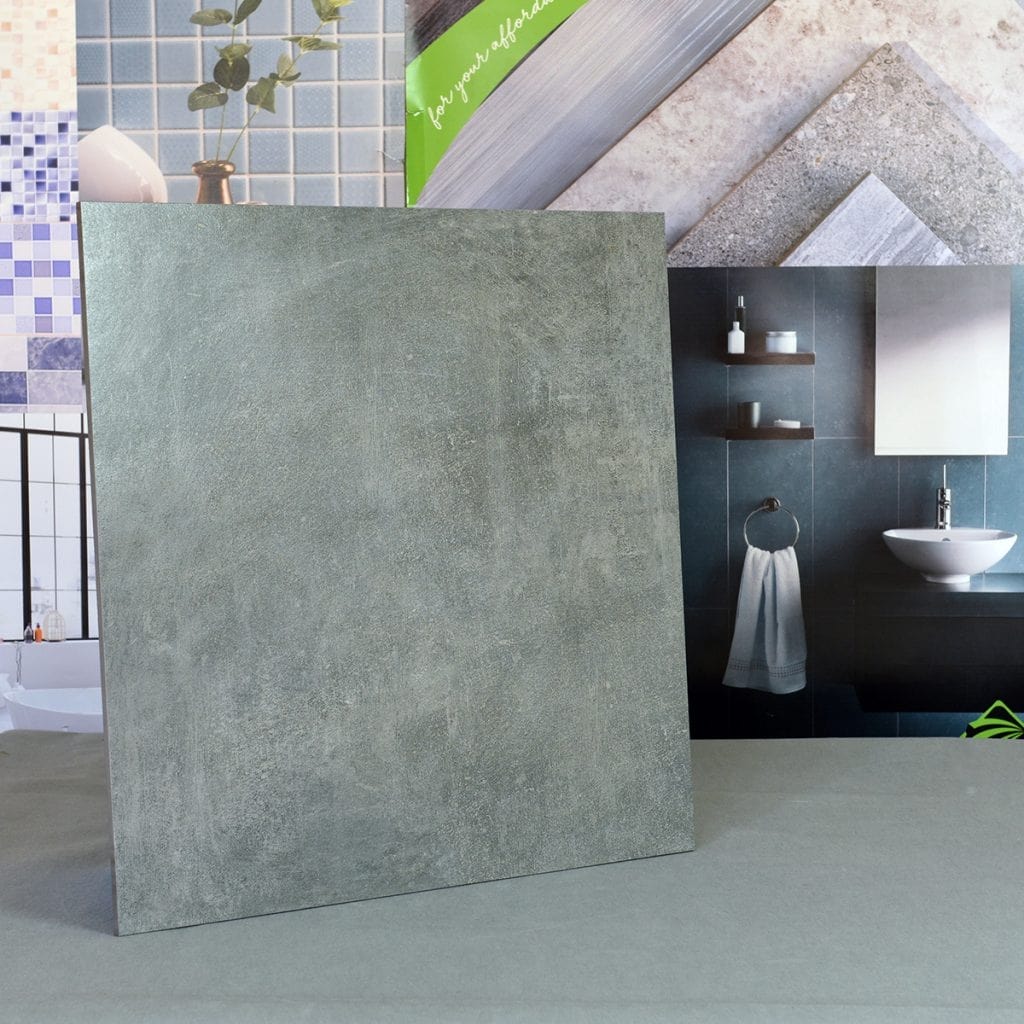
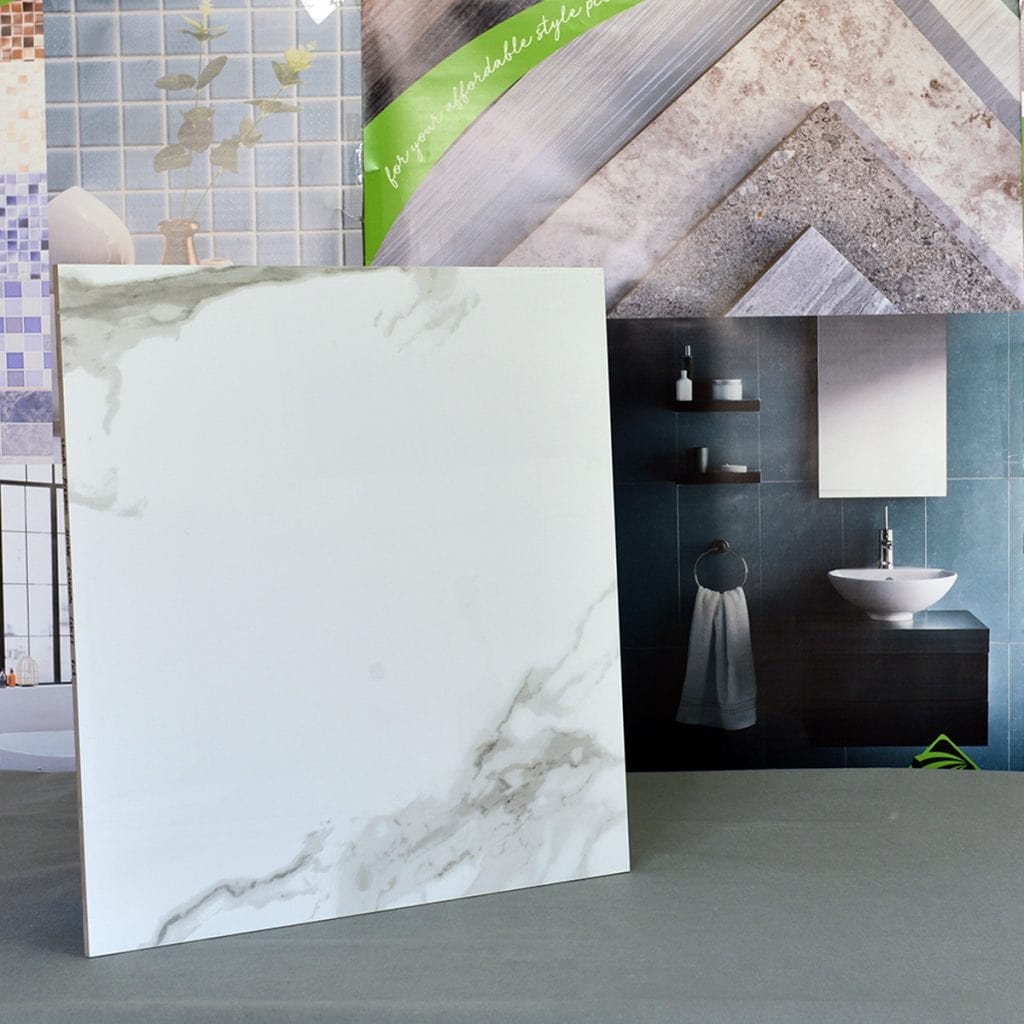
The real win here is that you get the slab vibe without the real stone upkeep. Fewer grout lines mean fewer crumbs and grease traps. Plus, they’re usually thinner and easier to install than they look.
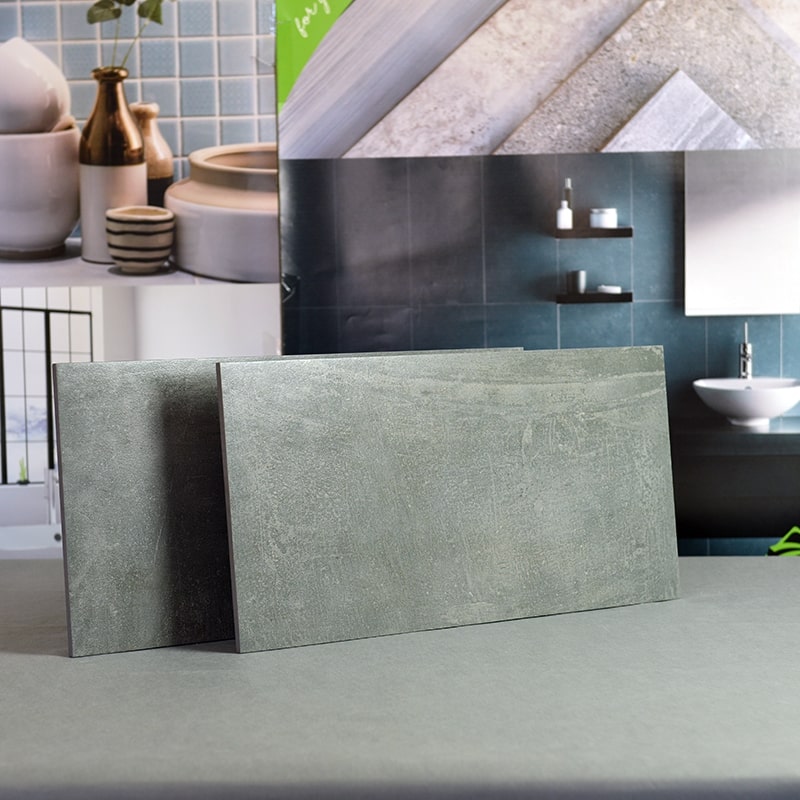
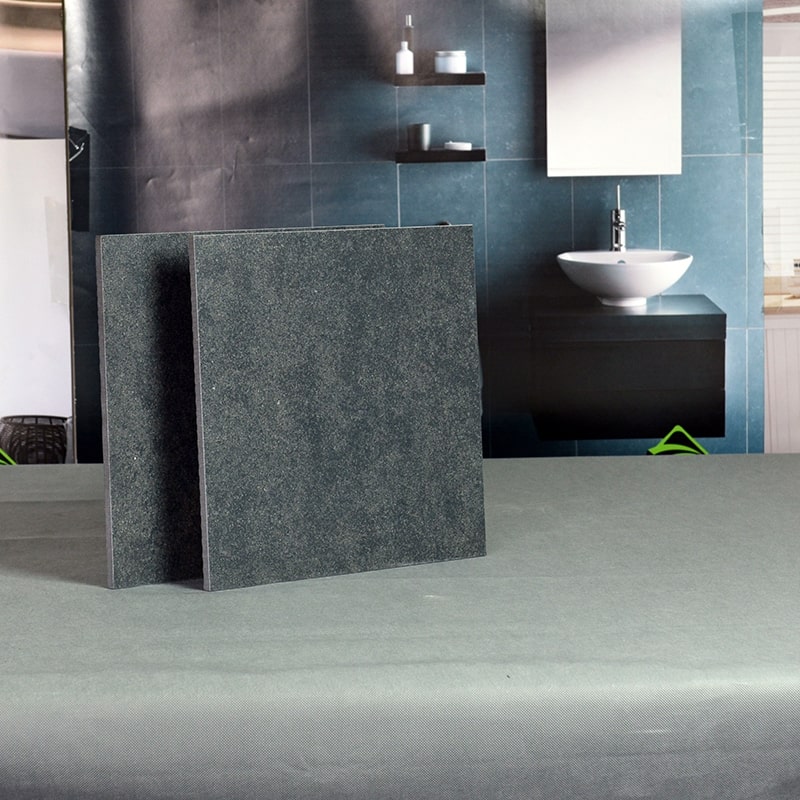
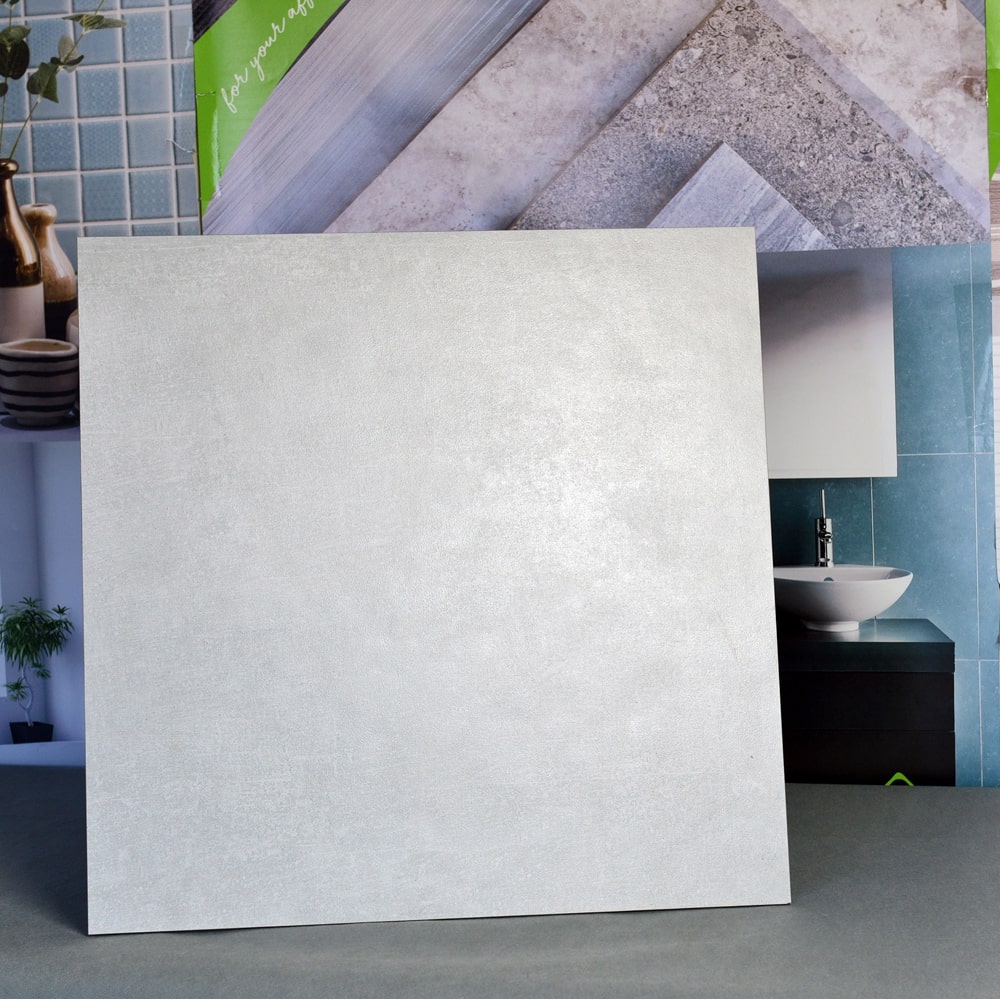
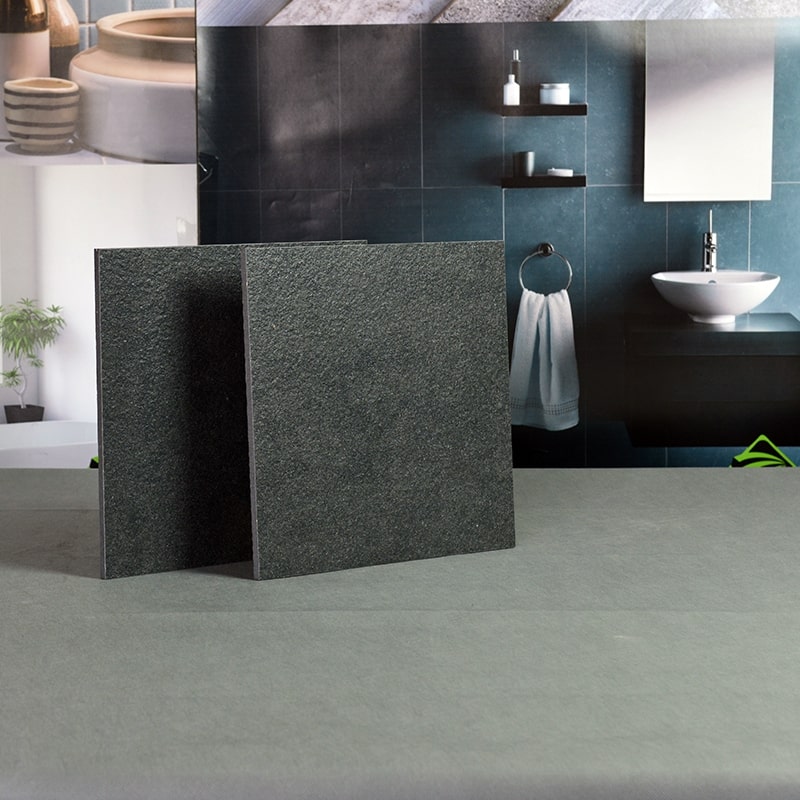
Dry-pressed textures feel like natural stone but don’t soak up oil like a sponge. Less “artisan nightmare,” more “low-maintenance adult.”
Yes, patterns can work without making your wall look like a café chalkboard. Go for geometric or barely-there encaustic designs in muted tones—slate blue, washed clay, things that still look good under LED downlights.
Don’t tile the whole wall with these unless you want vertigo. Use them like punctuation.
Micro tiles, massive flex. They bounce light (helpful in tighter spaces) and don’t stain easily, which is useful with Adelaide’s water quality. Use epoxy grout. Regular grout will discolour and grow things you don’t want to talk about.
And yes, that includes behind induction cooktops. They're heat resistant, unless you bought the fake kind. Don’t do that.
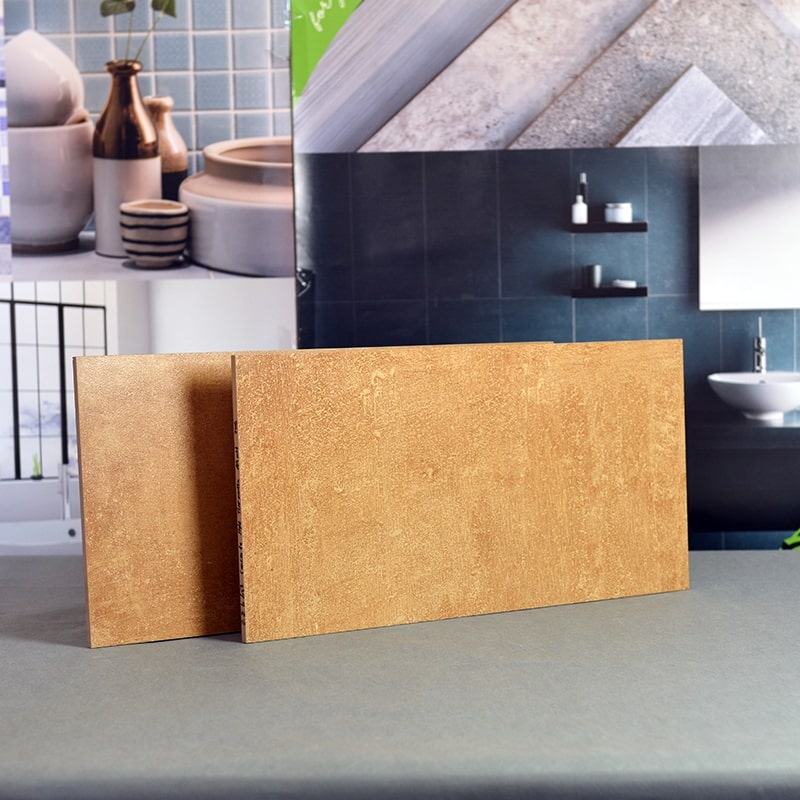
You want warmth? This is how you do it without giving up your sanity. Authentic terracotta is porous, high-maintenance, and basically a sponge in tile form.
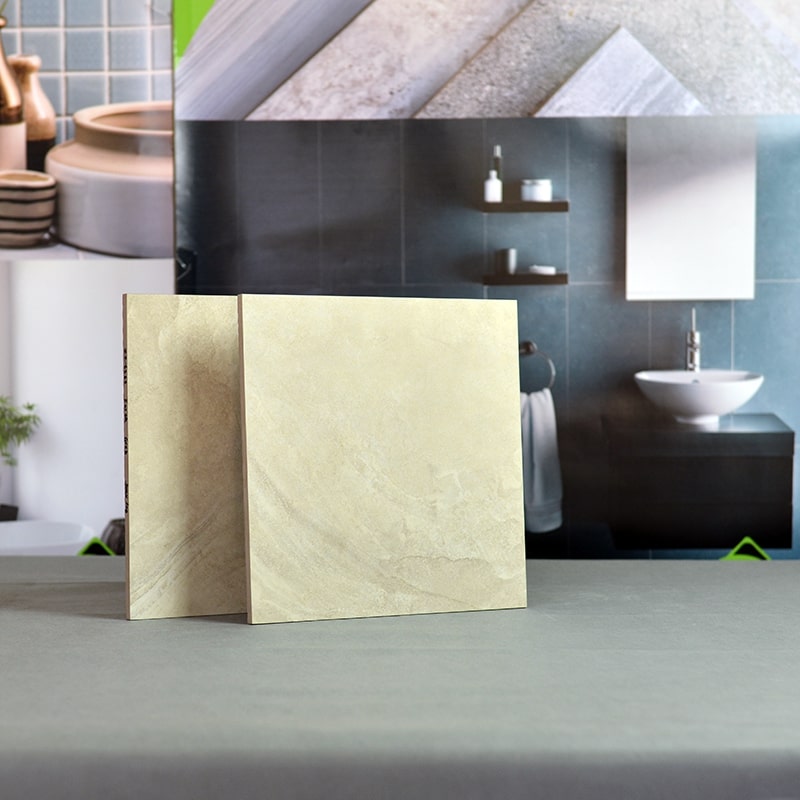
Go for the look, not the actual material. Porcelain offers a rustic tone with effortless wipe-and-forget cleaning levels.
Don’t go full-gloss unless you love fingerprints, especially in heavy-use kitchens. You’ll spend more time polishing than cooking.
Grout gaps wider than 2mm? That’s not character. That’s a cleaning chore. And yes, square-edge tiles on curved walls will chip, crack, or simply look like a botched DIY project on TikTok. Just because you can, doesn’t mean you should.
PEI ratings—overhyped. They’re for floors. On walls, focus on stain-resistance and chemical durability instead.
Check the colour variation rating. If it’s V3 or V4, it’ll look random unless your lighting is perfect and your installer knows what they’re doing. Otherwise, it just looks like a sample sale gone wrong.
Thermal shock resistance is rarely discussed, but if your splashback sits behind a gas burner, you want tiles that won’t crack from rapid heat swings. Ask, and watch the salesperson pause. If they blinked twice, they didn’t know either.
Don’t clone your benchtop. If everything matches, nothing pops. Go for tonal difference—cool tiles, warm counters, or vice versa.
Metallic finishes? Fine. But keep them quiet—one row, not the whole wall. Otherwise, you’re veering into showroom lighting territory.
Textured tiles are only suitable if your walls are flat and smooth. And we mean dead flat. Otherwise, the lippage will drive you absolutely insane every time sunlight hits that wall.
You live here. You deal with the quirks—sun glare, dry spells, surprising humidity pockets. Buying from someone who gets those variables means your tiles won’t just survive, they’ll still look smug about it.
Aurees Tiles has 100+ varieties because you need options that aren't just stock-standard. And with regular new arrivals, you’re not stuck with five “on-trend” samples from 2020 pretending to be premium.
Also: adhesives, grouts, trim, spacers—you want the right tile tools with your tiles. Having to chase them around Adelaide later? Not cute.
You don’t need them to win awards. However, they should be cleanable, fade-proof, and not silently fall off the wall on a humid Thursday.
If you’re unsure? Trust your instincts—but run them past someone who’s installed tiles in Adelaide kitchens more than once.
Because the best tiles are the ones you stop noticing—because they just work. Always.